








-
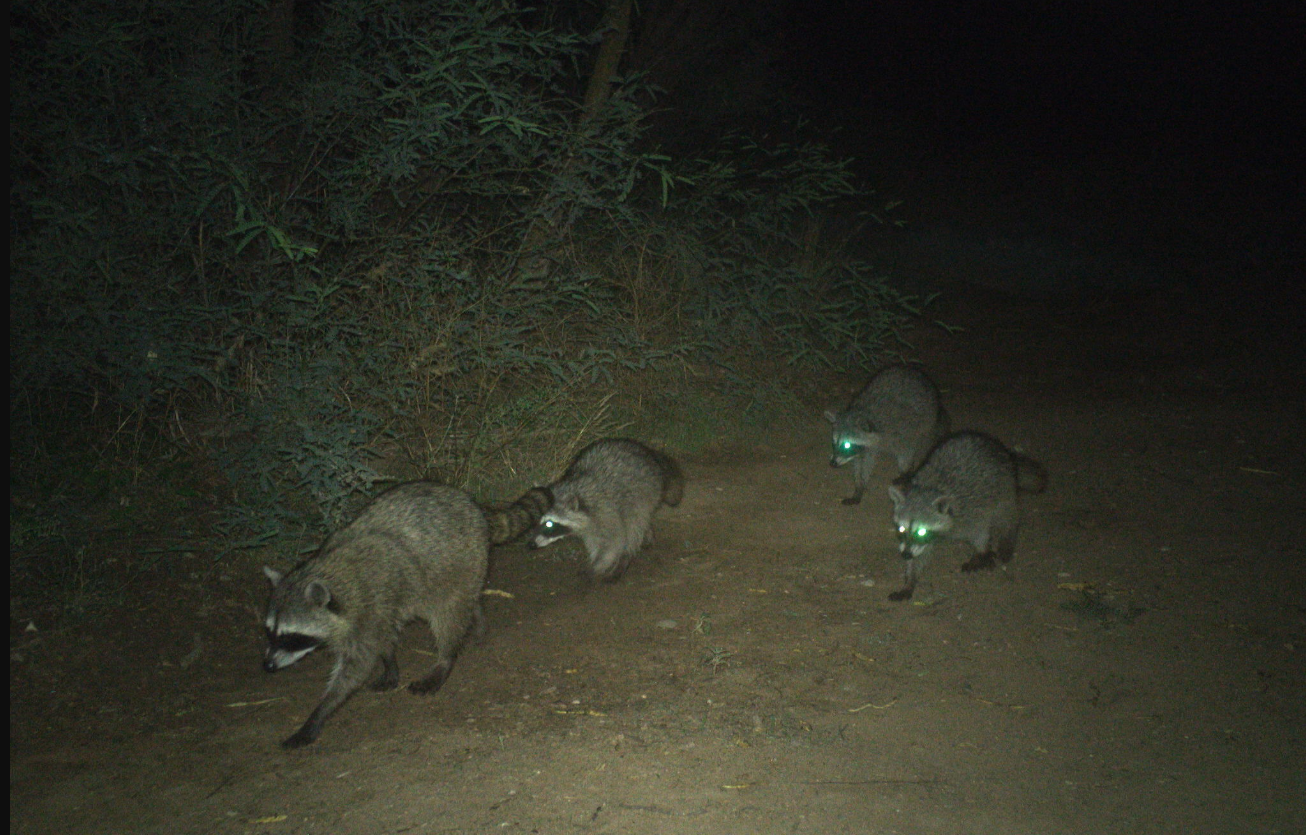
How to hunt raccoons: practical tips from Nocpix
2026-10-08Raccoon hunting at night starts with knowing where animals have been active. Check recent tracks and sightings, visit the ground in daylight and choose your hunting position before darkness falls. In this guide, Nocpix shares practic...
-
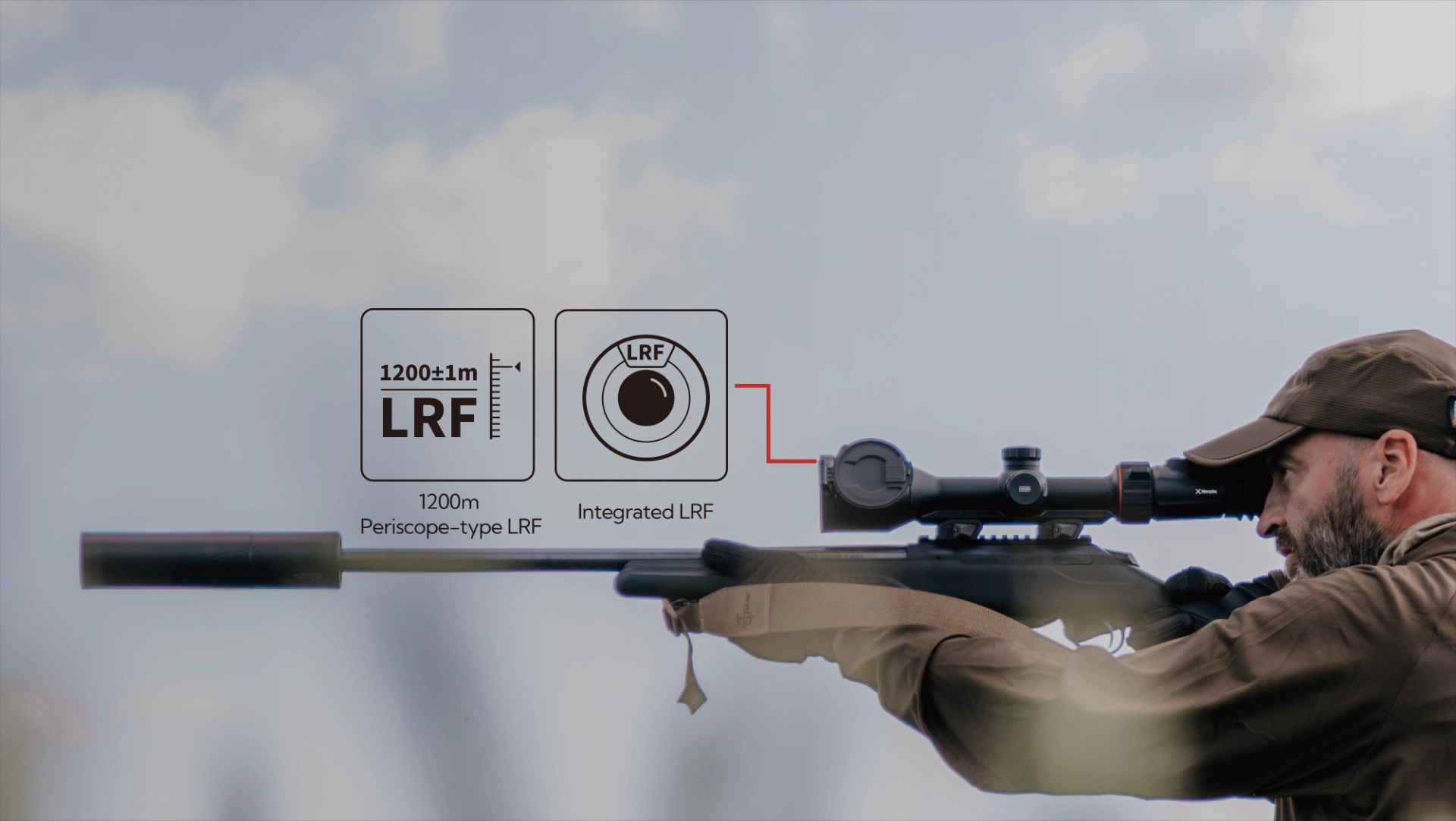
Thermal Scope with Rangefinder vs. Separate Rangefinder
2026-10-08From a high seat, you may want a distance reading while the rifle rests on a support. When walking between fields, you may spend more time observing and measuring with a handheld. In this guide, Nocpix compares both arrangements for E...
-
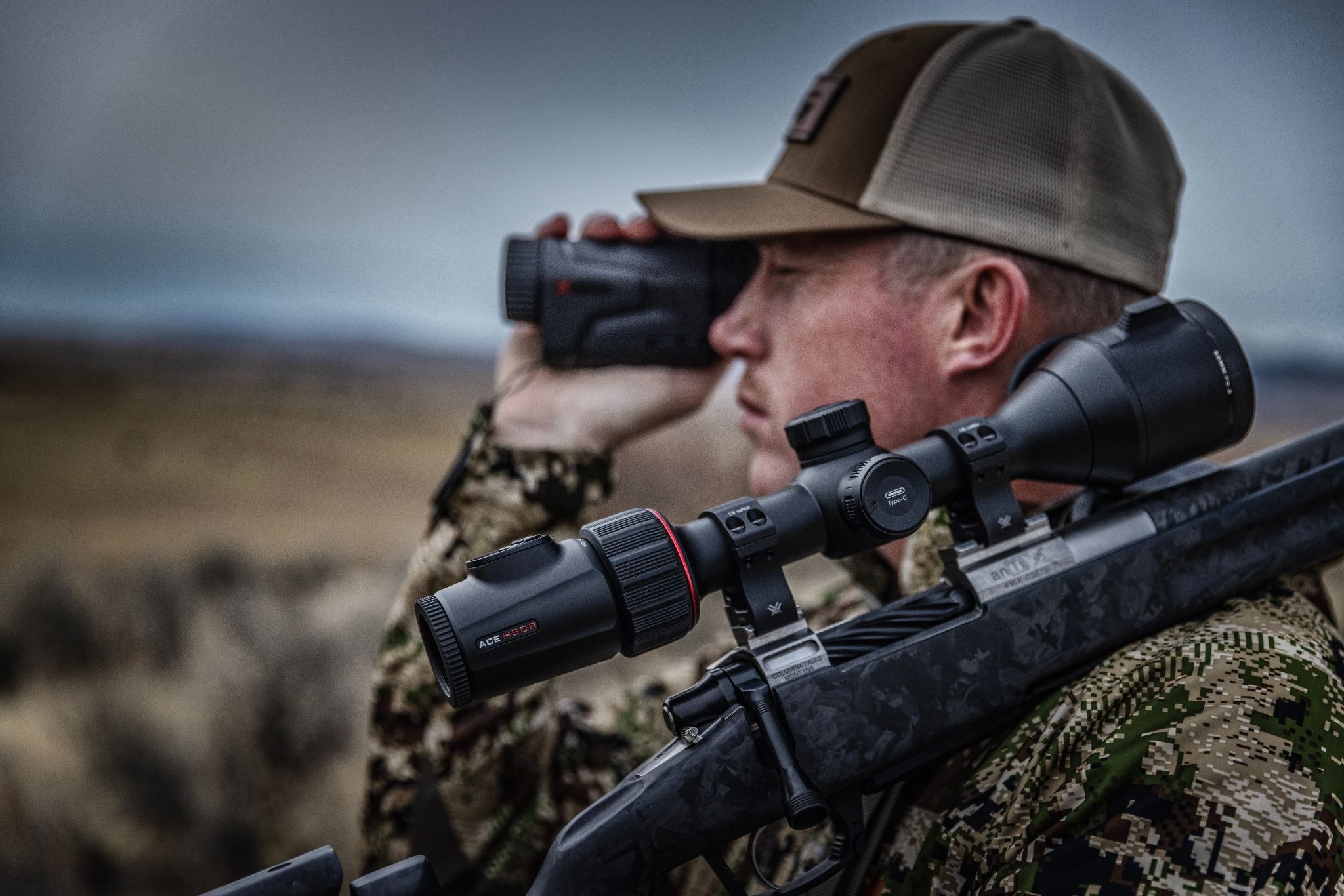
Still Hunting vs. Spot and Stalk: Choosing the Right Hunting Method
2026-10-08Still hunting means searching on foot, moving slowly and stopping often to look and listen. Spot-and-stalk hunting means locating an animal first, then planning an approach. The choice depends on how far you can see, how quietly you can...
-
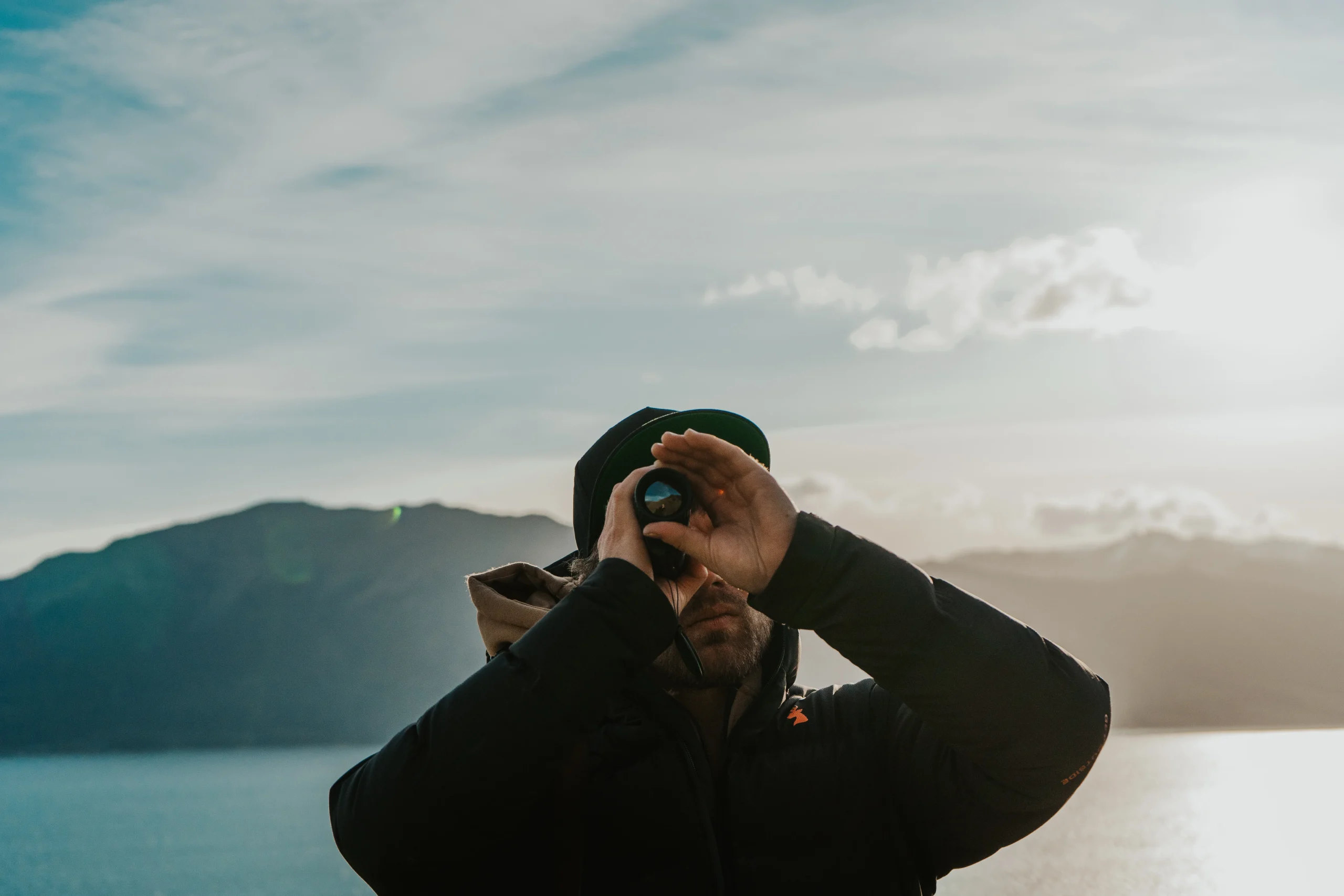
How to Hunt a Beaver with Thermal
2026-09-24At night, a beaver may give you only a few seconds to make sense of the scene. You may see a head moving across dark water, a broad back leaving the bank, or a warm shape disappearing behind reeds. By the time you bring the image back, ...
-
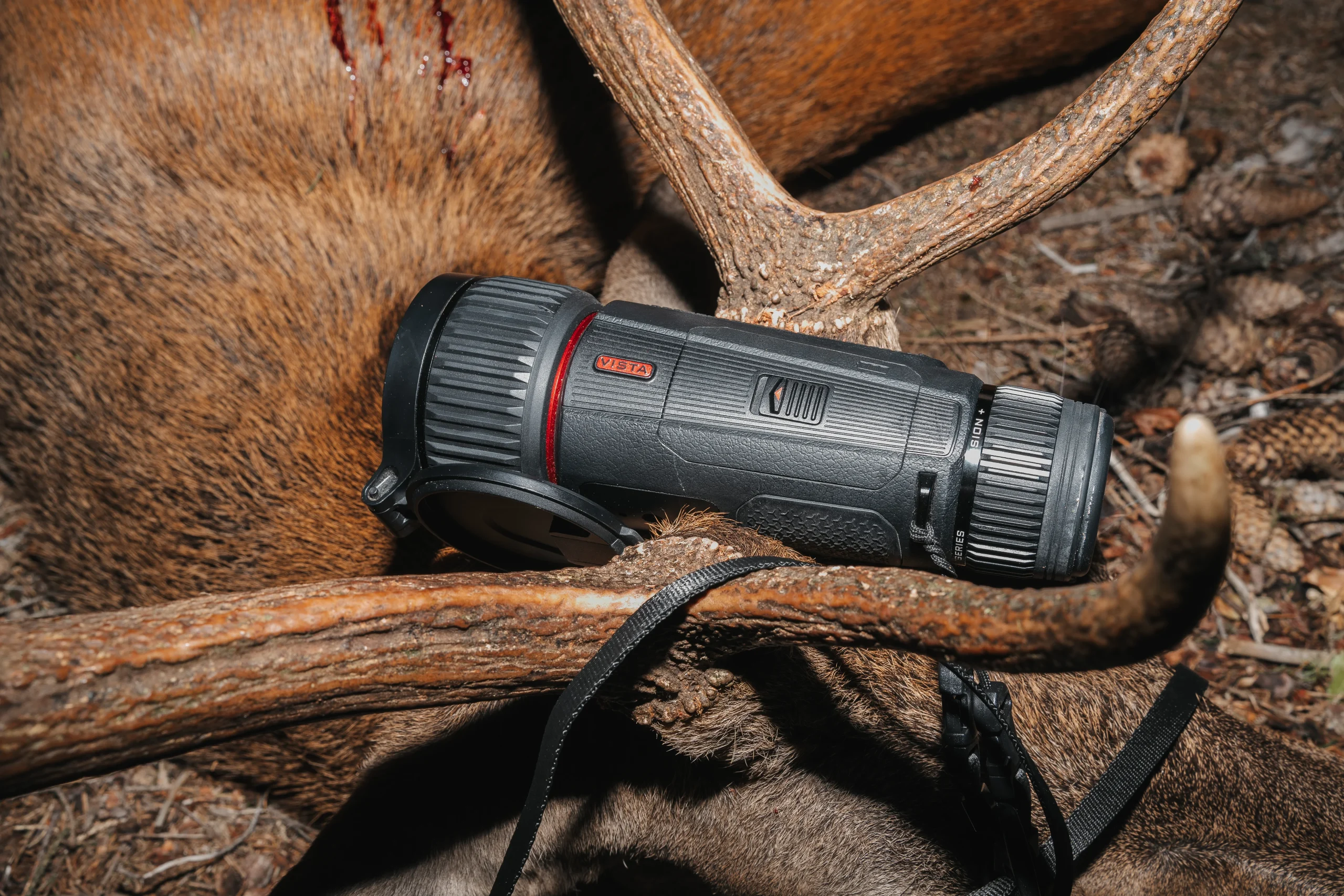
Best Nocpix Thermal Monoculars for Deer Recovery
2026-09-20Finding a deer after the shot can mean searching a wooded boundary, checking the edge of a field, or looking across an open hillside. A thermal monocular can help you spot the animal’s heat signature when its coat blends into the surrou...
-
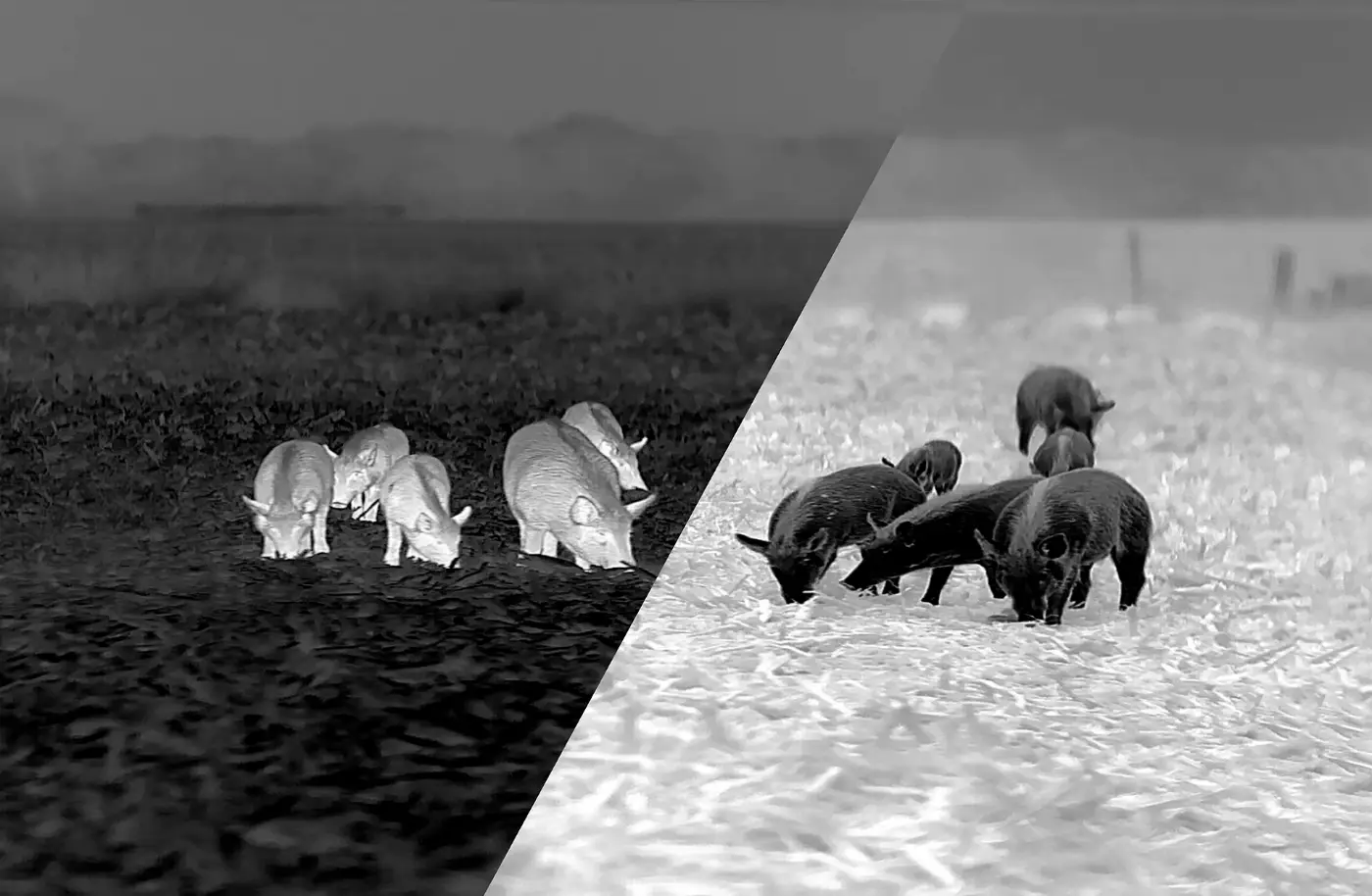
How to Hunt Feral Hogs at Night
2026-09-15Fresh rooting tells you hogs have used a field, but it does not tell you when they will return. Hog hunting at night starts with finding recent activity, learning the ground in daylight, and choosing somewhere you can watch clearly afte...
-
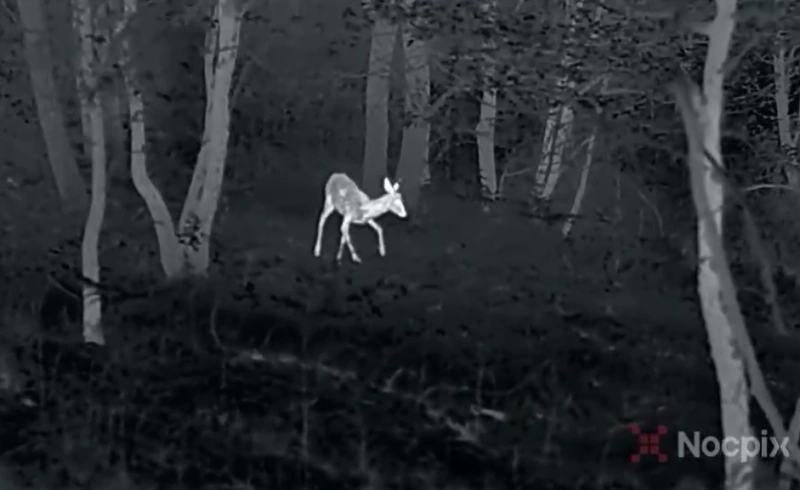
UK Deer Stalking Seasons: Species, Ground and Thermal Optics
2026-09-22An April roebuck stalk on mixed English farmland has little in common with an October red-deer day on a Scottish hill. The species, season and terrain affect how much cover you face, how far you need to scan and how long a deer may stay...
-
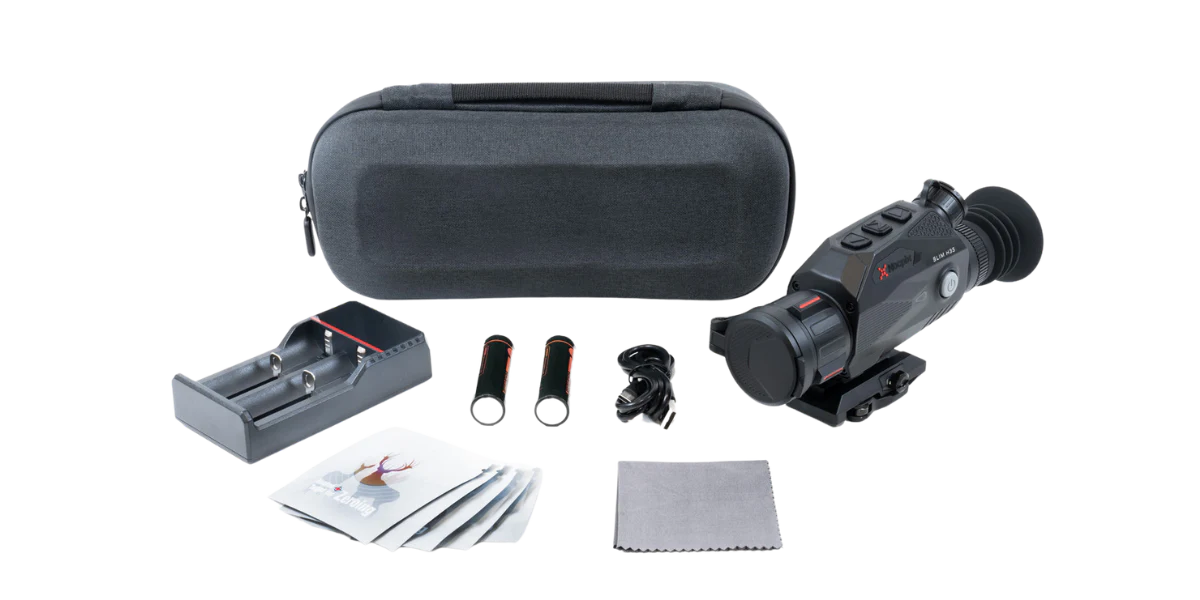
Predator Hunting Gear Checklist for Night Sets
2026-09-05Predator hunting gear should match the ground you are covering and the way you plan to hunt it. A mobile fox set along hedgerows calls for a light scanner and fast access to a caller. A long watch over open farmland puts more weight on ...
-
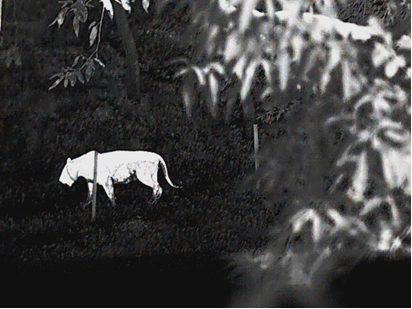
How to Hunt Bobcats at Night: Tracks, Calls, and Thermal Scanning
2026-09-06Successful bobcat hunting at night starts well before you turn on a caller. Fresh tracks and other sign help you choose the area. A clear view of the cover edge gives you a chance to spot movement. Calls may bring a cat into view, while...