








-
Predator Hunting at Night: Behavior, Identification, and Thermal Observation
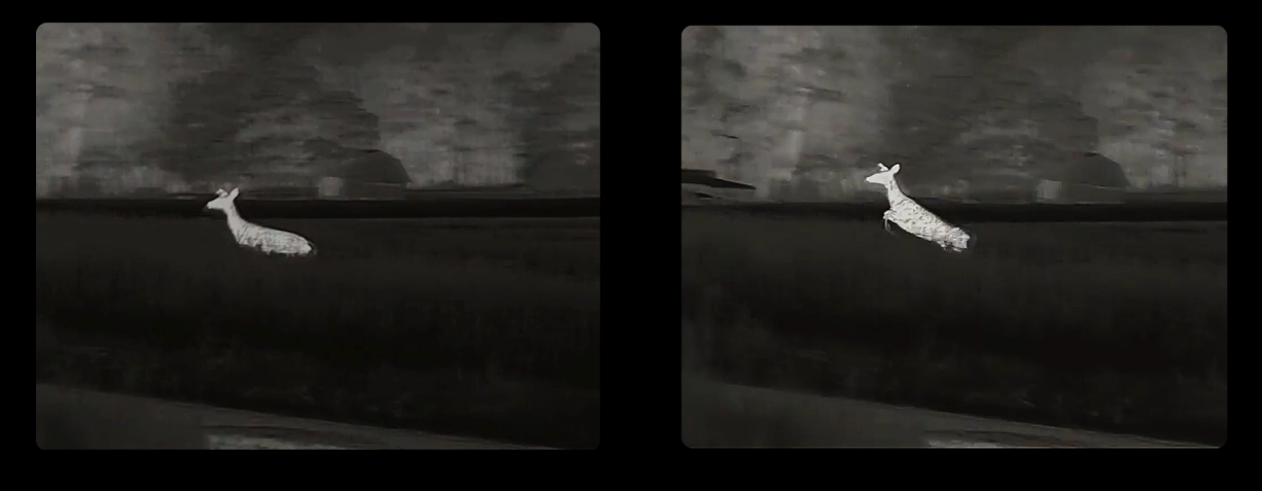
2026-09-03Predator hunting at night is not one uniform activity across Europe. The animals present, the evidence available for identification, and the rules that apply vary by location. A thermal view can reveal an animal’s heat pattern in darkne...
-
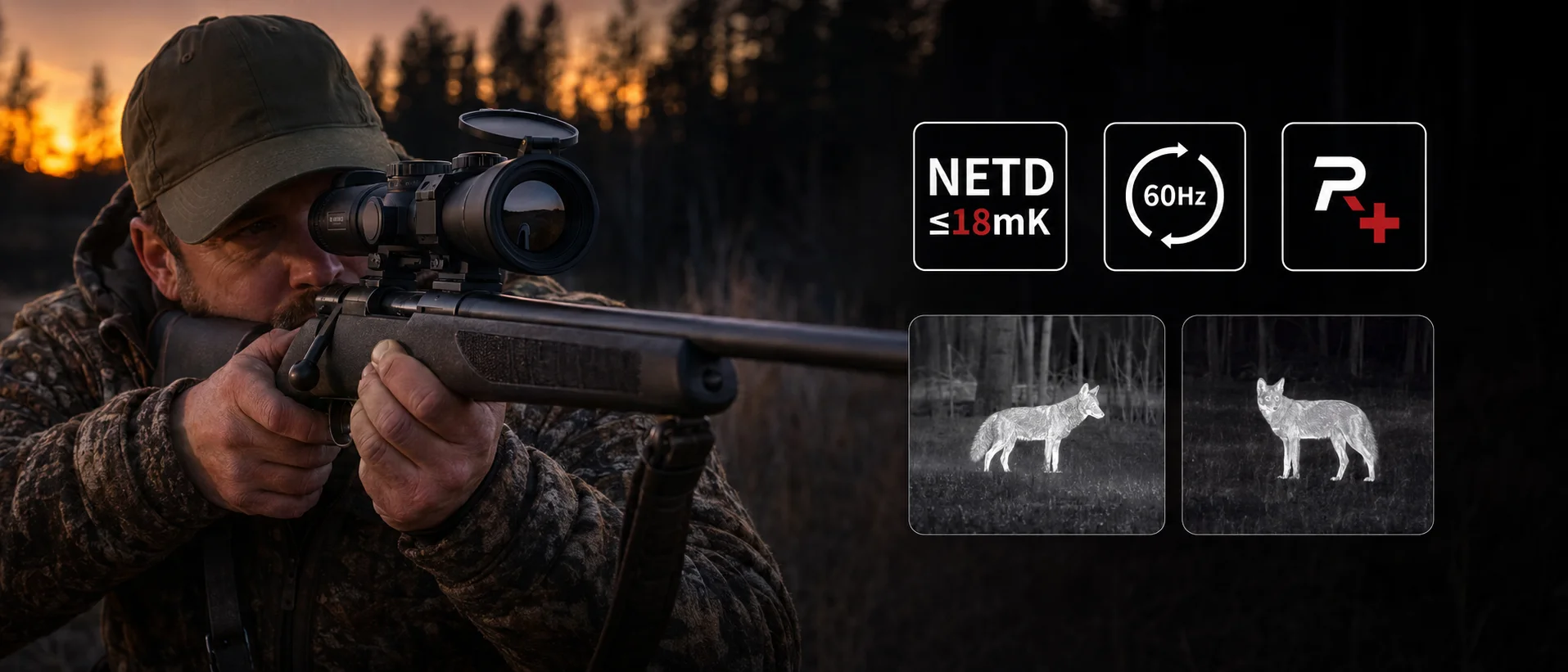
How to Hunt Fox at Night: Calling, Wind, and Thermal Scanning
2026-09-02A fox slips through a hedge gap just after the caller goes quiet. It is close and already angling toward the lower end of the field. If your thermal is zoomed into the far boundary, the chance may be gone before you identify it. A so...
-
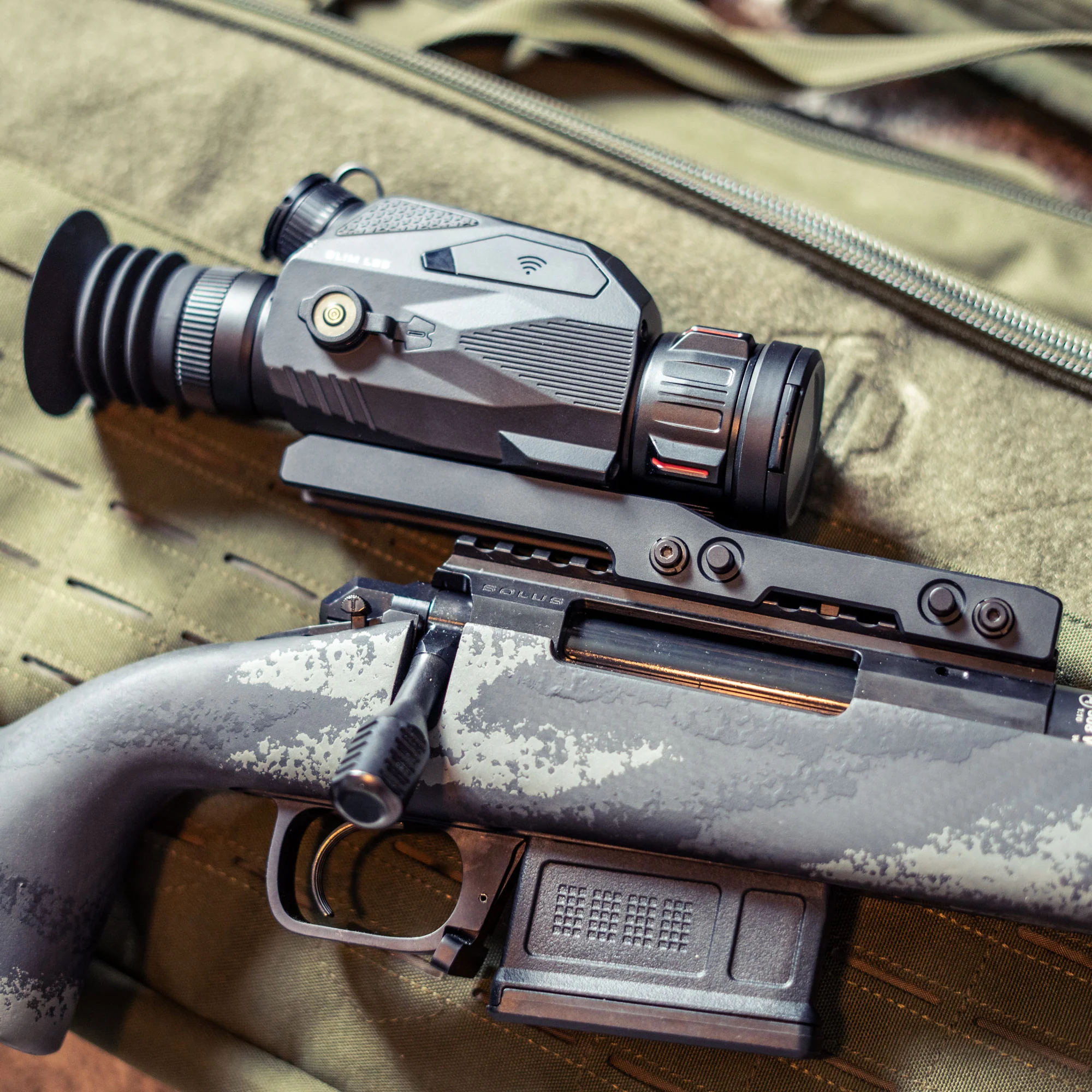
Thermal Scope for Blaser R8 Hunting: Mounts, Setup, and Legal Notes
2026-08-10Yes — a thermal scope for Blaser R8 hunting works, and the rifle is better suited to it than most. The R8 has no Picatinny rail. Instead, its saddle mount clamps the optic directly to the barrel. Take the scope off, put it back on, and ...
-
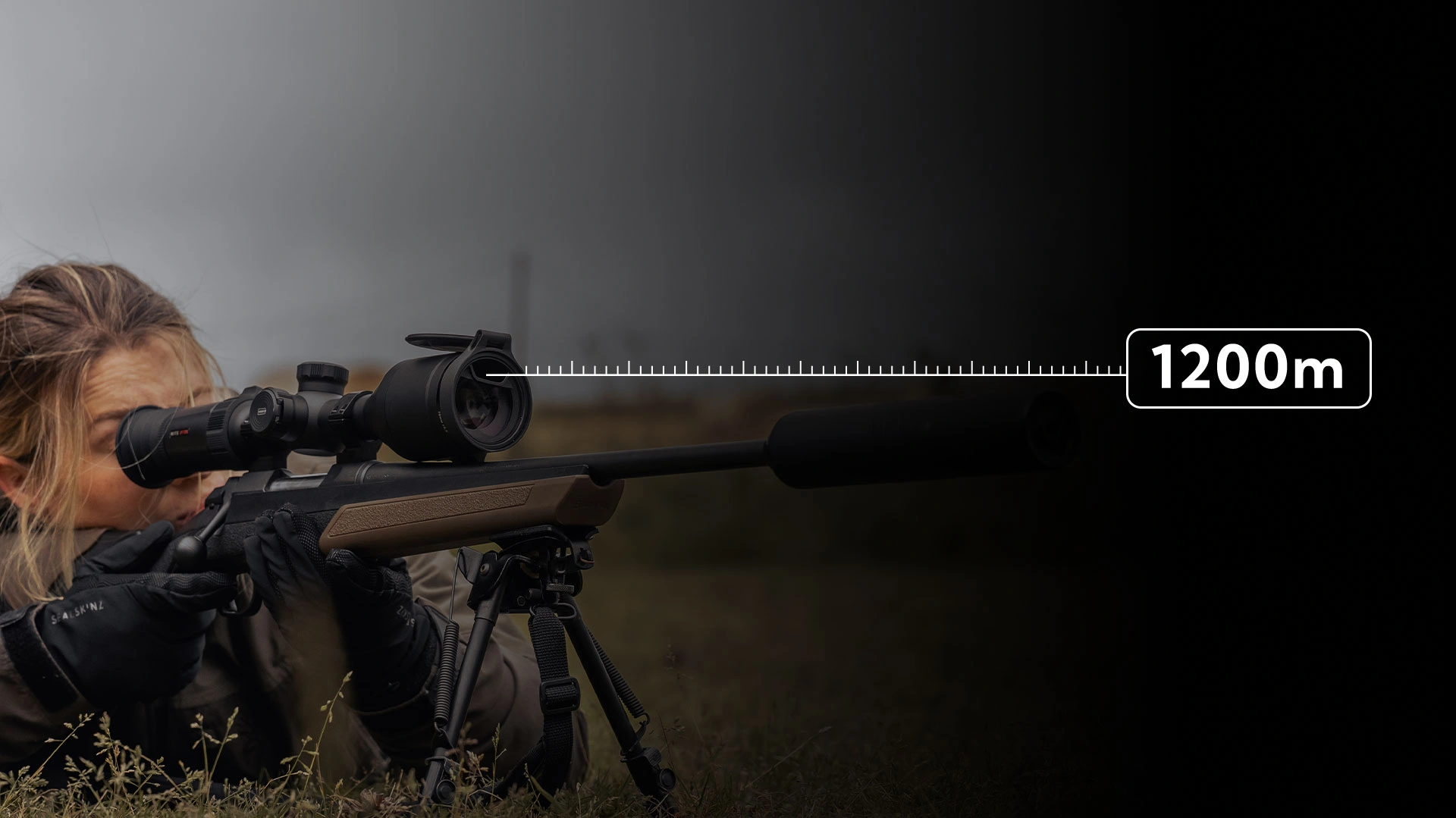
LRF Thermal Scope Guide: How Does It Work, and Do You Need One?
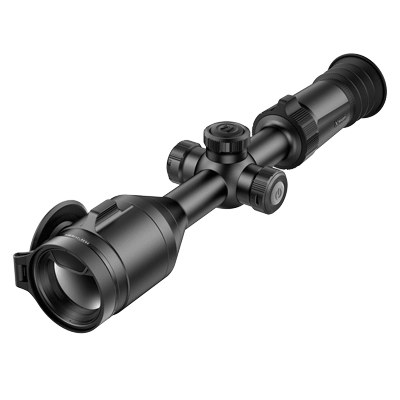
2026-08-03An LRF thermal scope combines thermal imaging with a laser rangefinder. Press the range button, and the scope measures the line-of-sight distance to an object. If the scope also has a ballistic calculator, it can use that range and your...
-
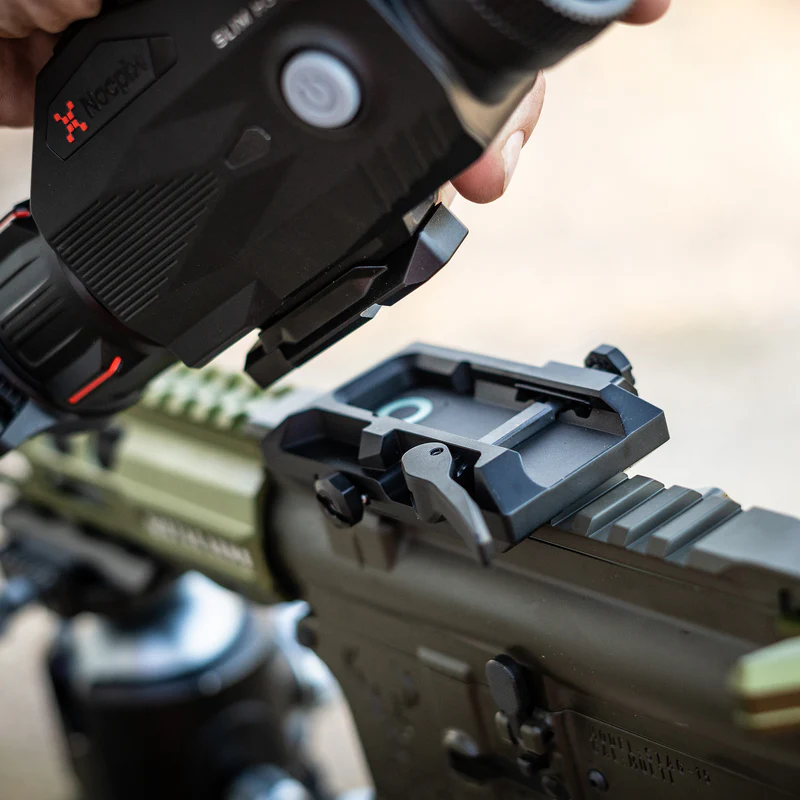
What Is the Best Caliber to Put a Thermal Scope On?
2026-08-03For many predator hunters, .223 Remington is the best starting caliber to put a thermal scope on. It offers low recoil, widely available factory loads, light hunting-rifle platforms, and useful performance at the distances where many hu...
-
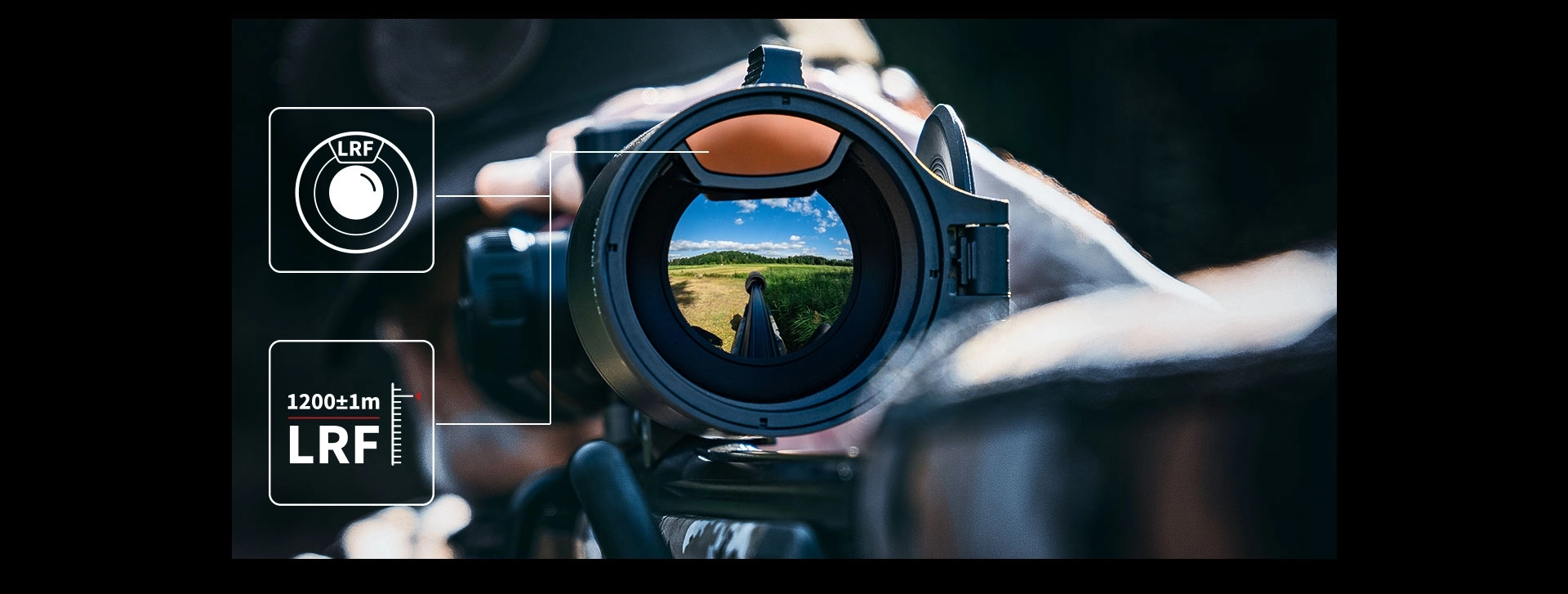
Best Long-Range Thermal Scope: Rangefinder, Sensor, Lens, and Real Hunting Distance
2026-07-27The best long-range thermal scope is the one that gives you enough detail to recognize a target at the distance you actually hunt. The largest detection number on a product page does not answer that question. Start with your terrain ...
-
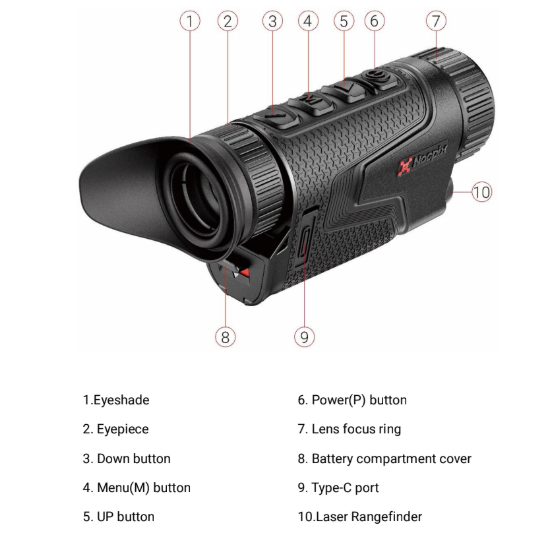
How to Set Up a Nocpix Lumi Thermal Monocular for Beginners
2026-07-27A first-time LUMI setup should do one thing: give you a clear, stable image without making you learn every menu in the device. This guide covers the LUMI H35, L35, L19, and P13, plus the H35R and L35R rangefinding models. It focuses on ...
-
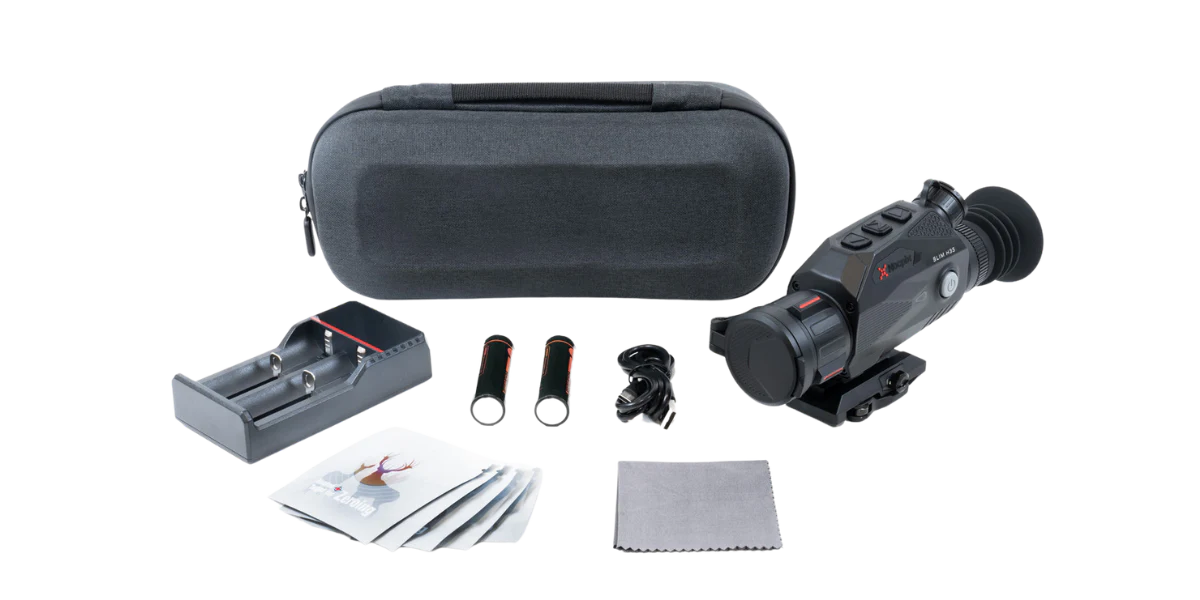
Essential Thermal Scope Accessories to Upgrade Your Thermal Scope Performance
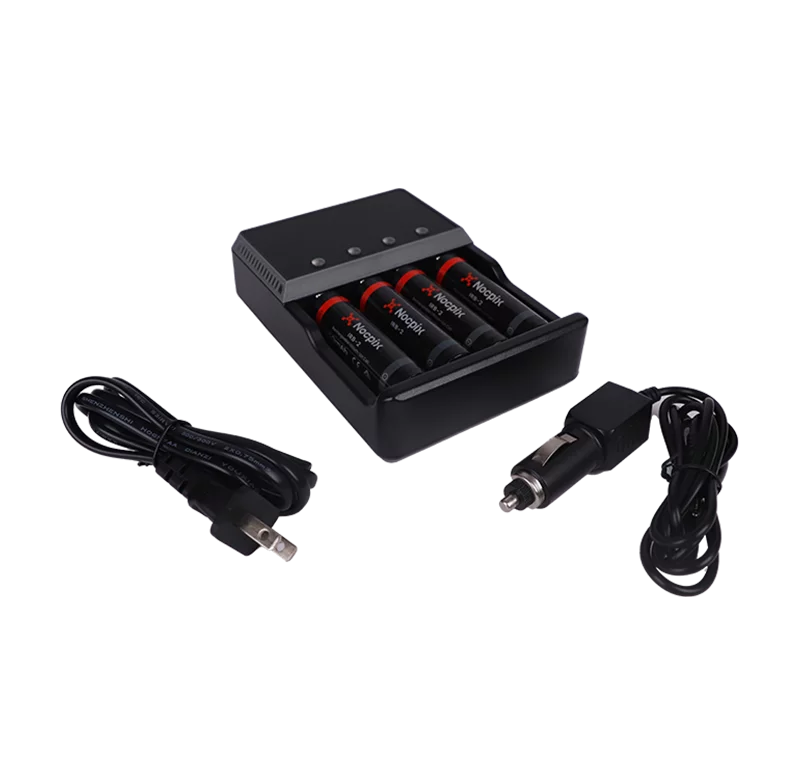
2026-06-29A thermal scope can show heat in the dark, but the scope alone does not make a complete field setup. Batteries die. Mounts shift. Lenses get wet or dusty. Cables snag. A setup that felt fine at home can feel clumsy once the hunt gets lo...
-
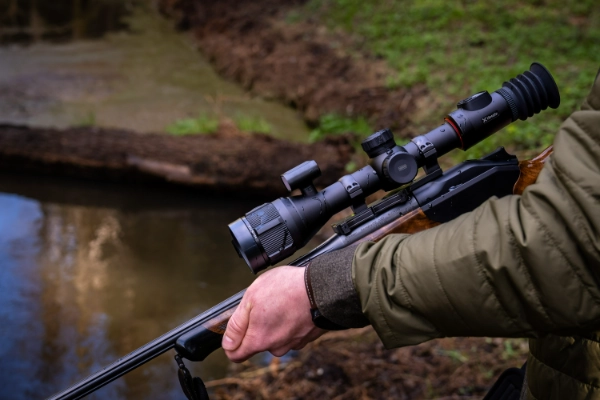
Thermal Scope Mounts: What to Check Before Buying
2026-06-29Choosing thermal scope mounts is mostly a compatibility job. The mount has to fit the rifle, match the optic, place the display where your eye can use it, and stay stable after recoil, transport, and field handling. That sounds simpl...