








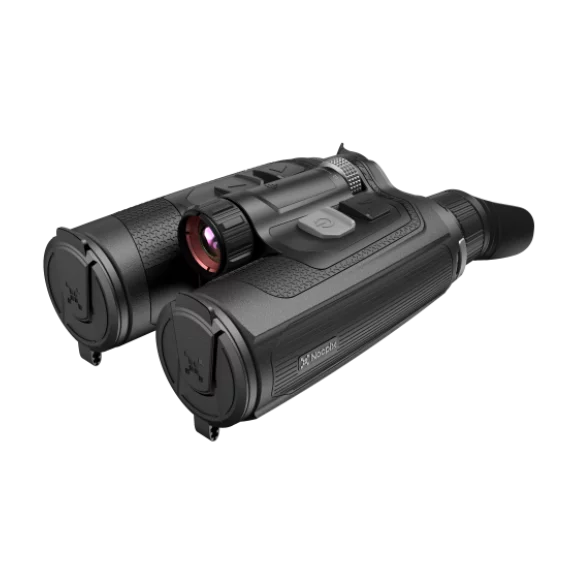
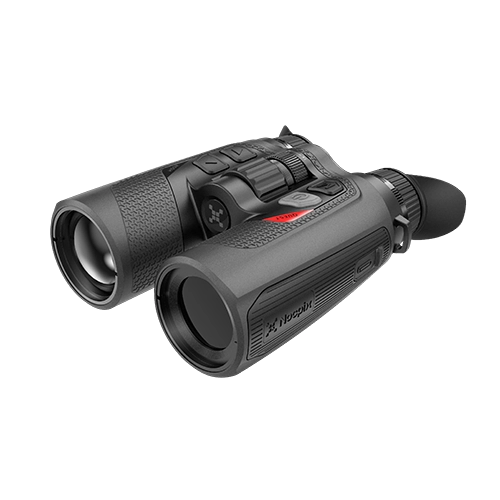
Thermal and Multispectral Binoculars for All-Day Observation
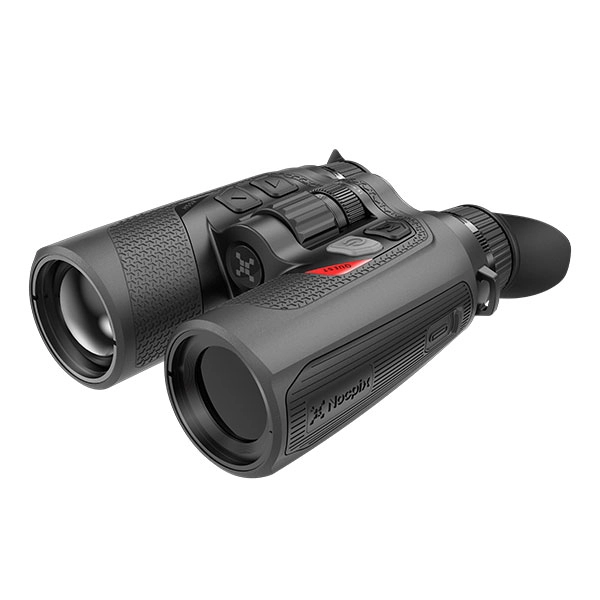
Nocpix binoculars bring two complementary imaging technologies into a comfortable two-eye viewing format. QUEST thermal binoculars focus on heat-based detection, while OMNI multispectral binoculars combine high-resolution digital imaging with thermal imaging in one device.
Thermal binoculars are designed to detect temperature differences during the day or in complete darkness. Multispectral binoculars add a digital channel, giving users natural visual detail in daylight and low light alongside the detection capabilities of thermal imaging.
The right choice depends on whether you need a dedicated thermal system or the flexibility of thermal and night vision binoculars in a single device.
Thermal Imaging Binoculars
Thermal binoculars detect infrared energy emitted by people, animals and objects. Instead of relying on reflected visible light, they convert temperature differences into a thermal image. This allows warm subjects to stand out against cooler surroundings, even when natural light is unavailable.
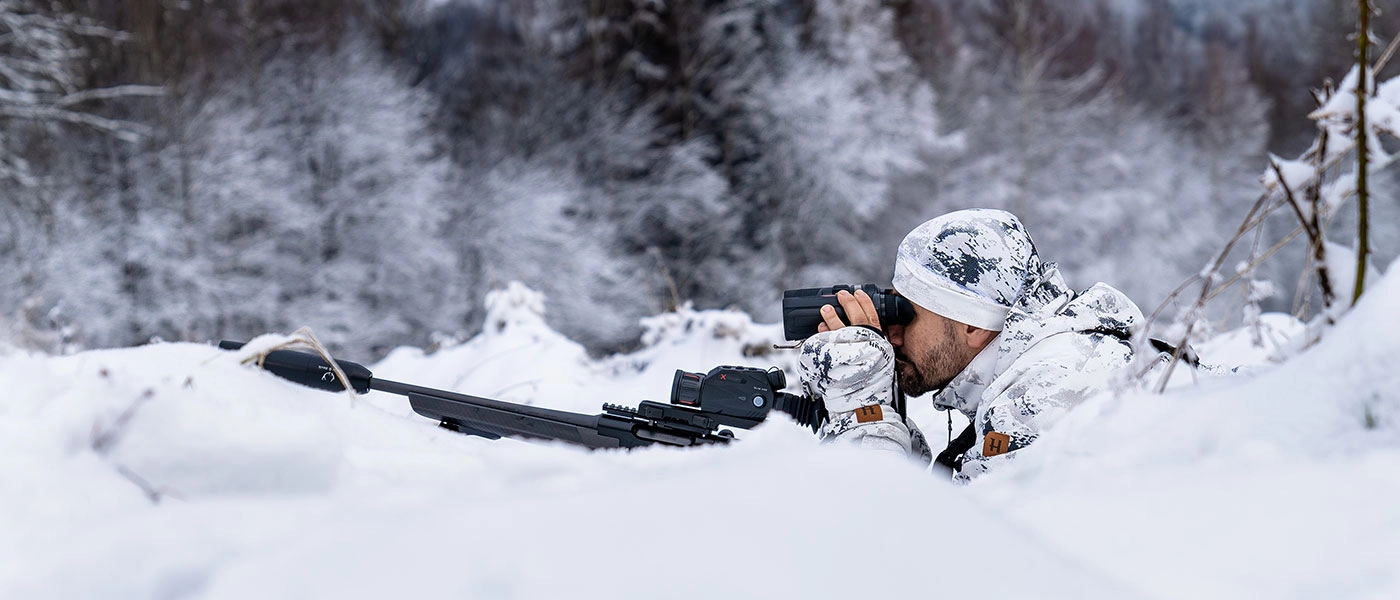
Because thermal imaging works independently of visible light, thermal binoculars can be used during the day and at night. They are particularly useful for scanning open fields, woodland edges and other environments where animals may blend into the visual background.
Weather and terrain still affect performance. Heavy rain, dense fog, high humidity and warm surroundings can reduce thermal contrast and detection range. Thermal binoculars can reveal exposed heat signatures through gaps in light vegetation, but they cannot see through dense cover, glass or solid objects.
The Nocpix QUEST Series is designed for users who prioritize dedicated thermal detection, comfortable extended observation and a choice of thermal sensor and lens configurations.
Multispectral Binoculars
Multispectral binoculars combine separate thermal and digital imaging channels in one device. The thermal channel highlights temperature differences for faster detection, while the digital channel provides more natural shape, color and environmental detail.
The Nocpix OMNI Series combines an 8K digital sensor with a sensitive thermal imaging system. Users can switch between the digital and thermal channels as light and observation conditions change.
During daylight and twilight, the digital channel helps preserve fine visual details. In complete darkness, the digital channel can work with detachable infrared illumination, while the thermal channel continues detecting heat without requiring an IR light.
This makes OMNI suitable for users who want thermal and night vision binoculars in one system rather than carrying separate digital and thermal devices.
Thermal vs. Multispectral Binoculars
Choose thermal binoculars if your main priorities are:
- Fast heat-signature detection
- Scanning in complete darkness
- A dedicated thermal viewing system
- A simpler choice based on thermal sensor, lens and detection range
- Comfortable two-eye observation during longer scanning sessions
Choose multispectral binoculars if you need:
- Thermal detection and digital visual detail in one device
- Observation during daylight, twilight and darkness
- Digital detail for visual confirmation after thermal detection
- The ability to switch imaging channels as conditions change
- Integrated infrared illumination for digital viewing in darkness
For a broader comparison of the available technologies, see our guide to the best binoculars for night hunting.
Key Features to Compare
Several specifications affect how thermal and multispectral binoculars perform in real conditions.
Thermal Sensor Resolution
A higher-resolution thermal sensor captures more image information. A 640×512 sensor will generally preserve more detail than a 384×288 sensor, especially when digital zoom is applied. Resolution should still be considered together with lens size, base magnification and field of view.
Thermal Sensitivity
NETD describes how well a thermal sensor distinguishes small temperature differences. A lower NETD value can produce clearer separation between a subject and its surroundings in humid, rainy or low-contrast conditions.
Digital Imaging Performance
For multispectral binoculars, digital sensor resolution, lens aperture and low-light processing affect how much visible detail the digital channel can retain. Infrared illumination becomes important when the digital channel is used in complete darkness.
Field of View and Magnification
A wider field of view makes it easier to scan large areas and follow moving subjects. Higher base magnification can provide more detail at distance but gives the user a narrower starting view. The best balance depends on terrain and typical observation distance.
Detection and Identification Range
Detection range describes how far a device may register the presence of a heat source. It does not necessarily mean that the user can identify the species or confirm fine details at the same distance. Target size, weather, background temperature and lens configuration all affect useful range.
Laser Ranging and Image Stabilization
An integrated laser rangefinder provides distance information without requiring a separate device. Image stabilization can help reduce visible hand movement during handheld observation, particularly when higher magnification is used.
Viewing Comfort and Power
Display quality, exit pupil, diopter adjustment, control layout, weight and battery design all affect comfort during longer sessions. Replaceable batteries can also make it easier to extend operating time in the field.
Which Nocpix Binoculars Should You Choose?
Choose the QUEST Series when dedicated thermal performance is the priority. Different sensor and lens options allow users to balance image detail, field of view, magnification and detection range.
Choose the OMNI Series when you need both heat-based detection and high-resolution digital observation. Its multispectral design is better suited to users who regularly move between daylight, twilight, low light and complete darkness.
If portability matters more than two-eye viewing, compare these devices with handheld thermal monoculars in our monocular vs. binocular guide.
Frequently Asked Questions
What is the difference between thermal, night vision and multispectral binoculars?
Thermal binoculars detect temperature differences and do not require visible light. Digital night vision uses a digital sensor and may require infrared illumination in complete darkness. Multispectral binoculars combine thermal and digital imaging channels in one device, providing both heat-based detection and visual scene detail.
How do multispectral binoculars work?
Multispectral binoculars contain separate thermal and digital imaging systems. The thermal channel highlights temperature differences, while the digital channel captures visual detail from the surrounding scene. Nocpix OMNI binoculars allow users to switch between these channels according to the light and observation conditions.
Do multispectral binoculars need an IR illuminator at night?
The thermal channel does not need infrared illumination because it detects emitted heat. The digital channel may require an IR illuminator in complete darkness. OMNI provides detachable 850 nm and 940 nm IR options for different digital night observation needs.
Do thermal binoculars work in daylight?
Yes. Thermal binoculars detect heat rather than visible light, so they can be used during the day and at night. Image quality and detection performance depend on the temperature difference between the subject and the background.
What is the difference between 384×288 and 640×512 thermal resolution?
A 640×512 sensor captures more thermal image data than a 384×288 sensor. It generally provides clearer outlines and retains more detail when digital zoom is used. However, lens size, base magnification, field of view and thermal sensitivity also influence the final image.
Thermal binoculars vs. a thermal monocular: which should I choose?
Choose thermal binoculars when comfortable two-eye viewing and longer observation sessions are priorities. Choose a thermal monocular when compact size, lower weight and one-handed portability are more important.
Can thermal binoculars see through fog, rain, vegetation, glass or walls?
Thermal binoculars cannot see through solid walls or ordinary glass. They may detect exposed heat signatures through gaps in light vegetation, but they do not see through dense cover. Fog, rain, humidity and similar background temperatures can also reduce thermal contrast and effective detection range.