






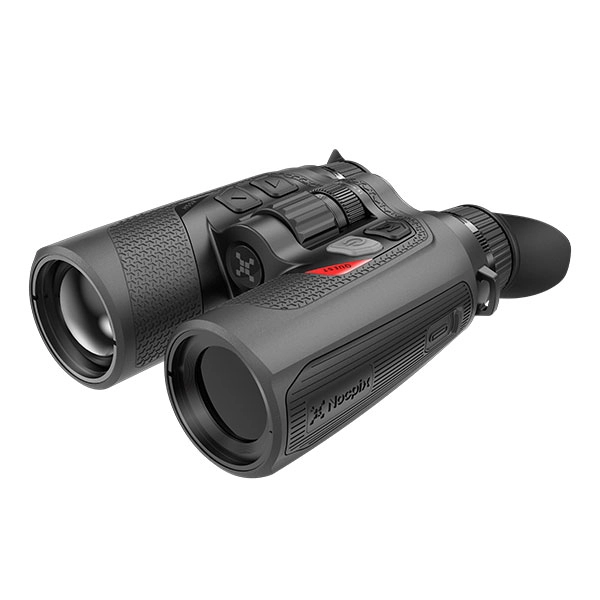
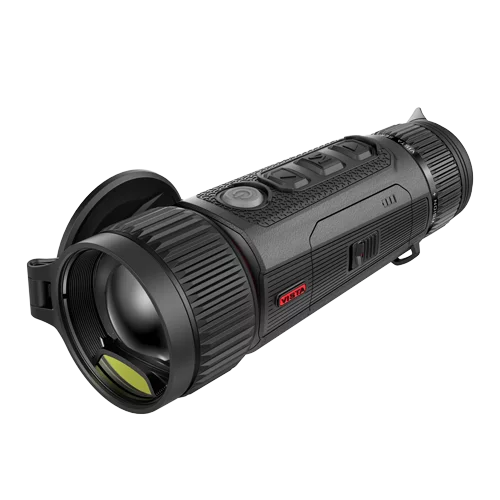
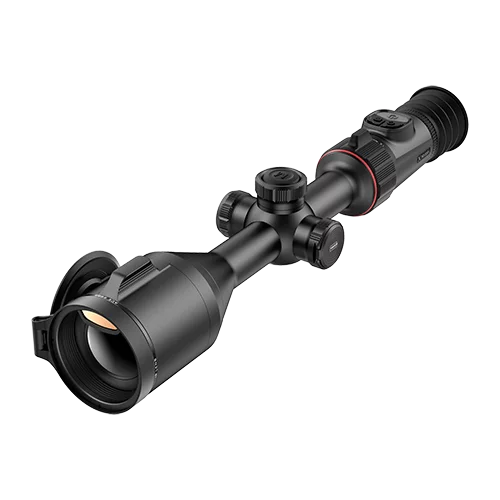
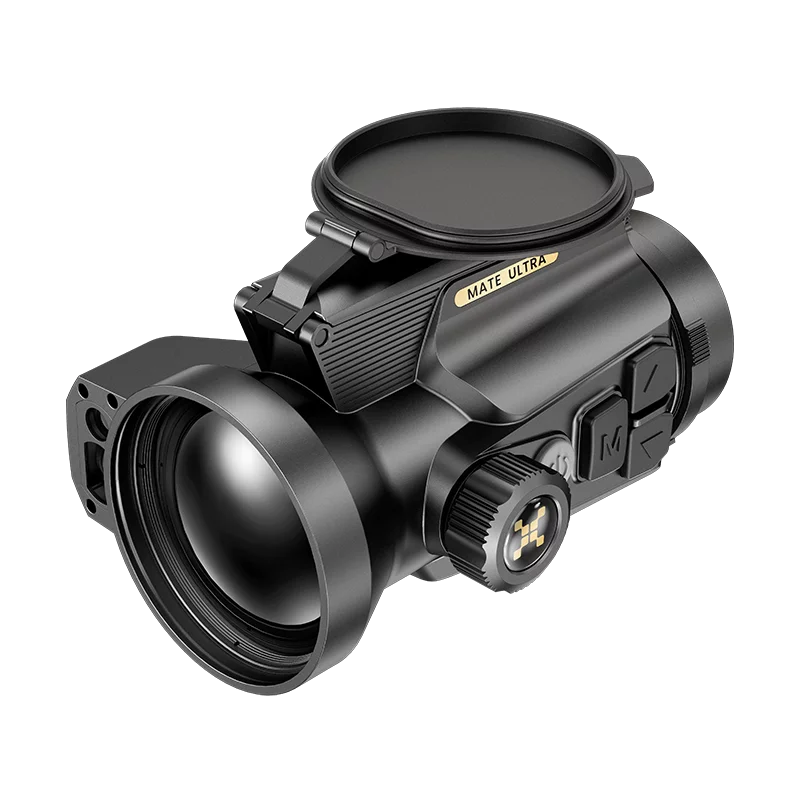


Buying a first thermal scope can be confusing because two products at very different prices may appear to promise the same thing: detecting heat in darkness. The meaningful differences usually appear after detection — in how much detail remains visible, how the image holds up under magnification, how easily the user can identify what is being observed, and how well the scope fits a specific rifle and environment.
Quick Answer
A beginner should not choose a thermal scope by price alone. Lower price tiers usually trade sensor resolution, lens size, thermal sensitivity, display quality, or integrated features for affordability. Higher price tiers can preserve more detail and add useful capabilities, but those upgrades matter only when they solve a real limitation in the user’s terrain, identification needs, magnification requirements, or operating conditions.
Price should follow the limitation the user needs to solve, not the highest specification available.
The price bands in this guide are educational reference ranges in U.S. dollars, not universal retail quotes. Currency, taxes, import costs, promotions, product availability, warranty terms, and model lineups vary by market. Check the relevant Nocpix regional website or an authorized local distributor before purchasing.
Thermal Scope Price Tiers at a Glance
| Reference price tier | What a beginner may commonly find | Main trade-offs to examine |
| Under $2,000 | Entry-level 256×192 or 384×288 configurations, smaller objective lenses, essential controls, and selected recording, ranging, or connectivity features | Less detail under digital magnification, greater dependence on suitable base magnification and field of view, and fewer premium viewing or processing features |
| $2,000–$3,500 | Stronger 384-class options and some 640-class configurations, improved sensitivity, larger lenses, better displays, and more integrated features | Product differences become more important than price alone; compare lens, base magnification, NETD, display, LRF, battery design, and mounting |
| $3,500–$5,500 | Higher-performance 640×512 configurations, stronger thermal sensitivity, improved image processing, advanced displays, and more complete ranging or ballistic features | The benefit depends on whether the user needs more identification detail, better performance in difficult thermal conditions, or greater detail retention under magnification |
| $5,500 and above | Premium 640-class and 1280×1024 configurations, larger lenses, advanced viewing systems, integrated LRF, and designs intended for demanding observation | Higher cost may deliver meaningful capability, but only when the user can use the additional resolution, lens performance, magnification, or integrated features |
These bands describe common market patterns, not fixed rules. A well-matched lower-priced scope can be more useful than a premium scope with unsuitable base magnification, field of view, weight, or handling.
What “Best for the Money” Actually Means
The best-value thermal scope is not automatically the least expensive option or the model with the largest specification numbers. Value means that the scope solves the user’s most important limitation without adding unnecessary cost or creating a new usability problem.
For one user, value may mean a wider field of view for closer, faster-moving targets. For another, it may mean retaining more detail when magnification increases. Someone operating in difficult weather may place more value on thermal sensitivity and image processing. Another user may value an integrated laser rangefinder because distance uncertainty affects planning and decision-making.
A useful value assessment therefore begins with five questions:
- What target sizes and environments will the user observe?
- Is a wider field of view or more base magnification more important?
- How much identification detail is required?
- Does the user need integrated ranging or ballistic support?
- Which limitation in the current setup is worth paying to remove?
What to Expect Below $2,000
The entry tier commonly includes 256×192 and 384×288 thermal sensors with smaller objective lenses. These scopes can provide a practical introduction to thermal observation and may be appropriate when affordability, straightforward operation, and closer-range use are the main priorities.
The most important checks in this tier are not limited to sensor resolution. Base magnification and field of view can determine whether the image fits the intended terrain. A higher base magnification may help with smaller or more distant objects, but it also narrows the field of view. A wider field of view can make scanning and following movement easier, especially in tighter terrain.
Digital zoom should also be interpreted carefully. Digital zoom enlarges the displayed image but does not create new sensor detail. Lower-resolution sensors can therefore show pixelation sooner as magnification increases.
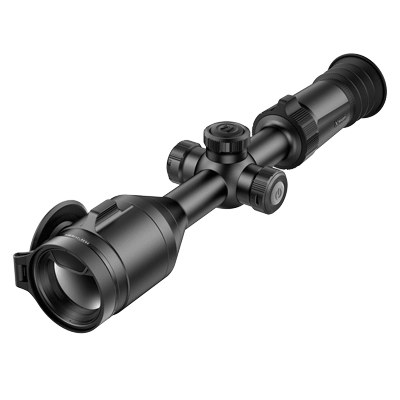
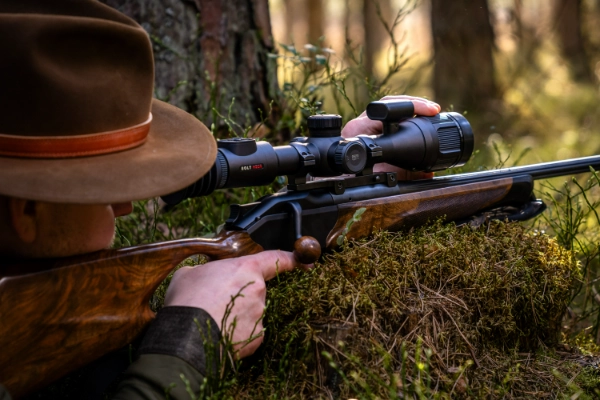
The Nocpix BOLT family is a relevant starting point for comparison. The family includes different sensor and lens configurations and combines a traditional riflescope-style design with integrated ranging and ballistic features. Buyers should compare the specific BOLT configuration available in their market rather than treating the entire family as one specification or one price.
What to Expect From $2,000 to $3,500
This tier may include stronger 384-class products and selected 640-class configurations. Improvements may appear in sensor detail, lens size, thermal sensitivity, display quality, refresh rate, image processing, construction, and integrated functions such as an LRF.
This is also the point where specification combinations matter more than a single headline number. A 640×512 sensor can retain more detail than a lower-resolution sensor, but the final viewing experience still depends on the lens, base magnification, display, image processing, environmental conditions, and how much digital magnification is used.
An integrated laser rangefinder can be valuable when distance uncertainty affects observation or planning. Its value depends on the terrain, target distance, the user’s setup, and whether reliable distance information is already available. A fixed yardage threshold should not be used to decide whether every user needs an LRF.
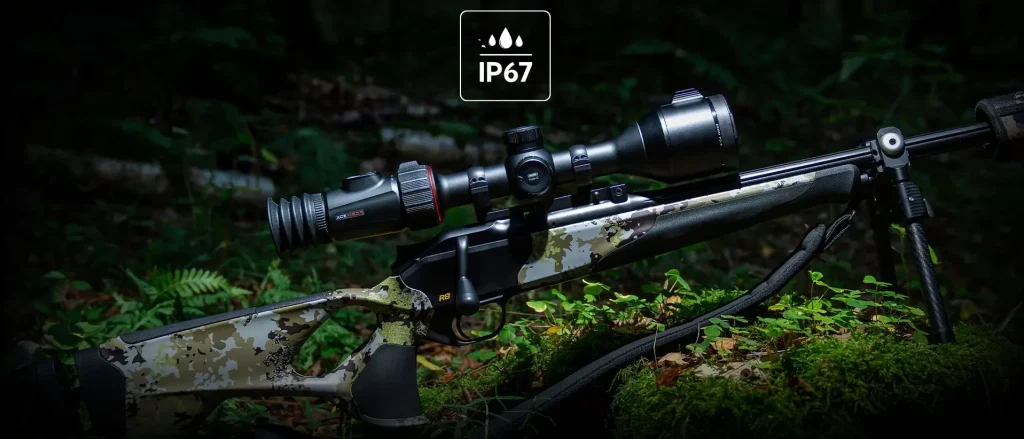
Depending on regional availability, buyers in this range may compare higher BOLT configurations with selected models in the Nocpix ACE family. The comparison should focus on actual capability and use rather than assuming that one family always occupies one global price band.
What to Expect From $3,500 to $5,500
This range commonly introduces more complete 640×512 systems, stronger thermal sensitivity, more advanced displays, improved image processing, larger objective lenses, and integrated ranging or ballistic tools.
The benefit of a 640-class system is not a guaranteed distance. Its practical advantage is that more sensor detail may remain available when the user needs to distinguish shape and movement or separate the target from its background or when magnification is increased. Thermal sensitivity and processing can also matter when the temperature difference between the target and background is limited.
The Nocpix ACE family is designed for users who want a more integrated thermal riflescope system. Current global ACE configurations include higher-resolution sensor options, advanced viewing systems, Reality+ processing, and integrated LRF options. These capabilities should be evaluated against the intended terrain, field of view, base magnification, handling, and local product configuration.
Paying more in this tier makes sense when the improvement addresses a problem the user already expects to encounter. It is less useful when the additional capability does not change the intended use.
What to Expect at $5,500 and Above
Premium thermal scopes may offer 1280×1024 sensors, larger objective lenses, advanced display systems, stronger thermal sensitivity, and designs intended to retain more detail under magnification and in demanding observation conditions.
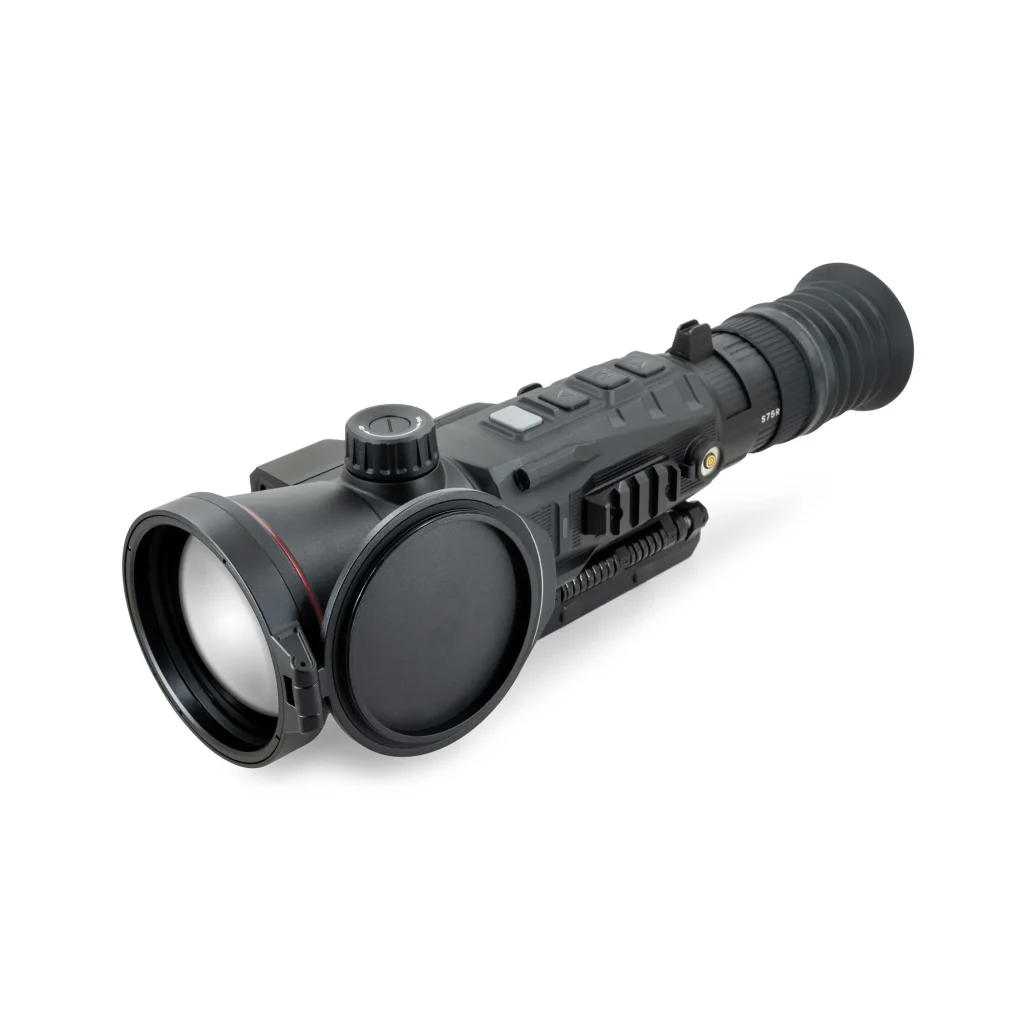
The Nocpix RICO 2 family includes 640-class and 1280-class configurations, different objective lens options, and an integrated LRF. These features make the family relevant for users comparing premium thermal riflescopes, but they do not guarantee a universal identification or shooting distance.
Premium capability is most defensible when the user has a clear requirement for additional detail, a particular field of view or base magnification, stronger environmental performance, or an integrated feature that will be used regularly. If those requirements are absent, the additional cost may provide limited practical value.
The Specifications That Matter Most
Sensor Resolution
Resolution affects how much thermal information the sensor captures. A 384×288 sensor can be a practical choice when affordability, field of view, and closer-range use are priorities. A 640×512 or 1280×1024 sensor can preserve more detail and support more digital magnification before the image degrades noticeably.
Resolution alone does not determine a fixed identification distance. Lens focal length, base magnification, NETD, target size, weather, background temperature, display quality, and the user’s identification standard all affect usable detail.
Objective Lens and Base Magnification
The objective lens and base magnification shape how the scope sees the environment. Longer focal lengths and higher base magnification may provide a more detailed view of a smaller area, while shorter focal lengths and lower base magnification generally provide a wider field of view.
The correct choice depends on terrain and target behavior. Open terrain and smaller targets may favor more magnification. Dense vegetation, closer observation, and fast movement may favor a wider field of view.
Thermal Sensitivity
NETD describes how small a temperature difference the sensor system can distinguish under specified conditions. A lower NETD value can help reveal subtle thermal differences, especially when the target and background are close in temperature.
NETD should not be evaluated alone. Lens transmission, processing, display quality, calibration, weather, humidity, and scene conditions also influence the visible result.
Display and Image Processing
The display and processing system determine how captured thermal information is presented to the user. Good processing can improve contrast, reduce distracting noise, and make edges easier to interpret. It cannot create physical sensor detail that was never captured, so it should complement rather than replace suitable sensor and lens selection.
Laser Rangefinder and Ballistic Features
An integrated LRF provides distance information without requiring a separate device. Ballistic functions may help organize aiming information when correctly configured. These features are valuable only when the user needs them and understands how to set them up.
The presence of an LRF does not make every scope more suitable for every buyer. Users should compare ranging capability, interface, mounting, local regulations, and their actual operating process.
Battery, Mounting, and Support
Runtime matters, but published battery life can vary by model, temperature, display brightness, recording, wireless functions, battery condition, and user behavior. Compare the exact product specification and battery configuration rather than applying one runtime figure to an entire series.
Mounting security, eye relief, control layout, firmware support, warranty terms, and access to authorized service can be as important as the sensor specification. These factors should be checked for the exact product and region.
Which Nocpix Family Should a Beginner Compare?
| Buyer situation | What to prioritize | Nocpix family to compare |
| First thermal scope or tighter budget | Suitable base magnification, usable field of view, straightforward controls, and the features the user will actually use | BOLT family |
| Mixed terrain or a need for more identification detail | Higher sensor resolution, stronger thermal sensitivity, display quality, battery design, and integrated ranging when needed | Higher BOLT configurations or ACE family |
| Greater detail retention under magnification or more demanding observation | Higher-resolution sensors, larger objective lenses, suitable base magnification, and a stable viewing system | RICO 2 or upper ACE configurations |
These recommendations identify product families to compare. They are not universal price placements, performance guarantees, or fixed-distance claims. Regional availability and configurations may differ.
When Is It Worth Moving Up a Price Tier?
Move up only when the current tier cannot meet an identified requirement. A higher tier may be justified when the user needs:
- more sensor detail for identification;
- better detail retention under magnification;
- a different balance of base magnification and field of view;
- stronger thermal sensitivity in difficult conditions;
- a larger or faster objective lens;
- a more advanced display or viewing system;
- integrated ranging or ballistic features;
- a different battery, mounting, or handling design.
Do not upgrade only because a higher specification exists. If the lower tier already provides the required field of view, identification detail, handling, and features, the additional price may not produce a meaningful improvement for that use case.
Common Buying Mistakes
Choosing by Detection Range Alone
Detection means noticing that a thermal object is present. It does not necessarily mean recognizing or identifying it. Published detection figures should not be treated as guaranteed identification or shooting distances.
Choosing Resolution Without Considering Magnification
Resolution is important, but the usefulness of that resolution depends on the lens, base magnification, field of view, display, processing, and how the scope will be used.
Paying for Features That Will Not Be Used
Integrated ranging, ballistic tools, recording, wireless connectivity, and advanced displays can be valuable. They add less value when they are not part of the user’s actual process.
Ignoring Regional Availability and Support
A product shown on a global website may not be available in every market. Model names, configurations, prices, warranty terms, and authorized service channels may differ. Confirm local information before purchasing.
Assuming the Most Expensive Scope Is Automatically the Best Fit
A premium scope may have stronger specifications but still be poorly matched to a user who needs a wider field of view, lower base magnification, lighter weight, simpler controls, or a lower total system cost.
Beginner Purchase Checklist
Before comparing models, write down:
- approximate budget;
- target size and observation purpose;
- typical terrain;
- expected weather and temperature conditions;
- preferred base magnification;
- required field of view;
- required level of identification detail;
- whether an integrated LRF is needed;
- battery and mounting preferences;
- local legal requirements;
- local product availability, warranty, and service support.
This list makes it easier to compare products on relevant capabilities instead of reacting to the largest specification number.
Final Recommendation
For a first thermal scope, begin with the limitation you need to solve.
Compare the BOLT family when budget, straightforward operation, and core ranging or ballistic features are the priorities. Compare the ACE family when you need more image detail, a more advanced viewing system, or a broader balance of sensor, lens, and integrated features. Compare the RICO 2 family when retaining detail under magnification and more demanding observation conditions justify the additional cost.
Do not upgrade only because a higher specification exists. Upgrade when the lower tier cannot provide the field of view, base magnification, identification detail, thermal sensitivity, ranging capability, battery design, or operating performance required by your use case.
Prices, product availability, warranty terms, and model configurations vary by region. Confirm current information through the relevant Nocpix regional website or an authorized local distributor.
Frequently Asked Questions
How much should a beginner spend on a thermal scope?
There is no single correct budget. A beginner should first identify the required field of view, base magnification, image detail, thermal sensitivity, ranging features, and local support. The appropriate budget is the lowest tier that meets those requirements without creating a major limitation.
Is a 384×288 thermal scope good enough for a beginner?
A 384×288 scope can be a practical first choice when its lens, base magnification, field of view, controls, and features match the intended use. It should not be assigned a universal identification distance because environmental conditions, target size, optics, display, and user requirements all affect usable detail.
Is a 640×512 thermal scope worth the additional cost?
It may be worth the additional cost when the user needs more captured detail, better detail retention under magnification, or stronger identification capability in demanding scenes. It may offer less practical benefit when a suitable 384-class scope already meets the user’s requirements.
When does a 1280×1024 thermal scope make sense?
A 1280×1024 scope is most relevant when the user can benefit from substantially more sensor detail, works in demanding observation conditions, or needs a premium viewing system. The higher resolution does not by itself guarantee a fixed identification or shooting distance.
Do I need a built-in laser rangefinder?
A built-in LRF is useful when accurate distance information is important, and a separate rangefinder would slow the process. It may be less important when distance is already known or ranging is not part of the intended use. The decision should follow the user’s process rather than a fixed yardage rule.
Which Nocpix thermal scope family should a beginner start with?
The BOLT family is a logical starting point for buyers prioritizing straightforward operation and core features. The ACE family should be compared when more image detail, viewing performance, or integrated capability is required. RICO 2 is relevant when premium resolution, lens options, and detail retention justify the additional cost. Exact models and availability vary by market.