






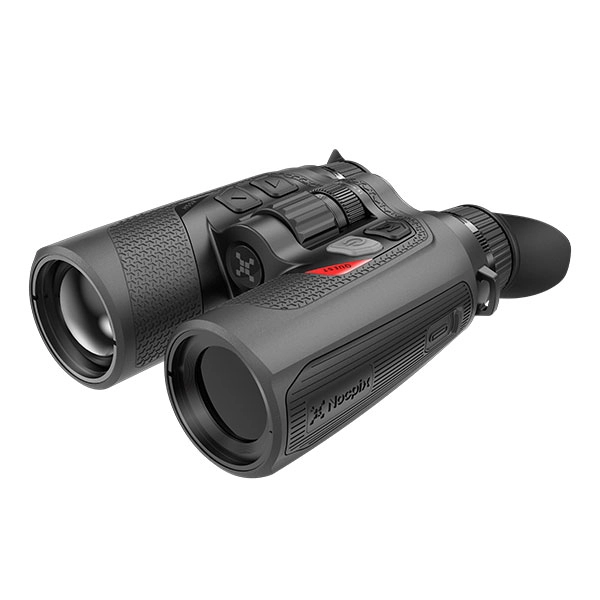
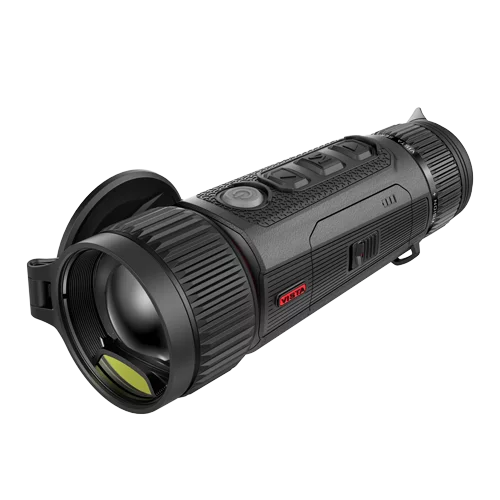
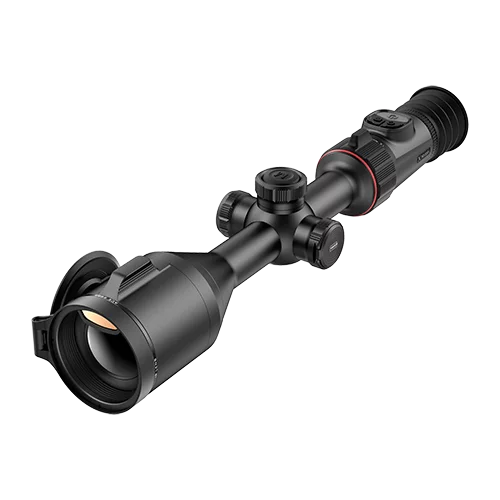
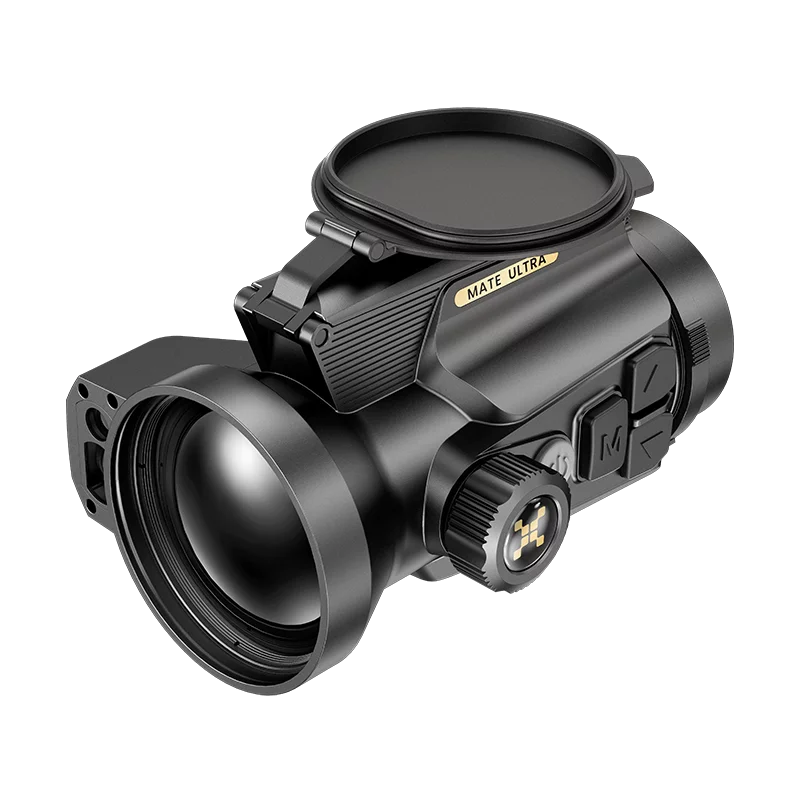


The best budget thermal monocular is not one single model for every hunter. The right pick depends on how far you need to recognize animals, whether you need a laser rangefinder, and how compact the device needs to feel during a long night.
For most hunters shopping on a budget, a 384×288 thermal sensor is the most useful starting target. A 256×192 thermal sensor can work for close-range scanning and learning thermal basics. A 640×512 thermal sensor is the better stretch option when image detail and recognition distance are worth the extra spend.
Below are budget-relevant Nocpix thermal monocular picks by use case, followed by the price tiers and specs that explain each choice.
Quick Picks: Best Budget Thermal Monocular by Use Case
| Use case | Best direction | Nocpix model to compare | Key specs | Why it fits |
|---|---|---|---|---|
| Lowest-cost thermal starter | Close-range learning and property scanning | LUMI P13 | 256×192 thermal sensor, 12μm, NETD ≤20mK, 50Hz, 13mm F0.9 lens, 2-8x | Keeps the setup compact and accessible for short-range heat detection |
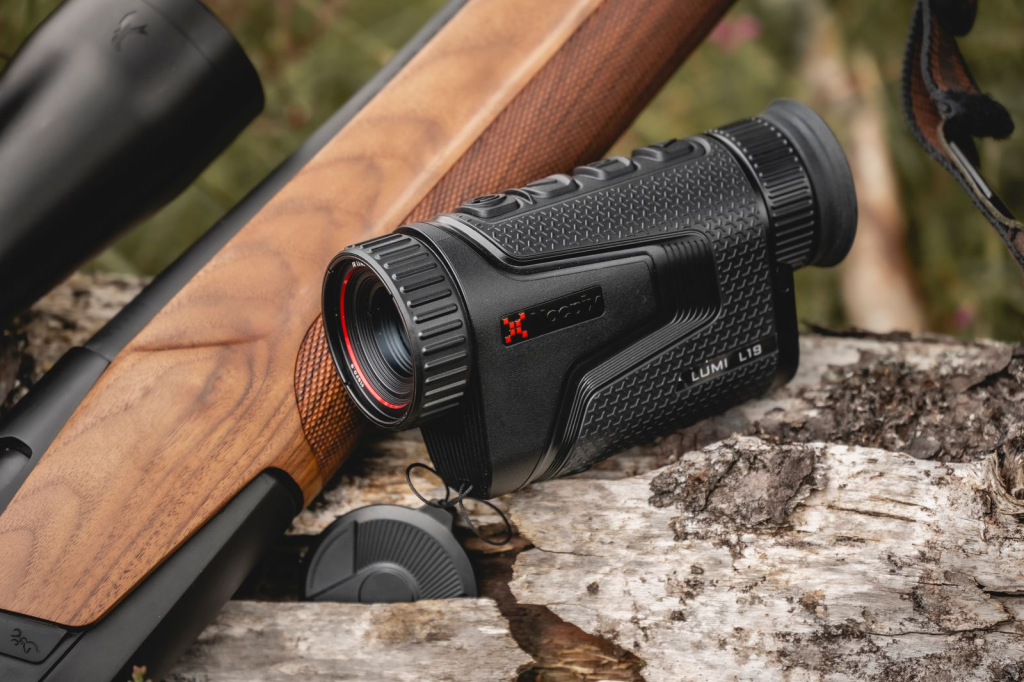
| Compact close-range hunting scanner | Wide scanning in woods, brush, and small fields | LUMI L19 | 384×288 thermal sensor, 12μm, NETD ≤18mK, 50Hz, 19mm F0.9 lens, 13.8°×10.4° FOV, 2-8x | Gives wider viewing with stronger detail than a 256×192 device |
| Best overall budget pick | Mixed terrain and pasture edges | LUMI L35 | 384×288 thermal sensor, 12μm, NETD ≤18mK, 50Hz, 35mm F0.9 lens, 7.5°×5.7° FOV, 4-16x | Balances 384×288 detail with a 35mm lens for more reach |
| Budget pick with LRF | Open fields and partner spotting | LUMI L35R | 384×288 thermal sensor, 12μm, NETD ≤18mK, 50Hz, 35mm F0.9 lens, 800m LRF, 4-16x | Adds rangefinding without moving into a large premium monocular |
| Stretch-budget image detail | Hunters who want more native detail | LUMI H35 or H35R | 640×512 thermal sensor, 12μm, NETD ≤18mK, 50Hz, 35mm F0.9 lens, 2.5-20x; H35R adds 800m LRF | Better detail than 384×288 while staying in a compact handheld line |
| Premium comparison point | Higher-end observation and display comfort | VISTA H35 or H35R | 640×512 thermal sensor, 12μm, NETD ≤15mK, 60Hz, 35mm F0.9 lens, 2560×2560 AMOLED; H35R adds 1200m LRF | Useful if display quality, refresh rate, and sensitivity matter more than the lowest price |
Exact prices vary by country, dealer, taxes, promotions, and model year. Use this list as a shopping framework, then check the current local price before buying.
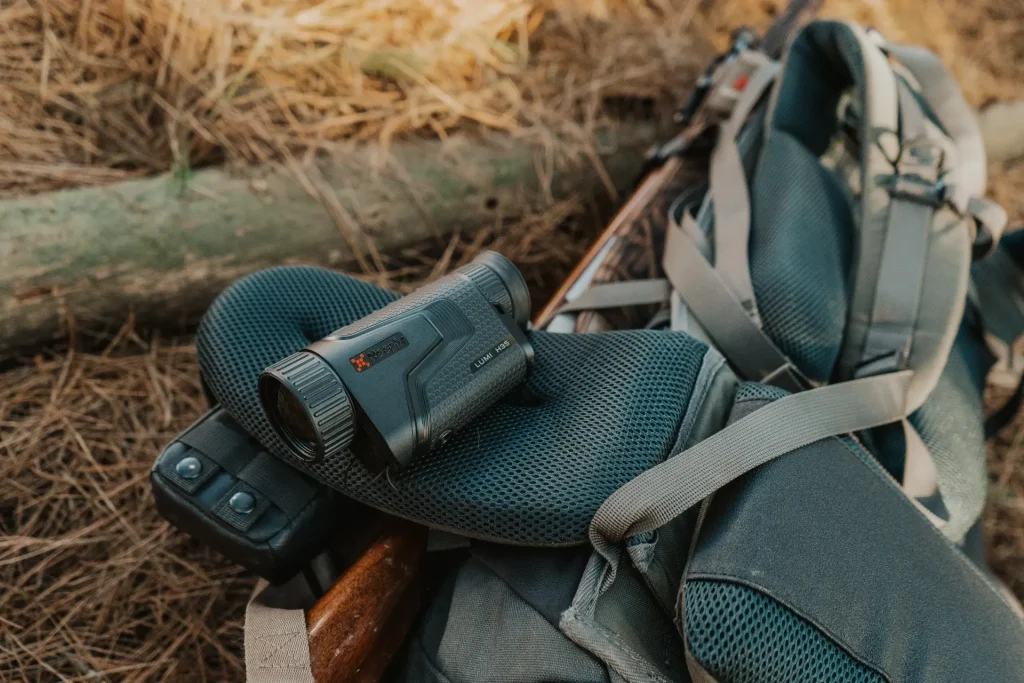
Best Budget Thermal Monocular Recommendations
Best Low-Cost Starter: LUMI P13
The LUMI P13 is the entry point to compare if you want the lowest-cost handheld option in the Nocpix LUMI line. Its main job is close-range scanning, thermal learning, and simple heat detection around smaller properties.
The key specs are a 256×192 thermal sensor with 12μm pixel pitch, NETD ≤20mK, 50Hz frame rate, a 13mm F0.9 lens, 13.5°×10.1° field of view, and 2-8x magnification. Those numbers tell you what to expect: wide, compact, and easy to carry, with a close-range role rather than a distant-recognition role.
Choose this type of device when price and portability come first. If your main need is sorting animals at longer ranges or scanning large open fields, compare a 384×288 or 640×512 model instead.
Best Compact Close-Range Hunting Scanner: LUMI L19
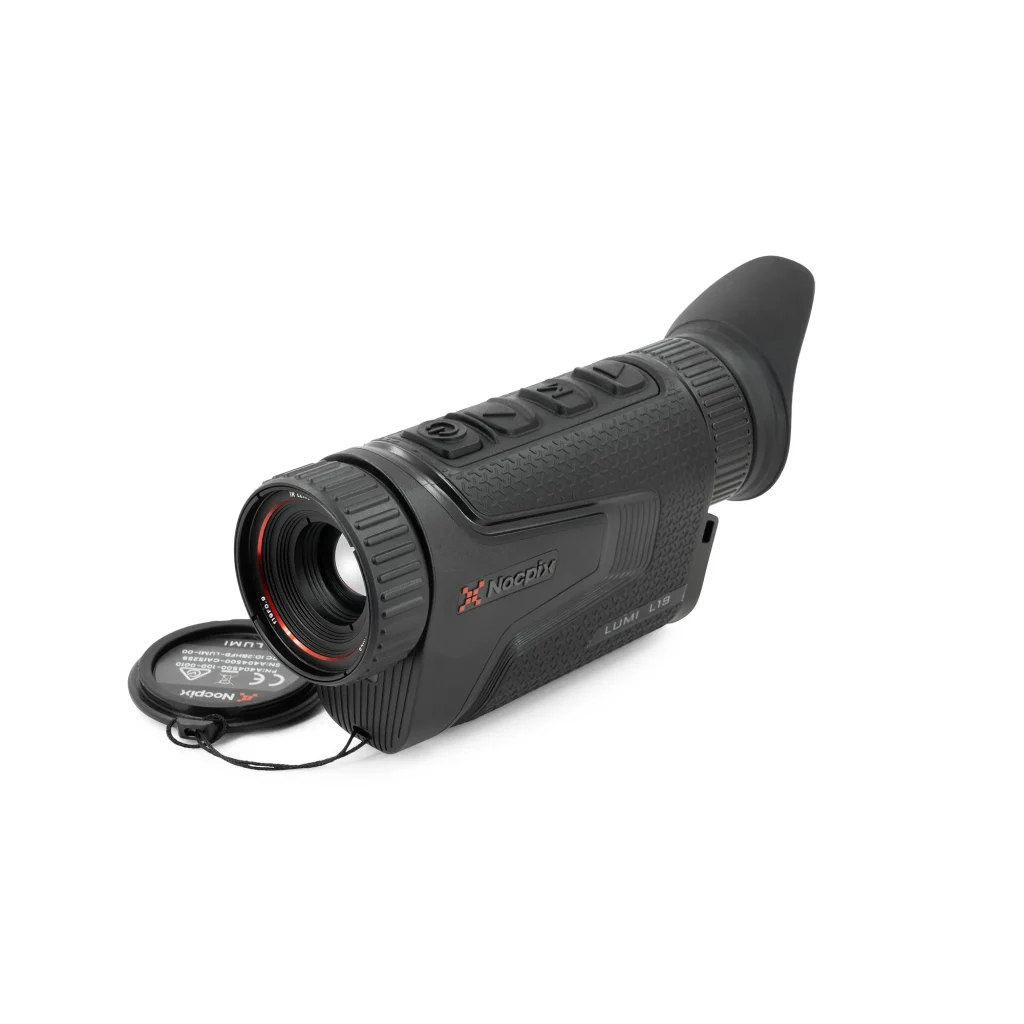
The LUMI L19 is a better fit when you still want a compact budget monocular but need more detail than a 256×192 sensor can usually provide. It uses a 384×288 thermal sensor, 12μm pixel pitch, NETD ≤18mK, 50Hz frame rate, a 19mm F0.9 lens, 13.8°×10.4° field of view, and 2-8x magnification.
That spec mix favors scanning. The wider field of view helps when you are walking, checking brush lines, or watching smaller fields where fast target pickup is more useful than high magnification.
The L19 is not the longest-reaching choice in the line, but that is not its role. It fits buyers who want a field-friendly handheld scanner before stepping into a larger lens or LRF model.
Best Overall Budget Pick: LUMI L35
The LUMI L35 is the most balanced budget-style pick for many hunters because it pairs a 384×288 thermal sensor with a 35mm F0.9 lens. It also lists 12μm pixel pitch, NETD ≤18mK, 50Hz frame rate, 7.5°×5.7° field of view, and 4-16x magnification.
Compared with a 19mm model, the 35mm lens narrows the view but adds reach. That makes the L35 a stronger match for pasture edges, mixed woods, and fields where animals may appear beyond close brush distance.
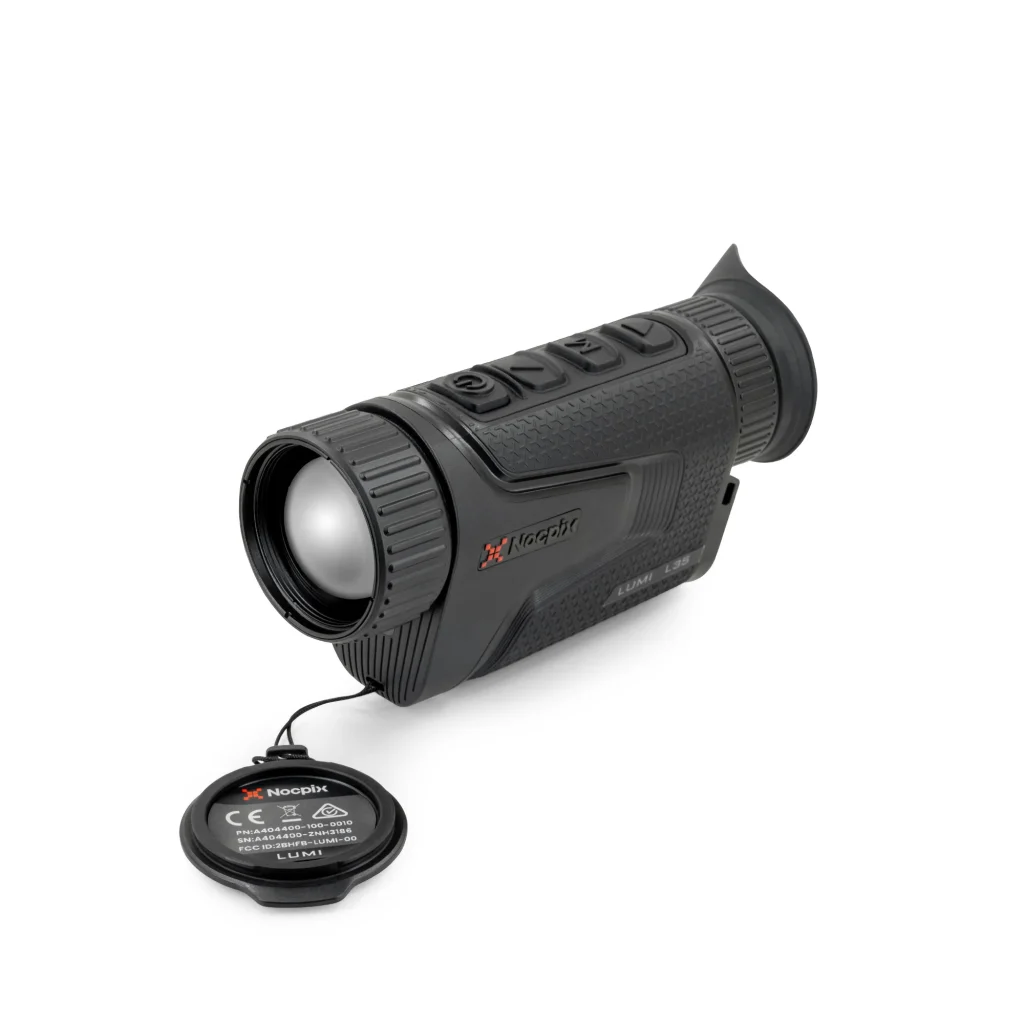
Choose this direction if you want one compact scanner for general hunting use and do not need built-in rangefinding. It is the kind of spec set that makes sense before paying more for 640×512 resolution or LRF.
Best Budget Thermal Monocular With LRF: LUMI L35R
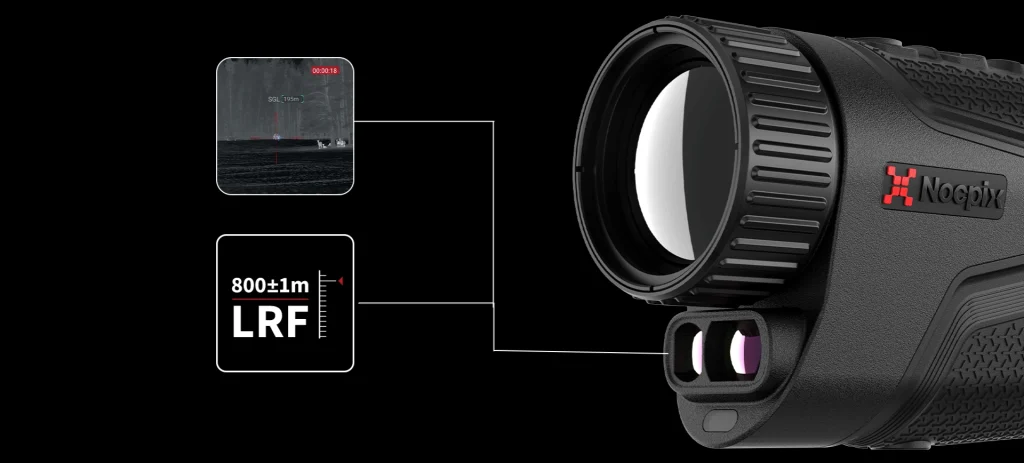
The LUMI L35R is the step-up pick when distance calls are part of the hunt. It keeps the same core imaging direction as the L35: 384×288 thermal sensor, 12μm pixel pitch, NETD ≤18mK, 50Hz frame rate, 35mm F0.9 lens, 7.5°×5.7° field of view, and 4-16x magnification.
The difference is the integrated 800m laser rangefinder. That matters when you scan open fields, spot for a partner, or need to know whether an animal is inside a practical shooting distance before switching to a rifle optic.
LRF is optional for budget buyers. In close woods or short calling sets, you may be better served by lower weight, wider field of view, or a lower purchase price. For open country, the L35R is the budget-relevant model to compare first.
Best Stretch-Budget Image Detail: LUMI H35 or LUMI H35R
If you can stretch beyond 384×288, the LUMI H35 and H35R move to a 640×512 thermal sensor while keeping the compact LUMI form. The H35 uses a 640×512 thermal sensor, 12μm pixel pitch, NETD ≤18mK, 50Hz frame rate, 35mm F0.9 lens, and 2.5-20x magnification.
The H35R adds the same higher-resolution sensor direction with an integrated 800m LRF. This makes it more appealing for hunters who want stronger native detail and rangefinding in one handheld unit.
This is where “budget” becomes a judgment call. If you only scan close cover, 640×512 may be more than you need. If you often need cleaner shape detail at distance, it can be the upgrade that prevents a second purchase later.
Premium Comparison Pick: VISTA H35 or VISTA H35R
VISTA is not the budget baseline, but it is useful as a comparison point. The VISTA H35 and H35R use a 640×512 thermal sensor, 12μm pixel pitch, NETD ≤15mK, 60Hz frame rate, 35mm F0.9 lens, 12.5°×10.0° field of view, and 3-28x magnification. The VISTA line also adds a 2560×2560 AMOLED display, and the H35R includes a 1200m LRF.
This is the tier to compare if you care more about display comfort, image sensitivity, and smoother motion than keeping the price as low as possible. For a strict budget article, VISTA is the upper reference point rather than the first pick.
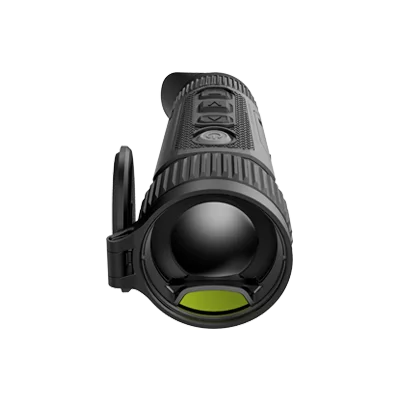
What Should You Expect by Price Tier?
Price tiers in thermal optics are different from normal outdoor glass. A monocular that seems expensive next to daytime optics can still be a budget thermal option because thermal sensors, displays, batteries, and weather-ready housings add cost. For more background, see this guide on why thermal optics cost more than standard glass.
| Budget tier | Best use | What to check before buying |
|---|---|---|
| Under $500 | Thermal learning, inspection, close-range heat detection | Confirm whether it has field viewing, weather protection, battery runtime, and enough resolution for your use |
| $500-$1,000 | Entry handheld scanning and close property use | Look for complete specs, not only marketing range claims |
| $1,000-$2,000 | Main budget hunting range | Compare 256×192 vs 384×288 sensors, lens size, FOV, NETD, battery design, and warranty |
| $2,000-$3,000 | Upper budget and value range | Compare 640×512 options, LRF, display quality, battery system, and weight |
Under $500: Learning and Close-Range Heat Detection
Under $500, many thermal devices are better treated as learning, inspection, or close-range heat-detection tools. Some may be useful around a property or for understanding how thermal imaging behaves at night.
For hunting, check the viewing method, weather rating, controls, battery plan, and resolution before relying on this tier as a scanner. Phone-based thermal cameras can be useful tools, but a phone screen and attached module are not the same as a dedicated handheld hunting monocular.
$500-$1,000: Entry Handheld Scanning
The $500-$1,000 range can include compact handheld devices and 256×192 thermal sensor options. This tier can make sense for close scanning, short-range animal detection, or a buyer who wants to learn before spending more.
The tradeoff is recognition distance. If you need to distinguish a coyote from a dog, fox, calf, or deer at a meaningful distance, check whether the device gives enough native resolution and lens performance for that task.
$1,000-$2,000: The Main Budget Hunting Range
This is where many hunters should start comparing dedicated handheld thermal monoculars. A 384×288 thermal sensor with a useful lens can give a stronger balance of detail, size, and cost than a basic 256×192 device.
In this tier, pay attention to the sensor, lens, field of view, battery type, weight, controls, and warranty. A 19mm lens usually favors wider scanning. A 35mm lens usually adds reach for fields and pasture edges.
$2,000-$3,000: Upper Budget and Value Range
The $2,000-$3,000 band is where you may see 640×512 thermal sensors, integrated LRF, better displays, stronger sensitivity, and more refined outdoor design. These features can be worth paying for if you hunt often or scan larger fields.
The key is matching the upgrade to the hunt. Do not pay for LRF if you never need distance calls. Do not pay for a narrower long-range setup if your hunting is mostly close cover. Value comes from the feature you use, not the longest spec sheet.
These price tiers are based on typical MSRP ranges and are intended as a general buying reference.
How to Choose the Best Budget Thermal Monocular
Start With Sensor Resolution
Sensor resolution affects how much shape detail you get before digital zoom. A 256×192 thermal sensor can detect heat and may work for close scanning. A 384×288 thermal sensor is the stronger budget target for many hunters. A 640×512 thermal sensor gives more native detail and is easier to justify when recognition distance matters.
Do not judge resolution by number alone. Lens size, focus, display quality, NETD, weather, and target size all affect what you can actually recognize.
Match Lens Size to Terrain
A 13mm or 19mm lens usually gives a wider view for close scanning. That helps in woods, brush, and walking situations where you want to catch movement fast.
A 35mm lens narrows the field of view but adds reach. That is often better for open fields, pasture edges, and areas where animals appear farther away. A 50mm lens pushes farther again, but it is usually a higher-tier choice in a handheld monocular.
Check NETD and Frame Rate
NETD describes how well a thermal device separates small temperature differences. Lower numbers are better. For example, LUMI models list NETD ≤18mK on most versions, while VISTA models list NETD ≤15mK.
Frame rate affects motion smoothness. Many budget-relevant handheld monoculars list 50Hz, while higher-tier options may list 60Hz. Either can work for hunting, but smoother motion becomes more noticeable when animals move quickly or when you scan while walking.
Compare Field of View Before Magnification
High magnification can sound appealing, but field of view decides how easy the device is to scan with. A narrow view can make a monocular feel slow in close terrain. A wider view helps you cover brush lines, fence rows, and wooded edges faster.
Digital zoom should not be treated as a replacement for native sensor and lens detail. It enlarges the image that already exists. If the base image is soft, digital zoom will not create new detail.
Decide Whether LRF Is Worth Paying For
LRF is worth the stretch if you hunt open fields, spot for a partner, or need distance calls before moving to a rifle. In those cases, an 800m LRF in a compact monocular can be a useful field feature.
LRF is less important if you hunt close woods, small fields, or short calling sets where distance is easy to estimate. A lighter non-LRF model may be the better budget decision.
Separate Detection From Recognition
Detection only means the device can see a heat source. Recognition means you can understand the shape well enough to make a better field decision. Identification goes further and requires more detail, better conditions, and a suitable distance.
That distinction is why a long detection number should not decide the purchase by itself. For more detail, read this guide on how far thermal scopes can see.
Budget Thermal Monocular Buying Mistakes That Cost More Later
Use this as a quick pre-purchase check before choosing by price alone:
- Buying a phone thermal camera as a hunting monocular: Phone thermal cameras can help with inspection, learning, and close heat checks, but hunting use also needs field viewing, weather protection, stable handling, battery life, and usable distant detail.
- Choosing the wrong lens for your terrain: A 384×288 thermal sensor with a 19mm lens is better for wider close scanning, while a 384×288 thermal sensor with a 35mm lens gives more reach but a narrower view.
- Trusting detection range as identification range: Detection only means the device sees heat. Recognition and identification depend on sensor resolution, lens size, focus, NETD, weather, target size, and distance.
- Buying a sale model before checking the exact specs: Confirm the exact model name, sensor resolution, pixel pitch, NETD, frame rate, lens, FOV, magnification, battery type, LRF status, and warranty before choosing by discount.
- Paying for LRF without a use case: LRF is useful for open terrain and partner spotting. For close woods or short scanning sessions, the budget may be better spent on sensor resolution, lens fit, battery design, or handling.
Final Recommendation
The best budget thermal monocular is the lowest-priced handheld scanner that still fits your terrain, recognition distance, battery needs, and field handling. For close-range use, a 256×192 thermal sensor can be enough. For many hunters, a 384×288 thermal sensor with a 19mm or 35mm F0.9 lens is the better starting point.
If you need one balanced Nocpix direction, compare the LUMI L19 and L35 first. If you need rangefinding, compare the LUMI LRF L35R. If you want higher image detail, compare the LUMI H35 or H35R. If you are moving beyond the budget baseline, compare VISTA as the upper reference point.
FAQs About the Best Budget Thermal Monocular
Is 384×288 better than 256×192 for a thermal monocular?
Yes, for most hunting use. A 384×288 thermal sensor gives more native detail than a 256×192 thermal sensor, which helps animal shape, posture, and movement read more clearly before digital zoom.
How far can a budget thermal monocular identify animals?
There is no single distance that applies to every device. Identification depends on sensor resolution, lens size, focus, NETD, weather, target size, and how much detail the hunter needs. Compare recognition distance, not only detection range.
Should a budget thermal monocular have LRF?
LRF is worth considering if you scan open fields, spot for a partner, or often need distance calls. It is less necessary for close woods, small fields, or short calling sets.
What specs matter most in a budget thermal monocular?
Start with sensor resolution, lens size, field of view, NETD, battery design, weight, controls, weather rating, and warranty. Do not choose only by detection range or digital zoom.
Can a budget thermal monocular replace a thermal scope?
No. A thermal monocular is an observation tool. For aiming and shooting, use a dedicated weapon-mounted optic that is built, rated, and mounted for that job.
Which LUMI model offers the best value?
The Nocpix LUMI L19 offers the best overall value, with a 384×288 sensor, ≤18mK NETD, 50Hz refresh rate, and 2x–8x magnification, making it a well-balanced choice for most handheld thermal scanning needs.