







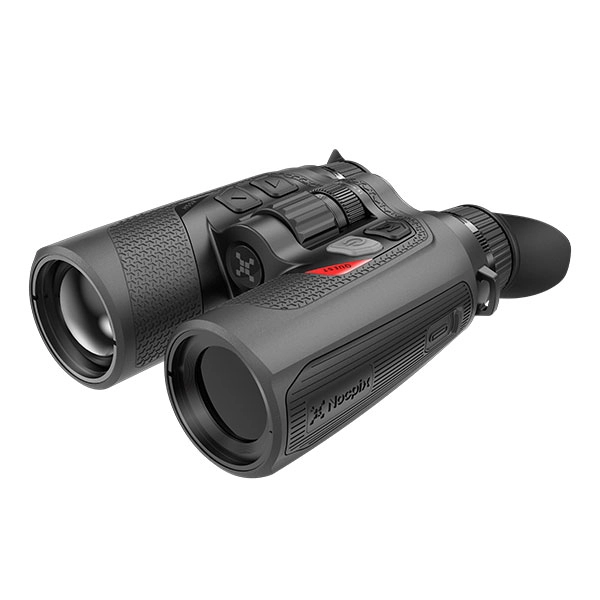
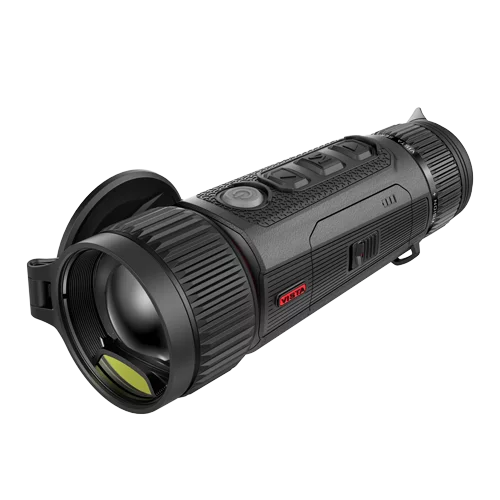
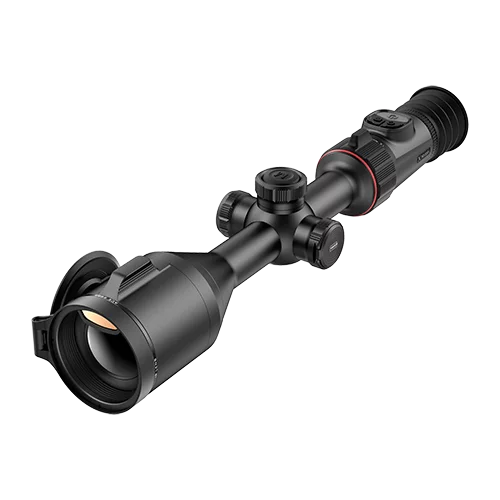
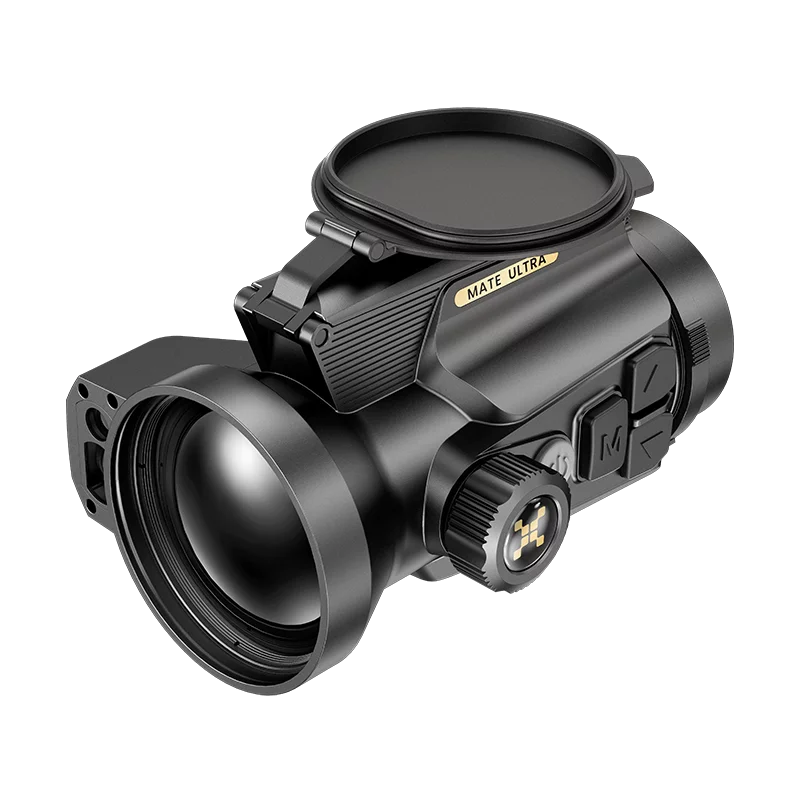
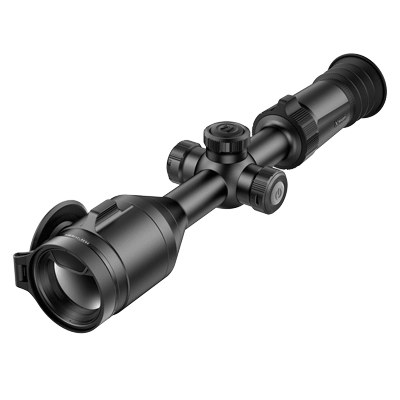
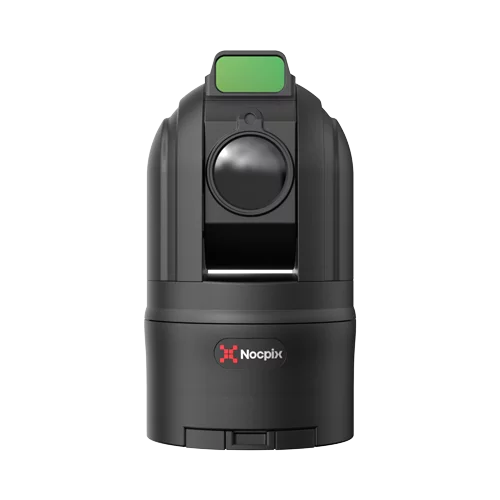


Att köpa sitt första termiska kikarsikte kan vara förvirrande eftersom två produkter till väldigt olika priser kan verka lova samma sak: att upptäcka värme i mörker. De betydande skillnaderna uppstår vanligtvis efter detektering – i hur mycket detaljer som förblir synliga, hur bilden håller i förstoring, hur lätt användaren kan identifiera vad som observeras och hur väl kikarsiktet passar ett specifikt gevär och en specifik miljö.
Snabbt svar
En nybörjare bör inte välja ett termiskt kikarsikte enbart utifrån priset. Lägre prisklasser byter vanligtvis ut sensorupplösning, linsstorlek, termisk känslighet, skärmkvalitet eller integrerade funktioner för att få överkomliga priser. Högre prisklasser kan bevara mer detaljer och lägga till användbara funktioner, men dessa uppgraderingar spelar bara roll när de löser en verklig begränsning i användarens terräng, identifieringsbehov, förstoringskrav eller driftsförhållanden.
Priset bör följa den begränsning som användaren behöver lösa, inte den högsta tillgängliga specifikationen.
Prisintervallen i den här guiden är referensintervall i amerikanska dollar, inte universella detaljhandelskvoter. Valuta, skatter, importkostnader, kampanjer, produkttillgänglighet, garantivillkor och modellsortiment varierar beroende på marknad. Kontrollera relevant regional Nocpix-webbplats eller en auktoriserad lokal distributör innan du köper.
Översikt över prisnivåer för termiska scope
| Referensprisnivå | Vad en nybörjare vanligtvis kan upptäcka | Viktiga avvägningar att undersöka |
| Under 1TP, 14T, 2 000 | Instegskonfigurationer på 256×192 eller 384×288, mindre objektiv, viktiga kontroller och utvalda funktioner för inspelning, avståndsmätning eller anslutning | Mindre detaljer vid digital förstoring, större beroende av lämplig grundförstoring och synfält, och färre premiumfunktioner för visning eller bearbetning |
| $2 000–$3 500 | Starkare alternativ i 384-klassen och vissa konfigurationer i 640-klassen, förbättrad känslighet, större objektiv, bättre skärmar och fler integrerade funktioner | Produktskillnader blir viktigare än enbart pris; jämför lins, basförstoring, NETD, display, LRF, batteridesign och montering |
| $3 500–$5 500 | Högpresterande 640×512-konfigurationer, starkare termisk känslighet, förbättrad bildbehandling, avancerade skärmar och mer kompletta avstånds- eller ballistiska funktioner | Fördelen beror på om användaren behöver mer identifieringsdetaljer, bättre prestanda under svåra termiska förhållanden eller större detaljåtergivning under förstoring. |
| $5 500 och högre | Premiumkonfigurationer i 640-klassen och 1280×1024, större objektiv, avancerade visningssystem, integrerad LRF och design avsedd för krävande observationer | Högre kostnad kan ge meningsfull kapacitet, men bara när användaren kan använda den extra upplösningen, objektivprestanda, förstoringsgrad eller de integrerade funktionerna. |
Dessa band beskriver vanliga marknadsmönster, inte fasta regler. Ett välmatchat kikarsikte till ett lägre pris kan vara mer användbart än ett premiumkikarsikte med olämplig basförstoring, synfält, vikt eller hantering.
Vad "Bäst för pengarna" egentligen betyder
Det mest prisvärda termiska kikarsiktet är inte automatiskt det billigaste alternativet eller modellen med de största specifikationsnumren. Värde innebär att kikarsiktet löser användarens viktigaste begränsning utan att lägga till onödiga kostnader eller skapa ett nytt användbarhetsproblem.
För en användare kan värde innebära ett bredare synfält för närmare, snabbare rörliga mål. För en annan kan det innebära att behålla fler detaljer när förstoringen ökar. Någon som arbetar i svårt väder kan lägga större värde på termisk känslighet och bildbehandling. En annan användare kan värdesätta en integrerad laseravståndsmätare eftersom osäkerhet kring avstånd påverkar planering och beslutsfattande.
En användbar värdebedömning börjar därför med fem frågor:
- Vilka målstorlekar och miljöer kommer användaren att observera?
- Är ett bredare synfält eller mer basförstoring viktigare?
- Hur mycket identifieringsuppgifter krävs?
- Behöver användaren integrerat avståndsmätare eller ballistiskt stöd?
- Vilken begränsning i den nuvarande installationen är värd att betala för att ta bort?
Vad du kan förvänta dig under 1TP, 14T2 000
Instegsmodellen inkluderar vanligtvis värmesensorer på 256×192 och 384×288 med mindre objektivlinser. Dessa kikarsikten kan ge en praktisk introduktion till värmeobservation och kan vara lämpliga när överkomliga priser, enkel användning och användning på kortare avstånd är de viktigaste prioriteringarna.
De viktigaste kontrollerna i den här nivån är inte begränsade till sensorupplösning. Basförstoring och synfält kan avgöra om bilden passar den avsedda terrängen. En högre basförstoring kan hjälpa till med mindre eller mer avlägsna objekt, men det begränsar också synfältet. Ett bredare synfält kan göra det enklare att skanna och följa rörelser, särskilt i snävare terräng.
Digital zoom bör också tolkas noggrant. Digital zoom förstorar den visade bilden men skapar inga nya sensordetaljer. Sensorer med lägre upplösning kan därför visa pixelering tidigare när förstoringsgraden ökar.
De Nocpix BOLT-familjen är en relevant utgångspunkt för jämförelse. Familjen inkluderar olika sensor- och linskonfigurationer och kombinerar en traditionell kikarsiktesdesign med integrerade avstånds- och ballistiska funktioner. Köpare bör jämföra den specifika BOLT-konfigurationen som finns tillgänglig på deras marknad snarare än att behandla hela familjen som en specifikation eller ett pris.
Vad du kan förvänta dig från $2 000 till $3 500
Denna nivå kan inkludera starkare produkter i klass 384 och utvalda konfigurationer i klass 640. Förbättringar kan förekomma i sensordetaljer, linsstorlek, termisk känslighet, skärmkvalitet, uppdateringsfrekvens, bildbehandling, konstruktion och integrerade funktioner som en LRF.
Det är också här specifikationskombinationer spelar större roll än ett enda rubriknummer. En 640×512-sensor kan behålla mer detaljer än en sensor med lägre upplösning, men den slutliga tittarupplevelsen beror fortfarande på objektivet, grundförstoringsgraden, skärmen, bildbehandlingen, miljöförhållandena och hur mycket digital förstoringsgrad som används.
En integrerad laseravståndsmätare kan vara värdefull när osäkerhet kring avståndet påverkar observation eller planering. Dess värde beror på terrängen, målavståndet, användarens inställningar och om tillförlitlig avståndsinformation redan finns tillgänglig. En fast tröskel för yardlängd bör inte användas för att avgöra om varje användare behöver en LRF.
Beroende på regional tillgänglighet kan köpare i detta sortiment jämföra högre BOLT-konfigurationer med utvalda modeller i Nocpix ACE-familjen. Jämförelsen bör fokusera på faktisk kapacitet och användning snarare än att anta att en familj alltid upptar ett globalt prisintervall.
Vad du kan förvänta dig från $3 500 till $5 500
Denna serie introducerar vanligtvis mer kompletta 640×512-system, starkare termisk känslighet, mer avancerade skärmar, förbättrad bildbehandling, större objektivlinser och integrerade avstånds- eller ballistiska verktyg.
Fördelen med ett system i klass 640 är inte ett garanterat avstånd. Dess praktiska fördel är att mer sensordetaljer kan finnas kvar när användaren behöver urskilja form och rörelse eller separera målet från dess bakgrund eller när förstoringsgraden ökas. Termisk känslighet och bearbetning kan också spela roll när temperaturskillnaden mellan målet och bakgrunden är begränsad.
Nocpix ACE-familjen är utformad för användare som vill ha ett mer integrerat termiskt kikarsiktessystem. Nuvarande globala ACE-konfigurationer inkluderar sensorer med högre upplösning, avancerade visningssystem, Reality+-bearbetning och integrerade LRF-alternativ. Dessa funktioner bör utvärderas mot avsedd terräng, synfält, basförstoring, hantering och lokal produktkonfiguration.
Att betala mer i den här nivån är vettigt när förbättringen åtgärdar ett problem som användaren redan förväntar sig att stöta på. Det är mindre användbart när den ytterligare funktionen inte ändrar den avsedda användningen.
Vad du kan förvänta dig vid 1TP, 14T, 5 500 och högre
Premium-termoskop kan erbjuda 1280×1024-sensorer, större objektivlinser, avancerade displaysystem, starkare termisk känslighet och design avsedd att behålla mer detaljer under förstoring och under krävande observationsförhållanden.
De Nocpix RICO 2-familjen inkluderar konfigurationer i klass 640 och klass 1280, olika objektivalternativ och en integrerad LRF. Dessa funktioner gör familjen relevant för användare som jämför premium termiska kikarsikten, men de garanterar inte universell identifiering eller skjutavstånd.
Premiumfunktioner är mest försvarbara när användaren har ett tydligt behov av ytterligare detaljer, ett visst synfält eller basförstoring, starkare miljöprestanda eller en integrerad funktion som kommer att användas regelbundet. Om dessa krav saknas kan den extra kostnaden ge begränsat praktiskt värde.
Specifikationerna som är viktigast
Sensorupplösning
Upplösningen påverkar hur mycket termisk information sensorn fångar. En 384×288-sensor kan vara ett praktiskt val när överkomliga priser, synfält och användning på nära håll är prioriterade. En 640×512- eller 1280×1024-sensor kan bevara fler detaljer och stödja mer digital förstoring innan bilden försämras märkbart.
Upplösning ensam avgör inte ett fast identifieringsavstånd. Linsens brännvidd, basförstoring, NETD, målstorlek, väder, bakgrundstemperatur, visningskvalitet och användarens identifieringsstandard påverkar alla användbara detaljer.
Objektivlins och basförstoring
Objektivlinsen och basförstoringen formar hur kikarsiktet ser omgivningen. Längre brännvidder och högre basförstoring kan ge en mer detaljerad bild av ett mindre område, medan kortare brännvidder och lägre basförstoring generellt ger ett bredare synfält.
Rätt val beror på terräng och målbeteende. Öppen terräng och mindre mål kan gynna mer förstoring. Tät vegetation, närmare observation och snabb rörelse kan gynna ett bredare synfält.
Termisk känslighet
NETD beskriver hur liten temperaturskillnad sensorsystemet kan urskilja under specificerade förhållanden. Ett lägre NETD-värde kan hjälpa till att avslöja subtila termiska skillnader, särskilt när målet och bakgrunden har nära varandra i temperatur.
NETD bör inte utvärderas ensamt. Linsens transmission, bearbetning, visningskvalitet, kalibrering, väder, luftfuktighet och motivförhållanden påverkar också det synliga resultatet.
Display och bildbehandling
Display- och bearbetningssystemet avgör hur insamlad termisk information presenteras för användaren. Bra bearbetning kan förbättra kontrasten, minska störande brus och göra kanterna lättare att tolka. Den kan inte skapa fysiska sensordetaljer som aldrig har fångats, så den bör komplettera snarare än ersätta lämpliga sensor- och linsval.
Laseravståndsmätare och ballistiska funktioner
En integrerad LRF ger avståndsinformation utan att en separat enhet krävs. Ballistiska funktioner kan hjälpa till att organisera siktinformation när de är korrekt konfigurerade. Dessa funktioner är endast värdefulla när användaren behöver dem och förstår hur man konfigurerar dem.
Närvaron av en LRF gör inte varje kikarsikte mer lämpligt för varje köpare. Användare bör jämföra avståndskapacitet, gränssnitt, montering, lokala föreskrifter och deras faktiska driftsprocess.
Batteri, montering och support
Drifttiden är viktig, men den publicerade batteritiden kan variera beroende på modell, temperatur, skärmens ljusstyrka, inspelning, trådlösa funktioner, batteristatus och användarbeteende. Jämför den exakta produktspecifikationen och batterikonfigurationen istället för att tillämpa en driftstidssiffra på en hel serie.
Monteringssäkerhet, ögonavstånd, kontrolllayout, firmware-support, garantivillkor och tillgång till auktoriserad service kan vara lika viktiga som sensorspecifikationen. Dessa faktorer bör kontrolleras för den exakta produkten och regionen.
Vilken Nocpix-familj bör en nybörjare jämföra?
| Köparsituation | Vad man ska prioritera | Nocpix-familjen att jämföra |
| Första termiska omfattningen eller stramare budget | Lämplig grundförstoring, användbart synfält, enkla kontroller och de funktioner som användaren faktiskt kommer att använda | BOLT-familjen |
| Blandad terräng eller behov av mer identifieringsdetaljer | Högre sensorupplösning, starkare termisk känslighet, skärmkvalitet, batteridesign och integrerad avståndsmätning vid behov | Högre BOLT-konfigurationer eller ACE-familjen |
| Större detaljåtergivning under förstoring eller mer krävande observation | Sensorer med högre upplösning, större objektivlinser, lämplig basförstoring och ett stabilt betraktningssystem | RICO 2 eller övre ACE-konfigurationer |
Dessa rekommendationer identifierar produktfamiljer att jämföra. De är inte universella prissättningar, prestandagarantier eller påståenden om fasta avstånd. Regional tillgänglighet och konfigurationer kan variera.
När är det värt att gå upp en prisnivå?
Flytta endast uppåt när den nuvarande nivån inte kan uppfylla ett identifierat krav. En högre nivå kan vara motiverad när användaren behöver:
- mer sensordetaljer för identifiering;
- bättre detaljåtergivning under förstoring;
- en annan balans mellan grundförstoring och synfält;
- starkare termisk känslighet under svåra förhållanden;
- en större eller snabbare objektivlins;
- ett mer avancerat display- eller visningssystem;
- integrerade avstånds- eller ballistiska funktioner;
- ett annat batteri, en annan monterings- eller hanteringsdesign.
Uppgradera inte bara för att en högre specifikation finns. Om den lägre nivån redan tillhandahåller det synfält, de identifieringsdetaljer, den hantering och de funktioner som krävs, kanske det extra priset inte ger en meningsfull förbättring för det användningsfallet.
Vanliga köpmisstag
Att välja enbart baserat på detektionsområde
Detektion innebär att man noterar att ett termiskt objekt finns. Det betyder inte nödvändigtvis att man känner igen eller identifierar det. Publicerade detektionssiffror bör inte betraktas som garanterad identifiering eller skjutavstånd.
Att välja upplösning utan att ta hänsyn till förstoringsgraden
Upplösning är viktig, men användbarheten av den upplösningen beror på linsen, grundförstoringen, synfältet, displayen, bearbetningen och hur kikarsiktet kommer att användas.
Betala för funktioner som inte kommer att användas
Integrerade avståndsmätare, ballistiska verktyg, registrering, trådlös anslutning och avancerade displayer kan vara värdefulla. De tillför mindre värde när de inte är en del av användarens faktiska process.
Ignorera regional tillgänglighet och support
En produkt som visas på en global webbplats kanske inte är tillgänglig på alla marknader. Modellnamn, konfigurationer, priser, garantivillkor och auktoriserade servicekanaler kan variera. Kontrollera lokal information innan du köper.
Om man antar att det dyraste kikarsiktet automatiskt passar bäst
Ett premiumkikarsikte kan ha starkare specifikationer men ändå vara dåligt anpassat till en användare som behöver ett bredare synfält, lägre basförstoring, lättare vikt, enklare kontroller eller en lägre total systemkostnad.
Checklista för nybörjarköp
Innan du jämför modeller, skriv ner:
- ungefärlig budget;
- målets storlek och observationssyfte;
- typisk terräng;
- förväntade väder- och temperaturförhållanden;
- föredragen basförstoring;
- erforderligt synfält;
- erforderlig nivå av identifieringsdetaljer;
- huruvida en integrerad LRF behövs;
- batteri- och monteringsinställningar;
- lokala lagkrav;
- lokal produkttillgänglighet, garanti och servicesupport.
Den här listan gör det enklare att jämföra produkter baserat på relevanta funktioner istället för att reagera på det största specifikationsnumret.
Slutlig rekommendation
För en första termiska kikarsiktet, börja med den begränsning du behöver lösa.
Jämför BOLT-familjen när budget, enkel användning och kärnavståndsmätning eller ballistiska funktioner är prioriterade. Jämför ACE-familjen när du behöver mer bilddetaljer, ett mer avancerat visningssystem eller en bredare balans mellan sensor, lins och integrerade funktioner. Jämför RICO 2-familjen när detaljerna bibehålls under förstoring och mer krävande observationsförhållanden motiverar den extra kostnaden.
Uppgradera inte bara för att en högre specifikation finns. Uppgradera när den lägre nivån inte kan tillhandahålla det synfält, den grundläggande förstoringsgraden, identifieringsdetaljer, den termiska känsligheten, avståndskapaciteten, batteridesignen eller den driftsprestanda som krävs för ditt användningsfall.
Priser, produkttillgänglighet, garantivillkor och modellkonfigurationer varierar beroende på region. Bekräfta aktuell information via relevant regional Nocpix-webbplats eller en auktoriserad lokal distributör.
Vanliga frågor
Hur mycket bör en nybörjare lägga på ett termoskop?
Det finns ingen enskild korrekt budget. En nybörjare bör först identifiera det önskade synfältet, grundförstoringsgraden, bilddetaljeringen, termisk känslighet, avståndsmätningsfunktioner och lokalt stöd. Den lämpliga budgeten är den lägsta nivån som uppfyller dessa krav utan att skapa en större begränsning.
Är ett 384×288 termiskt kikarsikte tillräckligt bra för en nybörjare?
Ett kikarsikte på 384×288 kan vara ett praktiskt förstahandsval när dess lins, basförstoring, synfält, kontroller och funktioner matchar den avsedda användningen. Det bör inte tilldelas ett universellt identifieringsavstånd eftersom miljöförhållanden, målstorlek, optik, display och användarkrav alla påverkar användbar detaljrikedom.
Är ett 640×512 termiskt kikarsikte värt den extra kostnaden?
Det kan vara värt den extra kostnaden när användaren behöver mer fångade detaljer, bättre detaljåtergivning under förstoring eller starkare identifieringsförmåga i krävande scener. Det kan erbjuda mindre praktisk nytta när ett lämpligt kikarsikte i klass 384 redan uppfyller användarens krav.
När är ett 1280×1024 termiskt kikarsikte meningsfullt?
Ett kikarsikte på 1280×1024 är mest relevant när användaren kan dra nytta av betydligt mer sensordetaljer, arbetar under krävande observationsförhållanden eller behöver ett förstklassigt visningssystem. Den högre upplösningen garanterar inte i sig ett fast identifierings- eller skjutavstånd.
Behöver jag en inbyggd laseravståndsmätare?
En inbyggd LRF är användbar när korrekt avståndsinformation är viktig, och en separat avståndsmätare skulle sakta ner processen. Den kan vara mindre viktig när avståndet redan är känt eller när avståndsmätning inte är en del av den avsedda användningen. Beslutet bör följa användarens process snarare än en fast yardavståndsregel.
Vilken Nocpix-värmekikarefamilj bör en nybörjare börja med?
BOLT-familjen är en logisk utgångspunkt för köpare som prioriterar enkel användning och kärnfunktioner. ACE-familjen bör jämföras när det krävs mer bilddetaljer, visningsprestanda eller integrerad kapacitet. RICO 2 är relevant när premiumupplösning, objektivalternativ och detaljrikedom motiverar den extra kostnaden. Exakta modeller och tillgänglighet varierar beroende på marknad.