







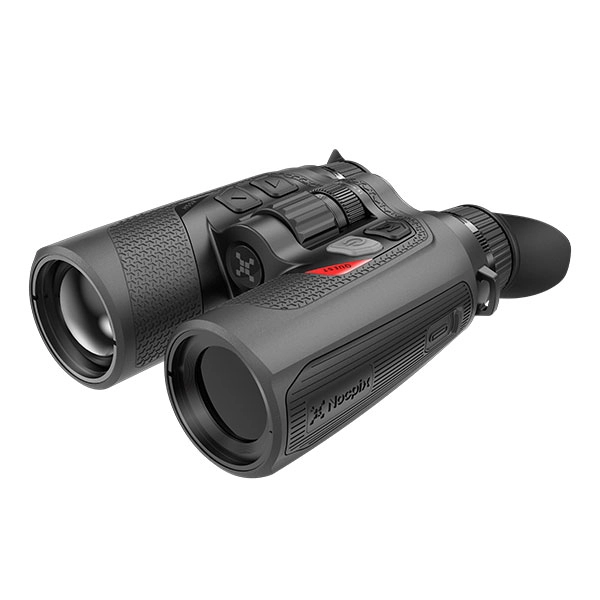
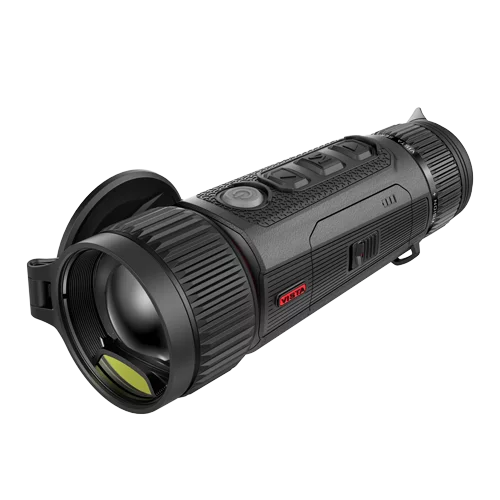
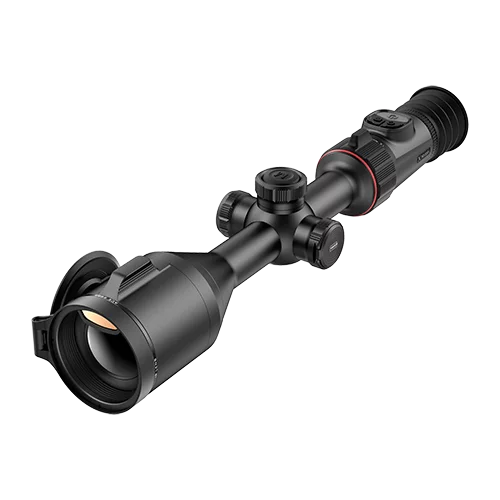
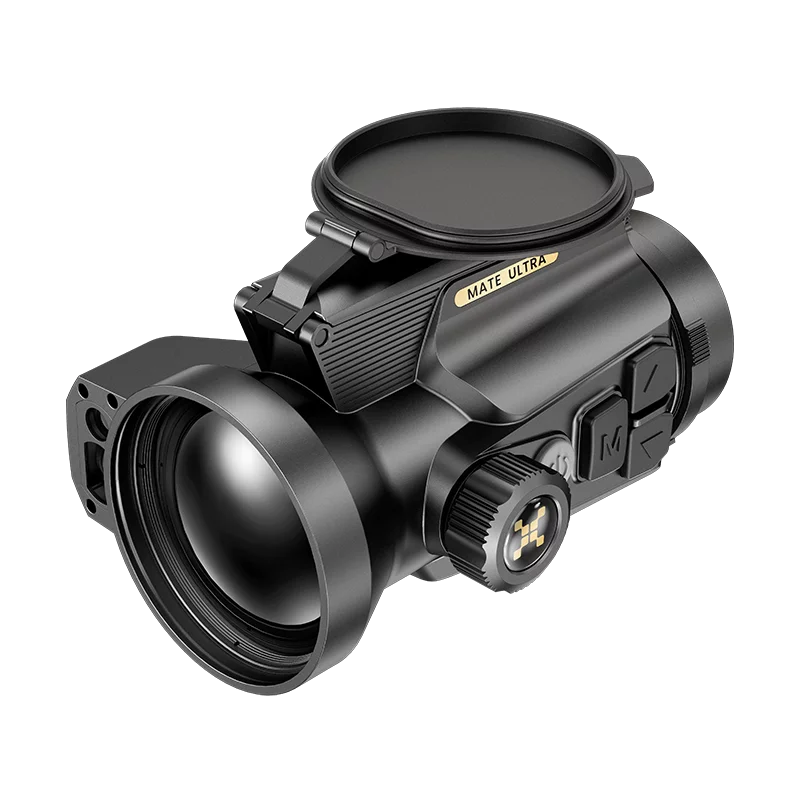
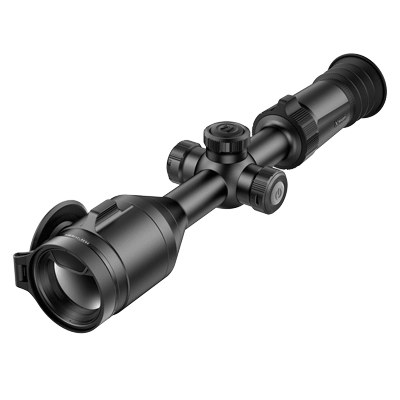
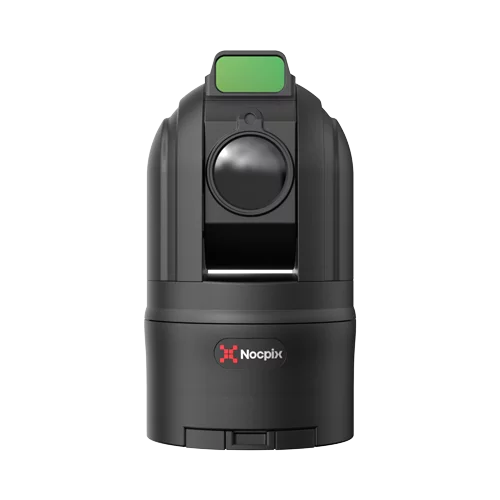


Det bästa termiska kikarsiktet för svinjakt beror på din terräng, skjutavstånd och hur snabbt du behöver återfånga rörliga svin på natten. Uppställningar med buskar och utfodringsplatser kräver ett brett synfält och snabb måluppfångning. Öppna fält behöver högre upplösning, en större lins och ett bredare identifieringsområde. Den här guiden förklarar vilka specifikationer som är viktigast, hur du matchar ett termiskt kikarsikte till din jaktmark och vilka Nocpix-modeller som passar olika svinjaktsuppställningar.
Snabbt svar: Bästa termiska kikarsikte för svinjakt
| Om du jagar… | Söka efter… | Bästa passform |
|---|---|---|
| Busk-, matarvägs- och närhållsljud | Snabb målupptagning och balanserad hantering | Nocpix BOLT L35R |
| Blandad terräng, buskkanter och åkrar | Starkare bilddetaljer över varierande avstånd | Nocpix ACE |
| Öppna betesmarker och längre fältskott | Längre identifieringsräckvidd och tydligare avståndsarbete | RICO 2 S75R |
| Med ett dagsikte som du redan gillar | En clip-on-uppsättning som behåller din nuvarande optik | Nocpix MATE-serien |
Innehållsförteckning
Vilka specifikationer är viktigast för ett termiskt kikarsikte för svinjakt?
Fyra specifikationer påverkar svinjaktens prestanda mer än något annat: synfält, sensorupplösning, uppdateringsfrekvens och viktbalans på geväret.
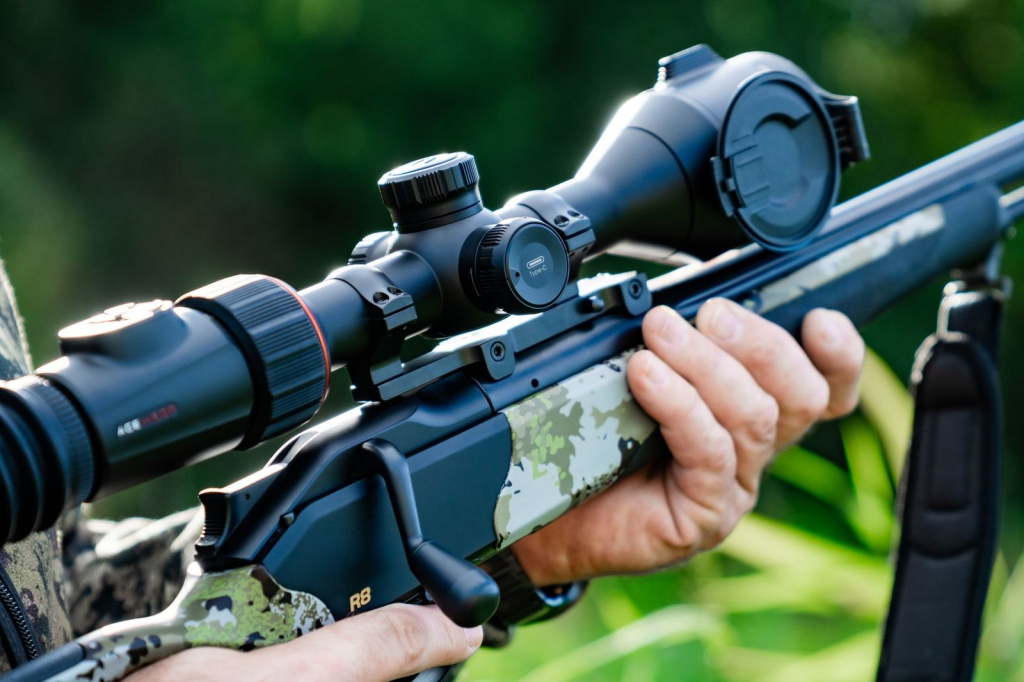
Synfält kontra basförstoring
Synfältet avgör hur mycket mark du ser genom kikarsiktet vid varje given tidpunkt. Ett bredare synfält hjälper dig att fånga upp grisar som kommer in i en glänta, spåra ett ekolod genom snår eller återfå ett mål efter rekyl. Basförstoringen är direkt kopplad till synfältet. Lägre basförstoring ger en bredare bild. Högre basförstoring ger en smalare och mer detaljerad bild.
För grisjakt täcker en basförstoring mellan 2x och 4x de flesta situationer väl. Du får en tillräckligt bred vy för att följa grupper, med digital zoom tillgänglig när du behöver kontrollera ett mål på avstånd. Ett kikarsikte med 5x eller högre basförstoring kan kännas som att titta genom en tunnel i tätt skydd, vilket saktar ner din målsökning.
Sensorupplösning och verkligt identifieringsavstånd
Sensorupplösningen styr hur mycket detaljer kikarsiktet kan visa dig. En 384×288-sensor ger en användbar bild på kortare avstånd, vanligtvis inom 150 till 200 meter under svalare nätter. En 640×512-sensor ger märkbart mer detaljer och gör identifieringen mer säker, ofta till 300 meter eller mer. 1280×1024-sensorerna som finns i toppmodeller ger dig den skarpaste separationen mellan ett svin och dess bakgrund, även i varma förhållanden där den termiska kontrasten minskar.
För en djupare titt på hur sensorupplösningen påverkar din vy, Nocpix upplösningsguide för termiskt oscilloskop går igenom skillnaderna med praktiska exempel.
Uppdateringsfrekvens, vikt och gevärsbalans
Uppdateringsfrekvensen påverkar hur jämnt ett rörligt mål visas på skärmen. En uppdateringsfrekvens på 60 Hz ger en flytande bild när man spårar travande eller springande grisar. En frekvens på 50 Hz kommer tätt efter. Lägre uppdateringsfrekvenser kan skapa märkbar fördröjning när en gris rör sig snabbt genom ditt synfält. Den fördröjningen gör uppföljningsbilder svårare och minskar din tilltro till rörliga mål.
Vikt och balans spelar också roll. Grisjakt innebär ofta att man går till ställningar, klättrar upp i upphöjda positioner eller bär geväret i timmar innan första skottet. Ett tungt kikarsikte som sitter för långt fram förändrar gevärets balanspunkt och ökar tröttheten. Om du planerar långa sessioner, kontrollera kikarsiktets vikt och totala monterade längd innan du köper.
Detektionsområde kontra identifieringsområde
Dessa två siffror är inte samma sak, och att blanda ihop dem är ett av de vanligaste misstagen vid köp. Detektionsavståndet visar hur långt kikarsiktet kan uppfatta någon värmesignatur överhuvudtaget, vanligtvis testat på ett stort militärt standardmål. Identifieringsavståndet visar hur långt du kan känna igen målet faktiskt. Vid jakt på svin är identifieringsavståndet det tal som räknas. Du måste bekräfta att värmeklotten 250 meter bort är en gris och inte en kalv, en stubbe eller en hjort. Nocpix guide om hur långt termiska tecken kan se förklarar denna lucka i detalj.
Vilket termiskt kikarsikte fungerar bäst i busk-, skogs- och mataruppsättningar?
Nära håll för grisjakt i tätt skydd belönar ett brett och snabbt kikarsikte mer än ett med hög förstoring.
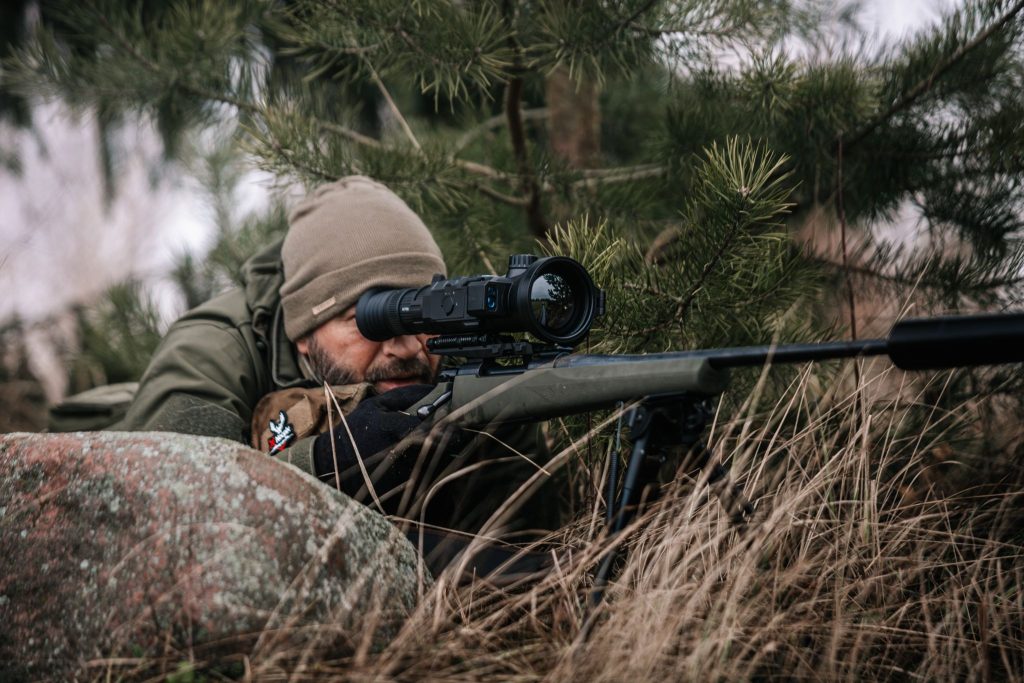
Låg basförstoring för närbilder
Matarbanor, senderos och röjningar i snår innebär vanligtvis skott inom 100 meter. På det avståndet behöver du inte 5x eller 6x förstoring. En basförstoring på 2x till 3,5x ger dig en bredare bild, snabbare måluppfångning och enklare tid att placera siktet på ett djur som just klivit in i öppningen.
Brett synfält för tjockt skydd
I snår och skogar dyker och försvinner grisar snabbt. Ett kikarsikte med ett bredare synfält låter dig fånga mer av motivet utan att ständigt panorera geväret. Det är särskilt användbart när flera grisar kommer till en utfodringsplats och du försöker välja rätt.
Snabb uppdateringsfrekvens för plötsliga rörelser
Grisar som känner av fara kan snurra och rusa in på under en sekund. En uppdateringsfrekvens på 60 Hz håller bilden jämn under dessa snabba rörelser. Om bilden hackar eller spökar när en gris vänder sig, förlorar du spårningssäkerheten och din uppföljningsbild blir en gissning.
Tunnelseendet
Många förstagångsköpare väljer ett kikarsikte med den högsta förstoringsgraden de har råd med. I buskage skapar den höga förstoringsgraden en smal sikt som gör det svårt att hitta djuret från första början. Man slutar med att skanna med kikarsiktet istället för att hitta målet, och det kostar sekunder. Börja med lägre förstoringsgrad. Du kan alltid zooma in digitalt.
Vilket termiskt skop fungerar bäst på öppna fält och betesmarker?
Jakt på svin i öppen mark prioriteras mot skarpare detaljer på längre avstånd.
Högre upplösning för längre identifiering
När grisar är 200 till 400 meter bort ger en 640×512-sensor dig tillräckligt med detaljer för att identifiera kroppsform, rörelsemönster och gruppstorlek. Om du jagar på vidöppna rancher eller jordbruksfält där skott på 400 meter är vanliga, ger en 1280×1024-sensor ännu bättre avstånd mellan målet och marken bakom det.
Högre basförstoring utan överzoomning
För öppna fält ger en grundförstoring på 3x till 4x i kombination med digital zoom upp till 8x eller mer dig den räckvidd du behöver utan att offra för mycket synfält på grundnivå. Nyckeln är att använda grundförstoringen för att skanna och hitta mål, och sedan zooma in endast för slutlig identifiering och skottet.
Linsstorlek och fältavstånd
Ett större objektiv samlar in mer infraröd energi från motivet. Ett 50 mm objektiv producerar en ljusare och mer detaljerad bild på avstånd jämfört med ett 35 mm objektiv på samma sensor. För grisjakt i det fria fältet hjälper ett 50 mm eller större objektiv dig att upptäcka grisar längst bort i en betesmark, särskilt på fuktiga eller varma nätter när kontrasten är lägre. Nocpix ACE-serien har 60 mm/F1.0- eller 50 mm/F0.9-objektiv, och det större objektivet släpper in mer ljus i sensorn, vilket genererar ljusare och tydligare bilder.
Detektionsområdet är inte skyttesäkerhet
Ett kikarsikte som detekterar värme på 2 000 meter betyder inte att du kan identifiera ett gris på 2 000 meter. I öppna fält sätts den praktiska gränsen vanligtvis av din identifieringssäkerhet, inte kikarsiktets maximala detekteringsspecifikation. Testa alltid ditt kikarsikte på de faktiska avstånd du planerar att skjuta på innan du litar på ett specifikationsbladsnummer.
Vad hjälper till med att flytta grisar och snabbt återförvärva dem?
Grisar står sällan stilla. När en ljudsignal sprider sig måste du snabbt återfånga enskilda djur.
3-sekunders återförvärvsfönstret
Efter ett skott fryser grisar i ett ekolod vanligtvis i en till tre sekunder innan de sprids. Det frysfönstret är din chans till en uppföljning. Ett kikarsikte som låter dig återfå ett mål under det fönstret ger dig ett realistiskt andra skott. Kikarsikten med för hög förstoring, långsamma uppdateringsfrekvenser eller tung vikt gör det fönstret svårare att använda.
Synfält och förstoring för spridda ljudgivare
När en grupp på 8 till 12 grisar bryts isär springer de i olika riktningar. Ett bredare synfält låter dig se mer av spridningsmönstret utan att panorera geväret vilt. Om ditt kikarsikte är inställt på 6x eller 8x när gruppen bryts isär kan du förlora alla djur på en enda sekund. Att hålla din grundförstoring på 2x till 4x under den första attacken ger dig bäst chans att spåra enskilda grisar när de springer.
Uppdateringsfrekvens för smidig spårning
En uppdateringsfrekvens på 60 Hz håller bilden av ett springande svin ren och kontinuerlig på skärmen. Lägre uppdateringsfrekvenser kan orsaka släpande eller smetiga bilder på djur som rör sig snabbt, vilket gör det svårare att leda ett skott. Specifikt för svinjakt, där flera snabba skott på en spridd grupp är vanliga, är en jämn visning inte en lyx. Det är en praktisk fördel.
Vikt och kontrolllayout
Ett balanserat och lätt kikarsikte underlättar snabba övergångar mellan måltavlor. Om kikarsiktet lägger för mycket vikt på gevärets framsida blir svängningen från en måltavla till nästa långsammare och mindre kontrollerad. Knappplaceringen är också viktig. Du bör kunna justera förstoringen, byta palett eller köra en flat field correction (FFC) utan att bryta kindsvetsen. Nocpix BOLT-serien har tysta knappar för att undvika att varna viltet. Den typen av detaljer ackumuleras under spända flermålsattacker.
Vilka köpmisstag skadar faktiskt grisjägare på natten?
Dessa är de fel som oftast dyker upp när grisjägare letar efter sitt första eller andra termiska kikarsikte:
- Att välja specifikationer kring marknadsföringsintervall istället för verkliga identifieringsvillkor: En detektionsräckvidd på 3 000 meter låter imponerande, men din faktiska identifieringssäkerhet på 300 yards beror på sensorkvalitet, linsstorlek, NETD och väder. Fokusera på vad du kan identifiera, inte vad kikarsiktet kan upptäcka.
- Att köpa för en stående gris istället för en rörlig ekolod: Ett kikarsikte som fungerar bra på ett ensamt, stillastående djur kan svika dig när 10 grisar sprids samtidigt. Prioritera synfält, uppdateringsfrekvens och återtagningshastighet framför rå förstoring.
- Betala för långdistansverktyg som din terräng inte använder: Om du jagar busk och matarbjörnar på 50 till 100 meters avstånd, ökar ett kikarsikte med hög förstoring och lång räckvidd vikten, kostnaden och komplexiteten utan att det ökar värdet. Anpassa kikarsiktet till dina faktiska skjutavstånd.
- Dålig matchning av kikarsiktet med hela gevärsuppsättningen: Ett tungt kikarsikte på ett lättviktsgevär förändrar balanspunkten och ökar tröttheten. Kontrollera den totala vikten och längden på kikarsiktet innan du köper. Kontrollera också att kikarsiktets ögonavstånd matchar din skjutposition.
- Att lita på termisk kontrast utan att bekräfta mål och bakgrund: Termisk kontrast visar värme, men den berättar inte vad som finns bakom målet. Bekräfta alltid vad du skjuter på och vad som finns bortom det. Termisk kontrast hjälper dig att hitta djuret, men säker skottplacering är fortfarande ditt ansvar.
- Förutsatt att reglerna för nattjakt är desamma överallt: Reglerna för svinjakt varierar beroende på delstat och även mellan län. Vissa delstater tillåter obegränsad nattjakt på förvildade svin. Andra kräver tillstånd, specifik utrustning eller begränsningar för var du får jaga på natten. Kontrollera alltid din lokala viltvårdsmyndighets regler innan du ger dig ut.
Nocpix termiska kikarsikten för svinjakt
Nocpix erbjuder flera termiska kikarsikten som passar olika jaktmiljöer för grisar. Här är en snabb titt på modellerna som matchar scenarierna som tas upp ovan.
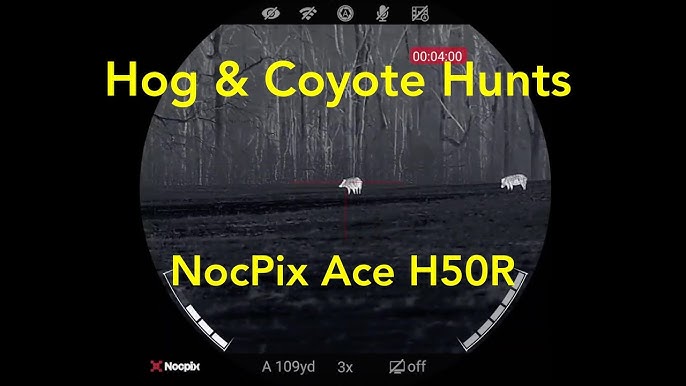
För jakt på buskar och närfångare, Nocpix BOLT-serien passar bra. BOLT H50R har en 640×512 värmesensor, ett 50 mm F1.0-objektiv, en laseravståndsmätare på 1200 m och smart ballistik i ett robust hölje med IP67-klassning, med dubbla batterier som ger 9 timmars drifttid och ett intuitivt N-LINK-system. Dess kompakta storlek och lätta profil håller geväret balanserat för snabb hantering i trånga utrymmen.
För jägare som behöver högsta möjliga klarhet i både buskage och öppna betesmarker, Nocpix ACE-serien trappar upp. Utrustad med en Gen-2 HD-värmesensor som erbjuder upplösning upp till 1280×1024 och en bildfrekvens på upp till 60Hz, ger ACE stabil prestanda med NETD på 15mK, vilket gör att den kan upptäcka även de minsta temperaturvariationerna och leverera jämna värmebilder vid spårning av snabbt rörliga byten.
För långdistansattacker i öppet fält, Nocpix RICO 2-serien är utformad för avstånd. RICO 2 är designad för jägare som kräver det bästa inom skärpa, räckvidd och komfort, med en branschledande värmesensor och hög bildfrekvens för ultrapremium bildkvalitet. Dess långa brännvidd och inbyggda LRF säkerställer att du kan sikta exakt på avlägsna mål.
Nocpix termiska tillbehör för svinjakt
Jägare som redan äger ett kikarsikte för dagtid som de litar på kan också överväga Nocpix MATE termotillbehör. Istället för att ersätta dagsoptiken fästs MATE framför det befintliga kikarsiktet och ger bättre termisk kapacitet samtidigt som jägarens välbekanta riktmedel, ögonavstånd och gevärsinställning bibehålls.
Detta är viktigt för grisjägare som delar tiden mellan dagjakt med glasögon och nattjakt. En clip-on-uppsättning låter dig behålla geväret du redan känner till och sedan lägga till termisk sikt när grisarna börjar röra sig efter mörkrets inbrott. Det är särskilt användbart om du vill att en termisk enhet ska kunna användas för mer än en kompatibel gevärsuppsättning.
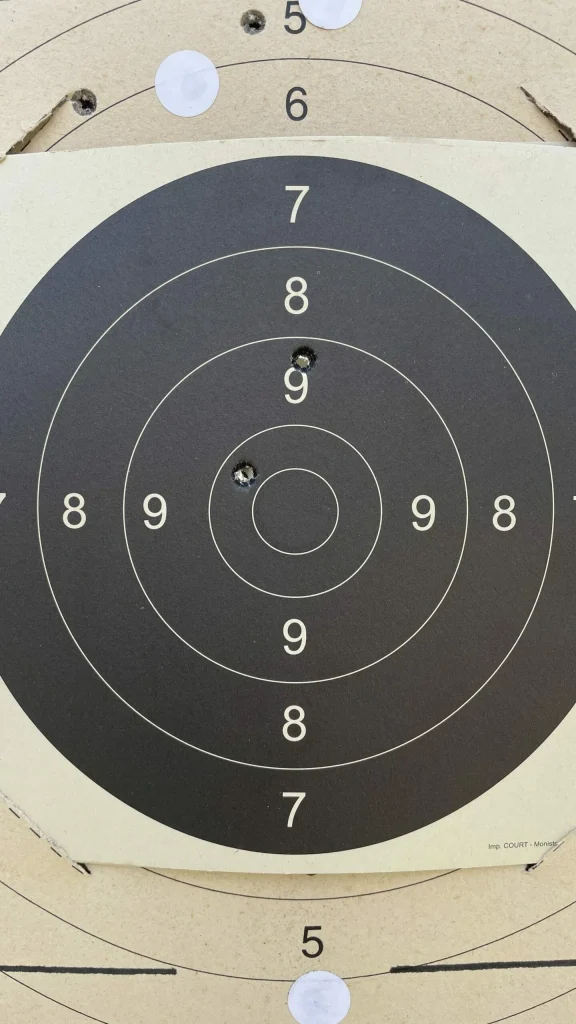
En praktisk recension från ChasseTube.fr beskrev Nocpix MATE H38R som ett äkta clip-on-vapen designat för fältbruk, inte bara en hybridenhet anpassad för rollen. Recensionen lyfte fram dess naturliga bildåtergivning, tydliga viltsilhuetter och låga visuella trötthet under observation. I deras 100-metersjämförelse med och utan clip-on-vapen var skillnaden vid träffpunkten tillräckligt liten för att kräva liten korrigering, vilket stöder MATE:s värde för jägare som vill utöka termisk kapacitet utan att bygga om sin gevärsuppsättning för dagtid.
Samma recension pekade också på praktiska fältdetaljer som är viktiga under svinjakt: integrerad laseravståndsmätare, ballistiska profilinställningar via appen, handskvänliga kontroller, förutsägbart batteribeteende och Magic Zoom för att förstora siktområdet samtidigt som användbar periferivy bibehålls. För svinjägare som tittar på matare, fältkanter eller rörliga grupper på natten, gör dessa detaljer MATE till mer än ett enkelt termiskt tillägg.
Sluttanke
Att välja ett termiskt kikarsikte för grisjakt börjar med din terräng och hur grisarna rör sig i den. Snår och matare ger ett brett synfält, låg basförstoring och snabb uppdateringsfrekvens. Öppna fält kräver en sensor med högre upplösning, ett större objektiv och tillräckligt med zoom för att identifiera mål på 300 meter eller mer. Och när ett ekolod sprider sig, håller lättviktig balans och smidig spårning dig i kampen.
Köp inte baserat på marknadsföringssortiment eller ett enskilt specifikationsnummer. Köp baserat på de förhållanden du faktiskt jagar. Utforska hela sortimentet av Nocpix värmekamerakikarsikten för att jämföra modeller efter sensor, lins och funktioner. Kontrollera alltid dina statliga och lokala bestämmelser för grisjakt innan du ger dig ut på natten.
Vanliga frågor om termisk kikarsikte för grisjakt
Kan man använda ett termiskt kikarsikte för svinjakt under dagen?
Ja. Termiska kikarsikten detekterar värme, inte ljus, så de fungerar när som helst. Grisar syns tydligt på termisk mätning under dagen, även om den termiska kontrasten kan vara lägre under varma förhållanden när marktemperaturen är nära djurets kroppstemperatur.
Vilket är det minsta identifieringsintervallet för grisjakt?
Det beror på terrängen. För uppställning av buskar och utfodringsplatser behöver du vanligtvis säker identifiering inom 100 till 150 meter. För öppna betesmarker är 200 till 400 meter ett mer realistiskt krav. En sensor på 640×512 eller högre hjälper i den längre änden av det intervallet.
Är en 384-sensor tillräckligt bra för grisjakt?
En 384×288-sensor fungerar för grisjakt på nära håll, särskilt under svalare nätter när den termiska kontrasten är stark. Inom 100 till 150 meter ger den tillräckligt med detaljer för att identifiera ett djur av grisstorlek. Bortom det avståndet ger en 640×512-sensor dig bättre målseparation och identifieringssäkerhet.
Kan ett termiskt kikarsikte fungera för både buskage och öppna fält?
Ett kikarsikte med en 640×512-sensor, ett 50 mm-objektiv och en 2x till 3,5x basförstoring täcker ett brett spektrum av scenarier. Du får tillräckligt med synfält för buskarbete och tillräcklig upplösning och zoomomfång för bilder i öppet fält. Om du bara jagar en terrängtyp kan du optimera ytterligare. Men en mellandistansuppsättning hanterar båda relativt bra.