







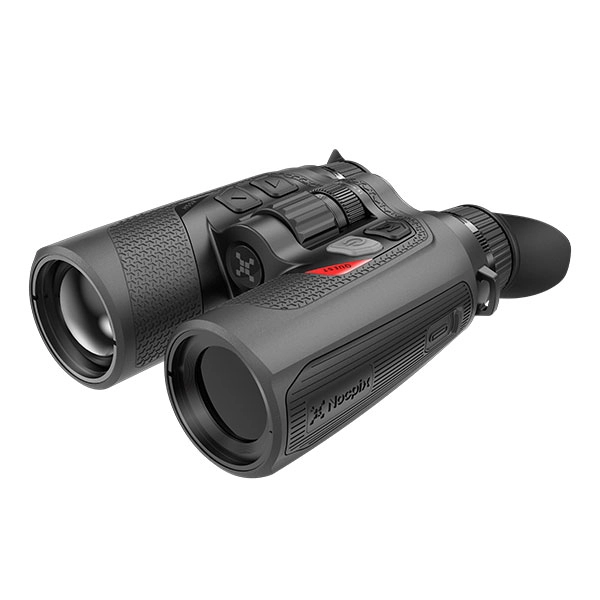
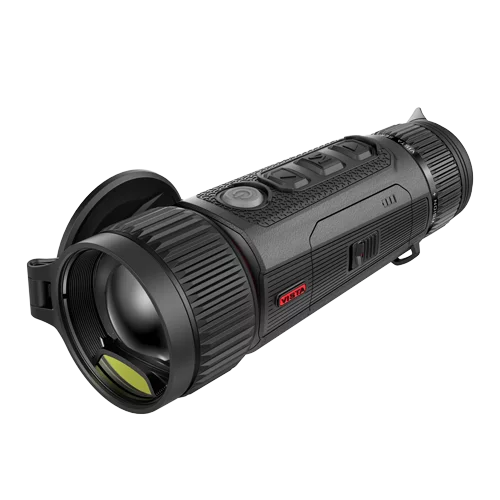
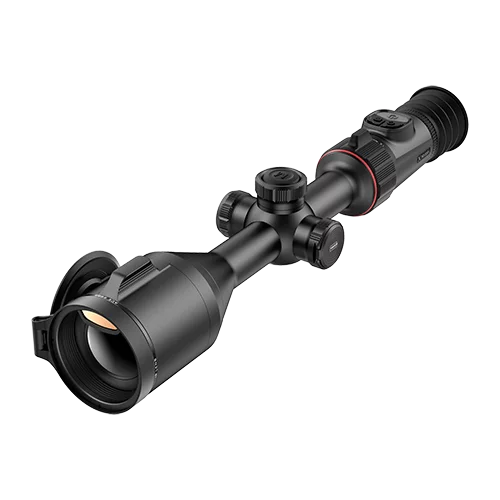
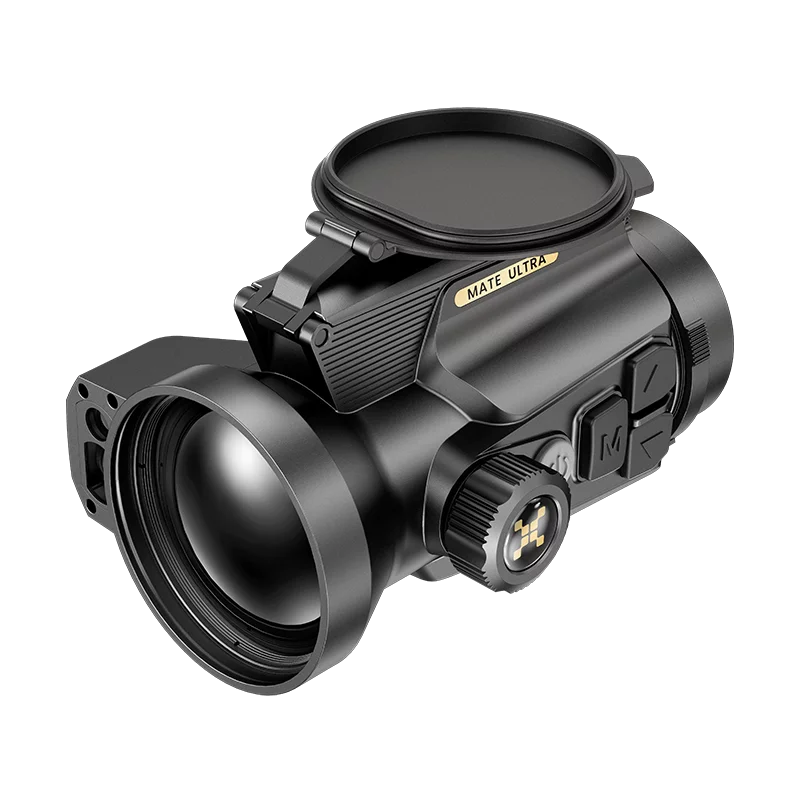


De bästa termokikarna för jakt är de som matchar hur långt du kikar, hur länge du vistas ute och vilken typ av terräng du arbetar med. Om du jagar i öppet landskap behöver du räckvidd. Om du skannar i timmar behöver du komfort. Om du är nybörjare på termokikare behöver du enkelhet och ett rimligt pris.
Nocpix bygger QUEST-serien kring just dessa behov. Varje modell är designad med dubbla AMOLED-skärmar, en inbyggd laseravståndsmätare (LRF) och en uppdateringsfrekvens på 60 Hz. Skillnaden mellan modellerna beror på sensorupplösning och objektivstorlek – och den skillnaden avgör vilken som passar din jakt.
I den här guiden går vi igenom de fyra QUEST-modellerna, förklarar vad som är viktigt när du köper en termokikare och svarar på de frågor jägare ställer sig oftast innan de köper.
Innehållsförteckning
Vilka är de bästa termiska kikarna för jägare?
Fyra QUEST-modeller täcker sortimentet från förstagångsköpare till seriösa långdistansjägare. Så här passar var och en ett specifikt behov.
Bäst för maximal skärpa — Nocpix Quest S50R
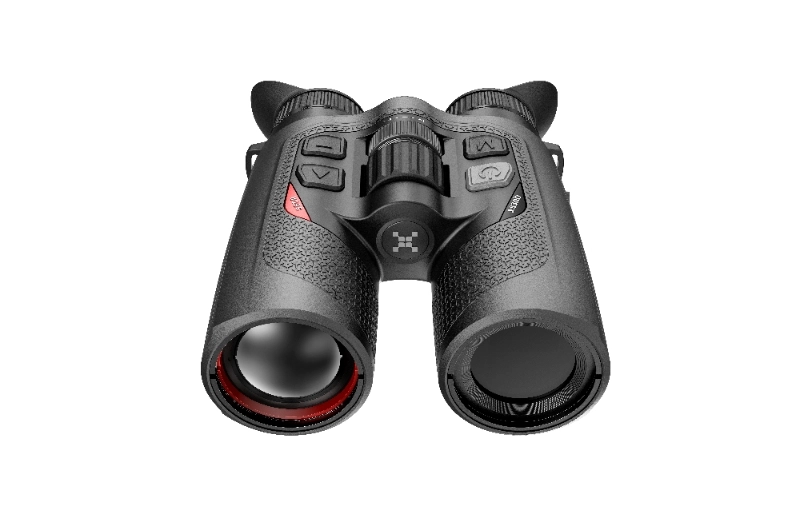
Om du vill ha den skarpaste värmebilden du kan få i en handhållen kikare, Quest S50R är toppen av QUEST-serien.
Den använder Nocpix 1280×1024-sensor med en NETD på ≤15 mK och en uppdateringsfrekvens på 60 Hz. Den sensorupplösningen är ovanlig i termiska kikare. Du får renare detaljer när du zoomar in, mindre bildförsämring i våta förhållanden och bättre separation mellan djur som är nära varandra.
50 mm F1.1-objektivet och det breda synfältet på 17,5°×14° hjälper dig att skanna stora områden snabbt. Vid 100 meter täcker fältet cirka 30×24 meter – tillräckligt för att avbilda en hel fältkant i ett svep. 2× basförstoring håller vyn bred för skanning, och digital zoom låter dig zooma in vid behov.
Den här modellen är bäst lämpad för jägare som tillbringar långa nätter bakom glaset. Dubbla AMOLED-skärmar med 1920×1200 pixlar, en utgångspupill på 10 mm och elektronisk bildstabilisering minskar ögonbelastningen. Detekteringsräckvidden når 2600 meter och LRF-räckvidden är upp till 1000 meter. Med en vikt på 750 gram och IP67-klassning hanterar den verkliga fältförhållanden.
Bäst för långdistansjakt — Nocpix Quest H50R
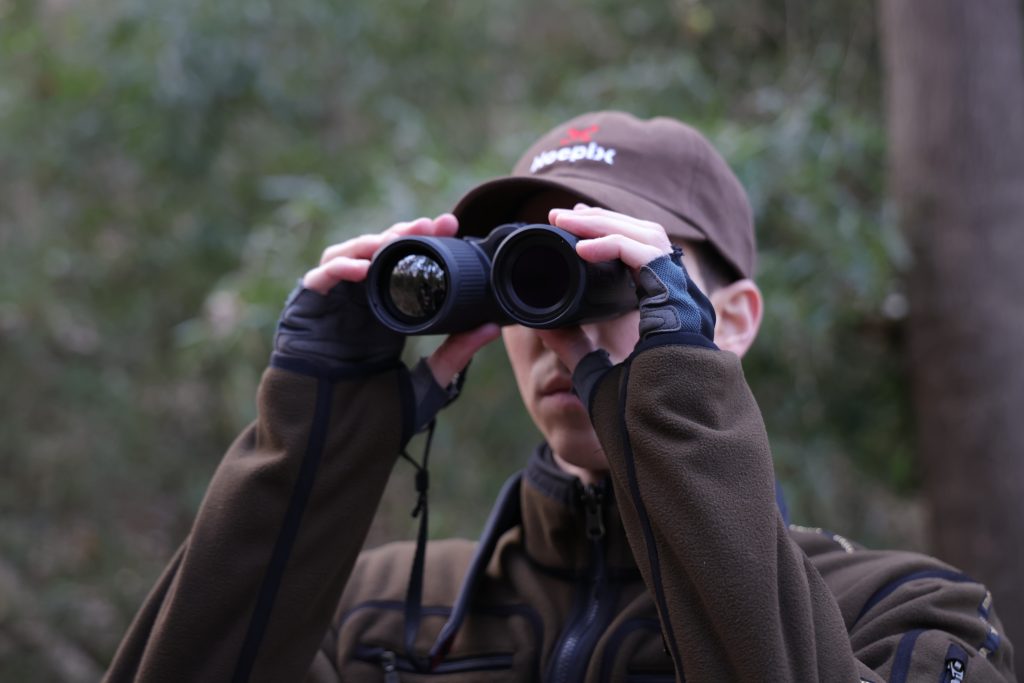
De Quest H50R är valet när du behöver nå långt ut och ändå få en användbar bild. Den kombinerar en 640×512-sensor med ett 50 mm F1.1-objektiv, vilket ger dig ett smalare synfält på 8,8°×7,0° men en starkare 4× basförstoring.
Den högre basförstoringen drar avlägsna värmesignaturer närmare utan att man behöver förlita sig lika mycket på digital zoom. På åsar, stora betesmarker och åkrar kan man upptäcka en värmekälla och börja läsa av dess form tidigare. 640×512-sensorn är en beprövad "sweet spot" – tillräckligt med pixeltäthet för att skilja en gris från en kalv på flera hundra meter.
NETD ligger på ≤15 mK och uppdateringsfrekvensen är 60 Hz, vilket håller bilden jämn i hög luftfuktighet eller lätt regn. Detekteringsräckvidden når också 2600 meter, vilket gör den till ett starkt alternativ för långa avstånd. Den integrerade LRF-funktionen matar den inbyggda ballistikräknaren när du är redo att fotografera. Om du kikar stilla från helt öppna positioner är H50R byggd för det.
Bästa valet totalt sett — Nocpix Quest H35R
För de flesta jägare, Quest H35R träffar den bästa balansen mellan bildkvalitet, synfält och portabilitet.
Den använder samma 640×512-sensor som H50R men kombinerar den med ett bredare 35 mm F0.9-objektiv. Resultatet är ett synfält på 12,5°×10° – tillräckligt brett för att skanna trädgränser och buskkanter, med tillräcklig förstoring för att identifiera vad du hittar. Vid 3× grundförstoring fungerar den naturligt i blandad terräng.
Den mindre linsen gör H35R lättare, under 700 gram. Den är enkel att bära i sele under långa jakter. Räckvidden är 1800 meter – mer än tillräckligt för de flesta jaktsituationer. Batteritiden är cirka 6 timmar, och det dubbla batterisystemet låter dig byta ut den externa 18650-batteriet utan att behöva stängas av. IP67-konstruktionen innebär att regn och damm inte är ett problem. Om du jagar i en blandning av fält, skogsbryn och böljande kullar täcker H35R allt.
Bäst för förstagångsköpare — Nocpix Quest L35R
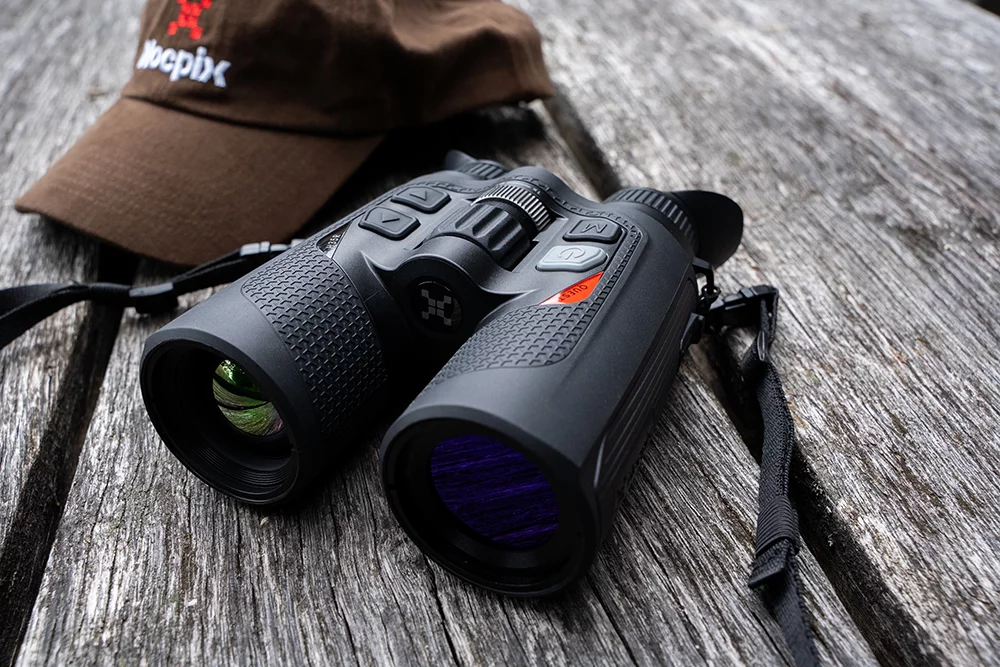
De Quest L35R är instegsmodellen i QUEST-familjen. Den har en sensor på 384×288 i kombination med samma NETD på ≤15 mK och uppdateringsfrekvens på 60 Hz som de högre modellerna.
Den termiska känsligheten spelar roll. En 384×288-sensor med stark NETD kommer ofta att prestera bättre än en sensor med högre upplösning och svag känslighet under tuffa förhållanden. L35R ger dig solid detekteringsprestanda utan att betala för en upplösning du kanske inte behöver ännu.
35 mm F0.9-objektivet ger ett synfält på 7,5°×5,7° med 5× grundförstoring. Den smalare vyn gör skanningen långsammare, men den högre grundförstoringen underlättar identifiering på måttliga avstånd. Detekteringsräckvidden är 1800 meter.
För en jägare som precis har börjat termisk kikare, L35R håller det enkelt – layout med fyra knappar, enhandskontroller och samma dubbla batterisystem som hela QUEST-serien delar. Du får LRF, ballistisk beräkning, N-LINK-anslutning och IP67-hållbarhet i ett lättare och mer prisvärt paket. Börja här och uppgradera senare om det behövs.
Vad ska du leta efter i den bästa termokikaren för jakt?
Specifikationer spelar bara roll om de matchar hur du jagar. Här är de fyra saker som faktiskt påverkar vad du ser och hur länge du kan stanna på glaset.
Sensorupplösning och bilddetaljer
Upplösningen avgör hur mycket detaljer sensorn fångar innan bilden når ditt öga. En sensor på 1280×1024 fångar över 1,3 miljoner termiska pixlar. En sensor på 640×512 fångar cirka 327 000. En sensor på 384×288 fångar cirka 110 000. Högre upplösning är mest användbar när du zoomar, när djur är delvis dolda eller när du behöver separera två värmekällor nära varandra.
Om du jagar i öppet landskap och glas på långt avstånd gör upplösningen en verklig skillnad. Om du jagar i närmare skydd och bara behöver veta att något är där, fungerar måttlig upplösning fortfarande. Nocpix-bloggen förklarar termisk oscilloskopupplösning mer detaljerat för jägare som vill dyka djupare.
NETD och uppdateringsfrekvens
NETD mäter hur litet temperaturskillnad sensorn kan upptäcka. Lägre desto bättre. QUEST-serien använder ≤15 mK, vilket är i premiumsegmentet. I dimma, lätt regn eller morgnar med låg kontrast förhindrar låg NETD att bilden förvandlas till en lerig röra.
Uppdateringsfrekvensen är hur många gånger per sekund bilden uppdateras. QUEST-serien körs på 60 Hz. Det betyder jämn spårning när ett djur rör sig. Lägre frekvenser som 30 Hz är fortfarande användbara, men 60 Hz ger dig en flytande bild som gör att panorering känns naturlig. Om du vill förstå grunderna i värmeavbildning mer fullständigt kan du kolla in Nocpix guide om... hur värmekamera fungerar för jakt.
Detektionsområde kontra identifieringsområde
Tillverkare listar detekteringsavstånd – hur långt bort sensorn registrerar att något varmt finns där. Identifieringsavstånd – hur långt bort man kan avgöra vad det där något är – är alltid kortare. Ett detekteringsavstånd på 2600 meter betyder inte att man identifierar en hjort på 2600 meter. För att identifiera ett djur, dividera detekteringsavståndet med ungefär tre till fyra.
För jakt på hjort och svin ger ett detekteringsområde över 1500 meter gott om utrymme. De flesta jägare identifierar mål på några hundra meters avstånd, och det är det som är viktigt för skottbeslut. Kontrollera alltid ditt mål visuellt innan du skjuter och kontrollera lokala jaktlagar gällande användning av termisk optik.
LRF, batteritid och ergonomi
En integrerad laseravståndsmätare gör att du slipper gissningar. Varje QUEST-modell har en 1000-meters LRF. Att veta exakt avstånd är viktigt när du jagar i öppen terräng där avstånd är svåra att bedöma med blotta ögat.
Batteritiden bör räcka en hel natt. QUEST-systemet med dubbla batterier kombinerar ett inbyggt batteri med ett utbytbart 18650-batteri. Du kan byta det externa batteriet utan att stänga av den. Närhetssensorn försätter enheten i standby-läge när du sänker ner den.
Ergonomi är viktigare än de flesta förstagångsköpare förväntar sig. En bekväm kikare känns naturlig även efter arbetstid. QUEST-serien väger 700 till 750 gram beroende på modell, med en layout med fyra knappar som du kan använda med handskar. Om du är nybörjare inom termisk optik är Nocpix guide till... bästa termiska optiken förklarar skillnaderna mellan monokulare, kikare och kikarsikten.
Sluttanke
De bästa termokikarna för jakt är inte de med de största specifikationsnumren. De är de som matchar din terräng, din kikarstil och din erfarenhetsnivå.
De Nocpix QUEST-serien täcker det området. S50R är ledande när det gäller skärpa med en 1280-sensor och ett brett synfält. H50R drar avlägsna mål närmare med 4× förstoring och ett 50 mm objektiv. H35R balanserar bildkvalitet och portabilitet för blandad terräng. L35R ger förstagångsköpare en ren introduktion utan att ta genvägar.
Varje modell delar samma kärnstyrkor: komfort för binokulärt tittande, inbyggd LRF, 60 Hz uppdateringsfrekvens, dubbla batterier och IP67-hållbarhet. Valet beror på vad du behöver mest.
Ta en titt på hela Nocpix QUEST-serien och jämför modellerna. Om du fortfarande är osäker på vilken som passar din jakt, kontakta Nocpix direkt – riktiga jägare svarar på dessa frågor och de kan utrustningen.
Och som alltid, kontrollera dina lokala jaktregler innan du använder termisk optik i fält. Lagarna varierar beroende på delstat och land, och det är ditt ansvar att känna till dem.
Vanliga frågor om termiska kikare
Kan termokikare se genom glas eller fönster?
Nej. Värmekameror kan inte se genom vanligt glas. Glas reflekterar infraröd strålning i området 8–14 µm som värmesensorer använder. Rikta en termisk kikare mot ett fönster så ser du en reflektion av dig själv – inte vad som finns utanför. Du behöver en direkt siktlinje.
Påverkar kallt väder prestandan hos binokulär värmekamerateknik? Varför?
Kallt väder förbättrar vanligtvis bildkontrasten, vilket gör att varmblodiga djur sticker ut tydligare mot omgivningen. När marken och träden är kalla ökar temperaturskillnaden, vilket skapar en starkare visuell distinktion. Enligt Pulsars guide om väder och värmebilder ger kalla, torra bakgrunder som snö några av de bästa termiska förhållandena på året. QUEST-serien hanterar kyla bra med IP67-tätning, men användare kan märka kortare batteritid och något långsammare elektronisk respons i minusgrader, vilket byter ut driftshastigheten mot förbättrad bildskärpa.
Vilket detektionsområde behöver jag för rådjurs- eller svinjakt?
För de flesta jakter på hjort och svin är 1500 till 1800 meter tillräckligt. Du kommer sällan att identifiera ett mål längre än 366–549 meter, men extra detekteringsområde ger dig tidig varning. QUEST H35R och L35R når båda 1800 meter. S50R och H50R når 2600 meter, vilket är bra för de flesta i stor, öppen terräng som västra slätter eller stora jordbruksfält.
Är termokikare värda den extra kostnaden för de flesta jägare?
Det beror på hur du jagar. Om du tittar i mer än 30 minuter åt gången är kikare märkbart bekvämare än en monokikare. Att använda båda ögonen minskar belastningen och förbättrar djupuppfattningen vid långa observationssessioner. Om du mestadels tar snabba skanningar innan du rör dig kan en bra termisk monokikare fungera bra för dig till en lägre kostnad. Nocpix har en artikel om Varför komfort är viktigt med termokikare som förklarar vetenskapen bakom binokulärt tittande mer ingående.