









Om du undrar när termiska sikten uppfanns, här är det korta svaret: de första praktiska termiska vapensiktena dök upp i slutet av 1970-talet för militärt bruk. Men om du undrar när termiska sikten faktiskt blev något som en arbetande jägare hade råd med och kunde använda i fält, börjar den historien mycket senare – det var inte förrän i mitten av 2010-talet.
Tekniken bakom värmekamerateknik har funnits i över 200 år. Resan från en laboratoriekuriositet till ett kikarsikte som du kan montera och jaga med ikväll krävde generationer av ingenjörskonst, rejäla militära utgifter och ett viktigt sensorgenombrott som förändrade allt.
Den här artikeln guidar dig genom den tidslinjen. Du får se varför tidiga termiska apparater förblev låsta i militär och industriell användning i årtionden, vad som slutligen gjorde dem tillräckligt kompakta för att monteras på ett gevär, och hur rovdjurs- och svinjägare bidrog till att driva termiska kikarsikten in i mainstream-världen.
Innehållsförteckning
När kom termiska skop ut, exakt?
Folk menar olika saker när de ställer den här frågan. Vissa frågar om själva tekniken. Andra vill veta när de kunde ha gått in i en butik och köpt ett termiskt kikarsikte för en jakt.
Båda svaren spelar roll. Låt oss analysera dem.
Värmeavbildning existerade långt före jaktkikare
Den vetenskapliga grunden går långt tillbaka. År 1800 upptäckte den brittiske astronomen Sir William Herschel upptäckte infraröd strålning — osynligt ljus bortom den röda änden av spektrumet som bär värme. Den upptäckten lade grunden för allt som följde.
De den första riktiga värmekameran kom År 1929 uppfann den ungerske fysikern Kálmán Tihanyi en infrarödkänslig elektronisk tv-kamera för luftvärnsförsvar i Storbritannien. Enligt US Geological Survey på sin sida om historien om termisk infraröd avbildning var detta födelsen av termografi som en praktisk teknik.
Under andra världskriget och kalla kriget investerade militära program pengar i att göra termisk detektion praktisk. första infraröda linjeskannern byggdes 1947 av den amerikanska militären och Texas Instruments – men det tog en timme att producera en enda bild. År 1958 utvecklade ett svenskt företag den första värmekameran som byggdes för militärt bruk.
Ändå var inget av detta ett "termiskt kikarsikte" på det sätt som jägare tänker på det idag. Det var stora, kylda system monterade på fordon, flygplan eller fasta positioner. De vägde hundratals kilo och krävde kryogen kylning för att hålla sensorerna tillräckligt känsliga för att detektera svaga värmeskillnader.
Praktiska termiska kikarsikten för jakt kom mycket senare
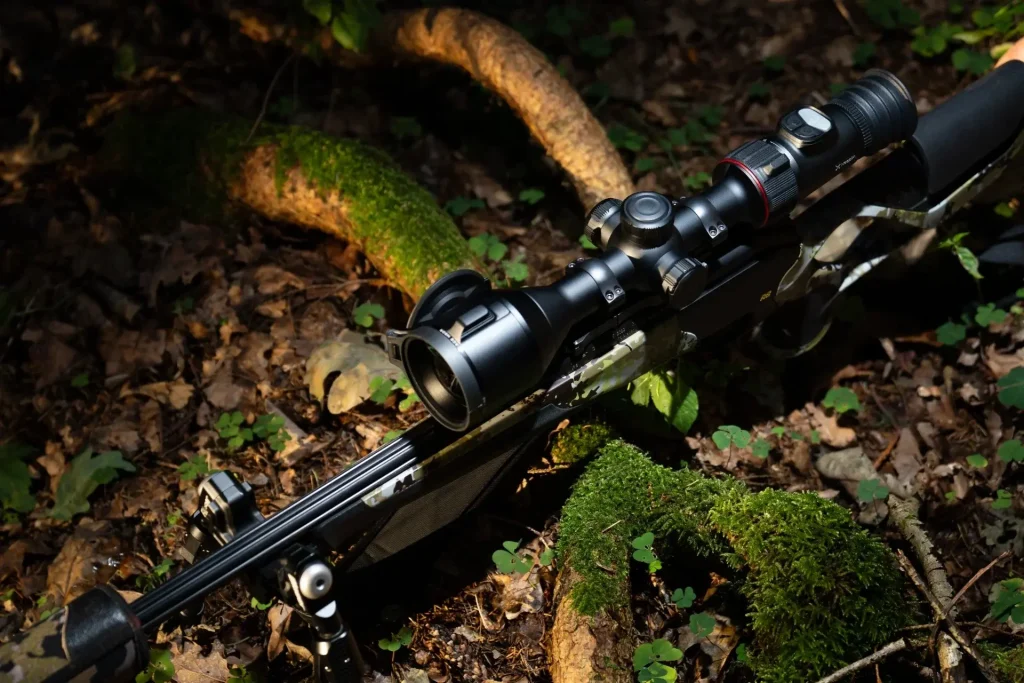
Termiska kikarsikten som kunde monteras på ett gevär började dyka upp i slutet av 1970-talet. Enligt bloggen Night Vision Guys, i deras historia om utveckling av termiska kikarsikten, gjorde framsteg inom mikroelektronik och infraröd sensorteknik under den perioden det möjligt för ingenjörer att skapa mindre, effektivare enheter som äntligen kunde monteras på vapen.
Men "mindre" är relativt. De där första generationens termiska vapensikten vägde fortfarande över 2,5 kg, kostade lika mycket som en ny lastbil och var strikt militär utrustning. Civila jägare skulle inte få tag på något praktiskt på ytterligare 15 till 20 år.
Den verkliga vändpunkten för konsumenterna kom 2014. Det året lanserades den första serien med termiska kikarsikten, specifikt byggda för icke-viltjakt, med ett pris under 1 1/4 3 500 pund – en siffra som äntligen gjorde tekniken tillgänglig för seriösa jägare. Enligt Shooting Illustrated, en officiell NRA-publikation, markerade denna lansering det ögonblick då termiska kikarsikten slutade vara ett militärt verktyg och började bli en realistisk jaktoptik. Innan dess låg de flesta termiska kikarsikten som var tillgängliga för civila på långt femsiffrigt.
Varför tog det så lång tid för termiska kikarsikten att nå jägare?
Många jägare undrar hur lång tid det tog, ungefär 200 år, mellan upptäckten av infrarött och monteringen av ett termiskt kikarsikte. Svaret beror på tre huvudsakliga flaskhalsar: storlek, kostnad och det faktum att tillverkarna helt enkelt inte designade dem för civila användare.
Tidiga system var för stora och dyra
De tidigaste värmekamerorna använde kylda sensorer. Detta innebar att de behövde kryogena kylsystem – i huvudsak miniatyrkylare – för att hålla detektorn tillräckligt kall för att fungera. En kyld sensor kan behöva stå vid -160 °C för att detektera de små temperaturskillnaderna som skapar en användbar bild.
Den kylutrustningen ökade vikten, volymen, strömförbrukningen och kostnaden enormt. Ett militärt termiskt sikte på 1980-talet kunde väga 4,5 till 7 kg, dra ström som en liten apparat och kosta 1 1/4 50 000 dollar eller mer per enhet. Ingen jägare skulle släpa det genom ett fält, och ingen tillverkare såg någon anledning att försöka sälja det till dem.
Termografi användes i specialiserad användning i åratal
I årtionden hade värmekameror exakt tre marknader: militären, brottsbekämpning och industriell inspektion. Militären ville ha dem för rekognoscering och målsökande. Polis och federala myndigheter använde dem för övervakning och sök- och räddningsinsatser. Fabriker använde värmekameror för att hitta överhettad utrustning och energiläckor.
Civil jakt var inte aktuell vid den tiden. Tekniken var hemligstämplad eller begränsad under stora delar av kalla kriget, och även när den inte var det, höll priset och storleken den stadigt i professionella händer. Jägare var helt enkelt inte på radarn hos någon termisk tillverkare före 1990-talet.
Tidiga apparater var ännu inte praktiska för de flesta jägare
När de första termiska teleskopen för konsumenter började dyka upp på 1990-talet var de fortfarande svåra att sälja för alla utom de mest hängivna nattjägarna. Man tittade på enheter som vägde över 2 kg, erbjöd bilder med låg upplösning (tänk sensorer på 160×120 eller 320×240), förbrukade batterier på ett par timmar och kostade mellan 10 000 och 30 000 dollar.
Vad förändrade och förde termiska kikarsikten in i jaktfältet?
Flera saker var tvungna att hända samtidigt för att göra termiska kikarsikten praktiska för jägare. Inget av det hände över en natt, men tillsammans vände de marknaden.
Okylda sensorer gjorde termiska enheter mindre
Det enskilt största genombrottet var utvecklingen av okylda mikrobolometersensorer. Istället för att kräva kryogen kylning kunde dessa sensorer arbeta vid rumstemperatur samtidigt som de fortfarande detekterade små värmeskillnader.
Övergången mot okylda system började i slutet av 1970-talet och början av 1980-talet. Enligt forskning publicerad av Honeywells Technological Center och dokumenterad av det vetenskapliga förlaget SPIE, utvecklade Honeywell tunnfilmsresistiva bolometermatriser under denna period. Texas Instruments arbetade parallellt med pyroelektriska matriser.
I början av 1990-talet hade Honeywell producerat en okyld mikrobolometeruppsättning med 320×240 pixlar. Den sensortekniken tog sig så småningom ut ur militära laboratorier och in i kommersiella produkter. Utan okylda sensorer skulle moderna termiska kikarsikten helt enkelt inte existera – åtminstone inte i någon form som en jägare kunde bära.
Bättre elektronik Förbättrad batteritid och bildkvalitet
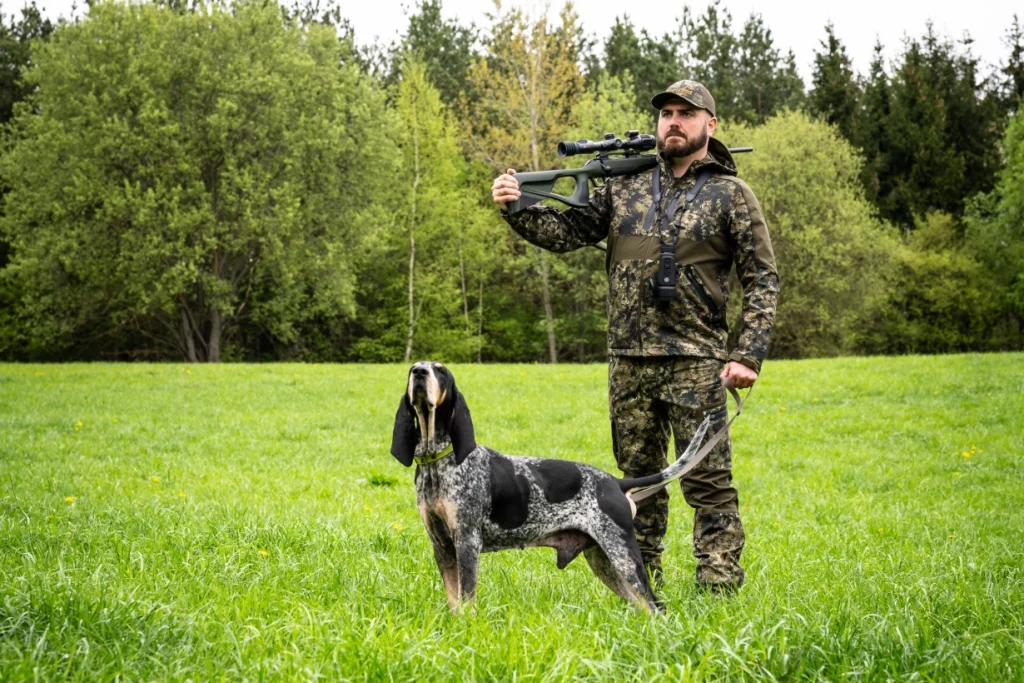
Allt eftersom sensorerna blev mindre förbättrades även elektroniken runt dem. Snabbare processorer kunde hantera bilder med högre upplösning och jämnare bildhastighet. Bättre batteriteknik innebar att man faktiskt kunde använda ett termiskt kikarsikte en hel natts jakt istället för att se strömindikatorn sjunka efter 90 minuter.
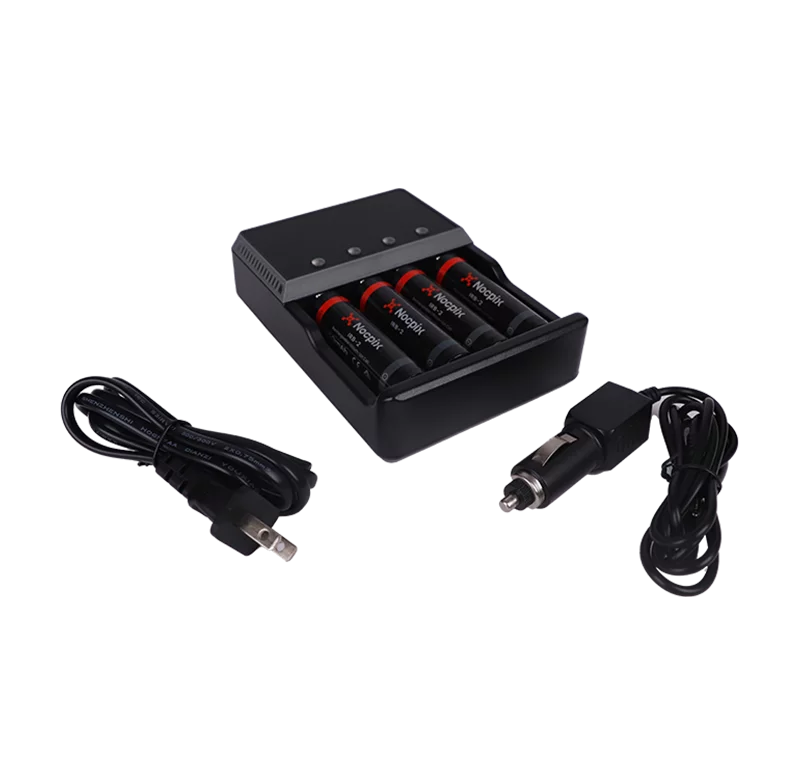
Moderna termiska kikarsikten drivs nu med laddningsbara 18650-batterier eller inbyggda litiumbatterier. Vissa, som Nocpix BOLT-serien, kombinerar interna batterier med 18650-celler som kan bytas under drift så att du kan fortsätta jaga utan att avbryta din session för att ladda. Den typen av fältklar strömhantering är ett direkt resultat av att elektronik har blivit bättre, mindre och billigare under de senaste 15 åren.
Avancerade jaktmodeller nådde tidiga användare först
Den första vågen av praktiska termiska jaktkikarsikten var fortfarande inte billig. Även de banbrytande modellerna som lanserades 2014 började på strax under $3 500 – och det ansågs vara ett banbrytande pris vid den tiden. Tidiga användare var mestadels guider, hängivna rovdjursjägare och seriösa svinbekämpningsföretag som kunde motivera kostnaden.
Men de tidiga användarna bevisade konceptet. De visade att termiska kikarsikten inte bara var militära verktyg – de var genuint användbara jaktredskap som kunde hjälpa dig att upptäcka djur du aldrig skulle se med mörkerseende eller ficklampa.
Jakt på rovdjur och svin bidrog till att öka efterfrågan
Vildsvin finns nu i minst 35 stater, och prärievargar har utökat sitt territorium till att täcka nästan hela kontinentala USA. Båda djuren är mest aktiva på natten och båda orsakar verklig skada – svin river sönder jordbruksmark, prärievargar hamrar boskap och hjortar slår rådjur.
Termiska kikarsikten är unikt lämpade för att jaga båda arterna. Ett termiskt kikarsikte behöver inte månsken eller en IR-belysning. Det ser kroppsvärme genom buskage, dimma och totalt mörker. För svin- och rovdjursjägare är den möjligheten ingen lyx – det är skillnaden mellan att komma hem tomhänt och att faktiskt avliva djur.
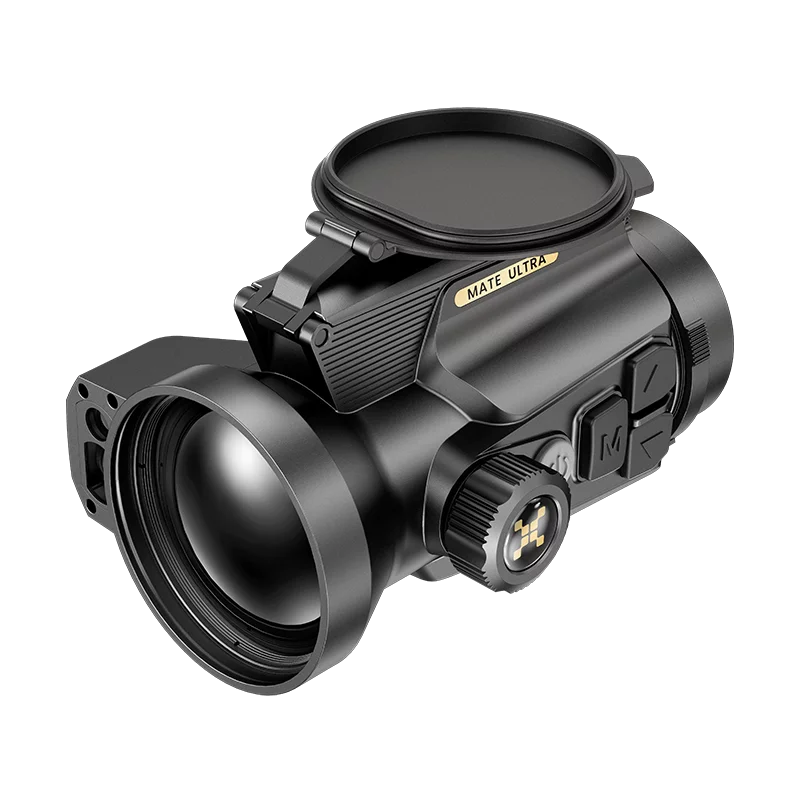
I takt med att efterfrågan ökade kom fler tillverkare in på marknaden. Konkurrensen pressade ner priserna och upp kvaliteten. Idag kan jägare välja mellan termiska kikarsikten, clip-on-tillbehör, handhållna monokulare och till och med termiska kikare – allt till priser som skulle ha verkat omöjliga för 15 år sedan.
Om du tittar på dagens alternativ, Nocpix värmekamerakikarsikten är byggda kring denna moderna standard: okylda sensorer, rekylklassad konstruktion och fältklara batterisystem designade för verkliga nattjaktförhållanden.
Hur dagens termiska skop jämförs med tidiga modeller
Om man kunde ge en jägare från 2005 ett termiskt kikarsikte från 2025, skulle de inte tro sina ögon. Så dramatiska har framstegen varit.
- Sensorupplösning: Tidiga konsumentkikare hade sensorer på 160×120 eller 320×240. Moderna flaggskeppskikar som Nocpix ACE-serien använd sensorer på 640×512 eller till och med 1280×1024, vilket producerar bilder som är tillräckligt skarpa för att identifiera djur på avstånd snarare än att bara detektera en värmeklump.
- Vikt: Gamla termiska kikarsikten vägde 1,8 till 2,8 kg. Dagens enheter kan väga under 0,9 kg, vilket gör dem praktiska för spot-and-smygakt, inte bara för att placeras ovanpå en matare.
- Batteritid: Tidiga enheter mätte körtid i minuter. Moderna kikarsikten körs i 7 till 12 timmar på en laddning, med utbytbara batterisystem som låter dig fortsätta hela natten.
- Drag: Inbyggda laseravståndsmätare, ballistiska kalkylatorer, rekylaktiverad videoinspelning och Wi-Fi-anslutning för livestreaming till en telefonapp finns alla tillgängliga på nuvarande generationens termiska kikarsikten. Inget av detta fanns på konsumentmodeller för 10 år sedan.
Termiska kikarsikten och monokularer byggda för dagens jägare
Historien om termiska kikarsikten är en berättelse om hur tekniken blir mindre, tydligare och mer tillgänglig. Nocpix fortsätter den utvecklingen med termisk optik byggd kring nattjägares verkliga behov.
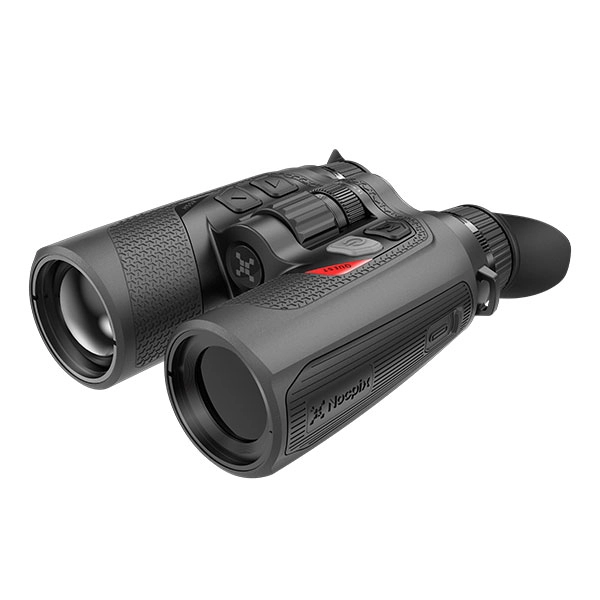
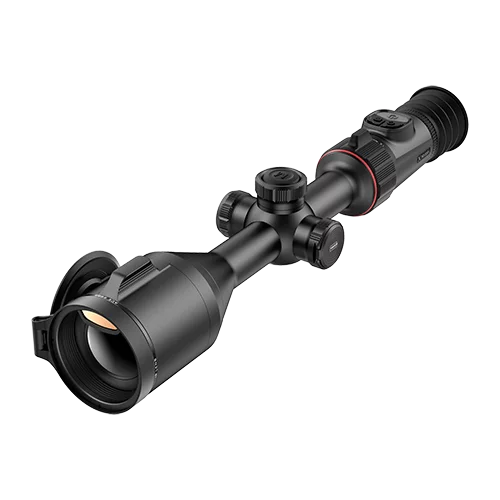
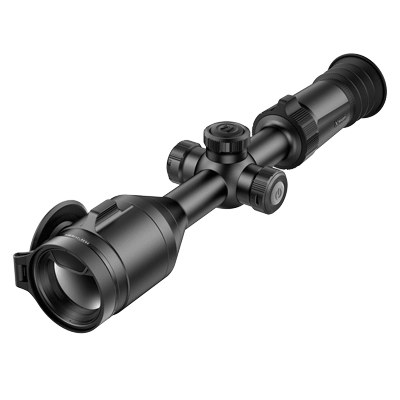
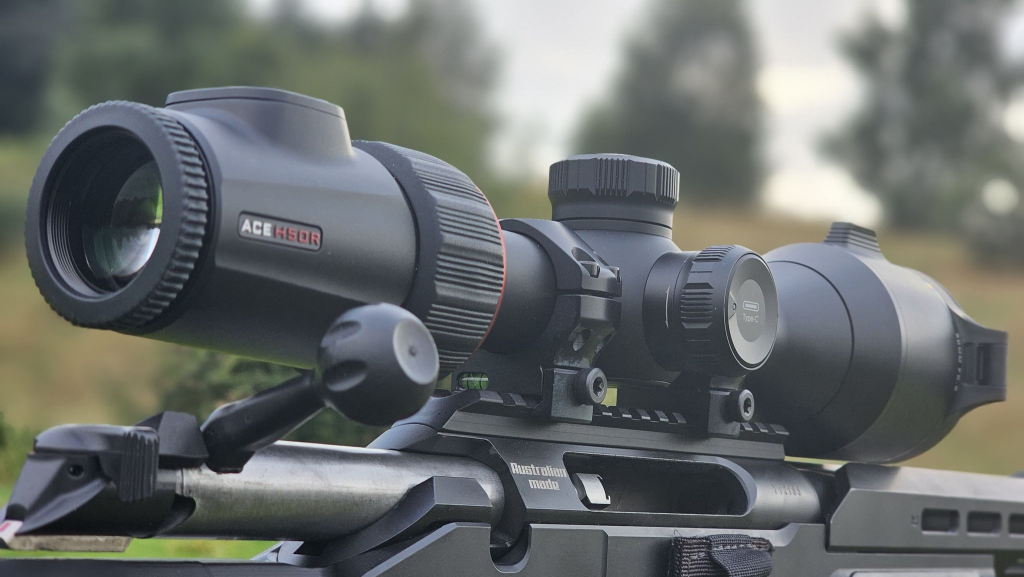
Om du letar efter ett kikarsikte som monteras direkt på ditt gevär, Nocpix ACE-serien erbjuder sensorupplösning på flaggskeppsnivå, integrerad laseravståndsmätning och okulär zoom utformad för att kännas som ett traditionellt dagkikare. För jägare som är nya inom termisk kikare, BOLT-serien paketerar viktig termisk kapacitet i en nybörjarvänlig plattform med inbyggd LRF och ballistiskt stöd.
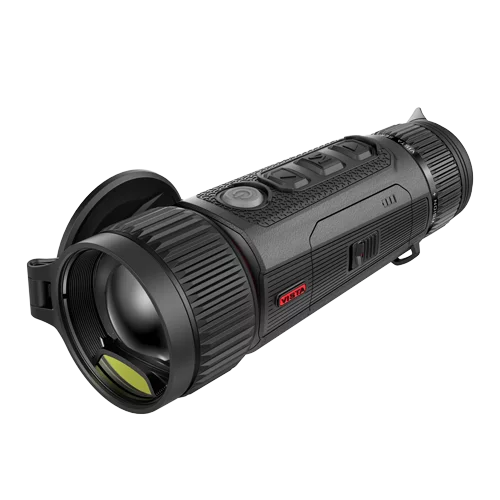
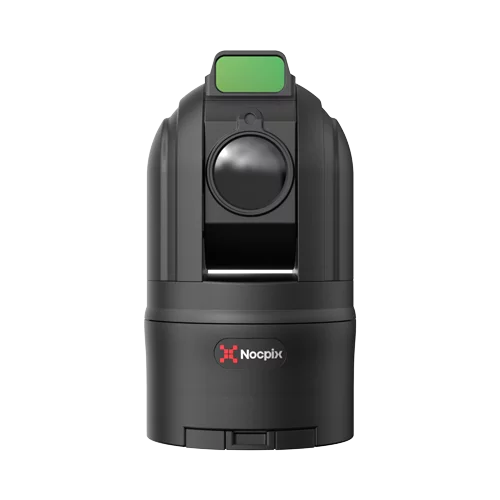
Om du behöver en handhållen skanner för att observera innan du skjuter, Nocpix LUMI-serien monokulärer Håll sakerna kompakta och lätta – under 345 gram – så att du kan skanna fält och trädgränser utan att slita ut armarna under en längre tid.
Oavsett vilken väg du väljer, kom ihåg att kontrollera dina lokala jaktregler innan du använder termisk optik på natten. Reglerna varierar beroende på stat och art, och inte alla jurisdiktioner tillåter elektroniska sikten för allt vilt.
Sluttanke
Frågan “när uppfanns termiska kikarsikten” har inget entydigt svar – och det är faktiskt poängen. Det termiska kikarsiktet på ditt gevär idag är resultatet av 200 års vetenskap, 50 års militär utveckling och cirka 10 år av intensiv konsumentdriven förbättring.
Om du jagar år 2025 använder du teknik som skulle ha verkat som science fiction för jägare för bara en generation sedan. Sensorerna är skarpare, batterierna håller längre och kontrollerna är enklare än något som fanns tillgängligt för bara fem år sedan. Och trenden avtar inte.
Om du är redo att se vad modern värmekamerateknik kan göra för dina egna jakter är nästa steg enkelt: jämför dagens värmeoptik sida vid sida. Börja med Nocpix värmekamerakikarsikten för att se vad som passar din jaktstil, ditt gevärssetup och din budget. Och som alltid, kontrollera dina lokala jaktregler innan du ger dig ut med termisk optik på natten.
Vanliga frågor om när termiska skop kom ut
Är termiska kikarsikten nyare än mörkerseende?
Nej – den underliggande vetenskapen är faktiskt äldre. Infraröd strålning upptäcktes år 1800, långt innan mörkerkikare dök upp under andra världskriget. Men praktiska mörkerkikare nådde jägare årtionden innan termiska kikare gjorde det. Mörkerkikare för konsumenter var tillgängligt på 1970- och 1980-talen, medan termiska kikare för konsumenter inte blev allmänt tillgängliga förrän på 2010-talet.
Vad är skillnaden mellan ett termiskt kikarsikte och en termisk monokulär?
Ett termiskt kikarsikte är byggt för att monteras på ett gevär. Det måste hantera rekyl, hålla nollställningen och ha ett siktemedel för siktning. En termisk monokulär är en handhållen skanningsenhet – lättare, mer portabel och avsedd för detektering snarare än skjutning. Många jägare bär med sig båda: en monokulär för skanning och ett kikarsikte för skottet. Du kan bläddra bland... Nocpix termiska monokularer för att se hur de jämförs med gevärsmonterade alternativ.
Varför var tidiga termiska skop så dyra?
Det korta svaret: kylda sensorer. Tidiga värmekameror behövde kryogena kylsystem för att hålla detektorerna tillräckligt kalla för att fungera. Det ökade hårdvaran, strömförbrukningen och de ökade tillverkningskostnaderna enormt. Priserna sjönk inte förrän okylda mikrobolometersensorer mognade på 1990- och 2000-talen, och även då tog det år att bygga upp konsumentvolymerna.
När började jägare använda termiska kikarsikten?
Några tidiga användare började experimentera med termiska kikarsikten i slutet av 1990-talet och början av 2000-talet, främst för bekämpning av svin och rovdjur. Men den verkliga förändringen skedde runt 2014, då den första dedikerade jaktserien med termiska kikarsikten lanserades till ett pris under 1 1/4 3 500 pund. Den breda användningen bland jägare har accelererat sedan omkring 2018 i takt med att fler märken kom ut på marknaden och priserna fortsatte att sjunka.
Vad gjorde termiska kikarsikten mindre och mer praktiska?
Utvecklingen av okylda mikrobolometersensorer, som påbörjades på Honeywell i slutet av 1970-talet och början av 1980-talet. Dessa sensorer eliminerade behovet av kryogen kylning, vilket tog bort den största källan till vikt, volym och kostnad från termiska enheter. Bättre batterier, snabbare processorer och förbättrade tillverkningstekniker gjorde resten.