







Finding the best budget thermal scope for coyote hunting starts with knowing what “budget” actually gets you in 2026. You can put a thermal scope on your rifle for around $1,200—but the image quality, identification range, and feature set change fast as you move up even a few hundred dollars.
This guide breaks down what to look for by hunting style, which specs affect your shot confidence on coyotes, and where the real trade-offs sit at each price level. We also cover common mistakes that cost hunters time and money. If you want a deeper look at what drives pricing, our breakdown of why thermal scopes are so expensive explains the sensor, lens, and manufacturing costs behind every model.
Which Budget Thermal Scope Is Right for You?
Your hunting terrain and engagement distance should guide your choice more than any spec sheet. A scope that works for a 75-yard call setup in Mesquite may not give you enough identification at 250 yards across an open wheat field.
Budget Price Ranges in 2026
Thermal riflescope pricing follows a pattern tied to sensor resolution, lens size, and feature set. Here is a general breakdown of what to expect:
| Budget Tier | Approximate Price Range | Resolución del sensor | Example Model |
|---|---|---|---|
| Nivel de entrada | ~$1,100–$1,300 | 256×192 | Nocpix BOLT P25R |
| Entry-Mid | ~$1,700–$2,000 | 384×288 | Nocpix BOLT L35R |
| Gama media | ~$2,400–$2,700+ | 640×512 | Nocpix BOLT H50R |
Note: Prices are approximate MSRPs and may vary by region and retailer. Always confirm current pricing before purchasing.
Best for Close Call-and-Shoot Setups Under 150 Yards
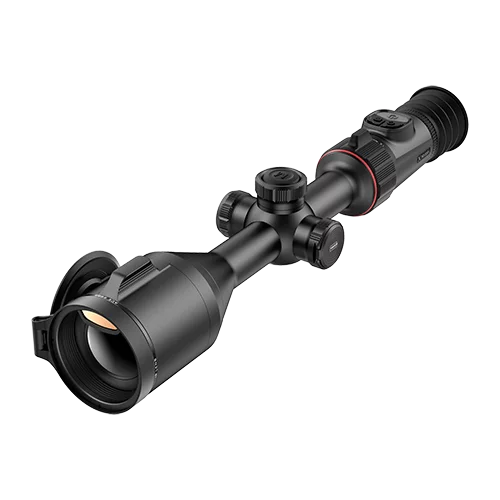
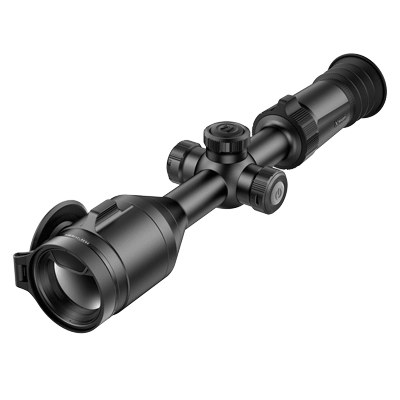
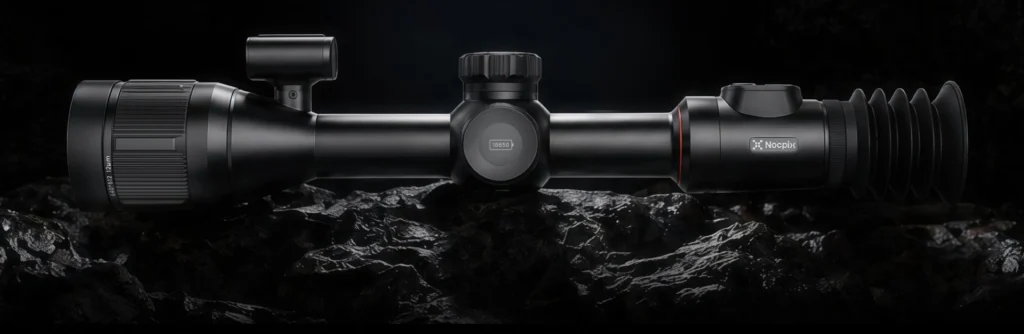
The BOLT P25R is a no-nonsense thermal weapon sight built for hunters who demand reliability and real-world performance at the lowest entry point. It features a 256×192 12μm sensor and a 25mm F1.0 objective lens, with a detection range of up to 1,300 yards.
For coyote hunters calling animals into close range over feeders, brush lines, or fence rows, the P25R gives you enough resolution to positively identify a coyote inside 150 yards. It combines advanced thermal imaging with a built-in 1,200m laser rangefinder and ballistic calculator—features rarely found at this price point.
At around $1,199, it is one of the most affordable thermal riflescopes that includes a built-in LRF. The dual battery system (5,000mAh built-in + replaceable 18650) runs for up to 12 hours, which covers a full night of calling. At 880g, the compact size and modest weight make it well-suited to smaller rifles, especially bolt-action .223 or AR-platform setups.
Keep in mind: a 256 sensor will show a coyote-sized heat signature at distance, but the shape detail drops off past 150 yards. If your setups regularly push beyond that, step up to the L35R.
Best for Mixed Terrain and Varied Distances (100–250 Yards)
El Serie Nocpix BOLT L35R model is the sweet spot for coyote hunters working a mix of pastures, hay fields, and tree-lined edges.
The BOLT L35R packs a 384×288, 12μm thermal sensor and a fast F1.0 35mm lens for excellent image quality and a detection range of up to 1,800 yards. The larger sensor and lens combination give you a clearer image at distances where the P25R starts to get grainy. At around $1,799–$1,999, it sits at the top of what most hunters would call the “budget” range.
The L35R’s 35mm lens provides a narrower field of view but is optimized for longer-distance identification. That trade-off is worth it when you’re calling across 200 yards of open pasture and need to confirm your target before pulling the trigger.
Like the P25R, it includes a built-in 1,200m LRF and ballistic calculator, IP67 weatherproofing, and mounts with standard 30mm rings. For a coyote hunter who works different properties with different terrain, the L35R handles the widest range of realistic setups.
Best for Open-Country Coyote Hunting Past 200 Yards
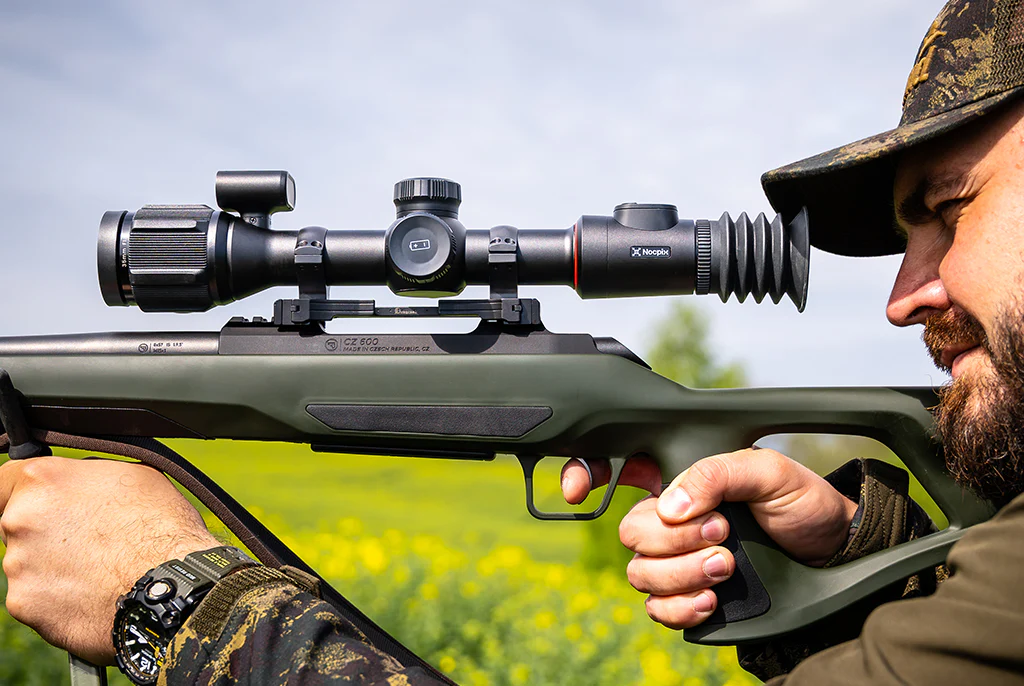
When your shots regularly stretch past 200 yards—wide-open ranch country, agricultural flats, or ridge-to-ridge calling—a 640×512 sensor is the right move. The BOLT H50R packs a 640×512 thermal sensor, 50mm F1.0 lens, 1,200m laser rangefinder, and smart ballistics into a rugged, IP67-rated housing, with a dual-battery 9-hour runtime.
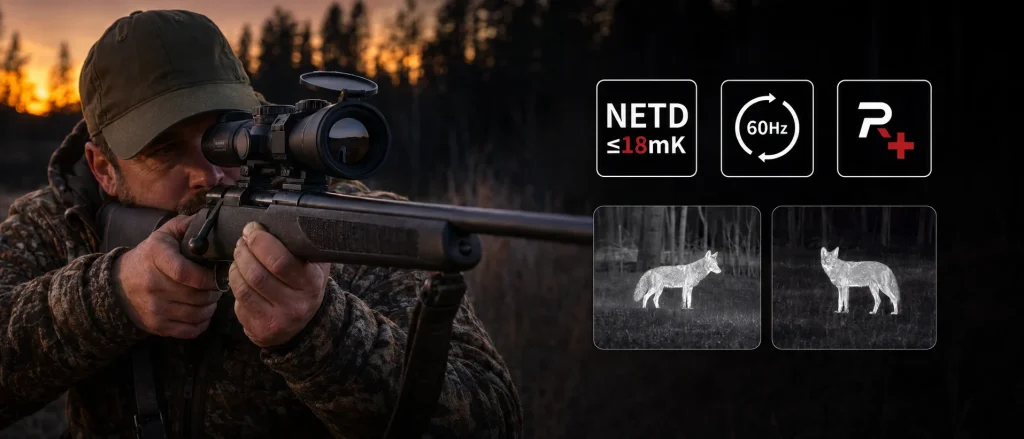
At the heart of the scope is a 640×512 thermal sensor with a sub-18mK NETD, capable of detecting heat signatures at distances of up to 2,600m, paired with a 50mm F1.0 lens, 3–24x magnification and a 60Hz refresh rate. The jump from 384 to 640 resolution means you can identify a coyote at distances where a 384 sensor only shows you a blob.
At around £2,499 (UK pricing; check regional availability), the H50R stretches the budget definition—but for serious open-country predator hunters, the identification confidence at longer ranges is worth the investment. To understand how resolution affects what you see in the field, check our Guía de resolución de visores térmicos.
Quick Comparison Table
| Característica | PERNO P25R | PERNO L35R | BOLT H50R |
|---|---|---|---|
| Sensor | 256×192 | 384×288 | 640×512 |
| Objective Lens | 25mm F1.0 | 35 mm F1.0 | 50mm F1.0 |
| Rango de detección | ~1,300m | ~1,800m | ~2,600m |
| Frecuencia de actualización | 50Hz | 50Hz | 60 Hz |
| NETD | ≤20mK | ≤20mK | ≤18mK |
| LRF | 1,200m | 1,200m | 1,200m |
| Aumento | 3.5–14x | 3.5–14x | 3–24x |
| Batería | Dual, ~12h | Dual, ~12h | Dual, ~9h |
| Approx. MSRP | ~$1,199–$1,399 | ~$1,999–$2,099 | ~$3,299–$3,399 |
Detection ranges are manufacturer-rated under ideal conditions. Identification range is shorter—see section below.
The Specs That Affect Coyote Hunting Performance
Not every spec on a thermal scope matters equally for coyote hunting. Here is where to focus.
Resolución del sensor y distancia de identificación real
Sensor resolution determines how much detail you see at range. A 256×192 sensor can detect a coyote-sized heat source at 1,000+ yards, but you may not be able to confirm it’s a coyote—and not a fox, a dog, or a rock holding daytime heat—until you’re much closer.
For positive identification before taking a shot:
- 256×192: Reliable ID typically under 150 yards for a coyote-sized target.
- 384×288: Reliable ID extends closer to 200–250 yards.
- 640×512: Reliable ID can push past 300 yards in good conditions.
These numbers shift based on atmospheric conditions, NETD sensitivity, lens quality, and the image algorithm running inside the scope. Higher-resolution sensors preserve more image detail when digitally zooming, making target confirmation easier at longer distances. Our guide on hasta qué distancia pueden ver los visores térmicos covers this in more detail.
Refresh Rate for Moving Coyotes
A 50Hz refresh rate is enough for most coyote hunting. Coyotes often approach at a trot, and 50Hz keeps the image smooth at that speed. A 60Hz rate, as the BOLT H50R offers, adds a bit more fluidity when tracking a running coyote across open ground—but it’s not the make-or-break spec some sellers suggest.
Base Magnification and Field of View
A 3.5x base magnification works well for coyote setups. It gives you a wide enough view to spot incoming animals at close and mid-range without zooming out. Higher digital zoom (14x on the BOLT P25R and L35R) is helpful for confirmation, but the image gets softer as you push digital zoom.
Rango de detección frente a rango de identificación.
This distinction trips up a lot of first-time thermal buyers. Detection range is the maximum distance a scope can register a heat source. The identification range is where you can tell what that heat source actually is. Detection range is NOT the same as ID range. Always base your buying decision on identification range—that’s the distance where you can make a safe, ethical shot.
Battery Life and Scope Weight
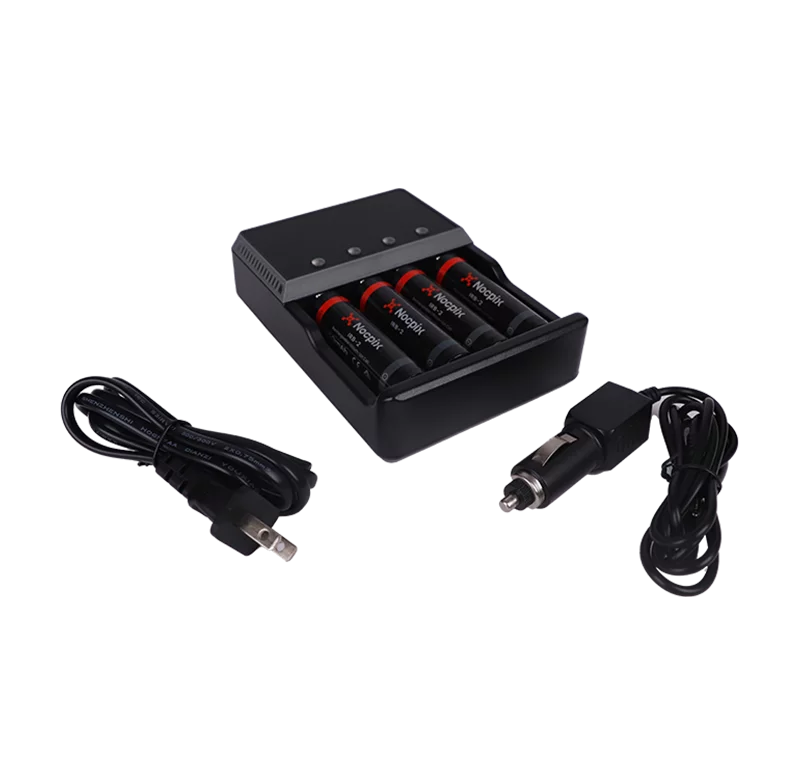
An all-night coyote hunt can last 6–10 hours. Budget thermal scopes with only a single small battery may not cover a full session. The BOLT series uses a dual-battery system (built-in rechargeable + replaceable 18650) that gives extended runtime without adding much weight. At around 880g for the P25R and L35R, you won’t feel weighed down during mobile hunts.
What You Can Realistically Expect From a Budget Thermal Scope
What a Budget Thermal Scope Can Reliably Do
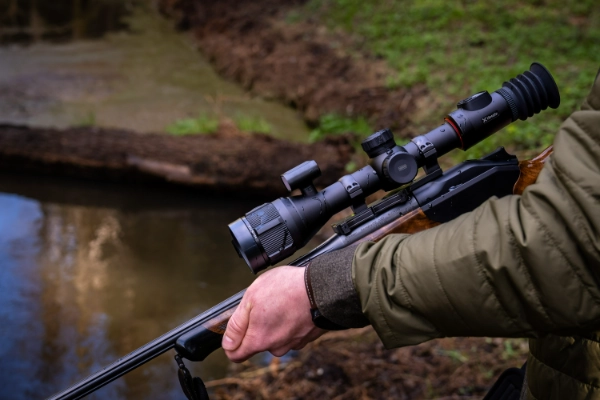
A good budget thermal scope gives you the ability to detect coyotes across a field, positively identify them at close to moderate range, and place an accurate shot using a built-in reticle and ballistic tools. You’ll scan dark tree lines, spot heat signatures against cold ground, and track an animal’s movement before you call it in.
At the $1,200–$2,000 range, you can expect clear imaging inside 200 yards, a usable LRF, weatherproof construction, and enough battery to hunt through a full night.
What a Budget Thermal Scope Will Not Do
A budget thermal scope will not match the image clarity, identification range, or edge detail of a $4,000+ flagship model. You won’t get ultra-sharp detail at 400 yards. Digital zoom will get grainy past a certain point. And the image will not look like a daytime scope—thermal imaging shows heat contrast, not visual detail.
Expecting a flagship experience from a budget price leads to frustration. Set your expectations to the capability of your sensor and lens pairing, and use the scope within its effective identification range.
How Weather and Humidity Affect Field Performance
Rain, fog, and high humidity reduce thermal contrast. Heat signatures wash out faster in wet air. A scope with a lower NETD rating (like ≤18mK on the H50R) handles these conditions better than one with a higher NETD. Reality+ image processing, available across the BOLT lineup, helps maintain image clarity in poor weather by reducing noise and enhancing edge detail.
Cold, dry nights produce the best thermal contrast. Plan your hunts around weather patterns when possible, and know that your scope’s effective range drops when humidity climbs.
When It Makes Sense to Stretch the Budget
If you hunt open country regularly, if your state allows night hunting on large ranches, or if you plan to keep the scope for 5+ years, moving from a 256 to a 384 or from a 384 to a 640 sensor will pay off. The cost per year of ownership drops fast when you buy the right scope the first time. For help deciding where to draw the line, our guide on Cómo elegir una mira térmica walks through the factors that shape that decision.
Common Buying Mistakes Budget Coyote Hunters Make
Buying by Detection Range Instead of Identification Range
A scope may say it detects at 1,800 yards. That does not mean you’ll identify a coyote at 1,800 yards. Focus on realistic identification distance based on the sensor, lens, and your typical shooting scenarios.
Choosing 256 Resolution When 384 Is Needed
If your calling setups regularly put coyotes at 200 yards or more, a 256 sensor may not give you enough detail for confident target confirmation. A 384 sensor costs a few hundred dollars more but extends your usable range significantly.
Ignoring Battery Life for All-Night Hunts
Running out of battery mid-hunt is a common problem. Look for scopes with dual-battery systems or hot-swappable batteries. The BOLT’s built-in + 18650 design lets you carry spare cells and swap them without shutting down the scope.
Buying a Heavy Scope for a Mobile Setup
Coyote hunting often means walking between stands, driving between properties, and setting up quickly. A scope over 1 kg adds noticeable weight to a light rifle. The BOLT P25R and L35R stay under 900g—light enough to carry all night.
Expecting Flagship Image Quality at Budget Prices
Every dollar you save means a trade-off somewhere—sensor resolution, lens diameter, display quality, or image processing speed. That’s normal. Buy for what the scope does well, not for what you wish it could do.
Conclusión
The best budget thermal scope for coyote hunting depends on where you hunt and how far you shoot. For close-range calling under 150 yards, the BOLT P25R delivers the features you need—including LRF and ballistic tools—at the lowest entry point. For mixed terrain out to 250 yards, the BOLT L35R gives you more resolution and range. For open-country setups past 200 yards, the BOLT H50R’s 640 sensor makes identification at distance realistic.
Set your expectations around identification range, not detection range. Buy for your actual field conditions. Always check your local and state regulations before hunting at night with thermal optics.
Browse the full lineup of Miras telescópicas térmicas Nocpix to compare models and find the right fit for your coyote setup.
Preguntas frecuentes
- What is the cheapest thermal scope worth buying for coyote hunting?
The Nocpix BOLT P25R, at around $1,199, is one of the most affordable thermal scopes that includes a built-in laser rangefinder and ballistic calculator. At its core is a 256×192 12μm sensor paired with a 25mm F1.0 lens, with a detection range of up to 1,300 yards. It handles close-range setups under 150 yards well.
- Is 50Hz enough for coyote hunting?
Yes. A 50Hz refresh rate provides smooth enough imaging to track a coyote approaching at a walk or trot. 60Hz adds slightly smoother tracking for fast-moving targets, but 50Hz covers the vast majority of real-world predator hunting situations.
- Can a budget thermal scope work in fog or rain?
Thermal scopes can see through light fog and rain better than visible-light optics. Heavy moisture in the air reduces thermal contrast and shortens your effective identification range. Scopes with lower NETD ratings and image enhancement algorithms, like Nocpix’s Reality+ system, handle poor weather conditions better.
- What magnification is best for coyote hunting?
A 3.5x base magnification works for most setups. It gives a wide field of view for scanning at close range while allowing digital zoom for confirmation at a distance. Avoid relying on high digital zoom for shot placement—image quality degrades with each zoom step.
- Should I buy a thermal scope with a built-in rangefinder?
A built-in LRF saves you from carrying a separate ranging device and speeds up your shot process. For coyote hunting, where you may have only a few seconds to confirm range and shoot, an integrated rangefinder is a practical advantage—especially at night, when using a handheld rangefinder is harder.