






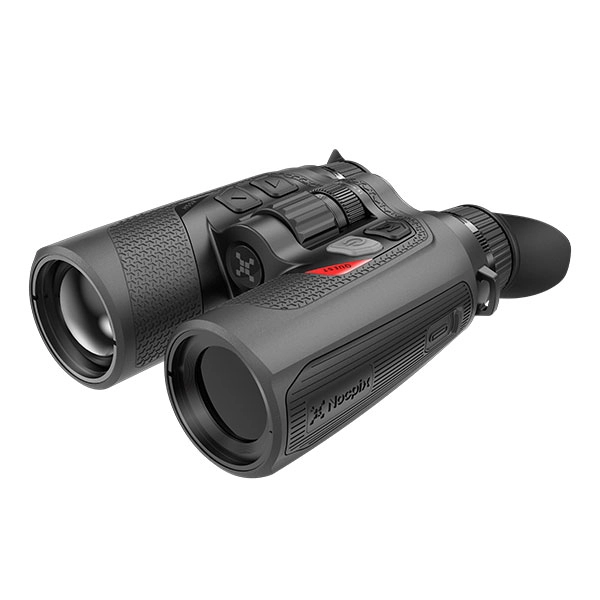
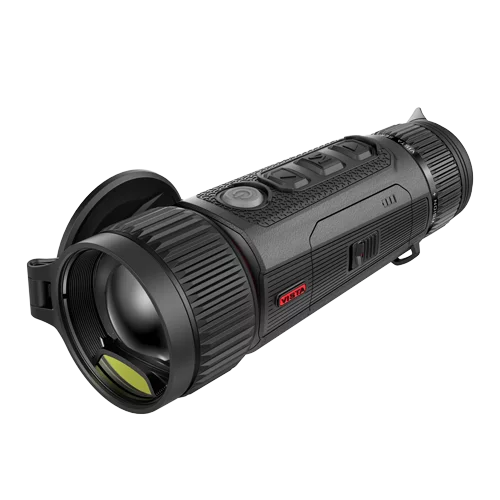
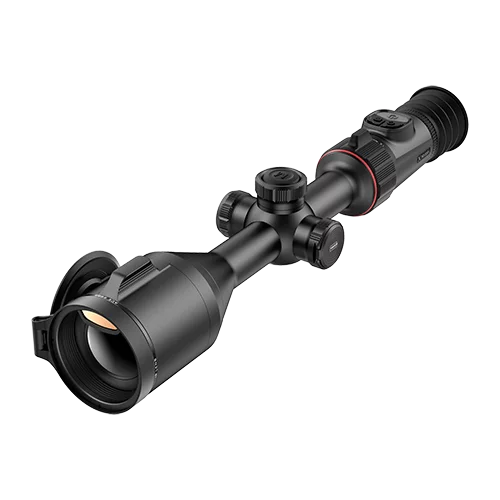
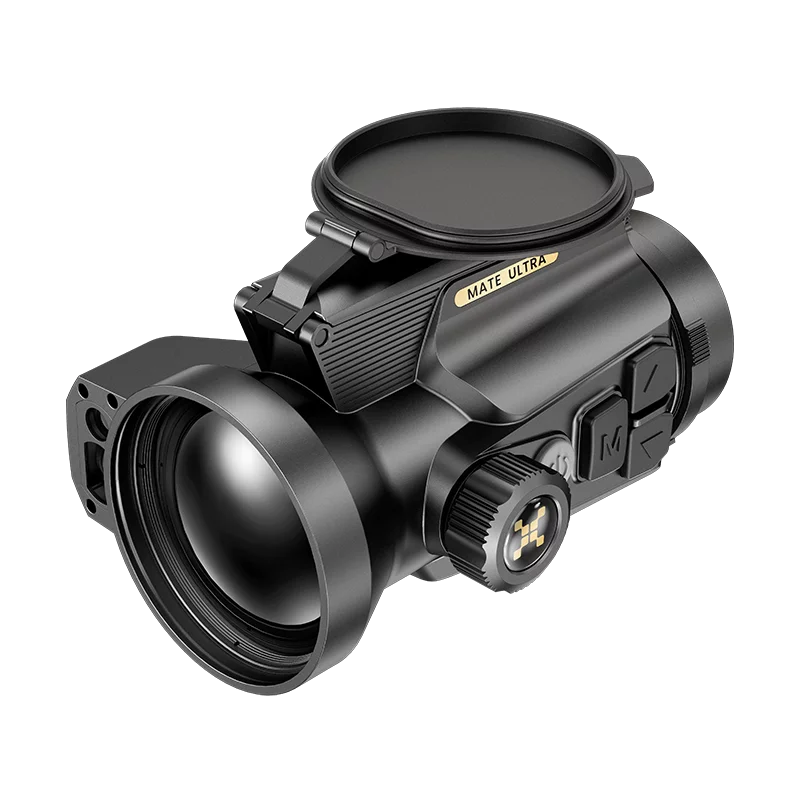


¿Cuál es la mejor resolución para un visor térmico? Para la mayoría de los cazadores, 640×512 es la opción ideal, ya que ofrece un gran nivel de detalle en la imagen, un rendimiento de zoom útil y un precio que aún resulta asequible.
Dicho esto, la mejor opción depende de cómo caces. Si sueles cazar en linderos de árboles, zonas de alimentación, matorrales y a distancias de hasta unos cientos de metros, puede que no necesites la máxima resolución del mercado. Pero si cazas en terrenos abiertos, dedicas mucho tiempo a explorar antes de moverte o buscas la imagen más nítida posible al hacer zoom, una mayor resolución puede marcar la diferencia.
Un buen visor térmico no se limita a detectar una mancha de calor. Se trata de diferenciar un animal del fondo, leer su forma con mayor claridad y tomar mejores decisiones en condiciones de poca luz o en completa oscuridad. Por eso la resolución es importante, pero no es lo único que importa.
Aún debes considerar la distancia neta de detección (NETD), el tamaño del objetivo, el campo de visión y tu método de caza habitual. Y como siempre, consulta la legislación local y confirma tu objetivo cuidadosamente antes de disparar.
Tabla de contenido
¿Qué resolución de endoscopio de imagen térmica es la mejor?
La resolución 640×512 es la mejor opción en general para la mayoría de los cazadores, ya que equilibra la calidad de imagen, el alcance, el rendimiento del zoom y el precio mejor que cualquier otra gama.
640×512: la mejor opción para la mayoría de los cazadores.
La resolución 640×512 ofrece a la mayoría de los cazadores la mejor combinación de claridad y practicidad. Es lo suficientemente detallada para la caza nocturna, ofrece un mejor rendimiento con el zoom digital y aún se encuentra en modelos más asequibles que las unidades premium de 1280. Si buscas una mira telescópica que funcione bien en los bordes de los campos, en praderas abiertas y en terrenos mixtos, esta suele ser la opción más segura.
384×288 — cuando sigue siendo la compra más inteligente
La resolución 384×288 sigue siendo una buena opción para quienes cazan a distancias razonables y buscan un rendimiento sólido sin gastar de más. Funciona bien para principiantes, para la caza a corta y media distancia, y para cazadores que priorizan la detección fiable sobre la nitidez de la imagen. Si la mayoría de tus disparos son a distancias moderadas y estás aprendiendo a usar la visión térmica por primera vez, esta gama sigue siendo una excelente opción.
1280×1024: la opción premium para cazadores que desean la imagen más nítida.
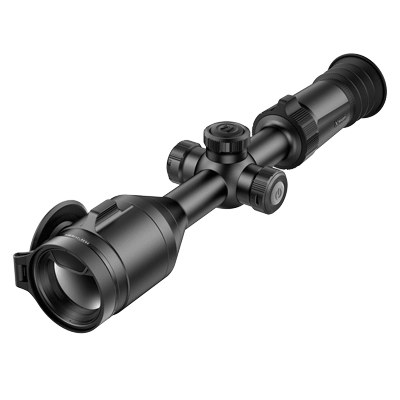
1280×1024 es la opción premium para cazadores que desean el máximo detalle, vistas con zoom más nítidas y una imagen más refinada en situaciones exigentes. Aquí es donde Nocpix destaca. Modelos como el ACE S60R y RICO 2 S75R Utiliza sensores de 1280 × 1024, lo que proporciona a los cazadores una imagen más nítida y con mayor riqueza de información para explorar terrenos abiertos y confirmar detalles con menor distorsión. Si desea ir un paso por delante en la caza a larga distancia o en zonas de alta exigencia, esta gama ofrece una ventaja real.
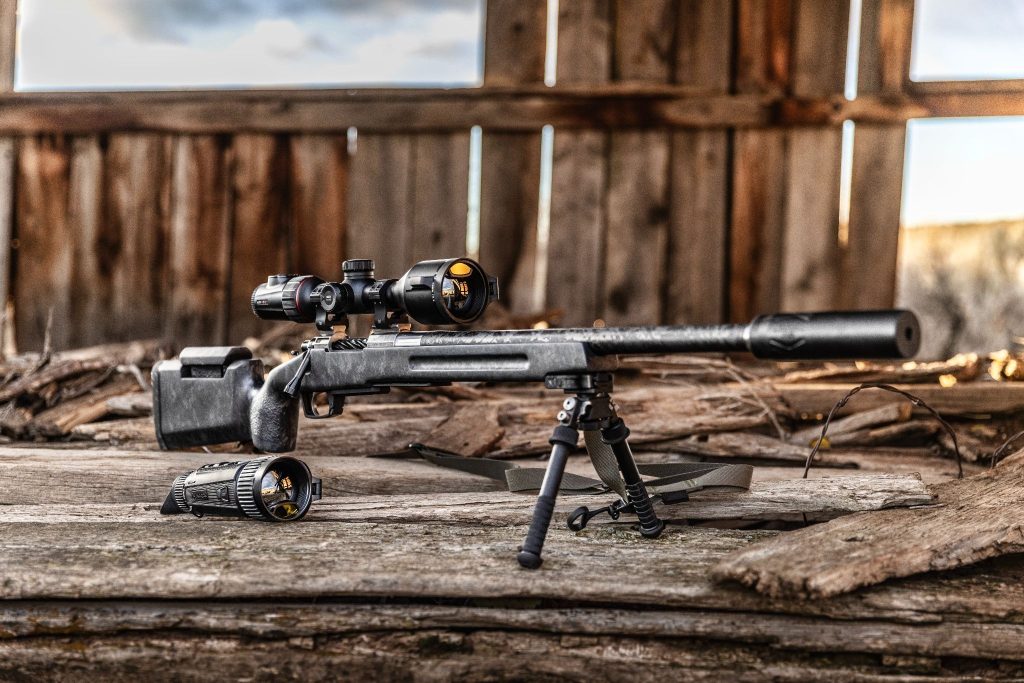
256×192: la opción básica cuando el presupuesto es lo más importante.
La resolución 256×192 es la opción básica cuando el presupuesto es un factor importante, y puede ser útil para la detección básica y el trabajo a corta distancia. Simplemente, mantén expectativas realistas. Esta resolución ayuda a los nuevos usuarios a iniciarse en la búsqueda térmica, pero notarás sus limitaciones rápidamente al escanear terrenos con obstáculos o al hacer zoom. También cabe destacar que algunas marcas clasifican la resolución básica de forma ligeramente diferente, y la guía reciente de sensores de Nocpix también menciona una opción de 256×152.
¿Qué significa realmente la resolución del endoscopio de imágenes térmicas?
La resolución del sensor térmico se refiere al número de píxeles térmicos del sensor que recogen información sobre el calor.
Resolución del sensor frente a resolución de la pantalla
La resolución del sensor es más importante que la resolución de la pantalla, ya que es el sensor quien genera los detalles térmicos reales. Una pantalla nítida puede mejorar la imagen, pero no puede generar detalles que el sensor nunca capturó. Piensa en el sensor como la fuente de información en bruto y en la pantalla como el medio que la muestra a tus ojos.
Cómo se traducen los píxeles en claridad de imagen en el mundo real
Por lo general, un mayor número de píxeles térmicos se traduce en bordes más nítidos, formas más definidas y una mejor separación entre el animal y el fondo. En el campo, esto puede marcar la diferencia entre ver un punto brillante entre la maleza y poder apreciar con suficiente claridad la forma del cuerpo para tomar una decisión acertada.
Por qué la resolución cobra mayor importancia al hacer zoom
La resolución cobra mayor importancia al hacer zoom, ya que el zoom digital amplía la imagen existente en lugar de añadir nueva información térmica. Un sensor de mayor resolución parte de más datos, por lo que la imagen suele mantenerse más nítida al hacer zoom. Un visor de menor resolución puede funcionar bien en su visualización nativa, pero tiende a perder calidad antes al aumentar la magnificación.
¿Cómo se comparan las resoluciones de los principales visores térmicos una al lado de la otra?
Las principales diferencias entre las resoluciones de los visores térmicos radican en el nivel de detalle, la tolerancia al zoom y la relación rendimiento-precio.
256×192 frente a 384×288 frente a 640×512 frente a 1280×1024 de un vistazo
Esta es la forma más sencilla de pensarlo:
- Clase 256: Ideal para usuarios principiantes, trabajos de corto alcance y presupuestos ajustados.
- 384×288: Un nivel de entrada práctico para la caza real, especialmente a distancias moderadas.
- 640×512: La mejor opción integral para cazadores que buscan una mejora significativa en claridad y flexibilidad.
- 1280×1024: Ideal para obtener una calidad de imagen superior, un mejor nivel de detalle con zoom y un uso exigente a larga distancia.
Claridad de la imagen, distancia de identificación y relación calidad-precio.
Una mayor resolución suele mejorar la nitidez de la imagen y permite captar más detalles útiles a distancia, pero su utilidad depende del uso que se le dé. Una mira de 384x puede ser una excelente opción para el control de jabalíes cerca de comederos o en cruces cortos de campos. Una mira de 640x suele ofrecer el mejor rendimiento para la caza en general. Una mira de 1280x es la más recomendable cuando realmente se aprovecha el detalle adicional, no solo porque sea la de mayor resolución.
¿Qué nivel de resolución se adapta mejor a diferentes presupuestos y necesidades de caza?
Tu presupuesto debe ajustarse a tu estilo de caza, no al revés. Si cazas principalmente a corta distancia y buscas una mira térmica fiable para empezar, la 384 puede ser suficiente. Si quieres una óptica que cubra la mayor variedad de situaciones, la 640 es la mejor opción. Si cazas en terreno abierto y buscas la máxima calidad, la 1280 es la elección ideal.
¿Una mayor resolución siempre implica un mejor rendimiento?
Una mayor resolución suele ser útil, pero no garantiza automáticamente un mejor rendimiento en la práctica.
Resolución frente a NETD: por qué la sensibilidad térmica también importa.
El NETD es importante porque afecta la capacidad del telescopio para diferenciar pequeñas variaciones de temperatura. En noches húmedas, sobre terreno cálido o en escenas planas de bajo contraste, un NETD más bajo puede ayudar a que la imagen se vea más nítida y legible. La resolución proporciona detalle, pero la sensibilidad ayuda a que ese detalle resalte.
Paso de píxeles y su efecto en el detalle de la imagen
El tamaño de píxel afecta la precisión con la que el sensor muestrea la escena. En términos sencillos, es la distancia entre píxeles. Los sensores modernos de 12 micras son comunes en la óptica de caza y permiten a los fabricantes incluir más detalles útiles en un tamaño de sensor determinado. Esto es importante, pero debe evaluarse junto con el NETD, la lente y el procesamiento de imagen.
¿Qué resolución es la adecuada para tu estilo de caza?
La resolución adecuada depende del terreno, de la distancia de disparo habitual y del tiempo que dediques a escanear en comparación con el tiempo que dediques a confirmar.
Caza a corta y media distancia, a menos de 300 yardas.
Para la caza a distancias de hasta 300 metros, una resolución de 384×288 o 640×512 será suficiente para la mayoría de los usuarios. En bosques, matorrales, riberas de arroyos y linderos de granjas, un campo de visión más amplio y un escaneo más rápido suelen ser más importantes que la máxima resolución posible.
Terreno abierto y tomas más largas
Para terrenos abiertos y tomas a larga distancia, la resolución 640×512 empieza a ser más efectiva, y la 1280×1024 resulta especialmente atractiva si se busca un zoom más nítido y mayor detalle a distancia. Es ahí donde encajan a la perfección modelos de gama alta como la ACE S60R y la RICO 2 S75R.
Rastrear animales heridos en la maleza, de noche o con poca visibilidad.
Para el seguimiento en zonas con maleza o poca visibilidad, la separación de imágenes es tan importante como la nitidez. Un buen sensor con alta sensibilidad puede ayudarte a detectar el calor en fondos complejos, pero aun así necesitas una confirmación precisa del objetivo. La tecnología térmica te ayuda a encontrar y seguir; no reemplaza la identificación segura.
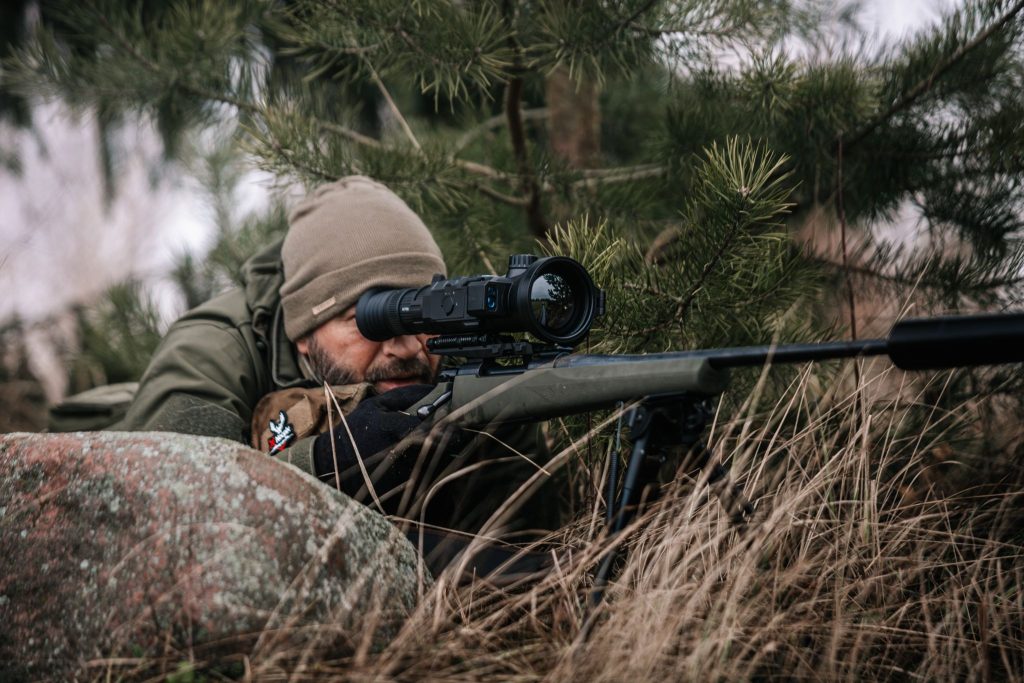
¿Qué otros factores afectan a la calidad de la imagen del visor térmico?
La resolución es solo una parte de la imagen, ya que la lente, el aumento, la frecuencia de actualización y el campo de visión también influyen en lo que se ve.
Tamaño de la lente, aumento base y frecuencia de actualización
Un objetivo de mayor tamaño puede ayudar a captar más información térmica, y el aumento base modifica la cantidad de detalles nativos que se aprecian antes del zoom digital. La frecuencia de actualización afecta a la fluidez de la imagen, especialmente cuando los animales se mueven o se realiza un paneo por un campo.
El zoom digital y sus límites
El zoom digital amplía la imagen, pero no elimina la pérdida de detalles. Por eso, una mayor resolución nativa es tan valiosa para los cazadores que usan el zoom con frecuencia. Ofrece más margen antes de que la imagen se vea pixelada o borrosa.
Campo de visión y comodidad de escaneo
El campo de visión influye en la facilidad de exploración. Un campo de visión más estrecho puede ser útil a distancia, pero puede resultar lento y limitado en bosques o matorrales. El mejor visor es el que mejor se adapta a tus movimientos durante la cacería.
¿Dónde encaja Nocpix en la conversación sobre resolución?
Nocpix cubre bien los principales rangos de resolución útiles, con opciones especialmente buenas en la gama alta.
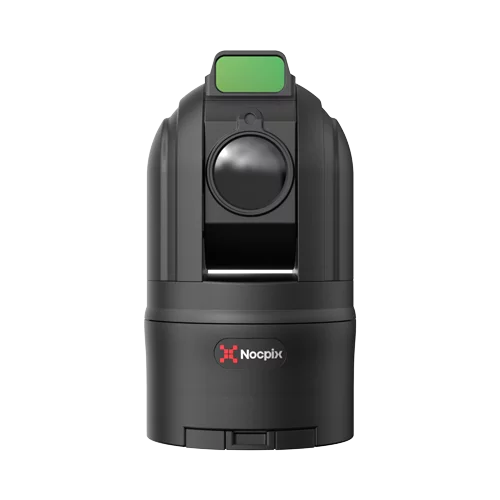
Si quieres un equilibrio mira térmica para rifle, Nocpix ofrece opciones prácticas en diversas clases de sensores. Si buscas un rendimiento superior en formato 1280, las cámaras ACE S60R y RICO 2 S75R son las más destacadas. Nocpix también prioriza aspectos importantes más allá de la resolución: bajos valores NETD en sus modelos insignia, diseño robusto para uso en exteriores, opciones de telémetro láser integrado y funciones pensadas para el usuario, diseñadas para la caza real.
Eso es importante porque el mejor visor térmico no es solo el que tiene más píxeles. Es el que te ayuda a ver con claridad, reaccionar más rápido y tomar mejores decisiones en el campo.
Conclusión
¿Qué resolución es la mejor para una mira térmica? Para la mayoría de los cazadores, 640×512 es la mejor opción en general, ya que ofrece el equilibrio ideal entre nitidez, rendimiento del zoom y precio. Si el presupuesto es un factor importante, 384 también cumple su función. Si busca la imagen más nítida y la mayor precisión al hacer zoom, 1280 es la opción premium.
La respuesta correcta depende de tu terreno, tu distancia de caza habitual y el nivel de exigencia que deseas para tu mira telescópica. Si estás comparando opciones ahora, comienza con una evaluación realista de tu estilo de caza y luego adáptalo a la mira adecuada. visor termográfico o una mira térmica para rifle en lugar de simplemente comprar la que tenga el número más alto en la caja.
Preguntas frecuentes
¿Importa tanto la resolución de la pantalla como la resolución del sensor?
No. La resolución de la pantalla mejora la comodidad de visualización, pero la resolución del sensor es más importante porque determina la cantidad de detalles térmicos reales que capta el visor.
¿Una mayor resolución consume más batería?
A veces sí, pero la duración de la batería depende de todo el sistema, no solo de la resolución. El tamaño de la pantalla, la frecuencia de actualización, las funciones de grabación y el diseño de la batería influyen en ello.
¿Merece la pena usar una resolución de 1280×1024 para la caza, o es excesivo?
Merece la pena si cazas en terreno abierto, usas el zoom con frecuencia o buscas la imagen más nítida posible. Sin embargo, para muchos cazadores ocasionales, la opción de 640×512 sigue siendo la más inteligente.
¿El zoom digital mejora el nivel de detalle o simplemente hace que la imagen parezca más grande?
El zoom digital, en general, hace que la imagen parezca más grande. Es más útil en sensores de alta resolución porque estos parten de más información térmica.