





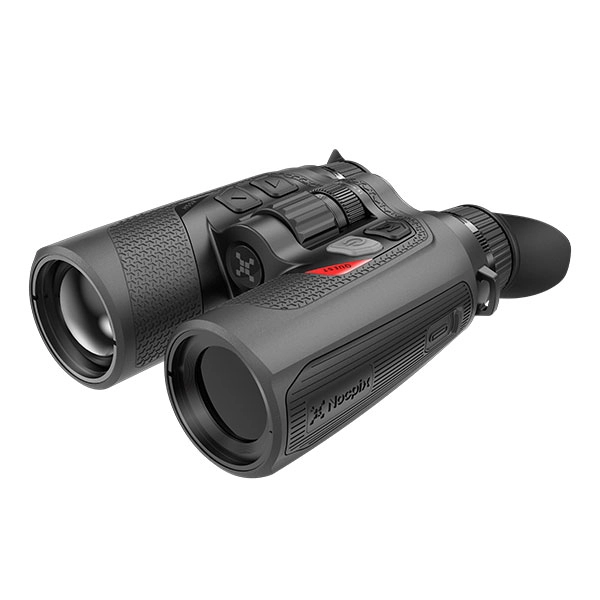
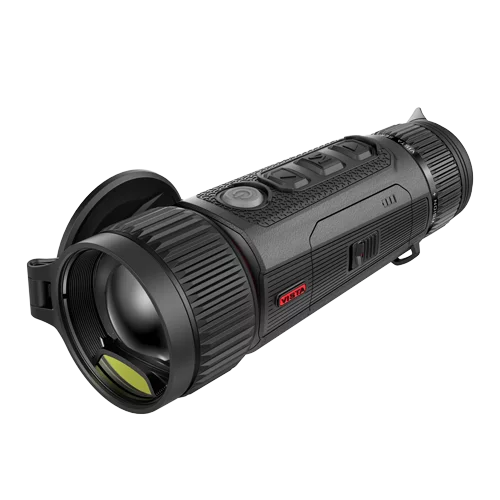
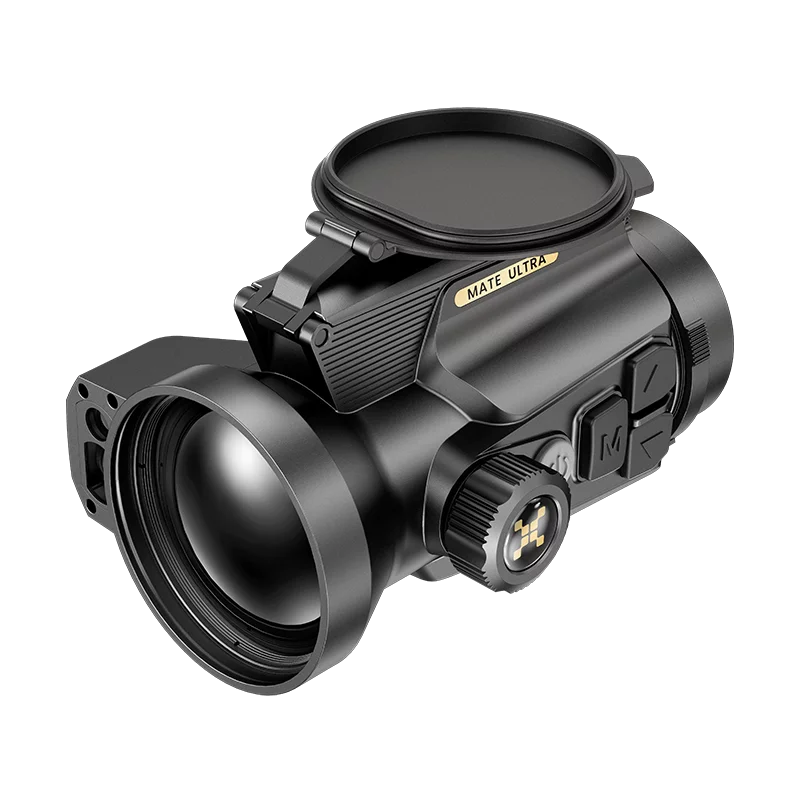


For hunters, distance often determines success or failure. Foxes are highly alert—getting too close can easily scare them away. On the other hand, when observing from afar, insufficient long-range capability can result in blurred images and loss of detail, making precise targeting nearly impossible.
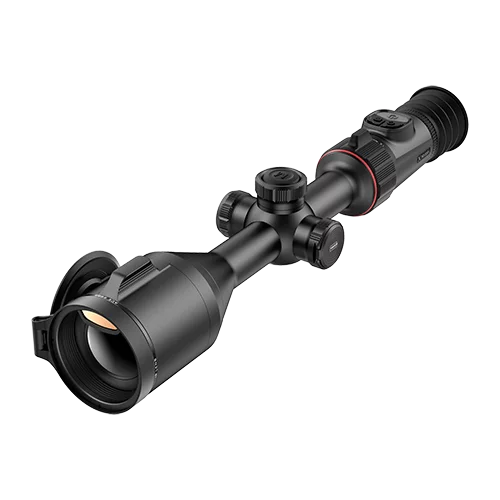
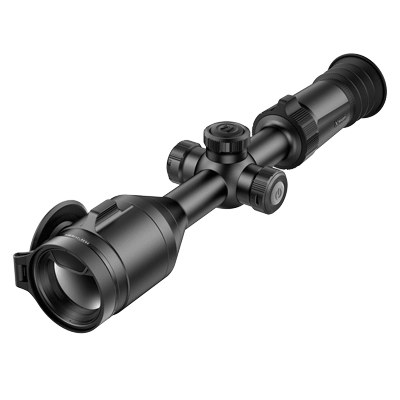
The NITE D70R digital riflescope, built around a 70mm large-aperture telephoto lens, delivers unmatched performance in long-range hunting scenarios. Compared to typical 50mm lenses in the same class, it offers a decisive advantage—making it an essential tool for long-distance fox hunting.
Many hunters wonder: Is the 20mm difference between 70mm and 50mm really that significant? The answer is simple: in long-range hunting, that difference separates clarity from blur, and accuracy from missed opportunities.
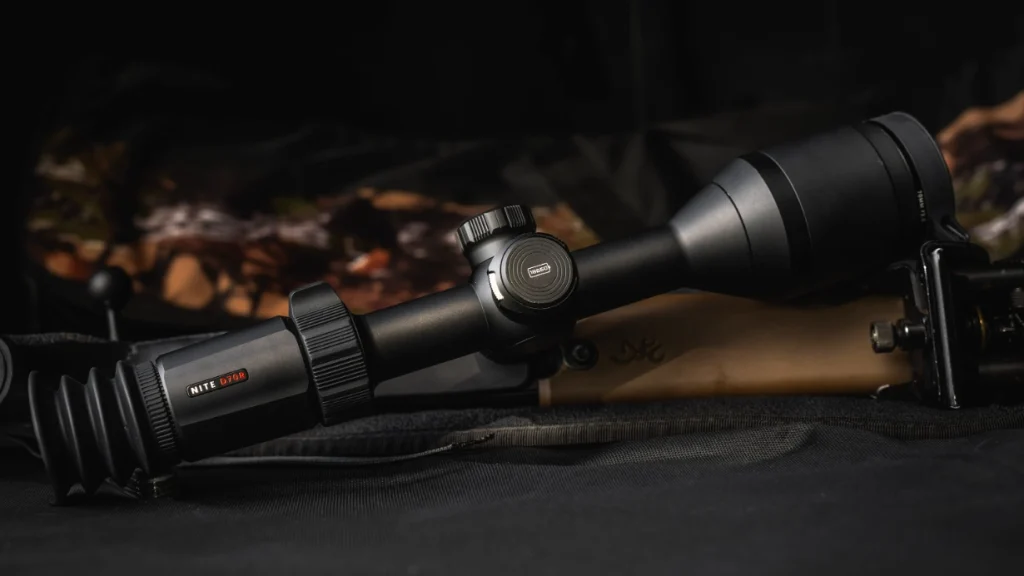
70mm vs 50mm: Three Key Advantages
Stronger Magnification – Clearer Long-Range Targets The 70mm lens significantly enhances magnification capability. Compared to standard 50mm lenses, it delivers up to 40% improvement, producing clearer and more detailed images at the same zoom level.
At 150 yards, the D70R can clearly reveal a fox’s body shape, head features, and even fine details—allowing quick and accurate target assessment. In contrast, a 50mm lens often produces blurred images with missing details, making precise aiming difficult.
At 200 yards and beyond, the gap widens further. The 70mm lens maintains clarity, while 50mm optics struggle with noise and image degradation, limiting effective targeting.
Better Penetration – Superior in Complex Terrain. In environments like forests, slopes, and dense vegetation, visibility is often obstructed. The D70R’s larger aperture and optimized optics provide superior penetration, allowing hunters to see through gaps in foliage and identify hidden targets.
While 50mm lenses are more easily affected by vegetation interference, the 70mm lens helps isolate the target, significantly improving detection efficiency.
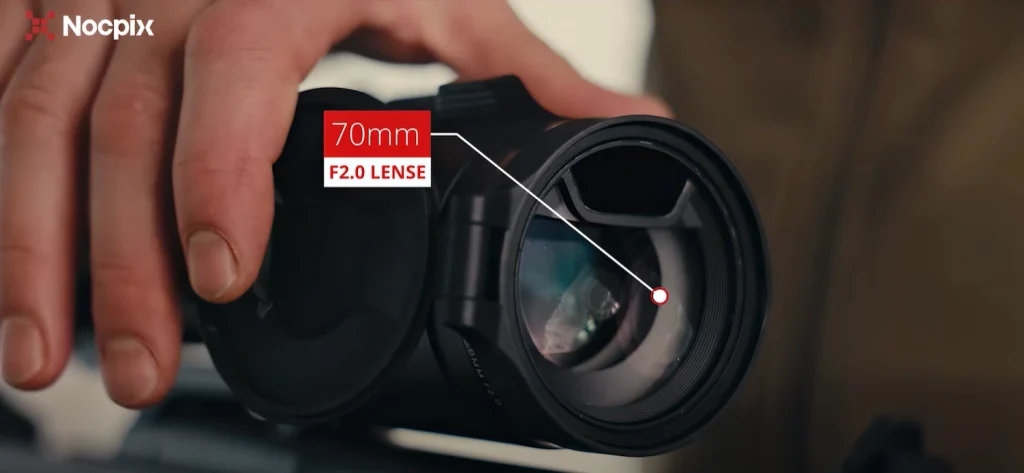
Ideal Scenarios for 70mm Long-Range Hunting
100–150 yards (typical fox hunting range). Clear identification and precise aiming without disturbing the target.
Dense forests and rough terrain. Enhanced penetration helps locate hidden animals in challenging environments.
Long-range observation and target selection. Easily distinguish targets within groups and select the optimal shot.
Conclusion
With superior magnification and penetration, the 70mm lens dominates over 50mm optics, giving hunters full control over long-distance scenarios. Choosing 70mm means choosing confidence, precision, and advantage at range.