







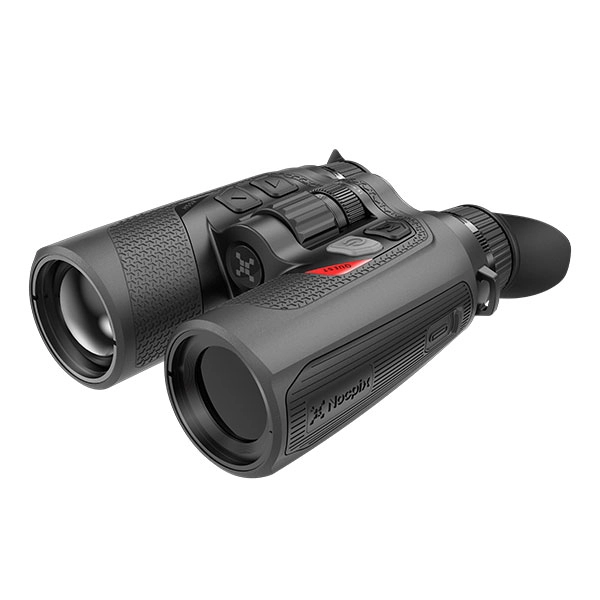
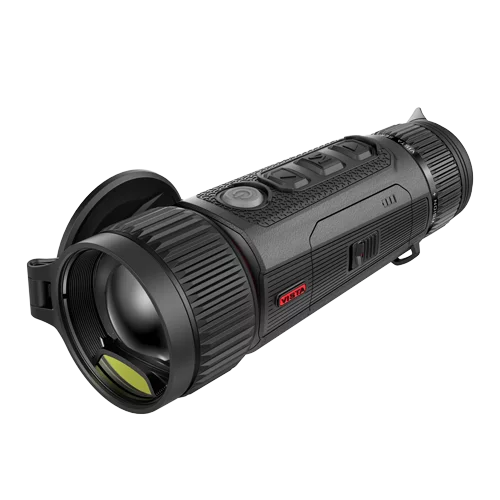
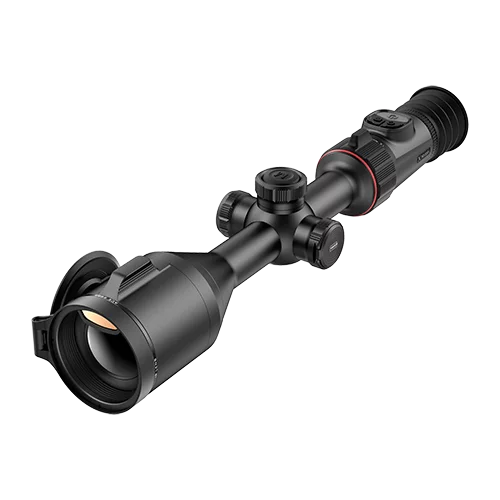
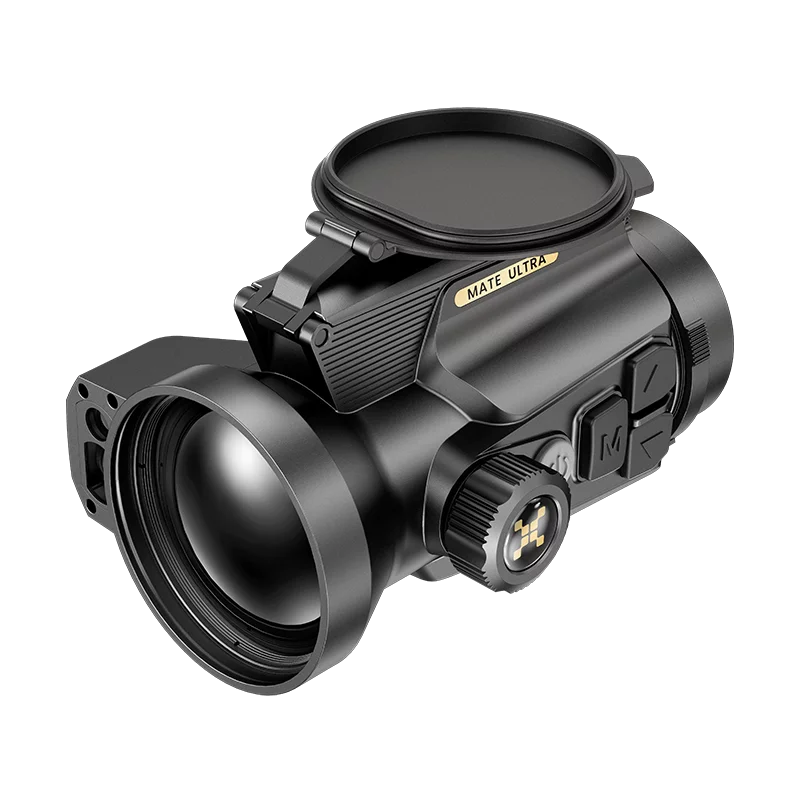
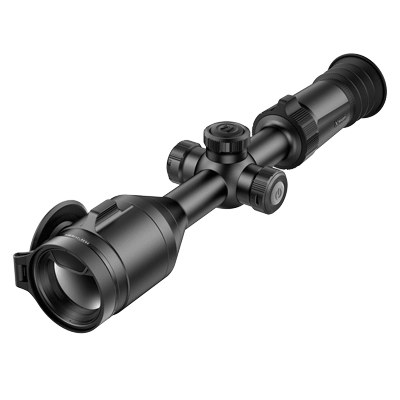
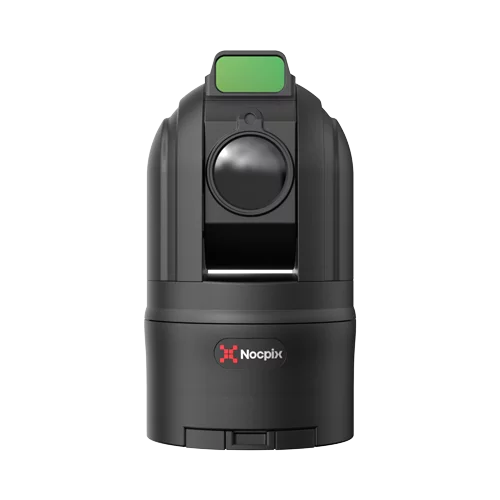


För många rovdjursjägare, .223 Remington är den bästa startkalibern att använda ett termiskt kikarsikte på.. Den erbjuder låg rekyl, allmänt tillgängliga fabriksladdningar, lätta jaktgevärsplattformar och användbar prestanda på avstånd där många jägare med säkerhet kan identifiera en prärievarg genom termisk mätning. Det är inte den bästa lösningen för alla djur eller alla fält.
.22-250 Remington passar bättre för plattare rovdjursjakt i öppen terräng. .300 Blackout föredrar kompakta, dämpade uppställningar med kort räckvidd. .308 Winchester och liknande patroner passar större djur där lokala lagar, kulval och skyttens förmåga tillåter dem.
Värmekikaren väljer inte patronen. Börja med djuret, den lagliga metoden, det realistiska avståndet och den prestanda som krävs för terminalen. Välj sedan en optik som låter dig identifiera målet och placera kulan inuti det höljet.
Snabbt svar: Vilken kaliber passar varje termisk jaktjobb?
Denna tabell ger en praktisk utgångsriktning, inte en universell juridisk eller ballistisk regel.
| Jaktjobb | Vanlig kaliberriktning | Varför jägare väljer det | Huvudbegränsning |
| Kaniner och små skadedjur | .17 HMR, .22 LR, eller laglig liten centertändning | Låg rekyl och lätta slutstycken | Randtändningsräckvidd och vindgränser; lokala nattregler varierar |
| Prärievargar i blandad terräng | .223 Rem. / 5.56 NATO där det är lagligt | Låg rekyl, vanliga plattformar, snabb uppföljningsvy | Mindre marginal än större patroner vid dåliga vinklar |
| Prärievargar i öppet landskap | .22-250 Rem. | Platt bana och rovdjursfokuserad prestanda | Mer explosion, pipvärme och ammunitionskostnad |
| Medelstora rovdjur eller små hjortdjur där det är tillåtet | .243 Win. eller en lämplig 6mm | Plattare flygning med mer kulvikt | Mer rekyl och plattformsvikt än .223 |
| Grisar på kort avstånd | .300 Blackout, ofta supersonisk | Kompakt AR-15-alternativ och kompatibilitet med ljuddämpare | Kurvad bana och begränsat avstånd, särskilt subsonisk |
| Större svin eller vilt av hjortklass där det är tillåtet | .308 Win. eller liknande | Brett utbud av jaktkulor och större energi | Mer rekyl, vikt, explosion och långsammare termisk återvinning |
Innan du antar någon reglering, kontrollera viltvårdsmyndigheten för exakt art, säsong, patron, nattanvändning, termoptik och ljuddämparregler. Reglerna kan skilja sig åt även mellan grannstater eller länder.
Behöver ett termiskt kikarsikte en speciell kaliber?
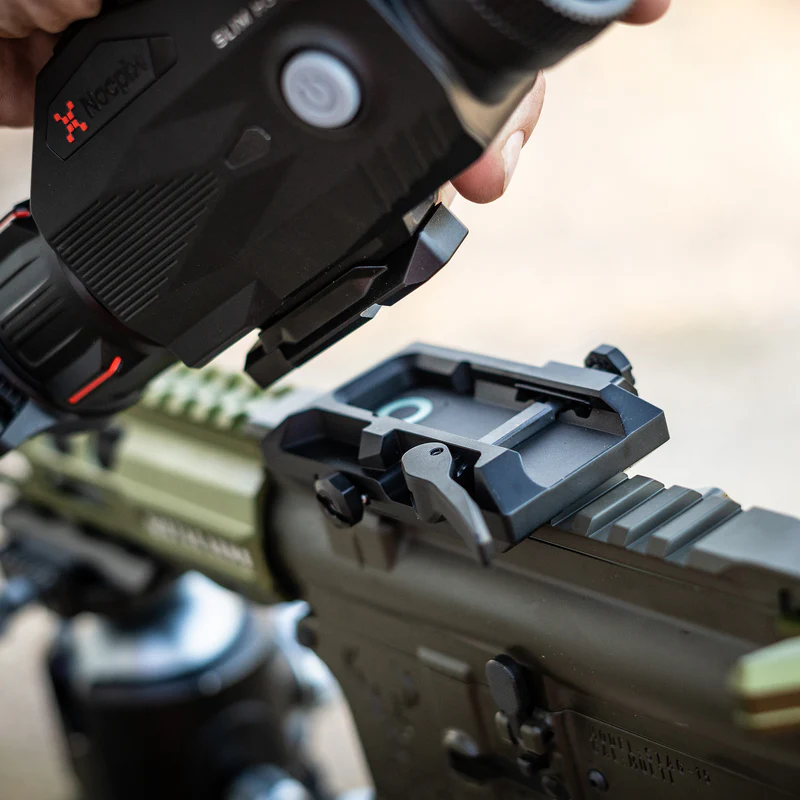
Nej. Ett termiskt kikarsikte kan fungera med många patroner om tillverkaren klassificerar det för plattformens rekyl och fästet passar korrekt. När jägare välj ett termiskt kikarsikte, den mer användbara frågan är om hela systemet förblir kontrollerbart och repeterbart.
Tre gränser måste överlappa varandra:
- Laglig metod för intag: Patronen, geväret, värmeoptiken, jakttiderna och målarterna måste alla vara lagliga på den platsen och tiden.
- Terminalkuvert: Den valda laddningen måste fungera tillförlitligt på det avsedda djuret på det planerade avståndet. Patronnamnet ensamt räcker inte; kulkonstruktion och anslagshastighet räknas.
- Identifikationskuvert: Jägaren måste kunna urskilja art, orientering, förgrund och skydd genom optiken. Ett angivet detekteringsområde fastställer inte ett säkert attackavstånd.
Rekylen förändrar också observationsprocessen. En hårt sparkande patron kan flytta bilden långt bort från djuret efter avfyrning. Det försenar bekräftelse och all laglig uppföljning. Det kan också exponera svaga fästen eller lösa fästelement. En patron med mer kraft än vad jobbet behöver kan minska systemets prestanda även när kikarsiktet överlever det.
Vilken kaliber passar för varje termisk jaktjobb?
.223 Remington / 5.56 NATO: Den praktiska utgångspunkten för rovdjur
För prärievargar, rävar där det är tillåtet, och liknande rovdjur är .223 Remington ofta det mest balanserade svaret. Kompatibla plattformar och fabriksladdningar finns allmänt tillgängliga på många marknader, rekylen är mild och ett AR-15- eller lättblixtsgevär förblir hanterbart efter att man har lagt till en termisk optik.
Låg rekyl hjälper dig att hålla en stabil position och återfå djuret i uppvisningen. Det är användbart när flera brunstsignaturer kommer in på ett fält eller när den första omgången behöver omedelbar bedömning.
Hoppa över .223 när lokala regler kräver en större kaliber, när det avsedda djuret överskrider den valda laddningens tillförlitliga ändkapacitet, eller när vind och avstånd i öppet landskap överskrider skyttens verifierade data. Behandla inte 5.56 NATO och .223 Remington-kammare som utbytbara utan att kontrollera tillverkarens märkning och riktlinjer.
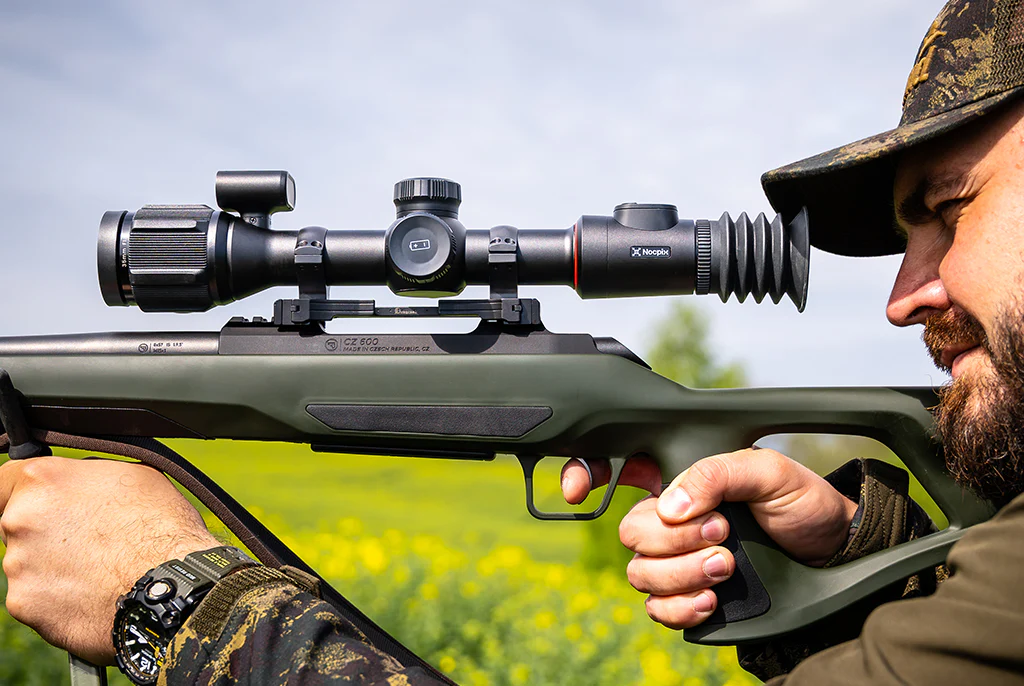
.22-250 Remington: Platt Predator-prestanda i öppen mark
.22-250 är en vanlig riktning för jägare som förväntar sig längre attacker mot rovdjur och vill ha mindre kvarhållning än en typisk .223-laddning. Den är särskilt hemma i ett stabilt bultgevär med utsikt över fält.
Bytet innebär en skarpare rapport, större ammunitionsförbrukning, mer pipvärme under strängar och vanligtvis mindre kompatibilitet med AR-15 än med .223. Patronen kan också skada skinn mer än en mildare konfiguration, beroende på kula och träff.
.243 Winchester och 6mm-alternativ: Mer räckvidd och kulvikt
.243 Winchester och jämförbara 6mm-patroner kan överbrygga rovdjurs- och hjortpatroner där lagen tillåter. De ger ofta en platt bana med tyngre kulor än rovdjursamlare i kaliber .22.
Den mångsidigheten kommer med högre rekyl-, skjut- och skottkostnad än .223. Jägaren bör också se till att termoskopets basförstoring och synfält fortfarande passar den troliga attacken. En patron med lång räckvidd hjälper inte om hög basförstoring gör det svårt att hitta ett djur på nära håll.
Välj denna klass när en verifierad laddning stöder det avsedda djuret och skytten övar på verkliga nattjaktavstånd. Hoppa över den om det primära jobbet är snabbt, nära rovdjurskontroll och en lättare karbin skulle vara lättare att hantera.
.300 Blackout: Kompakt och ljuddämparvänlig på kort räckvidd
.300 Blackout förtjänar sin plats genom plattformseffektivitet snarare än plan långdistansflygning. Den passar en AR-15-storlek och fungerar bra i kompakta karbiner. Jägare väljer den också för ljuddämparanvändning där det är lagligt.
Supersoniska och subsoniska laddningar beter sig väldigt olika. En subsonisk laddning har en utpräglad bana och kräver en lämplig expanderande kula plus ett noggrant kontrollerat avstånd. Den bör aldrig behandlas som en generell ersättning för en full kraftfull jaktladdning.
Välj .300 Blackout för verifierat arbete på kort räckvidd i en kompakt plattform. Skippa den när jakten regelbundet sträcker sig bortom laddningens beprövade bana och sluthölje.
.308 Winchester och liknande patroner: Mer kapacitet, mer systemkostnad
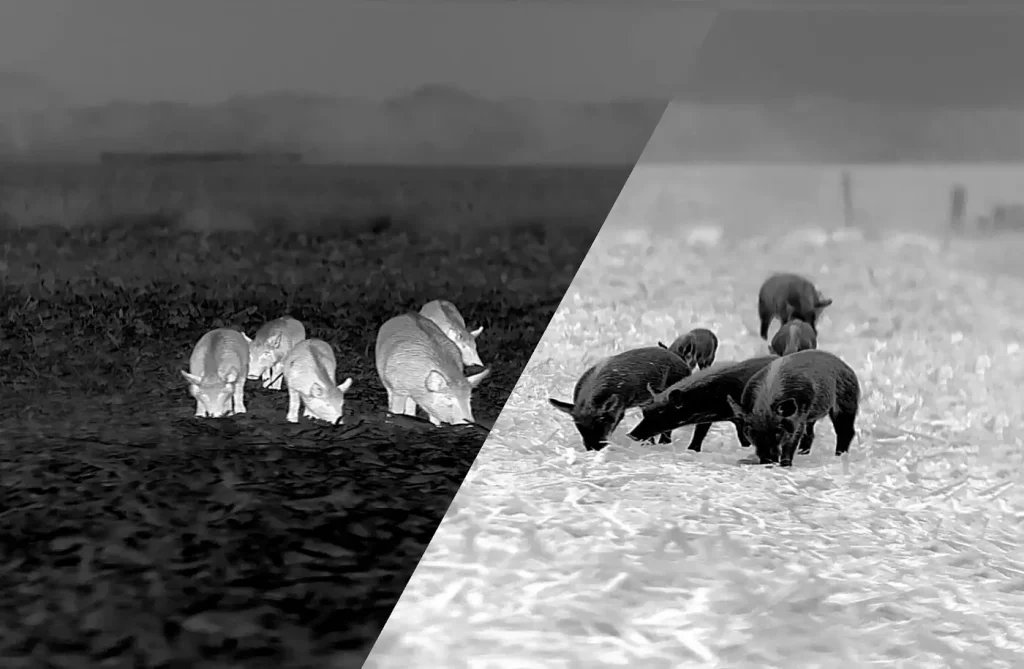
.308 Winchester används flitigt för jakt på hjortdjur och svin där det är tillåtet. Den erbjuder många jaktkulor och bär mer energi än de mindre alternativen ovan. Den skapar också ett tyngre, mer sparkande termiskt gevär, särskilt på en AR-10-plattform.
Den extra rekylen kan fördröja återhämtningen inuti displayen. En tyngre pipa, ljuddämpare, fäste, batterier och termiskt kikarsikte kan göra hela systemet tröttsamt att hålla i. Ett stativ eller fältstöd kan lösa stabilitetsproblemet, men det förändrar hur jägaren rör sig och ställer upp sig.
Välj .308 när djuret och avståndet motiverar det och skytten kan hålla hela systemet stabilt. Skippa det när en patron med lägre rekyl fungerar bra med bättre hantering.
Hur ser riktiga termiska jaktanläggningar ut?
Fältuppställningarna återspeglar jobbet snarare än en universell kaliber. I en offentligt delad rävbekämpningsutflykt inkluderade uppställningarna en Bergara B14 i .22-250 och en Bergara B14 Wilderness i .30-06, medan filmen spelades in med en Nocpix ACE S60R termoskop.
En separat jaktpost för vildsvin visade en .300 Blackout-karbin i kombination med en H50R-modell från Nocpix BOLT-serien. Tillsammans visar dessa exempel att termisk optik inte är knuten till en enda kaliber eller jaktfunktion. Den bättre frågan är inte vilken kaliber ett termiskt kikarsikte är "till", utan om plattformen, ammunitionen, optiken och fältförhållandena fungerar bra tillsammans.
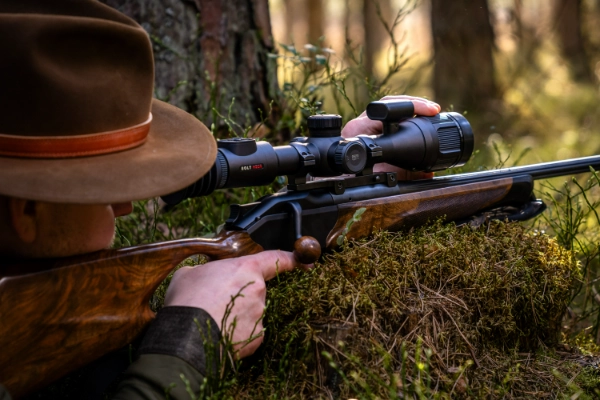
Hur man matchar värdgeväret och termoskopet
Använd denna sexstegssekvens innan du köper någon av systemdelarna.
- Bekräfta regeluppsättningen: Kontrollera den exakta myndigheten för viltvård, marktillstånd, vapenregler, patronbegränsningar, jakttider, regler för termisk användning och regler för ljuddämpare.
- Definiera djuret och vinkeln: Ange det största avsedda djuret, de accepterade ingreppsvinklarna och den kulkonstruktion som krävs för tillförlitlig prestanda.
- Mät verkligt avstånd: Använd de fält, vägar eller matningsplatser du faktiskt jagar på. Bygg inte upp dig på en sällsynt möjlighet att jaga på maximalt avstånd.
- Välj den lägsta praktiska rekylen: Bland patroner som uppfyller steg ett till tre, föredra den som ger ett stabilt grepp och snabb visuell återhämtning.
- Matcha optiken: Basförstoring och synfält bör anpassas till terrängen. Sensordetaljer och linsval bör stödja identifiering, inte bara detektering. En laseravståndsmätare kan minska fel vid avståndsuppskattning på natten.
- Bevisa systemet: Montera korrekt, nollställ med exakt last, bekräfta på mer än ett avstånd och kontrollera igen efter transport eller borttagning av optik.
Vilken är den bästa nybörjarkalibern för termisk jakt?
För nybörjare som jagar prärievargar och liknande rovdjur där det är tillåtet är .223 Remington ofta den bästa utgångspunkten eftersom den kombinerar mild rekyl, vanlig ammunition och lätta plattformar. Den är inte lämplig för alla djur eller jurisdiktioner. Om .223 inte uppfyller de lagliga och slutgiltiga kraven, välj den patron med lägst rekyl som gör det och verifiera laddningen före jakt.
Hur valet av termoptik förändrar svaret
Kalibervalet begränsar också optikkraven. Vid jämförelse värmekamerakikarsikten, matcha synfält, basförstoring, bilddetaljer, rekylvärde och total systemvikt med värdkanonen och förväntat avstånd. Ett brett synfält och måttlig basförstoring hjälper på nära håll och med djur i rörelse. Mer sensorupplösning och optisk detaljrikedom kan stödja identifiering på längre avstånd, men endast under säkra fältförhållanden.
Vanliga frågor om termiska kikarkalibrar
Kan ett termiskt kikarsikte hantera .308 rekyl?
Många termiska kikarsikten är klassade för rekyl i klass .308, men det är inte alla modeller. Kontrollera tillverkarens rekylgräns, använd den angivna monteringen, applicera det angivna åtdragningsmomentet och bekräfta noll efter installationen. Anta aldrig kompatibilitet enbart utifrån utseendet.
Är .223 eller .22-250 bättre för termisk prärievargjakt?
.223 är ofta bättre för låg rekyl, ammunitionstillgång och lätta halvautomatiska eller slutstycksgevärsuppsättningar. .22-250 passar ofta för slutstycksgevär i öppen terräng där en flackare bana värderas. Det bättre valet är det som förblir lagligt och pålitligt över dina verifierade avstånd.
Räcker .300 Blackout för termisk grisjakt?
Den kan vara lämplig för viss svinjakt på kontrollerade avstånd med en lämplig jaktkula, men svaret varierar beroende på djurets storlek, vinkel, belastning och terräng. Subsoniska belastningar kräver särskild försiktighet eftersom bana och slutbeteende skiljer sig från supersoniska belastningar.
Utökar en större kaliber ett termiskt kikarsiktes räckvidd?
Nej. Patronen kan utöka värdvapnets ballistiska kapacitet, men den förbättrar inte optikens bild. Säkert skottavstånd begränsas av det kortaste av identifieringsförmåga, ballistisk prestanda, jägarförmåga, säkerhet i backspärren och lokal lagstiftning.
Borde termoskopet ha en ballistisk kalkylator?
Det kan vara till hjälp när vapnet, laddningen, mynningshastigheten, avståndet och miljöfaktorerna verifieras. Det bör behandlas som ett beräkningshjälpmedel, inte en ersättning för övning på skjutbanan och bekräftad bana.
Slutlig rekommendation
För ett första termiskt gevär för rovdjur är .223 Remington ofta den mest användbara baslinjen. Byt till .22-250 för flackare rovdjursarbete i öppen terräng, .300 Blackout för kontrollerad kompakt eller dämpad användning på kort räckvidd, och .308-patroner endast när djuret och avståndet motiverar den ökade rekylen och vikten.
Efter att du valt patron, jämför termiska kikarsikten utifrån synfält, basförstoring, identifieringsdetaljer, rekylvärde, montering och LRF-arbetsflöde. Det bästa systemet är det du kan identifiera dig med, skjuta korrekt och verifiera varje gång det återvänder till fältet.