







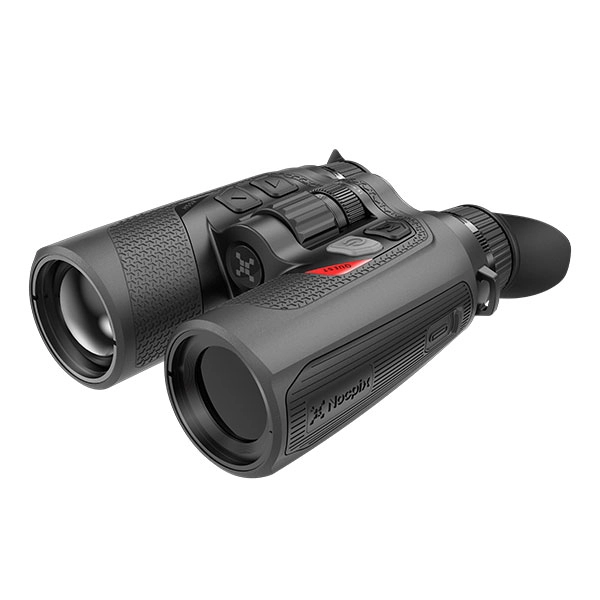
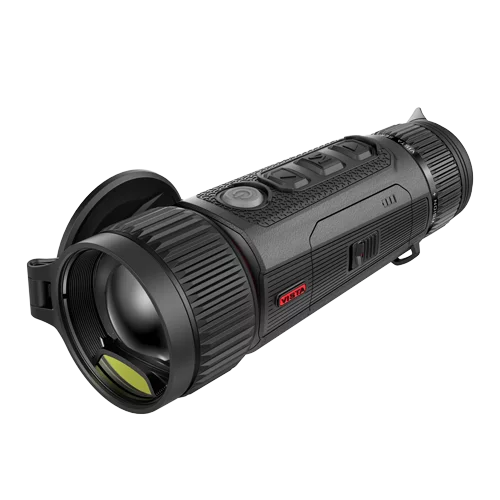
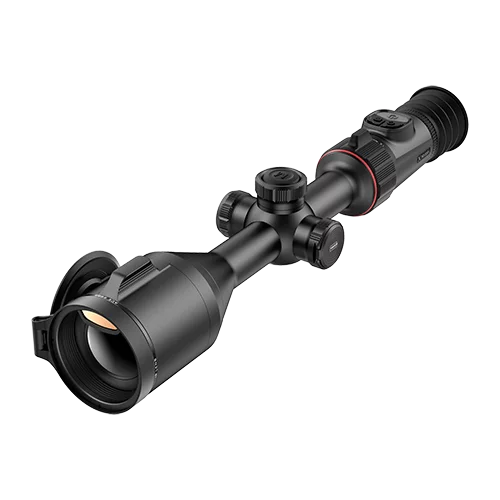
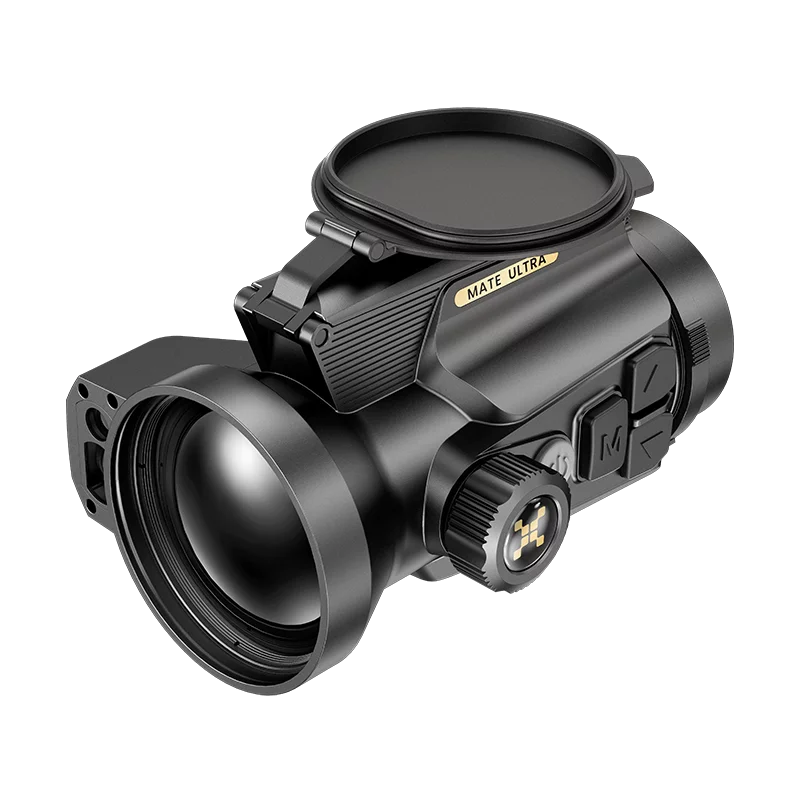


Om du har börjat undersöka termisk optik har du förmodligen stött på termiska monokikare för jakt mer än en gång. De är kompakta, handhållna och mångsidiga – och för många jägare blir de den mest använda utrustningen i deras utrustning.
Men det råder mycket förvirring kring vad termiska monokikare egentligen gör, hur de skiljer sig från ett termiskt kikarsikte och om du faktiskt behöver en om du redan har en termisk kikare monterad på gevär. Den här guiden besvarar allt.
Vi kommer att gå igenom hur termiska monokikare fungerar, vad jägare använder dem till, hur de jämförs med andra termiska enheter, vilka myter man ska ignorera och vilken Nocpix-modell som passar bäst för din jaktstil. Om du är nybörjare har Nocpix en gedigen introduktion till... vad värmeavbildning är det är värt att läsa tillsammans med den här guiden.
Låt oss gå in på det.
Innehållsförteckning
Vad är en termisk monokulär?
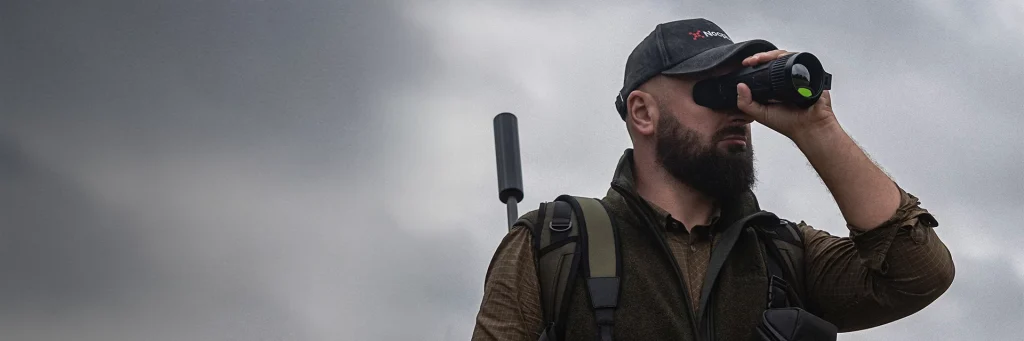
En termisk monokulär kikare är en handhållen apparat med ett enda öga som detekterar värme istället för synligt ljus. Det är den korta versionen. Det är inte en kamera, det är inte en mörkerseendeapparat och det är inte ett kikarsikte – det är ett detekteringsverktyg som ger dig möjlighet att hitta varmblodiga djur över öppna fält, bäckbottnar, buskkanter och skogsbryn i alla ljusförhållanden.
Den grundläggande definitionen
En termisk monokulär kikare är en kompakt optisk enhet som använder en infraröd sensor för att upptäcka temperaturskillnader mellan objekt inom sitt synfält. Dessa skillnader översätts till en synlig bild på en intern skärm. Varmare objekt – som djur och människor – syns tydligt mot den kallare bakgrunden runt omkring dem.
Den "monokulära" delen betyder helt enkelt att den är utformad för användning med ett öga, som ett litet tubkikare som man håller i ena handen. De flesta modeller är tillräckligt kompakta för att få plats i en jackficka eller fästas på en väst.
Hur det producerar en bild
Här är den enkla versionen av hur det fungerar. Linsen på den termiska monokularen fokuserar infraröd strålning – som varje objekt avger naturligt – på en värmesensor inuti höljet. Sensorn mäter temperaturen för varje punkt i sitt synfält och tilldelar den ett ljusstyrke- eller färgvärde. Resultatet är en värmebild i realtid som visas på den interna skärmen.
Bildens kvalitet beror på några viktiga variabler: sensorupplösning, pixeltäthet, uppdateringsfrekvens och en klassificering som kallas NETD. Mindre pixeltäthet och lägre NETD innebär generellt finare detaljer och bättre känslighet i miljöer med låg temperaturskillnad, som varma nätter när lufttemperaturen är nära ett djurs kroppsvärme.
Nocpix ordlista över termer för termografi bryter ner alla dessa specifikationer i enkelt språk om du vill gå djupare.
Hur fungerar en termisk monokulär kikare i fält?
I fält är en termisk monokulär kikare ett detekterings- och spaningsverktyg – inte en skjutanordning. Du slår på den, håller den mot ena ögat och skannar din omgivning. Djur, människor och varma maskiner sticker ut mot den svalare bakgrunden nästan omedelbart.
Upptäcka värmesignaturer
Varje varmblodigt djur utstrålar värme – en prärievarg på 75 meters avstånd, en gris som rotar längs ett staket, en hjort som korsar en sendero. Värmesensorn detekterar den strålningen och återger den som en synlig kontrast mot det svalare gräset, jorden eller trädkronorna bakom den.
Detta fungerar oavsett hur mörkt det är. Du behöver inte månsken, omgivande ljus eller någon annan ljuskälla. Bildkvaliteten förblir jämn från skymning till gryning, vilket är anledningen till att termiska monokulare har blivit ett standardverktyg för rovdjursjägare, svinjägare och viltobservatörer som arbetar efter mörkrets inbrott.
Det som skiljer en kapabel termisk monokulär från en medioker i fält är hur väl den löser upp fina detaljer på avstånd. En hjort halvt dold av högt gräs eller en prärievarg inuti en busklinje behöver tillräckligt med sensorkänslighet för att synas tydligt – inte bara som en vag klump, utan som en igenkännbar form som du tryggt kan agera på.
Dag- och nattanvändning
Termiska monokulare fungerar även under dagen. Till skillnad från mörkerkikare, som ofta skadas eller blir oanvändbara av starkt solljus, fungerar värmekameror utan problem i fullt dagsljus. Sensorn avläser värme, inte ljus, så tiden på dagen påverkar inte hur enheten fungerar.
Detta gör en termisk monokulär kikare verkligt användbar under hela jaktdagen – för att spana i terräng före en jakt, kontrollera födokällor vid middagstid eller spåra rörelser i gryningen. De flesta jägare tänker på den som ett nattverktyg, men i praktiken är det en observationsenhet som kan användas hela dagen.
Är en termisk monokikare bra för jakt?

Ja – för spaning, skanning och situationsmedvetenhet är en termisk monokikare ett av de mest användbara verktygen du kan lägga till i en jaktutrustning. Den ersätter inte din gevärsoptik, men den utökar din förmåga att upptäcka innan du ens höjer ditt vapen.
Vad jägare använder det till
Termiska monokikare förtjänar sin plats i ett jaktkit genom upprepad, praktisk användning. Här är de vanligaste användningsområdena:
- Förskanning före bild: Kontrollera fält, staket, torra bäckfåror och trädkanter för värmesignaturer innan du flyttar eller binder dig till en position.
- Målbekräftelse innan du bär ett gevär: Identifiera en värmesignatur på avstånd, bekräfta art och färdriktning och bestäm sedan om du ska ingripa.
- Återhämtning efter skott: Ett nyfångat djur behåller kroppsvärmen under en betydande tidsperiod. En termisk monokulär gör mörkfältsåtervinningen betydligt effektivare.
- In- och utresespaning: Kontrollera din gångväg för djur, människor eller andra faror innan du rör dig in i eller ut ur en monterplats.
- Anropsuppsättningar: Under rovdjursrop, håll monokularen i ena handen för att skanna inflygningsvägar medan geväret förblir i position.
Bortom jakt — Markägare och viltobservatörer
Termiska monokularer är inte bara för jägare. Markägare använder dem för att övervaka stängsel, kontrollera boskap och bedöma trycket från förvildade svin på betesmarker efter mörkrets inbrott. Viltförvaltare och forskare använder dem för populationsundersökningar och observation av djurens beteende.
Om du förvaltar egendom och har att göra med predation från svin, prärievargar eller andra djur, är en termisk monokikare ett praktiskt verktyg för att förstå vad som händer på din mark på natten – även när du inte jagar.
Juridiska överväganden att tänka på
Termiska monokularer är lagliga för jakt i de flesta amerikanska delstater, men vissa delstater begränsar deras användning till specifika arter eller på allmän mark. Några jurisdiktioner gör en åtskillnad mellan handhållna termiska apparater och vapenmonterad termisk optik, och tillämpar olika regler för var och en.
Kontrollera alltid din stats gällande bestämmelser för vilda djur innan du använder någon termisk apparat i fält. Reglerna varierar, ändras årligen och skiljer sig åt beroende på art, marktyp och om apparaten är handhållen eller monterad på gevär.
Hur skiljer sig en termisk monokulär från andra termiska enheter?
Att förstå var en termisk monokulär passar in i sortimentet hjälper dig att fatta ett smartare köpbeslut. Så här jämförs den med de tre närmaste alternativen.
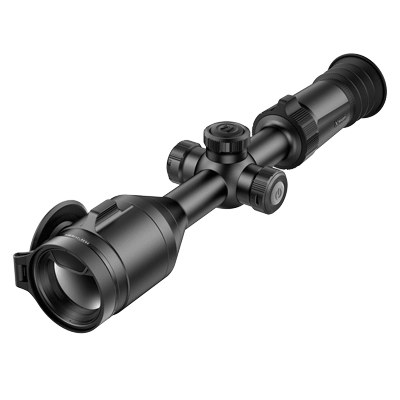
Termisk monokulär kontra termisk kikarsikte
Dessa två enheter har olika roller, och de bästa inställningarna använder ofta båda.
| Särdrag | Termisk monokulär | Termiskt kikarsikte |
|---|---|---|
| Primär användning | Scouting och skanning | Upptäckt, identifiering och skjutning |
| Montering | Handhållen | Vapenmonterade |
| Synfält | Vanligtvis bredare | Optimerad för målsökning |
| Rekylbetyg | Inte obligatoriskt | Nödvändig |
| Vikt | Tändare | Tyngre |
| Mångsidighet | Hög — fungerar direkt | Lägre — bunden till geväret |
| Kosta | Ofta lägre | Ofta högre |
Ett termiskt kikarsikte hanterar allt när du väl har identifierat ditt mål och höjt ditt gevär. En termisk monokulär hanterar allt innan dess – att kontrollera terräng, skanna inflygningsrutter och bekräfta en värmesignatur innan du gör ett drag. De två verktygen kompletterar varandra väl, och många seriösa rovdjurs- och svinjägare bär båda.
.
Termisk monokulär vs. termisk kikare
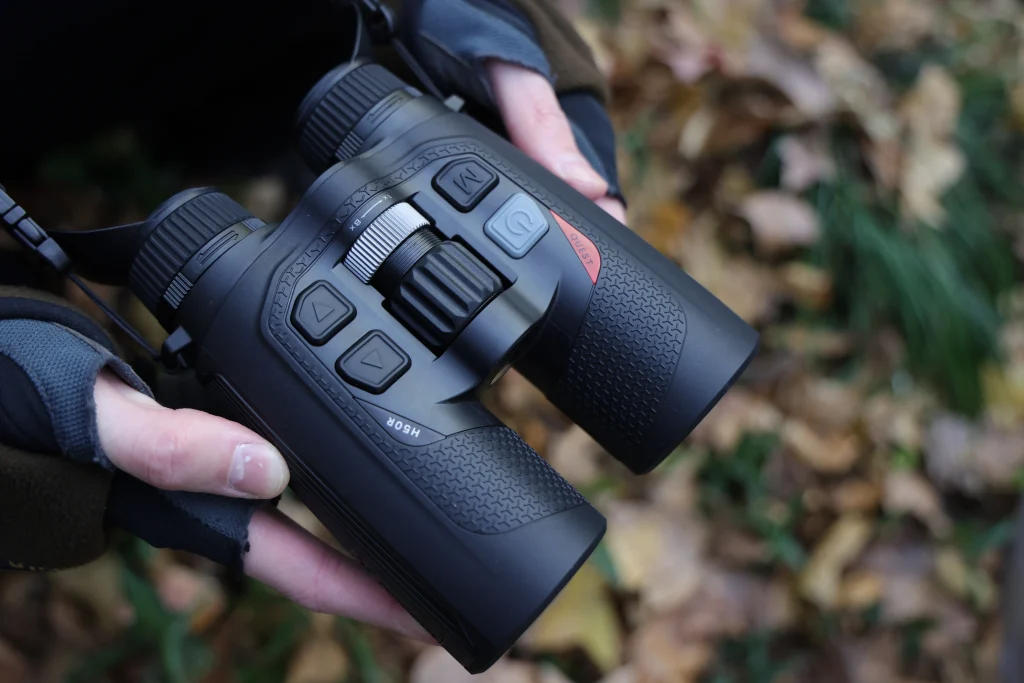
Båda är handhållna termiska observationsverktyg. Den största skillnaden är komforten under långa observationssessioner.
| Särdrag | Termisk monokulär | Termisk kikare |
|---|---|---|
| Visningsstil | Enögd synvinkel | Tvåögonsbetraktning |
| Bästa användning | Mobil skanning och snabba kontroller | Lång observation från en position |
| Bekvämlighet | Bra för korta till medellånga sessioner | Bättre för längre glaseringsperioder |
| Trötthet | Mer ögonansträngning med tiden | Mindre ögon- och hjärntrötthet |
| Storlek | Mindre och enklare att packa | Större och mer skrymmande |
| Vikt | Tändare | Tyngre |
| Kosta | Ofta lägre | Ofta högre |
| Bäst för | Jägare som flyttar ofta | Jägare som vakar över fält, vattenkällor eller öppna områden i timmar |
En termisk monokikare är oftast det bättre valet när du rör dig ofta, skannar snabbt eller vill hålla din utrustning lätt. Termiska kikare är mer användbara när du sitter på ett ställe under långa observationssessioner. De känns mer naturliga eftersom båda ögonen arbetar, men den extra vikten och den högre kostnaden är nackdelen.
Termisk monokulär kontra nattseende monokulär
Detta är en av de vanligaste förvirringspunkterna för nya köpare. De kan se lika ut, men de löser olika problem.
| Särdrag | Termisk monokulär | Nattseende monokulär |
|---|---|---|
| Hur det fungerar | Detekterar värme | Förstärker tillgängligt ljus |
| Ljuskrav | Fungerar med noll ljus | Behöver månsken, stjärnljus eller en IR-belysning |
| Bästa användning | Detektion, skanning och lokalisering av djur | Navigering och detaljer på nära håll |
| Totalt mörker | Fungerar bra | Begränsad utan IR-belysning |
| Lätt dimma eller gräs | Kan avslöja värmesignaturer bättre | Lättare blockerad av visuell täckning |
| Bilddetaljer | Lägre visuella detaljer | Bättre form och ytdetaljer |
| Bäst för | Att hitta djur på avstånd | Förflytta sig, identifiera terräng och se detaljer i närheten |
En termisk monokikare är bättre när din första uppgift är att snabbt hitta värmesignaturer, särskilt på natten eller över öppen mark. En mörkerseendemonokikare är bättre när du behöver gå, läsa terräng eller se mer naturliga visuella detaljer på nära håll. Många nattjägare använder båda eftersom termisk kikare hjälper dem att hitta djuret, medan mörkerseende hjälper till med rörelse och närmare synmedvetenhet.
Vilken termisk monokulär ska man köpa för jakt?
Rätt termisk monokulär beror på hur du jagar, var du jagar och hur mycket du skannar. Så här anpassar sig Nocpix monokulärsortiment till olika jaktbehov.
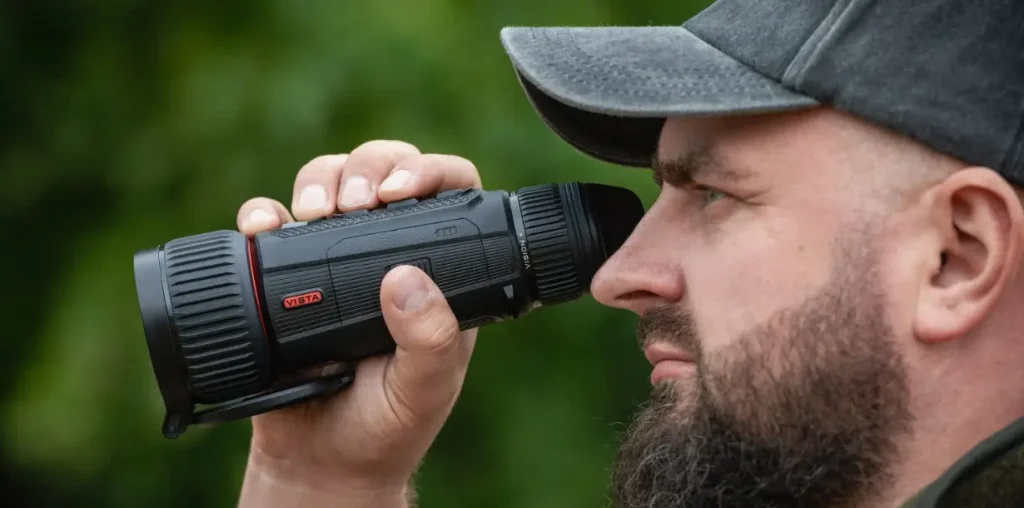
För långdistansskanning → Nocpix VISTA-serien
De Nocpix VISTA-serien är byggd för jägare som behöver skanna stora öppna områden – vida födoodlingar, kustnära våtmarker, öppna betesmarker eller böljande rancherräng där djur kan dyka upp allt från 100 till 750 meter bort. Den har en egenutvecklad sensor med NETD ≤15 mK, en cirkulär AMOLED-skärm på 2560×2560, en uppdateringsfrekvens på 60 Hz och en integrerad laseravståndsmätare på 1 200 meter på LRF-modeller. F0.9-objektivet ökar ljusinfångningen med 20% jämfört med ett standard F1.0-objektiv, vilket höjer bildens ljusstyrka utan att offra skärpa. För jägare som kräver högkvalitativ bildprestanda i ett handhållet paket är VISTA toppen av Nocpix monokulare-sortiment.
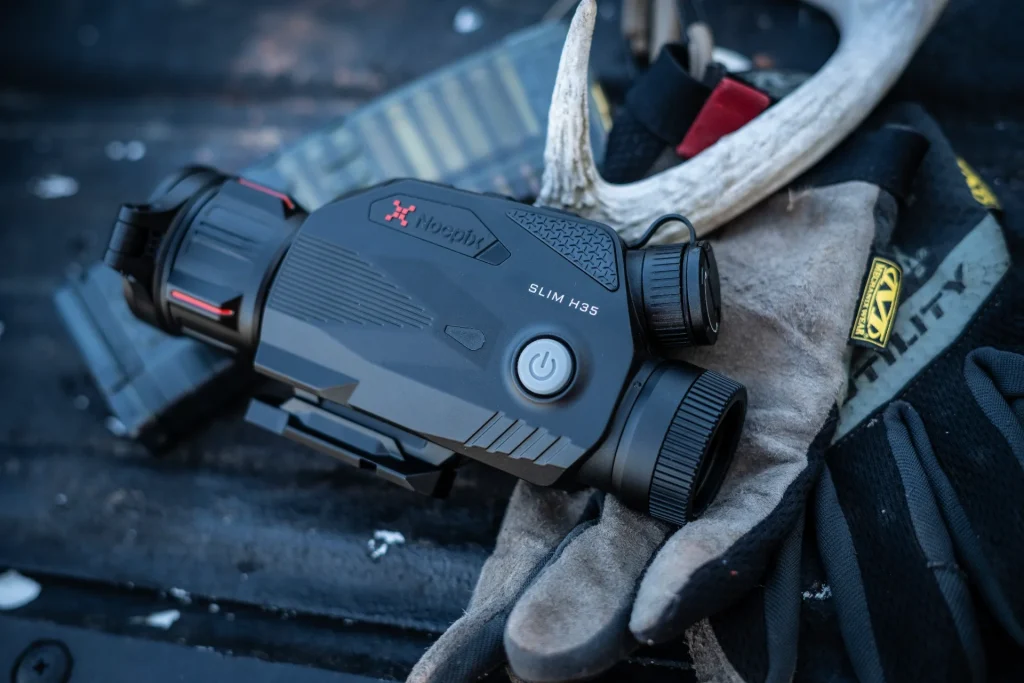
För lätt och mobil jakt → Nocpix SLIM-serien
Om du vill ha en termisk enhet som gör dubbelfunktion – handhållen skanner och gevärsmonterat kikarsikte – Nocpix SLIM-serien är värd en närmare titt. Den fungerar både som en handhållen monokulär och ett termiskt kikarsikte, och växlar mellan roller via ett snabbt löstagbart fäste som bibehåller nollpunkten när det återmonteras. Med en vikt på bara 530 g är SLIM genuint lätt för att vara en enhet med dubbla funktioner. Jägare som täcker mycket mark till fots, springer och skjuter rovdjursuppställningar, eller vill ha en minimalistisk utrustning utan att bära två separata optiksystem kommer att upptäcka att SLIM löser flera problem samtidigt.
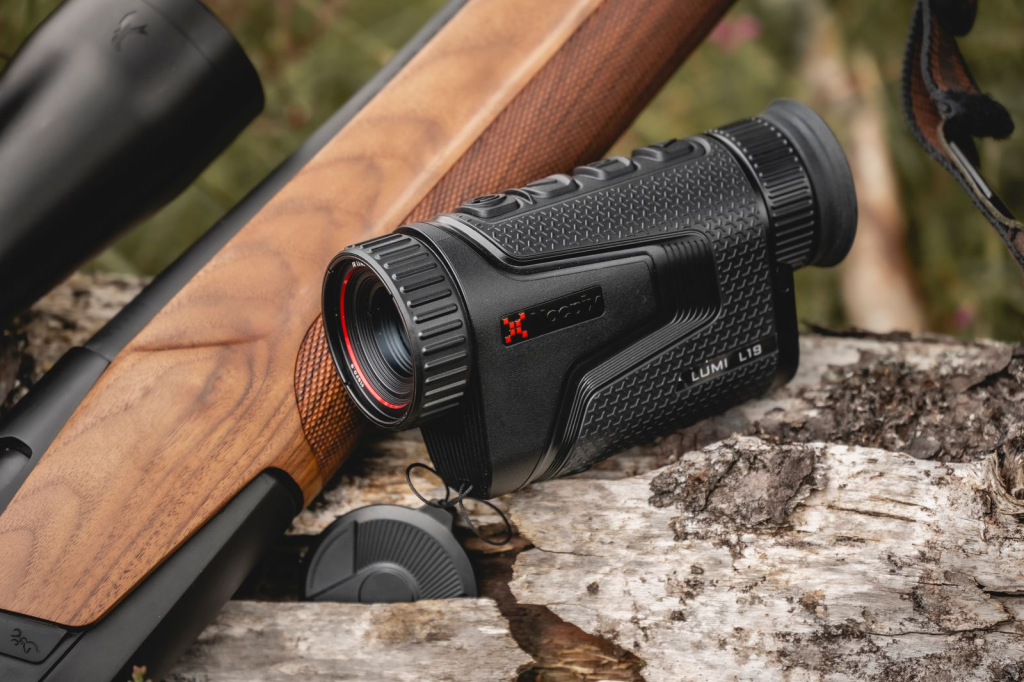
För inbyggd avståndsmätning → Nocpix LUMI LRF-serien
De Nocpix LUMI LRF-serien är det kompakta svaret på frågan "kan jag få termisk detektion och noggrann avståndsmätning i en fickstorleksenhet?" LUMI LRF mäter cirka 147×47×74 mm och väger mindre än 385 g med batteri – liten nog att få plats i en jackficka. Den har en integrerad 800-meters laseravståndsmätare med snabb respons och låg latens, Reality+ AI-bildalgoritmen för förbättrad skärpa under digital zoom och tysta knappar utformade för att undvika att varna djur i närheten. För jägare som använder ett dagkikare på sitt gevär och vill ha en kapabel termisk avståndsmätare med inbyggd avståndsmätning för att bekräfta avstånd innan de skjuter, passar LUMI LRF den rollen utan att göra den större.
Vilka är de vanligaste myterna om termiska monokikare?
Några ihärdiga myter om termiska monokularer följer omkring, och de leder till dåliga köpbeslut och orealistiska förväntningar. Här är sanningen bakom de tre vanligaste.
Myten om "genomskinliga väggar"
Termiska monokularer kan inte se genom solida väggar, glas eller de flesta solida ytor. De detekterar värme som strålas ut eller leds genom en yta, inte värme inuti ett slutet utrymme. En gris inuti en lada kommer inte att synas på din termiska display eftersom väggen blockerar den infraröda signaturen.
Det termiska objekt kan detektera värme som strålar ut från utsidan av ett varmt föremål – ett djur som står i högt gräs, delvis dolt bakom buskage eller ligger i en grund fördjupning. Det är detektion genom partiell blockering, inte genom solida barriärer.
Myten om "bara natten"
Termiska monokulare fungerar i fullt dagsljus. Eftersom de detekterar infraröd strålning snarare än synligt ljus, påverkar inte dagsljuset dem eller skadar sensorn på samma sätt som ett traditionellt mörkerseendeförstärkarrör. Det betyder att du kan använda din termiska monokulare under en fastighetskontroll mitt på dagen, i starkt solljus, lika effektivt som du skulle göra vid midnatt.
Faktum är att vissa jägare tycker att termisk bild är särskilt användbar vid första och sista ljuset – när djur rör sig och den visuella kontrasten är låg – eftersom den termiska bilden inte påverkas av övergången mellan mörker och dagsljus.
Myten om "ersätter ditt kikarsikte"
En termisk monokulär kikare är en detekteringsanordning, inte en skjutlösning. Den är inte utformad för att bekräfta din ballistiska lösning, hålla ett exakt riktmedel på ett rörligt djur eller motstå rekylen från ett gevär. Att använda den som ersättning för ett gevärsmonterat termiskt kikarsikte i skjutsammanhang leder till dålig skottplacering och osäkra förhållanden.
Rätt sätt att tänka på det: en termisk monokulär hittar djuret. Ditt termiska kikarsikte, dagkikare eller annan gevärsoptik tar skottet. De är byggda för olika uppgifter, och att använda var och en för det den gör bra är det som ger konsekventa resultat i fält.
Sluttanke
Termiska monokularer för jakt löser ett problem som ett kikarsikte ensamt inte kan: de ger dig situationsmedvetenhet före skottet, utan att du behöver rikta ditt vapen mot något du inte har identifierat med säkerhet. Det är inte bara en taktisk fördel – det är en säkerhetsvana.
Oavsett om du behöver maximalt detekteringsområde, en kompakt skanner för aktiv smygjakt eller en fickstorleksenhet med inbyggd avståndsmätare, finns det en termisk monokulärkikare som passar ditt jaktsätt. Bläddra bland hela Nocpix termisk avbildnings monokularsortiment för att jämföra sensorupplösning, LRF-alternativ, skärmtyp och formfaktor i LUMI LRF-, VISTA- och SLIM-serien – och hitta den som passar in i ditt kit.
Vanliga frågor om termiska monokulare för jakt
Hur länge håller termiska monokulära batterier?
Batteritiden varierar beroende på modell och hur hårt du använder funktioner som avståndsmätare, digital zoom och trådlös anslutning. Nocpix SLIM-serien erbjuder upp till 8 timmars standby-tid med ett utbytbart 18650-batteri. VISTA-serien använder ett avtagbart 4 400 mAh IBP-7-batteripaket med USB-C-laddning. För långa jakter eller användning i kallt väder är det alltid en bra idé att ha med sig ett reservbatteri.
Kan en termisk monokulär kikare spela in video eller ta foton?
De flesta moderna termiska monokularer har stöd för inbyggd foto- och videoinspelning. VISTA-serien har inbyggd lagring för foton, video och ljud. LUMI LRF-serien har även stöd för inbyggd inspelning. Kontrollera de enskilda modellspecifikationerna på Nocpix termisk monokulär för information om lagringskapacitet för varje enhet.
Vad är NETD, och varför är det viktigt?
NETD står för Noise Equivalent Temperature Difference (brusekvivalent temperaturskillnad). Det mäter hur liten temperaturskillnad din sensor kan upptäcka och visa tydligt. Ett lägre NETD-värde innebär att sensorn är känsligare – den kan upptäcka finare temperaturskillnader och producera en renare bild under utmanande förhållanden. Sensorer i VISTA-serien har NETD ≤15 mK, vilket är bland de högsta känsligheterna i Nocpix-serien. LUMI- och SLIM-serien har NETD ≤18 mK, vilket fortfarande ger stark prestanda för fältanvändning.
Är det värt att ha en termisk monokulär om jag redan har ett termiskt kikarsikte?
Ja, i de flesta fall. Ditt termiska kikarsikte är fäst vid ditt gevär och optimerat för skytte. En termisk monokikare låter dig skanna utan att rikta ditt vapen, kontrollera din omgivning fritt, bekräfta värmesignaturer innan du höjer ditt gevär och bärga djur mer effektivt efter mörkrets inbrott. Många jägare som lägger till en termisk monokikare till en befintlig termisk kikarsiktesuppsättning rapporterar att monokikaren blir den anordning de oftast griper efter.