









Predator hunting gear should match the ground you are covering and the way you plan to hunt it. A mobile fox set along hedgerows calls for a light scanner and fast access to a caller. A long watch over open farmland puts more weight on steady observation, ranging, warm clothing, and battery capacity.
Start with the checklist below, then adjust it for the terrain, weather, duration, and local rules.
Quick Predator Hunting Gear Checklist
Observation and Optics
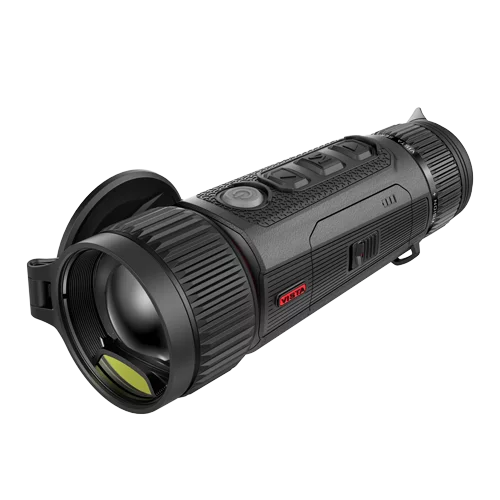
- Handheld thermal monocular for scanning
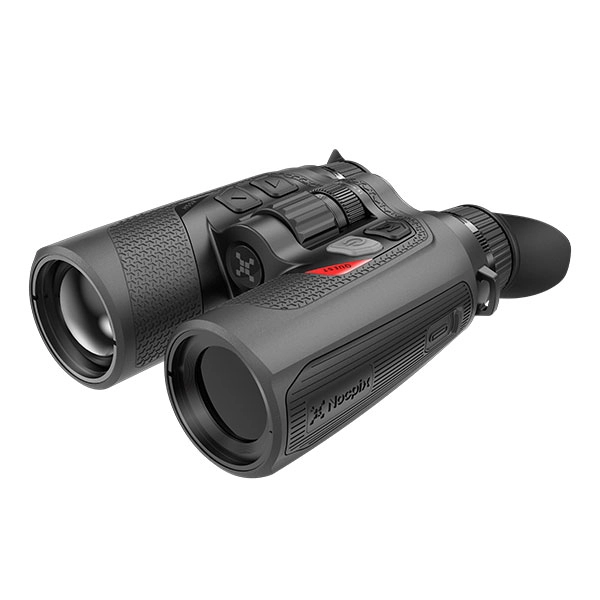
- Thermal binoculars for long observation sessions
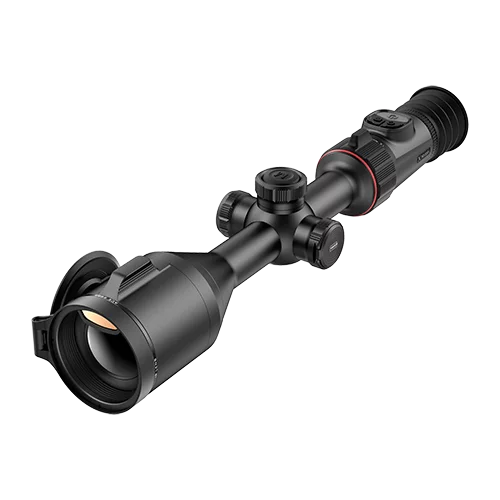
- Thermal or digital riflescope where the method is permitted
- Laser rangefinder if it is not built into the observation device or scope
- Day optic or conventional binoculars for daylight setup and final light
- Lens cloth, lens brush, and protective caps
Calling and Shooting Support
- Electronic caller or hand calls suited to the target species
- Remote control with fresh batteries
- Shooting sticks, tripod, or stable field rest
- Wind indicator
- Ammunition matched to the rifle and local requirements
- Suppressor, lamp, or other regulated equipment where authorised
Power, Navigation, and Safety
- Charged device batteries plus a spare set
- Power bank and the correct charging leads
- Phone, radio, or agreed communication plan
- Offline map, GPS, and a marked return route
- Headlamp with a low-output or red-light mode
- Compact first-aid kit
- Landowner permission and any required licence or authorisation
Clothing and Field Comfort
- Quiet outer layers suited to the forecast
- Waterproof jacket and trousers for wet ground
- Insulated boots and spare socks
- Thin gloves that still allow control of focus rings and buttons
- Warm hat, neck gaiter, and an extra insulating layer
- Seat pad or compact stool for a static set
- Water and a small high-energy snack
Pack these items by frequency of use. The scanner, caller remote, rangefinder, and wind indicator should be reachable with one hand. Spare batteries and cleaning gear can sit deeper in the bag.
Plan the Set Before Choosing the Optics
Write down five details before opening the gear cupboard:
- Terrain: hedgerows, woodland rides, rolling pasture, or open upland.
- Expected distance: the usual scanning range and the longest realistic shot lane.
- Movement: a walking route, several short stands, or one fixed position.
- Weather: temperature, rain, humidity, wind, and ground conditions.
- Team roles: who scans, who calls, and who handles the rifle.
This short set plan immediately narrows what you need to carry. Night-hunting laws vary across Europe and may also change by region, species, date, and land type. Check the current rules with the relevant authority before the trip, including firearm use, thermal or night optics, artificial light, callers, suppressors, transport, and reporting. Save the source with your set notes so the whole team is working from the same information.
Match Each Thermal Device to a Job
Many night setups work best with separate tools for scanning and aiming. Each format has a different handling pattern in the field.
Thermal Monocular: Fast, Mobile Scanning
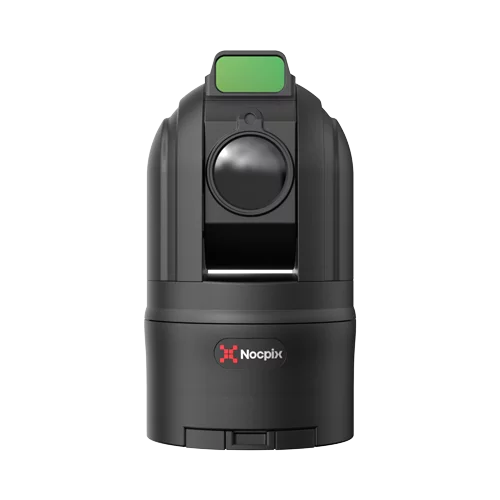
A handheld scanner keeps the rifle down while you search field margins, gateways, and woodland edges. Weight, field of view, focus access, and battery changes matter when you are walking and scanning repeatedly.
For mobile scanning, Nocpix offers termisk avbildningsmonokulär including the compact LUMI-serien. LUMI uses replaceable 18650 batteries and weighs between 310 g and 345 g, depending on the model. The LUMI L19 covers 24 x 18 m at 100 m, which suits short lanes and broad scanning, while the H35 offers more image detail with a narrower view
For longer viewing sessions or a higher-resolution display, the VISTA-serien gives another monocular option. Match base magnification and field of view to the distances in your set plan; these two figures shape how quickly you can find movement and how much detail you retain at range.
Thermal Binoculars: Long Watches and Shared Observation
Binoculars suit fixed positions where you will spend long periods studying open fields or distant edges. A two-eye view can be easier to settle into, while the larger body needs its own place in the pack or on a neck strap.
For two-eye observation, Nocpix termisk kikare include the QUEST-serien. QUEST models combine a 60 Hz sensor, integrated laser rangefinder, and a built-in plus replaceable battery arrangement. The model range covers different fields of view and base magnifications, so an H35R can fit mixed farmland while an H50R favours more distant observation.
Thermal Riflescope: The Aiming Stage
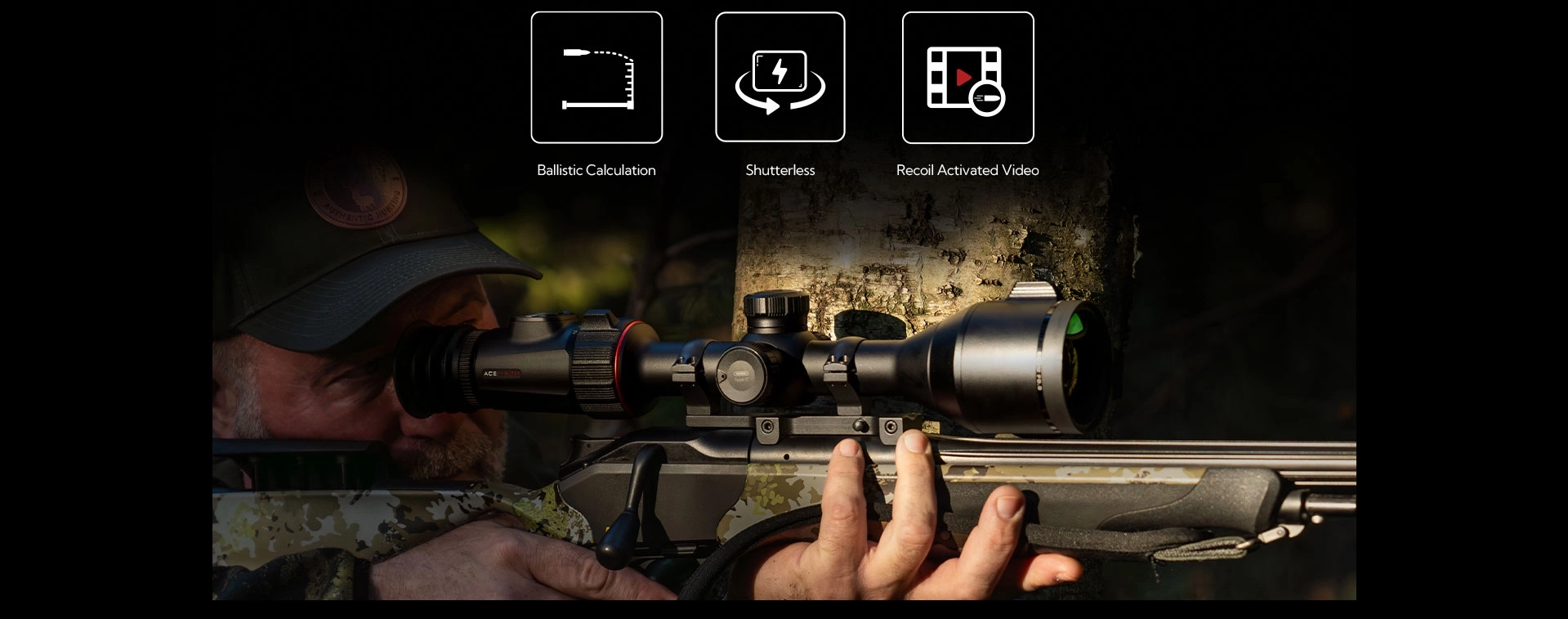
A riflescope enters the workflow after scanning, identification, and ranging. Choose the base magnification for the typical shot distance, then check field of view, mounting, zeroing procedure, recoil rating, battery access, and control layout with gloves.
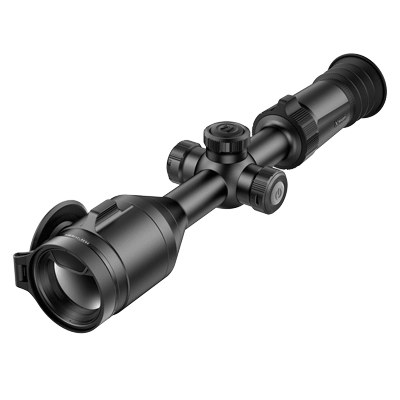
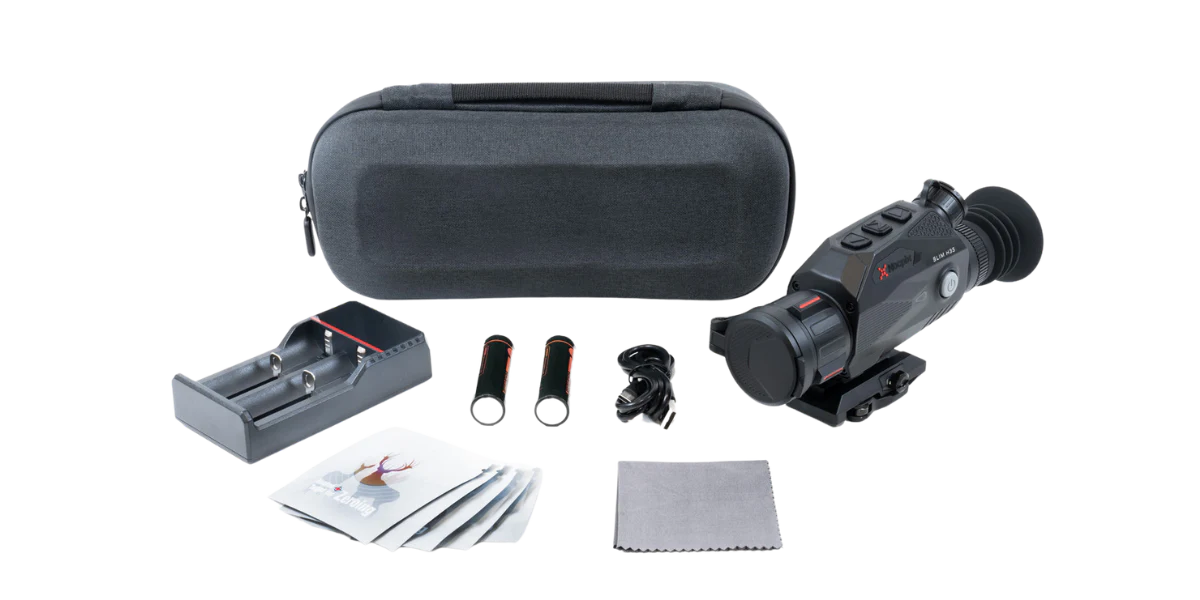
For the aiming role, Nocpix offers thermal imaging riflescopes across several series, including BOLT, ACE, RICO 2, and SLIM. The ACE-serien covers several sensor and lens options for mixed and longer-range ground. The SLIM series is lighter and uses a replaceable 18650 battery. Mounts and features vary by region, so confirm the version sold locally.
Choose Gear for the Terrain
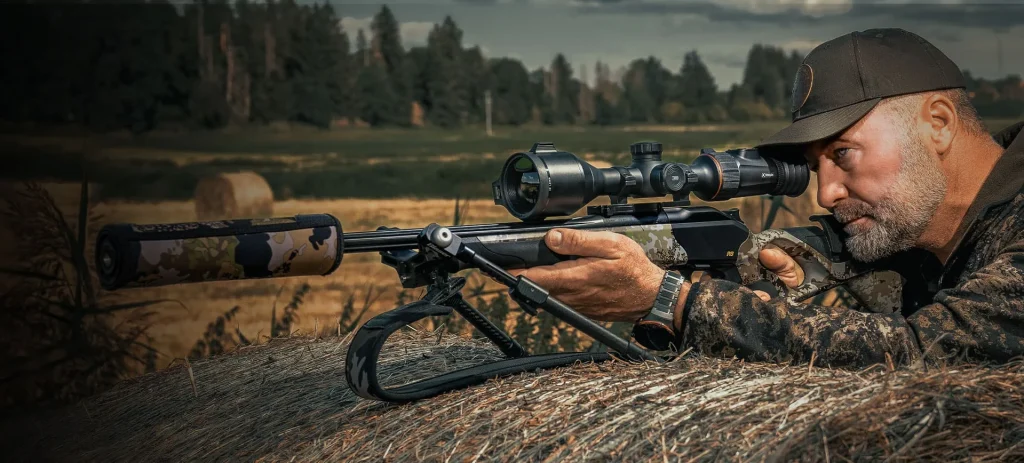
Hedgerows, Farm Boundaries, and Short Lanes
Broken sightlines reward a wide field of view and quick refocusing. Carry a compact monocular where it can be raised silently, and keep the caller remote in a separate pocket so it cannot knock against the scanner.
Suggested setup:
- Wide-view thermal monocular
- Hand calls or a compact electronic caller
- Shooting sticks for uneven gateways and field corners
- Wind indicator
- Low-output headlamp for access and packing up
- Waterproof shell and knee protection for wet margins
During setup, scan every entrance, road, building, livestock area, and boundary marker. Pick two or three repeatable scan arcs so gaps between hedges receive regular attention.
Wet Woodland Edges and Forest Roads
Humidity, drizzle, wet vegetation, and warm backgrounds can flatten thermal contrast. Clean optics and precise focus often make an immediate difference. The Nocpix guide on humidity and thermal scopes explains why image quality can change even when a heat source remains visible.
Suggested setup:
- Thermal monocular with easy objective-focus adjustment
- Lens cloth in a dry pocket
- Waterproof device pouch or cover
- Compact caller positioned away from the firing point
- Tripod or sticks that work on soft ground
- Offline map for rides and forestry tracks
- Spare gloves and socks
Check the image at the actual lane distances before the set begins. Focus on fence posts, tree trunks, and other known objects, then note the control position that gives the clearest view.
Open Farmland and Rolling Ground
Open fields create longer scan arcs and more distance uncertainty. Stable observation and reliable ranging become more valuable, especially where dips in the ground hide parts of the approach.
Suggested setup:
- Higher-detail monocular or thermal binoculars
- Integrated or separate laser rangefinder
- Tripod or seated shooting support
- Caller with enough remote range for the planned placement
- Wind checker and a simple sketch of likely approach routes
- Spare battery immediately accessible
- Radio for a two-person team
Range several fixed landmarks during daylight setup. Gateposts, trees, field corners, and banks give useful references after dark and help confirm where the laser is landing.
Cold Upland and Long Static Sets
Cold, wind, and inactivity shape this kit as much as the optics. Use layered clothing that lets you vent during the walk in, then add insulation at the stand. Keep batteries in an inner pocket until needed and practise changing them with gloves.
Suggested setup:
- Thermal binoculars or a monocular suited to extended viewing
- Two tested battery sets
- Insulated seat pad
- Windproof outer layer and spare hat
- Flask, water, and quick food
- Headlamp plus a backup light
- GPS, offline map, and a clear check-in time
Run the complete optic setup for the planned duration before the trip. Use the same recording, Wi-Fi, display brightness, and ranging settings you expect to use in the field.
Thermal Specs That Change the Hunt
Field of View and Base Magnification
Field of view tells you how much ground appears on screen. A broad view helps catch movement close to hedges and woodland edges. Higher base magnification shows a smaller slice of the scene and can suit open terrain where animals are usually farther away.
Nocpix thermal imaging terms guide explains field of view, objective focus, diopter adjustment, and rangefinding in practical terms. The quoted metres-at-100-metres figure shows how much ground each model covers.
Sensor Resolution and Thermal Sensitivity
Resolution affects the amount of image information available for viewing and digital magnification. Thermal sensitivity, often shown as NETD, describes the sensor’s ability to distinguish small temperature differences. In damp woodland or mild weather, good sensitivity and careful focusing help preserve separation between the animal and background.
Treat these specifications as a pair with lens size, base magnification, display, and image processing. The full imaging chain determines what reaches your eye.
Laser Rangefinder
An integrated LRF reduces the number of devices in your hands. It is especially useful over open or rolling ground, where distance is difficult to judge at night. Before relying on a reading, confirm that the aiming mark is clear of grass, branches, wire, and nearby banks.
Batterisystem
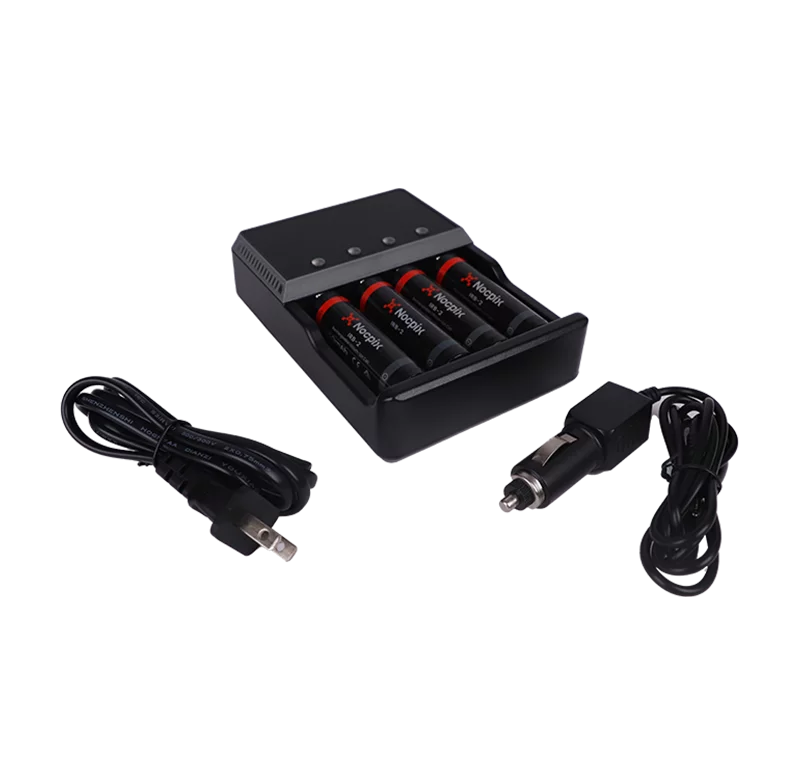
Check battery type, expected runtime, charging method, and whether a cell can be replaced in the field. Standardise battery types across the kit where possible. Label charged cells, carry them in a case, and keep used cells in a different pocket.
Pre-Hunt Setup: A 15-Minute Check
Complete this check at home or beside the vehicle, with enough light to correct a problem:
- Charge every optic, caller, remote, radio, phone, and power bank.
- Confirm date, time, recording settings, display brightness, and image palette.
- Clean the objective lens and eyepiece, then fit the lens caps.
- Test objective focus and diopter adjustment at realistic distances.
- Confirm the rangefinder returns the intended landmarks.
- Check the rifle mount, zero, ammunition, and shooting support.
- Play the caller at low volume and test the remote from the planned distance.
- Load offline maps and mark access points, boundaries, buildings, roads, and livestock.
- Review the target species, identification features, safe sectors, and backstops with the team.
- Put the scanner, caller remote, spare battery, and wind indicator in fixed pockets.
Once the set begins, keep scanning and identification as separate steps. A heat signature tells you where to look; body shape, movement, context, and a clear view establish what you are looking at. Nocpix covers this distinction in its guide to termisk detektering och identifiering.
After the Set
Dry the equipment before storing it, especially after fog, rain, or wet vegetation. Wipe the body with a soft cloth, clean the lenses with the proper tools, and inspect caps, mounts, straps, and battery compartments.
Make a short note of:
- Temperature and weather
- Ground covered and time on the set
- Battery level at the start and finish
- Image settings used
- Focus or handling issues
- Caller response and useful sound sequences
- Any item that stayed in the bag
- Any item you wished you had carried
After a few trips, these notes reveal which gear earns a permanent place in the pack.
Vanliga frågor
What equipment do you need for night predator hunting?
A practical night kit covers scanning, lawful aiming, calling, shooting support, wind checking, navigation, communication, and spare power. Add a headlamp, first-aid kit, weather layers, land permission, and the licences or authorisations required for the location. Open or unfamiliar ground may also justify thermal binoculars or a laser rangefinder.
Ska jag köpa en termisk skanner eller ett termiskt teckenförsörjningssystem först?
Start with the role your current setup cannot perform. If you already have a lawful way to aim at night, a handheld scanner adds dedicated search and observation. If the aiming stage is the missing part, address that first. A complete thermal setup usually keeps scanning and aiming on separate devices; Nocpix explains the roles in its thermal scanner guide.
Do predator hunters need binoculars and a rangefinder?
They earn a place in open farmland, rolling ground, mountain terrain, and unfamiliar locations where long observation or uncertain distance is part of the set. Short, familiar lanes may need neither. An integrated LRF saves a separate hand movement, while a standalone unit can serve several optics; the Nocpix LRF guide covers the choice in more detail.
How should night hunting gear be organized and maintained?
Give the scanner, caller remote, wind indicator, and spare battery fixed pockets that you can reach with one hand. Keep charged and used batteries separate, store lens tools in a dry pocket, and group each device with its cable. After the set, dry the equipment, clean the lenses, inspect mounts and battery compartments, recharge everything, and repack the same layout.
The best predator hunting gear checklist is the one you can use under pressure. Give every item a fixed job and a fixed place in the pack. Start with the terrain, assign scanning and observation roles, choose the thermal device that fits each job, and finish with the power, navigation, weather, and safety checks that keep the whole night running smoothly.