




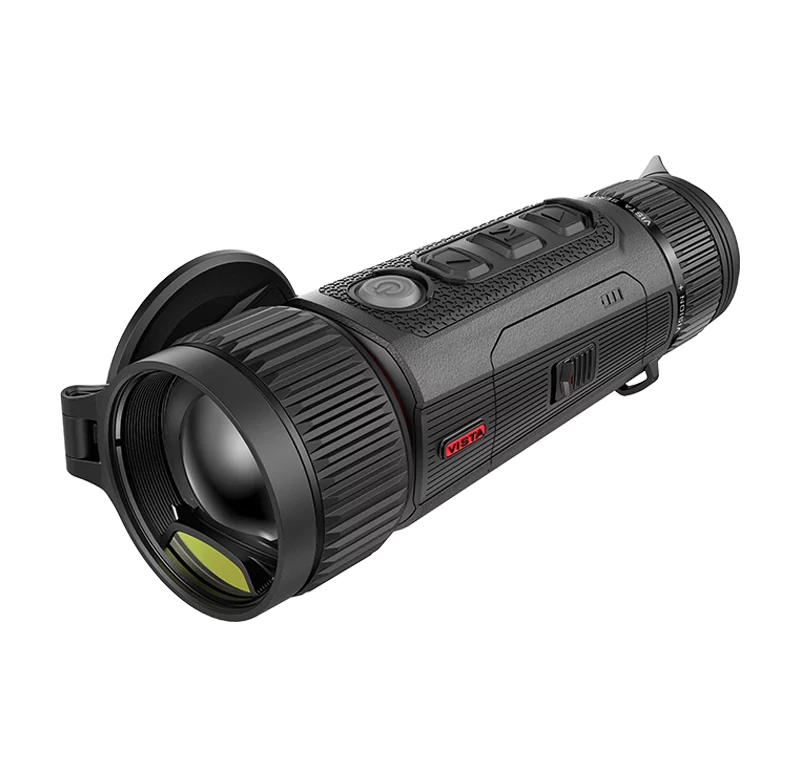
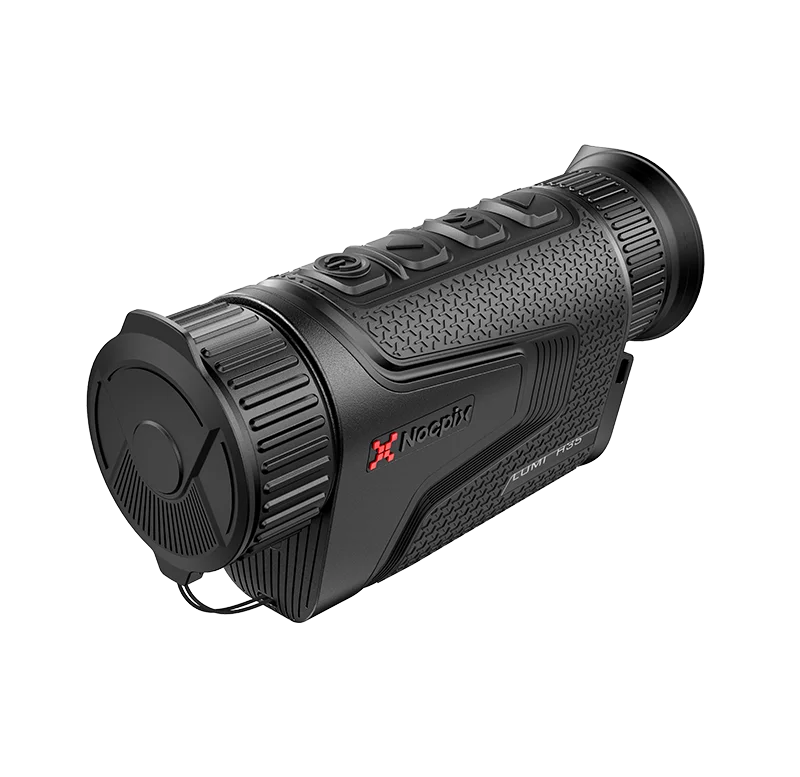
Compact Power: Thermal Imaging Monoculars Explained
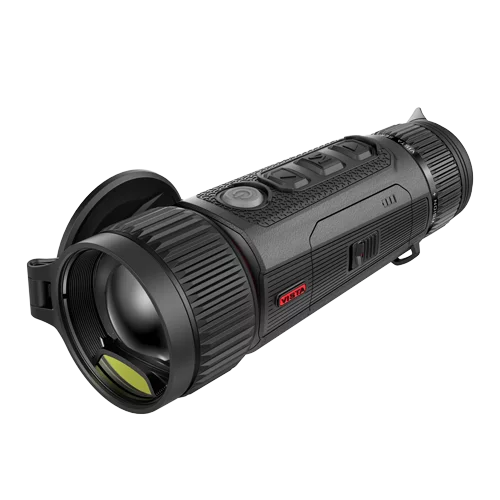
Thermal imaging monoculars are handheld devices that detect heat rather than visible light. By sensing infrared energy from people, animals, and objects, they allow reliable detection in complete darkness and low-visibility conditions such as fog, light rain, smoke, or dense vegetation.
Unlike traditional night vision, which depends on ambient light, thermal monoculars work independently of lighting conditions. This makes them well suited for mobile scouting, wildlife observation, and security scanning where visibility can change quickly.
When Is a Thermal Monocular the Right Choice?
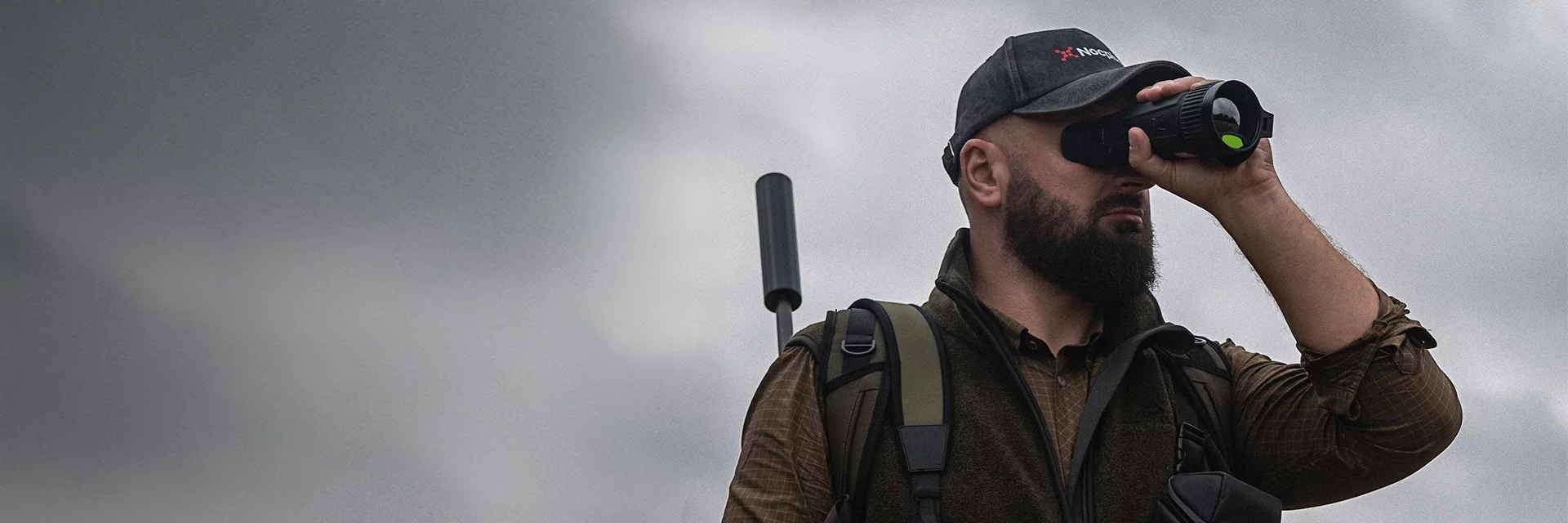
Thermal monoculars are ideal for users who value portability and fast, one-handed operation. Compared with binocular-style devices, monoculars are lighter and easier to carry during long walks, active stalking, or frequent repositioning.
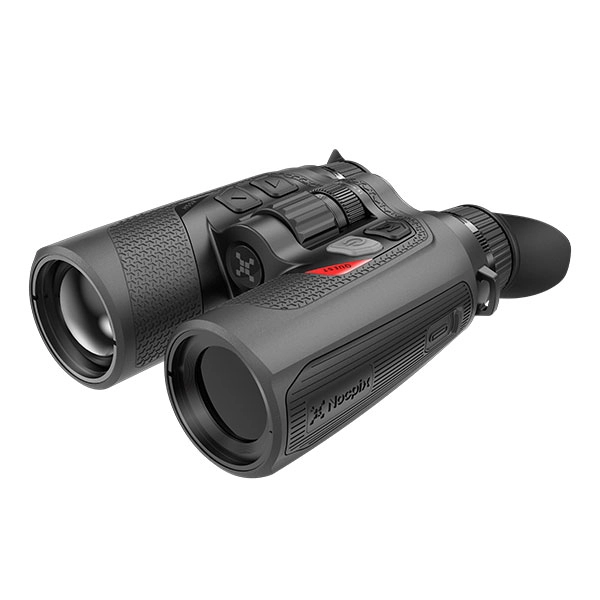
For extended observation from a fixed position, binoculars may feel more comfortable. For movement-heavy use, monoculars offer greater flexibility with less weight.
Key Factors to Consider When Choosing a Thermal Monocular
Several technical features directly influence real-world performance:
- Sensor Resolution: Higher resolutions, such as 384×288 or 640×512, provide clearer images and better target recognition at longer distances.
- NETD Sensitivity: NETD measures how well a sensor detects small temperature differences. Lower values, typically below 20mK, deliver more stable images in humid or low-contrast environments.
- Detection Range: Detection range determines how far a heat signature can be identified, supporting earlier awareness across open terrain.
- Portability and Ergonomics: Compact size, balanced weight, and intuitive controls matter for comfortable one-handed use in the field.
Environmental Performance and Power Considerations
Thermal monoculars are designed for outdoor conditions and often feature water- and dust-resistant housings. Operating temperature range and battery life are also important, since thermal systems consume more power than traditional optics.
Frequently Asked Questions
Thermal Monocular vs. Binocular: Which should I choose?
Choose a monocular for portability and quick scanning. Choose binocular-style devices for longer, stationary observation with reduced eye fatigue.
Can thermal monoculars be used during the day?
Yes. Thermal imaging detects heat, not light, making it safe and effective for daytime use, especially for spotting camouflaged animals.
How far can a thermal monocular detect heat signatures?
Detection range depends on sensor resolution and lens size. Professional thermal monoculars can typically detect human-sized heat signatures well beyond normal visual range.
About Nocpix Thermal Imaging Monoculars
Nocpix thermal imaging monoculars are developed around these principles, focusing on a balance of image clarity, thermal sensitivity, and portability for real-world field use.