




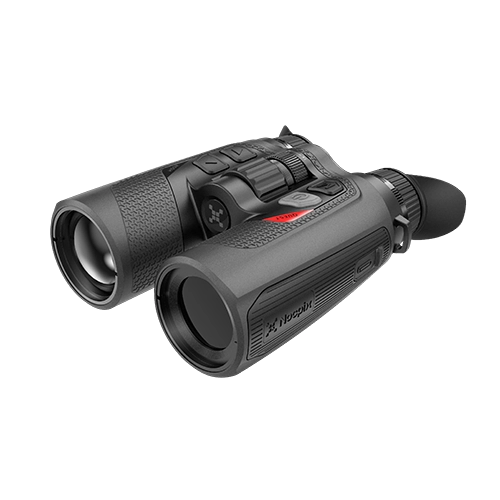
Experience the Unseen: Thermal Imaging Binoculars Explained
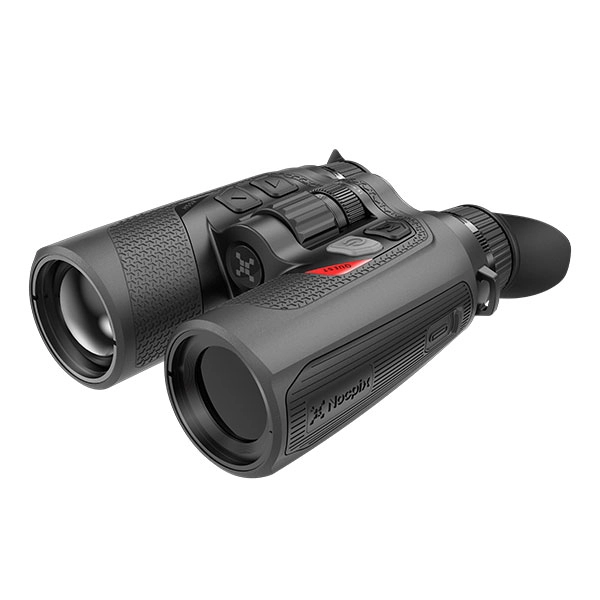
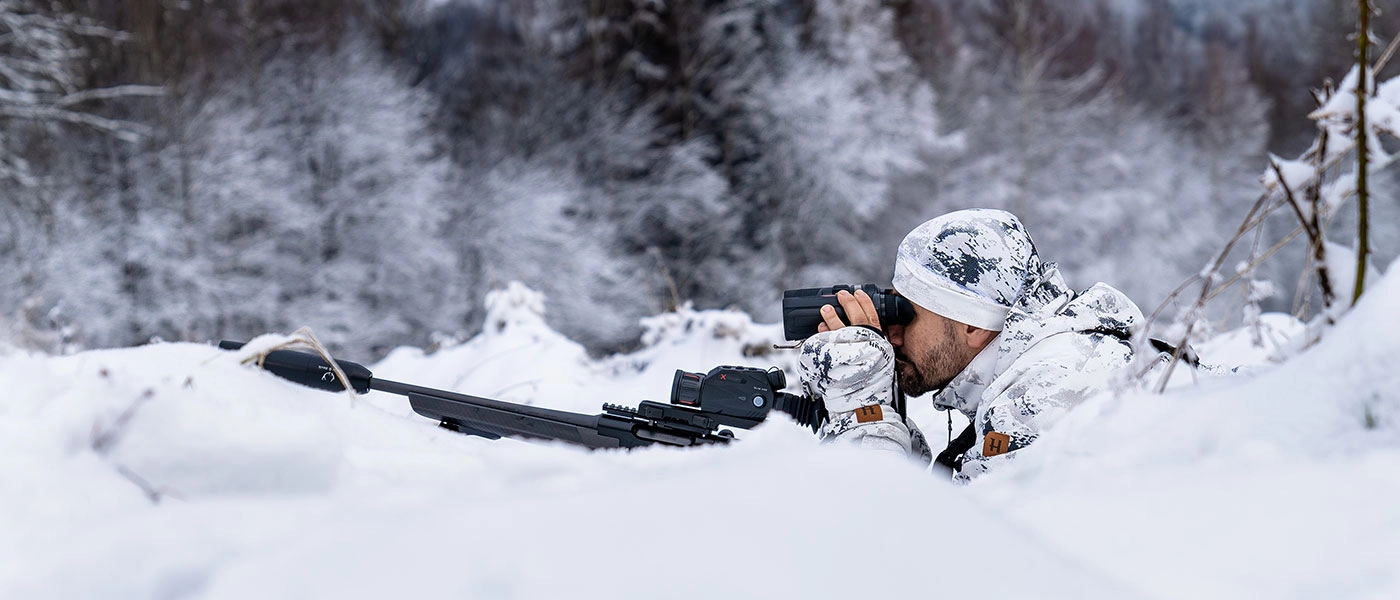
Thermal imaging binoculars detect heat rather than visible light, allowing clear observation in complete darkness and poor visibility. By sensing infrared energy from people, animals, and objects, they remain effective in conditions such as fog, light rain, smoke, or dense vegetation.
Unlike traditional night vision, which relies on ambient light, thermal binoculars operate independently of lighting conditions. This makes them a reliable tool for hunting, wildlife observation, and security work where visibility is unpredictable.
What Makes Thermal Imaging Binoculars Different?
Thermal imaging binoculars convert temperature differences into visible contrast. Warmer objects appear brighter, while cooler surroundings appear darker, making movement and presence easier to identify when visual detail is limited.
Because they do not depend on reflected light, thermal binoculars can still detect targets through partial obstructions like brush or tall grass, where standard optics often struggle.
Key Features to Understand Before Choosing Thermal Binoculars
Several technical factors directly influence thermal binocular performance:
- Sensor Resolution: Higher resolutions, such as 384×288 or 640×512, deliver sharper images and better target separation at longer distances.
- NETD Sensitivity: NETD measures a sensor’s ability to detect small temperature differences. Lower values, typically below 20mK, provide clearer images in humid, rainy, or low-contrast environments.
- Detection Range: Detection range defines how far a heat signature can be identified, supporting earlier awareness and more effective scanning of open areas.
- Binocular Viewing Comfort: Dual-eye designs reduce eye strain and are better suited for extended viewing compared to monocular devices.
Environmental Performance and Durability
Thermal imaging binoculars are designed for outdoor use across varying weather conditions. Many models feature waterproof and dust-resistant construction for reliable operation in rain, snow, and rugged terrain. Operating temperature ranges are also important for use in extreme climates.
Battery life should be considered as well, since thermal systems consume more power than traditional optical binoculars.
Frequently Asked Questions:
What is the difference between thermal binoculars and night vision?
Night vision amplifies available light, while thermal imaging detects heat, allowing operation in complete darkness and reduced-visibility conditions.
What does NETD mean in thermal imaging?
NETD indicates how precisely a thermal sensor detects temperature differences. Lower values produce more detailed images in challenging environments.
Are thermal imaging binoculars better than monoculars?
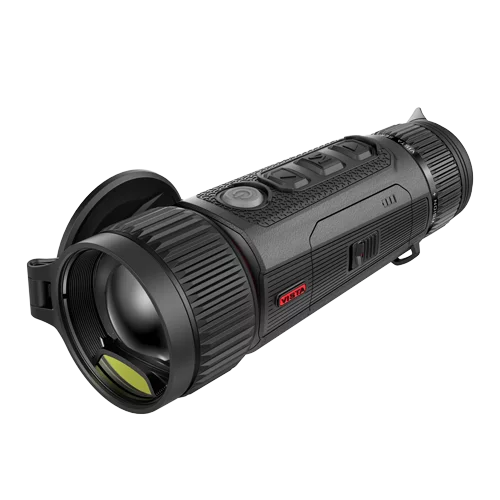
Thermal binoculars offer greater viewing comfort for long sessions, while monoculars prioritize portability. The best choice depends on usage time and mobility needs.