





Thermal Dome Camera Explained
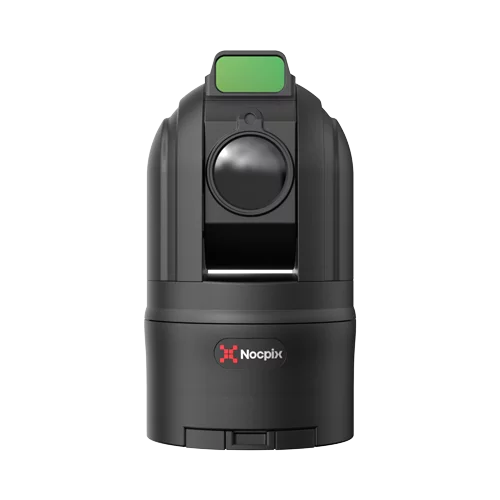
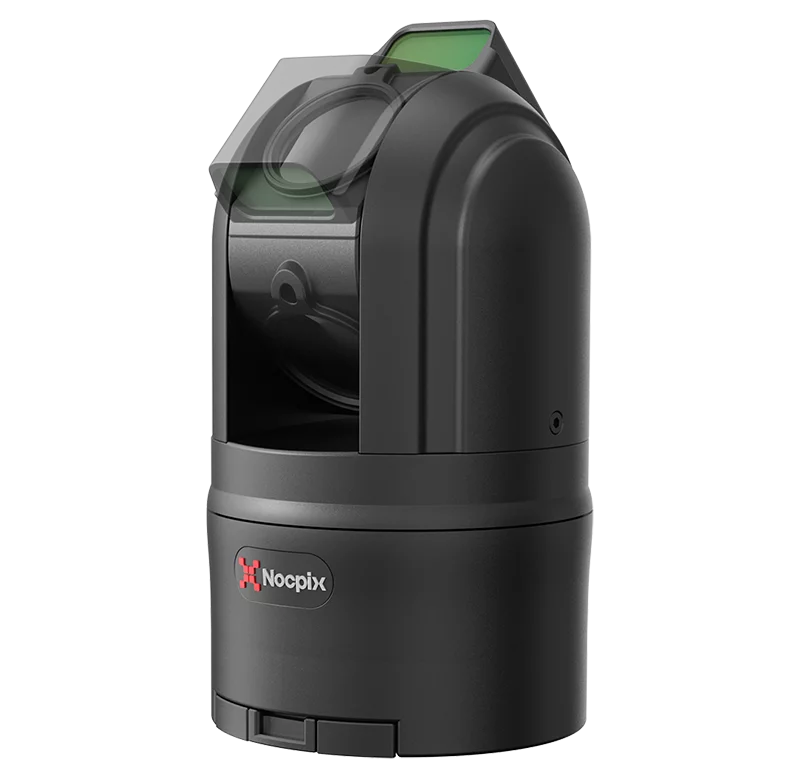
A thermal dome camera is a fixed, automated surveillance system that uses thermal imaging to continuously scan an area for heat signatures. Unlike handheld thermal devices or trail cameras, a thermal dome camera provides persistent, wide-area monitoring without requiring constant human presence.
By rotating or sweeping through predefined zones, a thermal dome camera detects movement from animals or people in complete darkness and low-visibility conditions such as fog, light rain, or heavy vegetation. This makes it suitable for long-term observation where manual scouting or motion-triggered cameras are limited.
How Thermal Dome Cameras Differ from Other Monitoring Tools
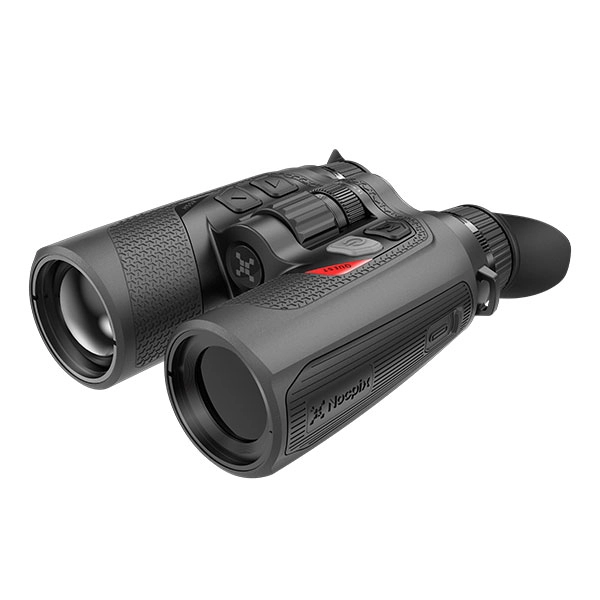
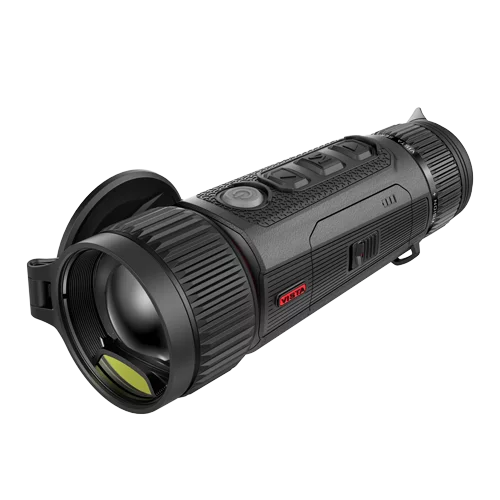
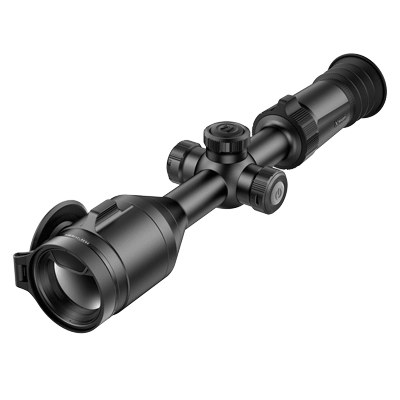
Thermal dome cameras serve a different role than portable thermal optics or trail cameras. Handheld thermal devices require active use, while trail cameras capture still images only when triggered within a narrow field of view. A thermal dome camera, by contrast, continuously scans a wide area and can detect movement at much longer distances.
Because thermal detection is passive and does not rely on visible light, dome systems operate day and night without alerting wildlife. This allows consistent monitoring of large properties, travel corridors, feeding areas, or boundaries over extended periods.
When Is a Thermal Dome Camera the Right Choice?
A thermal dome camera is most effective when continuous awareness matters more than close-range identification. It is commonly used for property monitoring, wildlife activity observation, perimeter awareness, and land management applications where coverage and timing are critical.
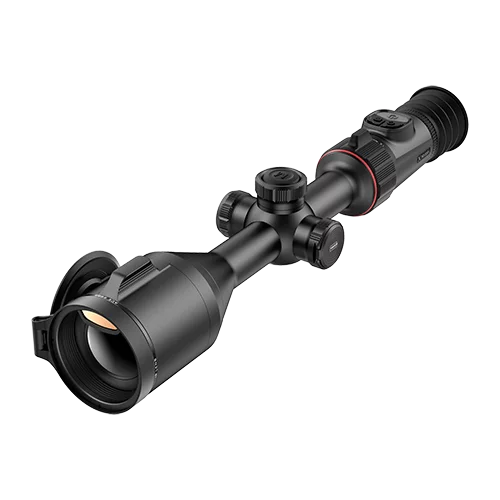
For users who need momentary observation or direct engagement, handheld thermal optics or rifle-mounted systems may be more appropriate. For those who want early detection, pattern awareness, and remote visibility across wide areas, thermal dome systems provide clear advantages.
Key Factors to Consider When Choosing a Thermal Dome Camera
Several factors influence real-world performance:
- Thermal Sensitivity and Detection Range: Higher thermal sensitivity improves detection reliability, especially in changing weather conditions.
- Scanning Coverage: Full or programmable rotation determines how much area can be monitored without blind spots.
- Detection Logic: Intelligent filtering helps distinguish relevant targets from background motion.
- Connectivity and Alerts: Remote viewing and notification capabilities allow monitoring without being on-site.
- Environmental Durability: Weather resistance and operating temperature range affect long-term outdoor deployment.
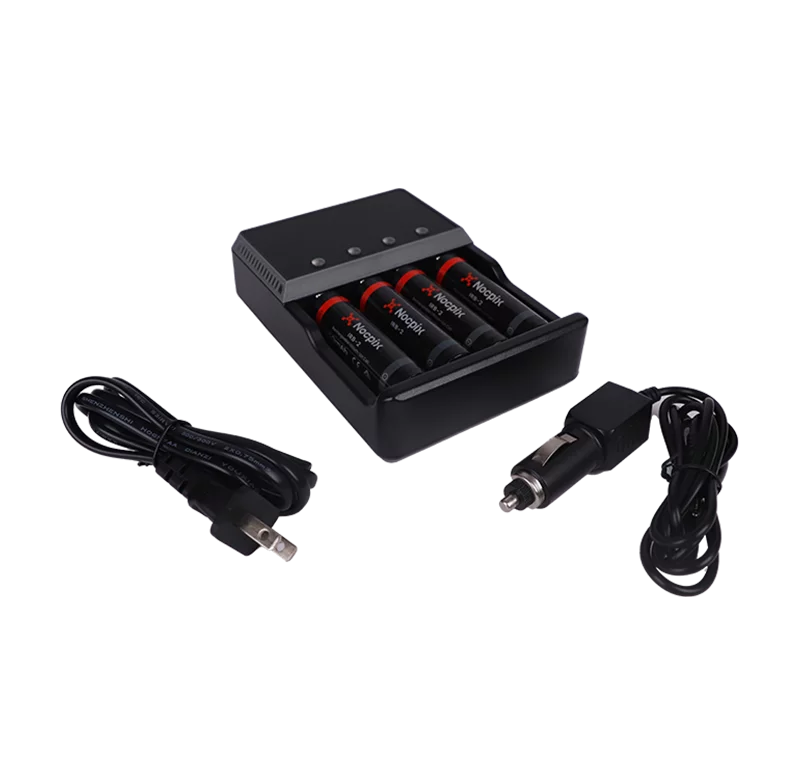
- Power Management: Efficient energy use supports extended operation in remote locations.
About Nocpix Thermal Dome Cameras
Nocpix thermal dome camera systems are developed around these principles, offering automated thermal monitoring solutions designed for continuous outdoor operation, wide-area awareness, and reliable detection across changing environmental conditions.