


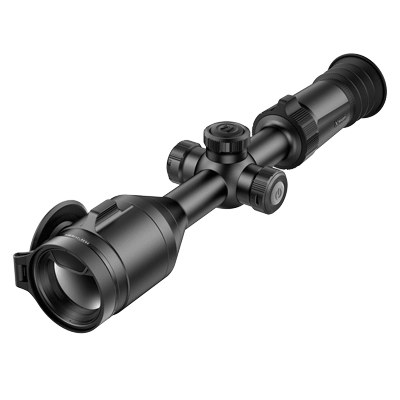
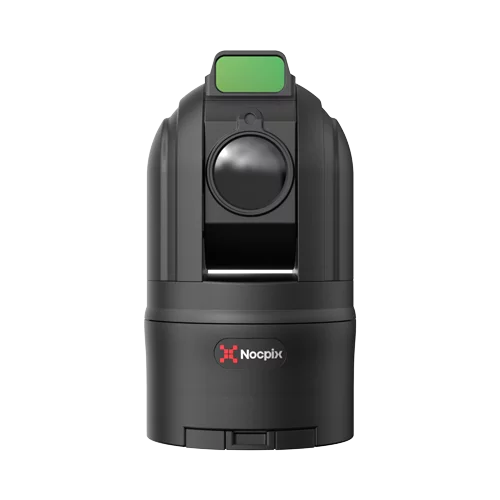


The best night vision device depends on what you need it to do — detect heat in total darkness, navigate under moonlight, or identify targets at distance.
Thermal, digital night vision, and traditional image-intensifier systems all work differently. Choosing the wrong type often leads to disappointment, especially when lighting conditions change.
In this guide, we’ll break down:
- The difference between thermal and night vision
- Which device fits hunting, security, or wildlife observation
- The specs that actually matter (and which don’t)
- Common buying mistakes to avoid
By the end, you’ll know exactly which type of night vision device makes sense for your environment and purpose.
Table of Contents
What Do People Really Mean by “Night Vision Devices”?
When people say “night vision device,” they often mean different technologies that work in completely different ways.
Most buyers group everything under one label — but traditional night vision, digital systems, and thermal imaging operate on separate principles.
Understanding this difference prevents buying the wrong tool for your environment.
Traditional Night Vision (Image-Intensifier Systems)
Traditional night vision amplifies available ambient light.
These systems collect existing light — from moonlight, starlight, or distant urban glow — and intensify it thousands of times to create the familiar green image. They excel at navigation and detail in low-light conditions.
However, they require at least some ambient light to function effectively.
Thermal Imaging Devices
Thermal imaging does not amplify light — it detects heat.
Instead of relying on reflected light, thermal systems read infrared radiation emitted by objects. This allows detection in complete darkness, through light brush, and in environments where traditional night vision struggles.
Thermal devices are commonly used for detection-heavy tasks such as scanning open terrain or locating concealed wildlife.
If you want a deeper technical breakdown of how these technologies differ, see our detailed guide on Night Vision vs Thermal vs Infrared: Which Is Best for Night Hunting?
Infrared-Assisted Digital Systems
Infrared illumination is a supporting feature, not a separate viewing technology.
Many digital night vision devices include built-in IR illuminators. These project invisible infrared light that the sensor can detect, allowing the device to function in very dark environments.
This is different from thermal imaging.
IR assistance still relies on reflected light — not heat detection.
Confusing IR with thermal is one of the most common buying mistakes.
Best Night Vision Devices by Real-World Use Case
The best night vision device changes depending on how and where you use it.
Instead of focusing on brand names, start by identifying your primary scenario.
Hunting and Outdoor Tracking
Hunting requires both rapid detection and confident target identification.
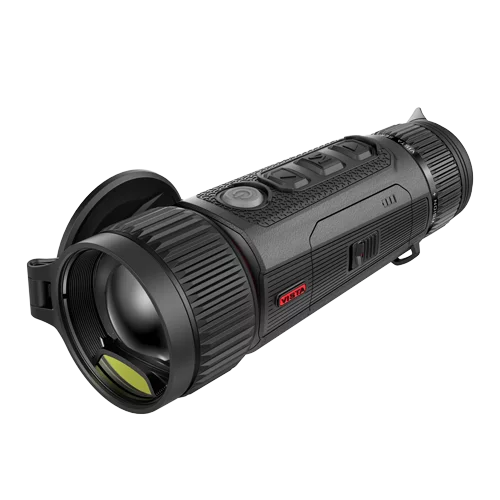
If you frequently scan open terrain at night, devices such as thermal monoculars help locate heat signatures quickly, even in total darkness. This makes them highly effective for spotting game before movement becomes visible to the eye.
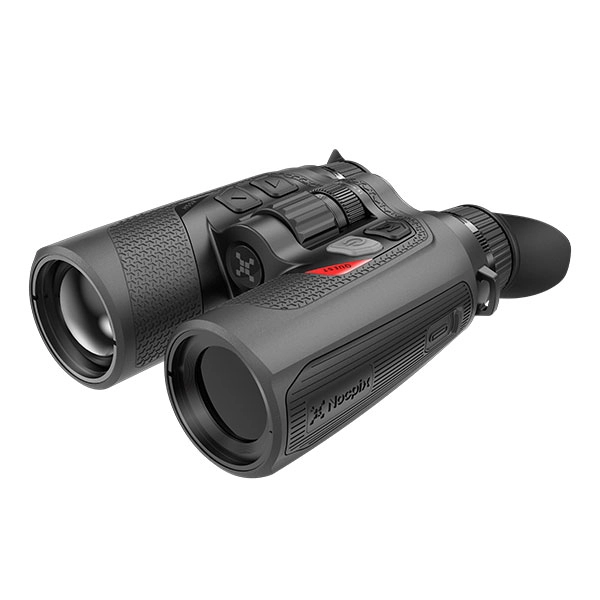
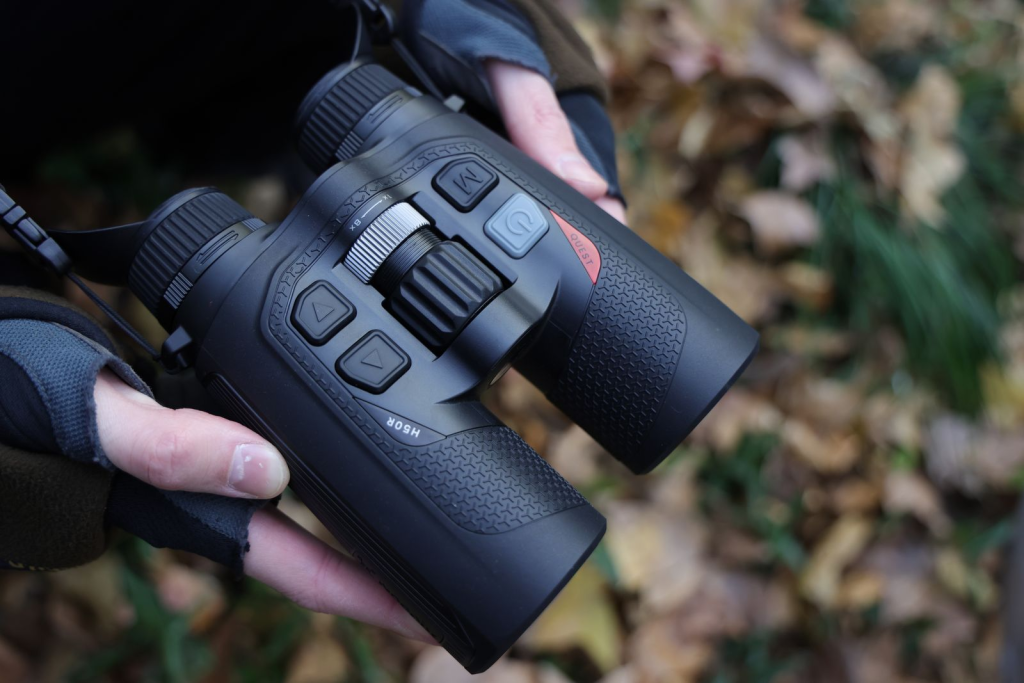
Devices designed specifically for field tracking — such as the Nocpix Quest thermal binoculars — focus on detection performance, rugged construction, and fast deployment in outdoor environments.
However, once a heat signature is detected, digital night vision often provides better environmental detail and confirmation under moderate ambient light.
Security and Property Surveillance
Security use prioritizes stability, runtime, and consistent monitoring.
Unlike hunting, surveillance often involves fixed observation points. Devices must operate reliably for extended periods without frequent repositioning.
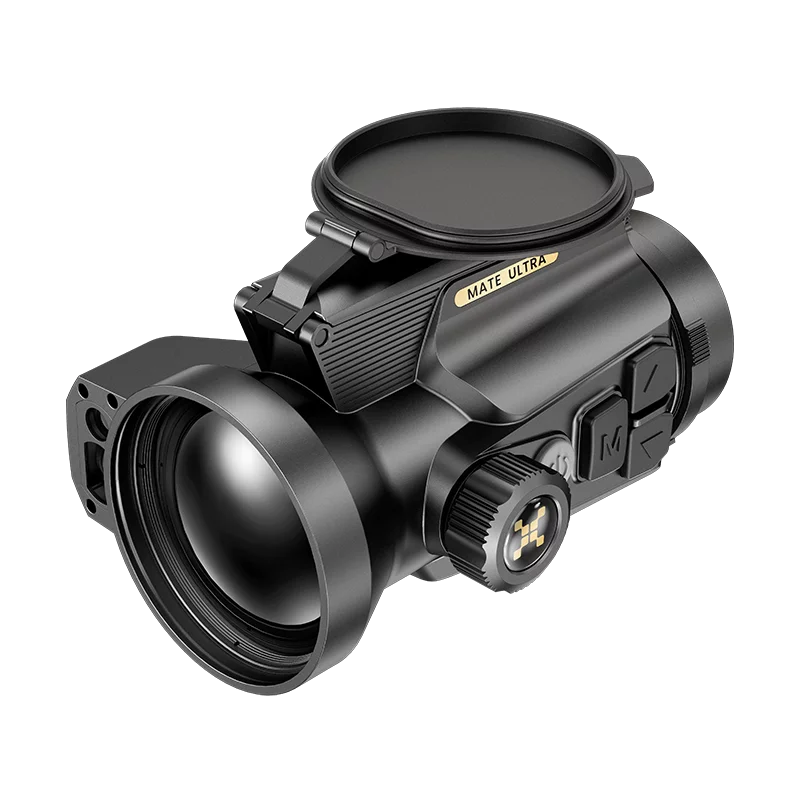
Systems built for perimeter monitoring — such as the Nocpix MT Series — emphasize steady image output, weather resistance, and long-term operational stability.
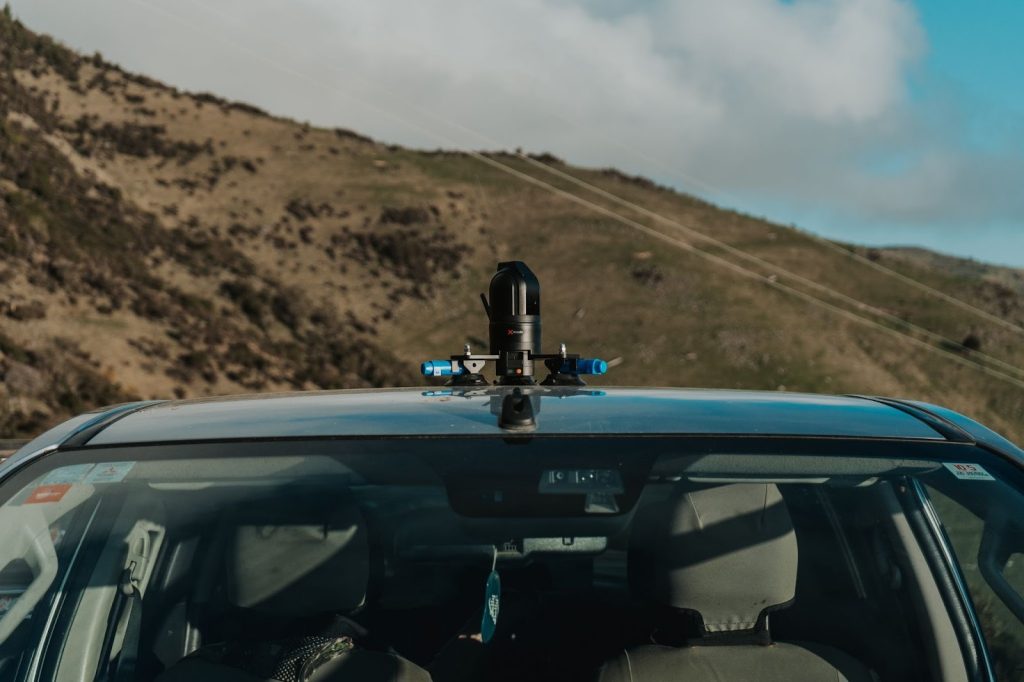
Thermal devices remain advantageous when monitoring large, dark perimeters where detection matters more than detail.
Wildlife Observation
Wildlife observation emphasizes minimal disturbance and behavioral detail.
Thermal imaging excels at detecting animals without alerting them, particularly in zero-light environments. For longer observation sessions, thermal binoculars can provide improved comfort and image stability compared to single-eye formats.
Digital night vision performs better when observing behavior, environmental context, and movement patterns under low but available light.
If your goal is quiet detection, thermal offers advantages.
If your goal is extended observation and detail clarity, digital systems may feel more natural.
Traditional vs Digital Night Vision: What’s the Difference?
Traditional and digital night vision devices work differently at the sensor level — and that difference affects performance, durability, and usability in real-world conditions.
Here’s a side-by-side overview.
| Feature | Traditional Image-Intensifier | Digital Night Vision |
| Light Source | Amplifies ambient light | Uses digital sensor + optional IR |
| Performance in Very Low Light | Excellent with minimal ambient light | Good, often requires IR assist |
| Bright Light Exposure | Sensitive to sudden light | More resistant |
| Recording Capability | Limited or external | Often built-in |
| Durability | More delicate internal tubes | Generally more rugged |
| Cost | Higher | More accessible |
Traditional Image-Intensifier Night Vision
Traditional systems amplify available light thousands of times to produce a visible image.
Under natural moonlight or starlight, they deliver strong clarity and smooth viewing. This makes them highly effective for navigation and low-light terrain movement.
However, they depend on ambient light. In complete darkness, performance drops unless additional infrared illumination is used. They are also more sensitive to sudden bright light exposure and typically cost more due to tube-based construction.
If your environment consistently provides natural low-light conditions, traditional systems perform exceptionally well.
Digital Night Vision Devices
Digital night vision relies on electronic sensors rather than intensifier tubes.
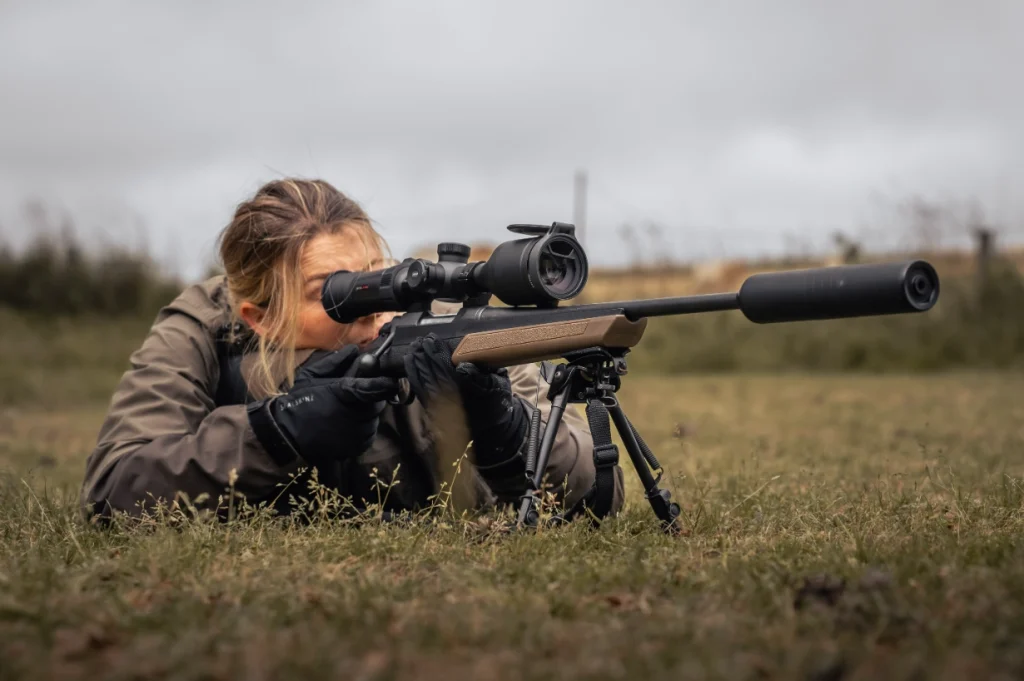
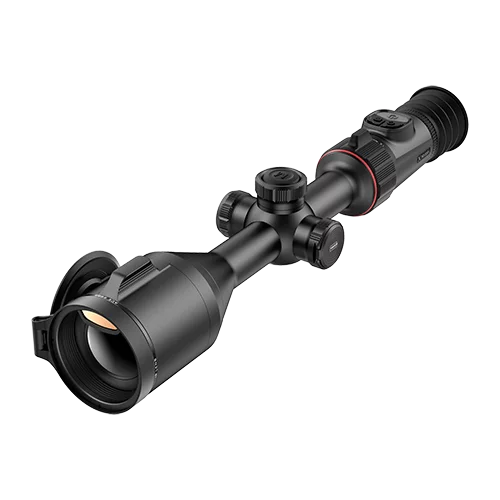
Modern systems offer features such as video recording, adjustable display settings, and improved resistance to bright light exposure. A well-designed digital night vision scope can operate effectively in variable lighting conditions, especially when equipped with infrared assistance.
While digital systems may not match high-end traditional tubes under minimal ambient light, they provide greater versatility and durability in mixed environments.
If you expect changing light conditions or want integrated recording capabilities, digital systems often offer broader usability.
What Actually Defines the Best Night Vision Device?
The “best” night vision device isn’t defined by brand name or maximum zoom. It’s defined by how reliably it performs under your specific conditions.
Several technical factors consistently determine real-world performance.
Detection Range and Recognition Distance
Detection range tells you something is there. Recognition distance tells you what it is.
Manufacturers often highlight maximum detection numbers. However, identification — confirming whether a target is human, animal, or object — occurs at shorter distances.
For hunting and security, recognition distance is usually more relevant than maximum detection claims.
Understanding this distinction prevents unrealistic expectations.
Image Clarity and Low-Light Performance
Clarity matters more than extreme magnification.
A stable, sharp image at moderate zoom allows better identification than high magnification with poor sensor performance. Sensor sensitivity, noise control, and light amplification efficiency affect usable clarity more than advertised zoom levels.
In practical use, image stability and detail retention determine effectiveness.
Field of View and Refresh Rate
Field of view affects scanning efficiency.
A wider field allows faster terrain coverage and improved situational awareness. Narrow fields increase detail but slow scanning speed.
Refresh rate influences motion smoothness. Higher refresh rates reduce blur during panning or tracking moving targets.
For dynamic environments, smooth image transitions improve usability.
Battery Life and Field Reliability
Runtime determines whether a device is practical outside controlled environments.
Long battery life, weather resistance, and durable housing become critical during extended field use. Features are secondary if the device cannot maintain consistent performance.
Reliability often matters more than advanced specifications.
When is Night Vision Not the Best Choice?
Night vision performs exceptionally well in low-light environments — but it is not the right tool for every condition.
Understanding its limitations prevents costly mistakes.
Total Darkness Without Illumination
Traditional night vision relies on ambient light.
In environments with zero natural light — such as underground structures or fully enclosed areas — performance drops unless infrared illumination is used.
Even then, visibility depends on how effectively the IR light reflects off surrounding surfaces.
If complete darkness is common in your environment, thermal imaging may provide more consistent detection.
Heavy Fog, Smoke, or Dense Particles
Light-amplification systems depend on reflected light.
In foggy, smoky, or dusty environments, particles scatter light before it reaches the sensor. This reduces clarity and contrast.
Thermal devices are less affected by these conditions because they detect heat differences rather than visible light reflection.
If your operational environment frequently includes airborne particles, thermal imaging often performs more reliably.
Long-Distance Detection
Night vision excels at identification in moderate distances, not extreme-range detection.
If your primary goal is locating warm objects at extended distances — such as scanning open terrain for heat signatures — thermal systems outperform traditional night vision.
Night vision provides detail when light is available. Thermal provides detection when light is irrelevant.
Choosing the wrong system for long-distance detection can limit effectiveness.
Common Mistakes When Buying Night Vision Devices
Many buying mistakes come from misunderstanding what specifications actually mean.
Avoiding the following errors can save both money and frustration.
Confusing Detection Range with Recognition Distance
Detection only tells you something is present. Recognition tells you what it is.
Manufacturers often advertise maximum detection distances because the numbers look impressive. However, identifying whether a heat signature is a person, deer, or livestock happens at much shorter ranges.
For most practical applications, recognition distance is more important than maximum detection claims.
Prioritizing Magnification Over Sensor Quality
High magnification cannot compensate for poor sensor performance.
Increasing zoom narrows field of view and amplifies image shake. If the sensor lacks clarity or sensitivity, higher magnification simply enlarges blur.
Investing in better sensor quality, image processing, and stability usually delivers more usable performance than extreme zoom levels.
Assuming All “Night Vision” Works the Same
Not all night vision devices use the same technology.
Traditional image-intensifier systems, digital night vision, and thermal imaging operate differently and serve different purposes.
Choosing the wrong type for your environment — such as buying traditional night vision for total darkness without IR — often leads to disappointment.
Understanding the technology category should come before comparing specifications.
Ignoring Runtime and Environmental Durability
Performance specifications mean little if the device cannot sustain operation.
Short battery life, poor weather sealing, or fragile housing can limit usability in real-world conditions.
Field reliability often matters more than advanced feature lists, especially for hunting or surveillance.
Closing Thoughts
The best night vision device isn’t defined by marketing claims or maximum zoom. It’s defined by how reliably it performs in your specific environment.
If your priority is navigation and detail in low-light conditions, traditional or digital night vision may be the right fit. If detection in complete darkness matters most, thermal imaging often provides greater consistency. Many experienced users combine technologies to balance detection and identification.
When evaluating options, focus on performance, clarity, and reliability over feature lists.
If you’re exploring advanced thermal and night vision solutions, brands like Nocpix design devices built around real-world field conditions rather than just specifications. Choose based on purpose, and the right tool will naturally follow.
FAQs
Do night vision devices work during the day?
Most traditional image-intensifier systems are not designed for daytime use and can be damaged by prolonged exposure to bright light.
Digital night vision devices are generally more tolerant of daylight conditions and may function normally during the day, depending on the model. Always check manufacturer guidelines before daytime operation.
Can night vision see through walls or solid objects?
No. Night vision amplifies reflected light, and thermal imaging detects surface heat. Neither technology can see through walls, solid barriers, or thick structures.
Thermal may detect heat differences on a surface, but it cannot see inside enclosed spaces.
What magnification is best for night vision hunting
Moderate magnification (typically 3x–6x base magnification) is often more practical than extreme zoom levels.
Higher magnification narrows field of view and reduces situational awareness. Many hunters prioritize clarity and stability over maximum zoom.
How far can you realistically identify a target at night?
Realistic identification distances are usually much shorter than advertised detection ranges.
Environmental factors such as humidity, temperature contrast, terrain, and available light all affect usable range. Always evaluate recognition distance rather than maximum detection claims when comparing devices.