








Comprar una mira térmica para rifle es una decisión más importante de lo que la mayoría de los cazadores imaginan. El mercado está repleto de especificaciones, niveles de sensores y términos desconocidos, y el rango de precios va desde los 1000 hasta los 6000 dólares. Si buscas la mira térmica ideal para tus cacerías, esta guía te ayudará a elegir la adecuada.
Analizaremos cuatro aspectos clave para tomar la decisión correcta: calibre y retroceso, sistemas dedicados frente a sistemas acoplables, frecuencia de actualización y presupuesto. También abordaremos los errores más comunes que cometen quienes compran por primera vez y cómo evitarlos.
Si desea obtener una descripción general de cómo funcionan los visores térmicos para rifles y qué buscar en una hoja de especificaciones, puede comenzar con la guía de Nocpix en Cómo elegir una mira térmica para una introducción más amplia.
Este artículo profundiza en el aspecto específico de la decisión relacionado con el rifle.
Tabla de contenido
¿Qué cuatro preguntas deberías responder antes de comprar una mira térmica para rifle?
Antes de dedicar tiempo a comparar modelos, responde a cuatro preguntas. Te ayudarán a acotar la búsqueda más rápido que cualquier ficha técnica.
Las cuatro preguntas son sencillas, pero filtran la mayoría de las opciones que de todos modos no te habrían servido:
- ¿Qué calibre utilizará? La energía de retroceso de tu rifle determina qué miras telescópicas son compatibles con esa arma. Una mira diseñada para un calibre .223 no mantendrá la calibración en un .300 Win Mag.
- ¿Dónde cazas con más frecuencia? Los campos abiertos, la maleza, las hileras de árboles y las zonas elevadas influyen en el tamaño del objetivo, el aumento y el campo de visión que se necesitan.
- ¿A qué distancia espera disparar? Un cazador de jabalíes a 200 yardas necesita una óptica muy diferente a la de alguien que dispara a un coyote a 400 yardas a través de un pastizal.
- ¿Cuál es su presupuesto total? Esto incluye la mira telescópica, la montura, las baterías y cualquier accesorio. Dejar la montura fuera del presupuesto es un error común al principio.
Escribe respuestas sinceras. Te ayudarán a mantenerte concentrado cuando las comparaciones de especificaciones se vuelvan abrumadoras.
¿El calibre de tu rifle influye en qué mira térmica puedes usar?
Sí, y esta es la primera comprobación de compatibilidad que debes realizar. Cada mira térmica tiene una clasificación de retroceso, e ignorarla es una de las maneras más rápidas de dañar la mira o perder la calibración.
Comprender las clasificaciones de retroceso
La resistencia al retroceso se expresa en julios. Este valor indica la fuerza que la mira puede absorber manteniendo la calibración tras disparos repetidos. Una mira térmica para rifle debe estar diseñada para soportar el retroceso del arma y mantener la calibración a lo largo del tiempo, garantizando así que la precisión no se vea afectada tras un uso repetido.
Aquí tienes una guía general:
- .Rifles .223 / 5.56: Retroceso bajo. La mayoría de las miras térmicas lo manejan sin problemas.
- .308 / 6.5 Creedmoor: Retroceso moderado. Confirme que la mira esté clasificada para al menos 4000–5000 julios.
- .300 Win Mag / 7mm Mag: Alto retroceso. Necesitas una mira telescópica diseñada para soportar 6000 julios o más. La serie Nocpix ACE, por ejemplo, tiene una clasificación de retroceso de hasta .300 Win. Mag. / 7mm Mag.
Si utilizas un calibre con un retroceso fuerte, comprueba la energía cinética (en julios) antes de fijarte en cualquier otra especificación. Una imagen nítida no sirve de nada si la mira pierde la alineación tras unos pocos disparos.
Compatibilidad del sistema de montaje
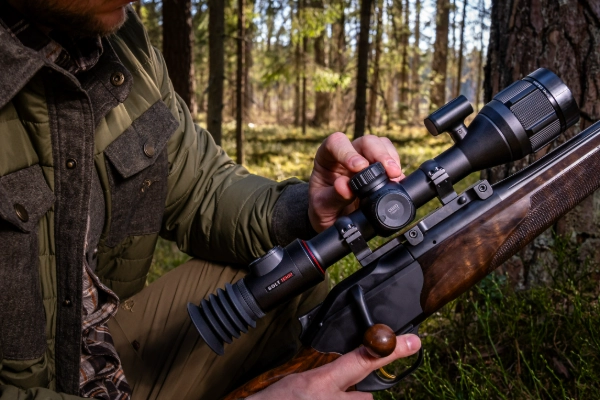
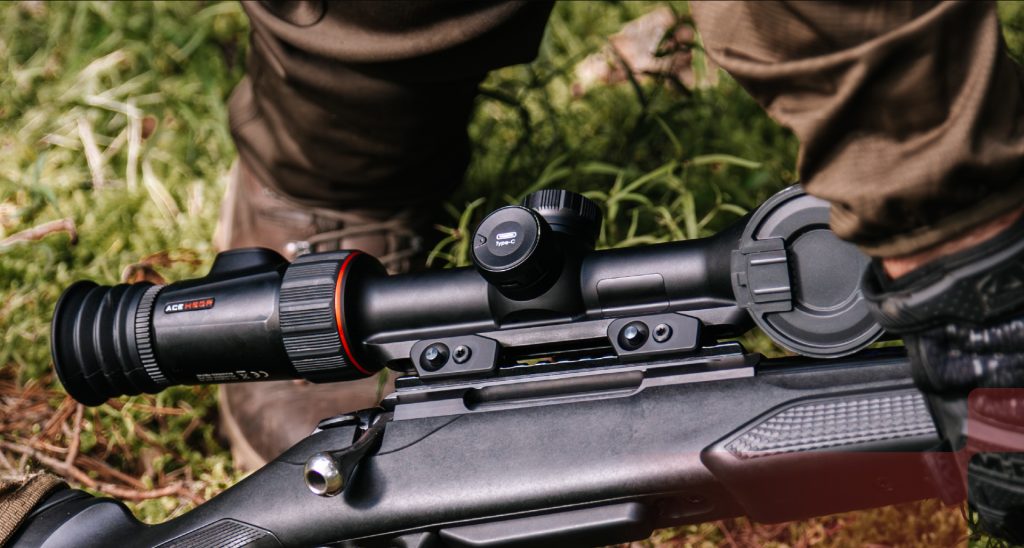
La mayoría de las miras térmicas para rifle se montan mediante anillas estándar de 30 mm en un riel Picatinny. Algunos modelos, en cambio, utilizan un montaje directo sobre riel. La Nocpix ACE RM, por ejemplo, utiliza un montaje sobre riel diseñado para superar el rendimiento de los montajes tradicionales con anillas de 30 mm, ofreciendo una integridad estructural excepcional y eliminando el riesgo de movimiento de la mira o deformación del tubo.
Antes de comprar, asegúrese de que su rifle tenga un riel o base compatible. Si su rifle no tiene un riel Picatinny, deberá agregar uno o elegir una mira telescópica que funcione con su configuración actual.
Comprueba también la distancia ocular. Una mira térmica con poca distancia ocular en un rifle de fuerte retroceso puede ser peligrosa. Busca una distancia de al menos 45-50 mm si usas calibres magnum.
¿Debería elegir una mira térmica específica para rifle o un sistema acoplable?
Este es uno de los primeros puntos de inflexión. Ambas opciones incorporan imágenes térmicas a tu rifle, pero lo hacen de maneras muy diferentes.
Mira telescópica térmica especializada
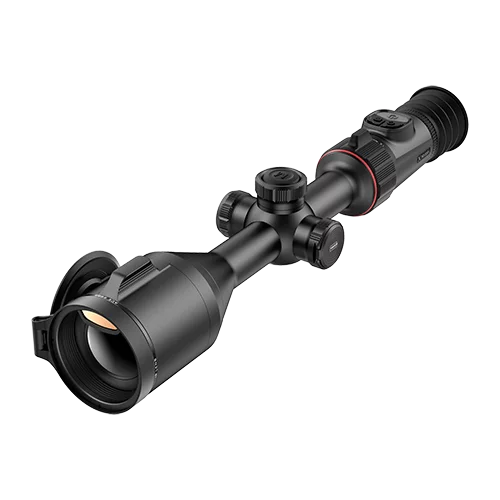
Un visor térmico especializado reemplaza por completo la mira diurna. Se monta directamente en el rifle y gestiona automáticamente todas las funciones de detección, puntería y retícula.
Las ventajas de un sistema dedicado son claras:
- Configuración más sencilla: Un solo visor lo hace todo. Sin ningún componente adicional entre tu ojo y el objetivo.
- Mejor integración de imágenes: La retícula, el sensor y la pantalla están diseñados para funcionar conjuntamente.
- Mayor control del retroceso: La mira está diseñada desde cero para su uso en rifles.
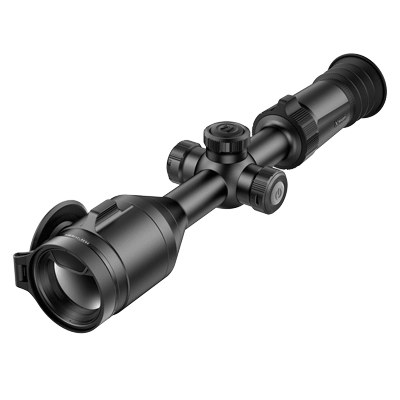
Nocpix ofrece varias líneas dedicadas de visores térmicos para rifles. Serie BOLT BOLT está diseñado para principiantes e incluye un telémetro integrado y una calculadora balística a un precio más accesible. Buscamos usuarios principiantes que deseen claridad, funciones completas y confianza desde el primer día, combinando imágenes térmicas nítidas, un telémetro integrado y herramientas balísticas inteligentes en un diseño compacto y fácil de usar.
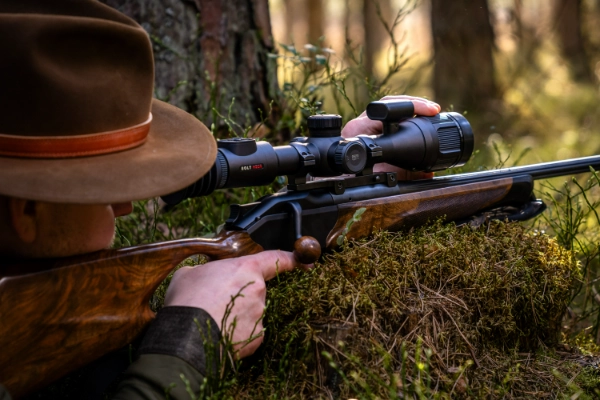
Para los cazadores que desean mayor resolución y mayor alcance, el Serie RICO 2 Ofrece opciones de sensor de 640×512 y 1280×1024, una palanca de zoom continuo y una distancia focal larga diseñada para alcanzar objetivos a distancia. La RICO 2 está diseñada para cazadores que exigen la máxima claridad, alcance y comodidad, con un sensor térmico líder en la industria y una alta velocidad de fotogramas para una calidad de imagen superior, además de una distancia focal larga y un telémetro láser integrado para un encare preciso a distancia.
Sistema térmico de clip
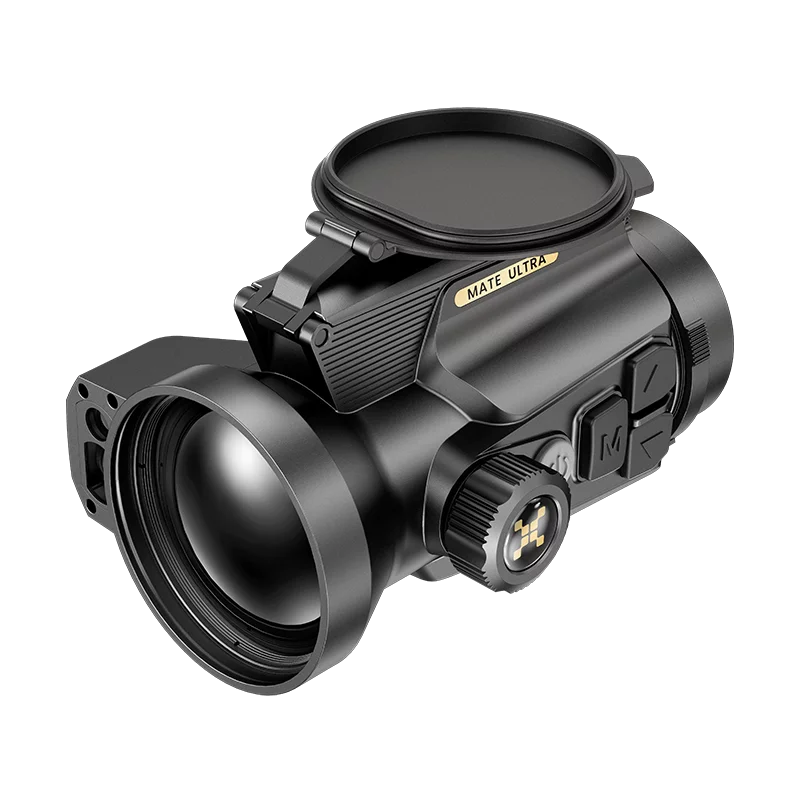
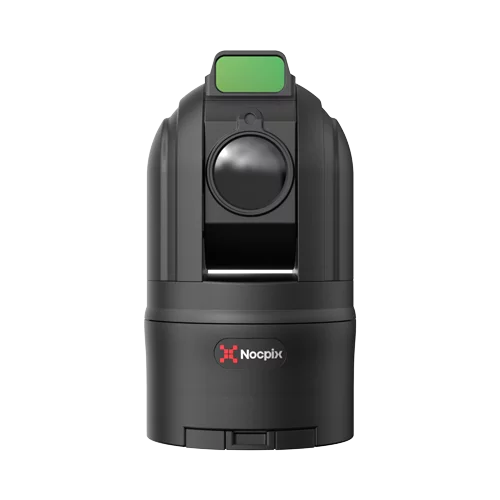
Este sistema acoplable se monta delante de su mira diurna actual. Añade visión térmica a una mira diurna tradicional al detectar firmas de calor y convertirlas en una imagen térmica visible, permitiendo a los tiradores mantener sin cambios su mira, retícula y configuración de tiro existentes.
Las ventajas de un sistema de clip incluyen:
- Flexibilidad: Conservas tu óptica diurna y añades la térmica solo cuando la necesites.
- Uso con múltiples rifles: Dado que el accesorio se monta delante de la mira diurna, los tiradores pueden alternar entre el uso diurno y el térmico sin necesidad de volver a calibrar, lo que hace que los sistemas acoplables sean especialmente prácticos para los usuarios que utilizan varios rifles.
- Menor costo de transición: Si ya posee una mira diurna de confianza, solo necesita comprar la unidad térmica.
Si este enfoque se ajusta a su configuración, el Serie Nocpix MATE Merece la pena echarle un vistazo. El MATE Ultra, por ejemplo, cuenta con una resolución de 1280×1024 y un NETD de ≤15 mK, y la serie incluye modelos con telémetros láser integrados.
La desventaja es el peso y la longitud adicionales, además de tener que manejar un segundo accesorio. Las miras telescópicas específicas son más prácticas en el campo. Las miras acoplables ofrecen mayor versatilidad en diferentes rifles y temporadas.
¿Qué frecuencia de actualización necesitas realmente para cazar?
La frecuencia de actualización controla la fluidez de la imagen térmica al desplazarse o seguir a un animal en movimiento. Se mide en hercios (Hz). Un valor más alto indica una imagen más fluida.
30 Hz vs. 50 Hz: ¿Qué se siente al notar la diferencia?
A 30 Hz, el telescopio actualiza la imagen 30 veces por segundo. Esto es adecuado para la observación estática y el escaneo lento. Sin embargo, al recorrer un campo o seguir a un coyote en carrera, la imagen puede entrecortarse o desenfocarse ligeramente.
A 50 Hz, la imagen se actualiza casi el doble de rápido. La visualización resulta más natural, similar a un vídeo que a una presentación de diapositivas. Si cazas depredadores que se mueven con rapidez o exploras amplias zonas con frecuencia, los 50 Hz te ofrecen una imagen notablemente más fluida.
Algunos modelos Nocpix de gama alta, como el ACE y el RICO 2, funcionan a hasta 60 Hz, ofreciendo una fluidez incluso superior a los 50 Hz. Notarás la diferencia al seguir animales en movimiento rápido o al realizar panorámicas a lo largo de una arboleda nocturna.
Cuando 30 Hz sigue siendo aceptable
Si cazas desde un puesto fijo en un terreno conocido y tus presas suelen estar de pie o caminando, 30 Hz aún pueden funcionar. No siempre necesitas la frecuencia de actualización más alta.
Donde notarás la limitación es en el movimiento: tu velocidad de paneo y la del animal. Para configuraciones estáticas y distancias cortas, 30 Hz ahorra dinero sin sacrificar mucha funcionalidad.
Para la mayoría de los cazadores nocturnos, 50 Hz es el mínimo práctico para un uso cómodo en general. Considere 60 Hz si caza depredadores, espera encontrar objetivos en movimiento rápido o realiza barridos frecuentes por grandes áreas.
¿Cómo debería influir tu presupuesto en la decisión de comprar una mira térmica para rifle?
Tu presupuesto determina el nivel del sensor, las funciones incluidas y la calidad general de fabricación. Ser realista con respecto a lo que puedes gastar te ayuda a evitar pagar de más por especificaciones que no necesitas, o pagar de menos por un visor que te decepcione.
Niveles de presupuesto y qué esperar
Los visores térmicos para rifles generalmente se dividen en tres categorías. Esto es lo que puedes esperar de cada una:
- Nivel de entrada (menos de $1,500): Sensores típicos de 256×192 o 384×288. Calidad de imagen básica. Funciona para detección de corto a medio alcance. Un buen punto de partida para usuarios principiantes de cámaras térmicas. La Nocpix BOLT P25R, por ejemplo, utiliza un sensor de resolución de 256×192 con un telémetro láser integrado y tiene un precio de menos de 1.000 €, lo que la convierte en una opción para cazadores térmicos principiantes o para aquellos con un presupuesto limitado.
- Gama media ($1.500–$4.000): Generalmente, utilizan sensores de 384×288 o 640×512. Ofrecen mayor nitidez y más funciones, como telémetros y herramientas balísticas. Aquí es donde la mayoría de los cazadores nocturnos experimentados encuentran la mejor relación calidad-precio. Un visor de 640 suele ser la mejor opción para la caza en general, ya que abarca la mayor variedad de situaciones.
- Premium ($4,000+): Sensores de 640×512 o 1280×1024. Máxima calidad de imagen, bajo NETD, altas frecuencias de actualización y pantallas avanzadas. Diseñado para cazadores exigentes y largas distancias de disparo.
Donde la mayoría de los cazadores nocturnos obtienen la mejor relación calidad-precio.
Para la mayoría de los cazadores, especialmente aquellos que se dedican al control de jabalíes, la caza de depredadores o el trabajo de campo nocturno en general, la gama media ofrece el mejor equilibrio entre calidad de imagen, características y precio.
Un sensor de 640 × 512 píxeles con un NETD de 15-20 mK ofrece suficiente detalle para identificar animales a distancias prácticas sin gastar de más. Si a esto le añadimos un telémetro integrado y compatibilidad balística, obtenemos un equipo eficaz para la mayoría de las situaciones de caza nocturna.
Si quieres entender cómo afecta la resolución a lo que ves en el campo, el blog de Nocpix tiene un desglose práctico en su Guía de resolución de visores térmicos.
Cuándo conviene gastar más
Gasta más si cazas habitualmente a larga distancia, si necesitas la imagen más nítida posible en condiciones de neblina o humedad, o si quieres una mira telescópica que sirva para todo, desde disparos a jabalíes a 50 yardas hasta disparos a coyotes a 400 yardas.
Los sensores de mayor resolución, como los de 1280 × 1024, capturan más detalles al hacer zoom. Si cazas en terreno abierto y buscas la mejor calidad posible, la resolución 1280 es la ideal. Si sueles hacer zoom y necesitas identificar objetivos a distancia antes de disparar, la resolución adicional compensa con creces.
El Serie Nocpix ACE Se sitúa en la gama alta, ofreciendo opciones de sensor de hasta 1280 × 1024, un telémetro láser integrado y un alcance de detección de hasta 3100 metros. Este alcance resulta muy útil cuando el terreno es abierto y las distancias de disparo varían considerablemente.
¿Cuáles son los errores más comunes que cometen quienes compran miras térmicas para rifles por primera vez?
La mayoría de los errores se deben a omitir alguna de las preguntas que vimos anteriormente. Estas son las que vemos con más frecuencia:
- Ignorar las clasificaciones de retroceso: Montar una mira térmica económica en un rifle magnum puede resultar en una mira rota o en un ajuste de cero que se desajusta después de cada uso.
- Comprar la máxima resolución sin motivo alguno: Una mayor resolución suele ser útil, pero no garantiza automáticamente un mejor rendimiento en condiciones reales. Un sensor de 1280 píxeles es un desperdicio si se caza en matorrales densos a 80 metros de distancia.
- Olvidando el monte: El soporte, las anillas y cualquier adaptador son compras aparte. Inclúyelos en tu presupuesto desde el principio.
- Omitir el proceso de puesta a cero: Un visor térmico necesita ser calibrado correctamente al igual que una óptica tradicional. Apresurarse en este paso reduce la precisión en el campo. El blog de Nocpix tiene una guía paso a paso sobre Cómo calibrar una mira térmica Si necesitas ayuda.
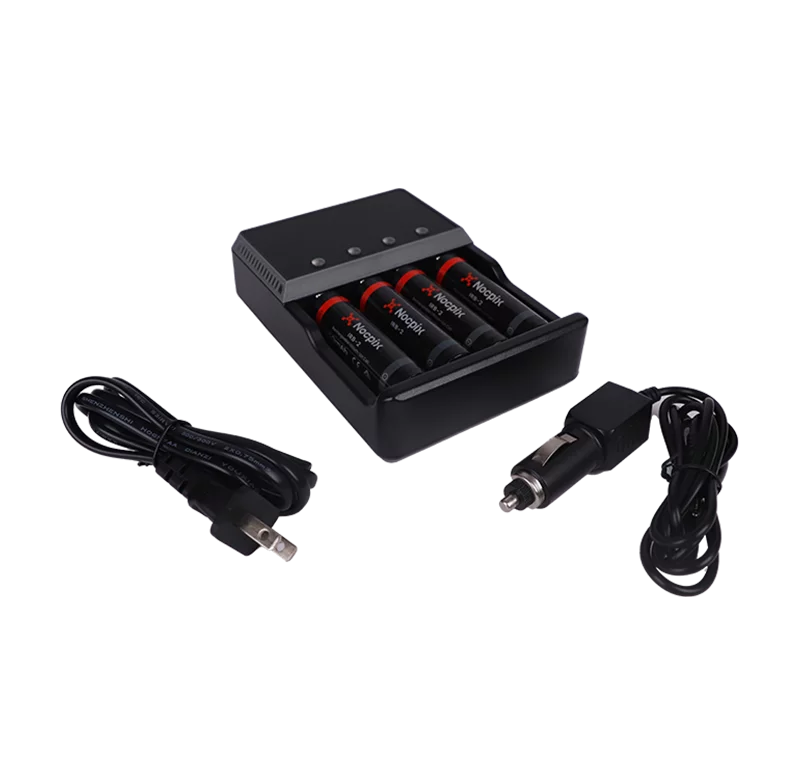
- Ignorar la duración de la batería: Las miras térmicas consumen más energía que las ópticas estándar. Compruebe el nivel de batería antes de salir. Lleve baterías de repuesto o elija un modelo con sistema de doble batería.
- No consultar las leyes locales de caza: La regulación de la óptica térmica varía según el estado, la provincia y el país. Siempre verifique la normativa local antes de usar una mira térmica para cazar. No dé por sentado que un producto es legal solo porque esté a la venta en su zona.
Evitar estos errores ahorra dinero, ahorra tiempo y te permite lograr una configuración segura más rápidamente.
Cómo se adaptan los visores térmicos Nocpix a los diferentes estilos de caza
Nocpix diseña su gama de visores térmicos para rifles con el fin de cubrir una amplia variedad de necesidades de caza. Aquí tienes una guía rápida para elegir el modelo que mejor se adapte a tu estilo de caza:
Si eres un comprador principiante o con presupuesto ajustado, el Serie BOLT Combina una imagen térmica nítida, un telémetro integrado de 1200 m y un diseño compacto a un precio accesible. Está diseñada para que los usuarios principiantes de cámaras térmicas puedan empezar a utilizarlas con confianza.
Si eres un cazador nocturno de uso general La serie ACE, que abarca terrenos mixtos y distancias moderadas, ofrece múltiples niveles de sensor (384, 640 o 1280), telémetro láser integrado, procesamiento de imágenes Reality+ y un sistema de doble batería para sesiones prolongadas. La serie ACE es el visor térmico insignia diseñado para todo tipo de entornos de caza, con un sensor térmico de alta resolución de desarrollo propio, telémetro láser integrado y los avanzados sistemas Reality+ y Vision+.
Si usted caza a larga distancia y necesitan un gran aumento con un control de zoom suave, el Serie RICO 2 Vale la pena considerarlo. Con una palanca de zoom sin escalonamientos y un alivio ocular excepcional, la serie RICO 2 permite a los cazadores ajustar la magnificación sin problemas y mantenerse cómodos durante largas jornadas de caza.
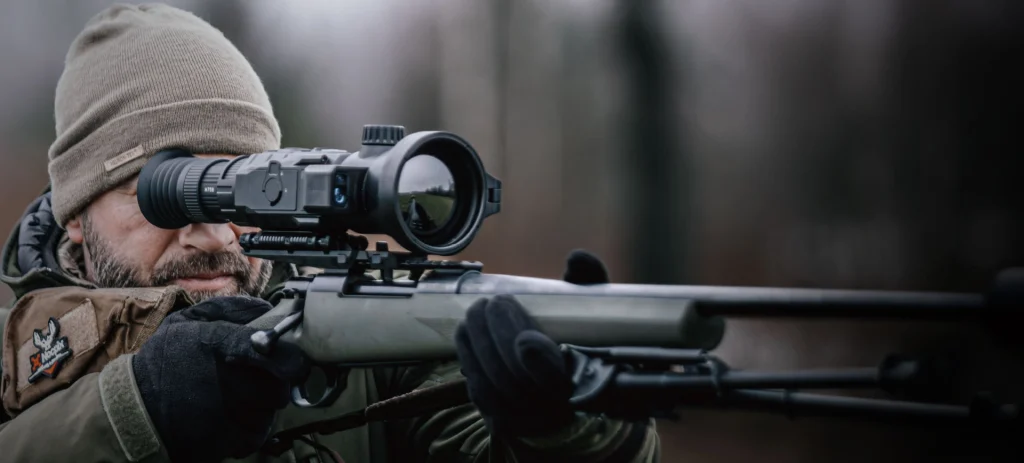
Si ya posee un visor diurno y desea flexibilidad en múltiples rifles, el Serie de clips MATE Te permite añadir capacidad térmica sin reemplazar tu óptica actual.
Reflexión final
Elegir una mira térmica para rifle se reduce a cuatro factores clave: el calibre, el terreno, la distancia de tiro y el presupuesto. Si se tienen en cuenta estos factores, las especificaciones técnicas cobran sentido por sí solas.
La mejor mira térmica para ti es la que mejor se adapta a la caza que practicas, no la que tenga las especificaciones más altas en la caja. Piensa en cómo y dónde cazas, y qué necesitas ver con claridad por la noche. Luego, elige una mira diseñada para esas necesidades.
Si está listo para comparar modelos, explore la gama completa de Miras térmicas Nocpix y elige uno que se adapte a tu estilo de caza. Y antes de salir, consulta siempre la normativa local sobre el uso de ópticas térmicas.
Preguntas frecuentes sobre cómo elegir una mira térmica para rifle
¿Puedo usar una mira térmica para rifle durante el día?
Sí. Las miras térmicas funcionan durante el día porque detectan el calor en lugar de la luz visible. El principal desafío es la visibilidad del objetivo: a la luz del día, las diferencias de temperatura entre los objetos pueden ser menores, por lo que es posible que deba ajustar sus expectativas sobre el contraste. La imagen se verá diferente a la que se ve de noche, pero la mira funciona en cualquier condición de iluminación.
¿Necesito un monocular térmico aparte si ya tengo una mira telescópica térmica?
No siempre, pero muchos cazadores experimentados llevan ambos. Un monocular térmico portátil permite explorar campos, senderos y arboledas sin apuntar con el rifle a nada que no se haya identificado. Esto es más seguro y práctico para el reconocimiento del terreno.
Si solo dispones de un dispositivo térmico, una mira telescópica es la prioridad para disparar. Más adelante, si necesitas una forma más rápida de escanear, puedes añadir un monocular.
¿Funcionará una mira térmica a través del cristal o de una ventana?
No. El vidrio bloquea la mayor parte de la radiación infrarroja. Si apuntas con una mira térmica a través de la ventana de un camión o un cristal, la imagen se distorsionará o quedará completamente oculta. Para que la detección térmica funcione correctamente, necesitas una línea de visión directa entre la mira y el objetivo.
¿Cuál es la diferencia entre rango de detección y rango de identificación?
El alcance de detección es la distancia máxima a la que la mira puede percibir una señal térmica. El alcance de identificación es mucho menor: es la distancia a la que se pueden apreciar detalles suficientes para determinar la fuente de calor. Una mira puede detectar calor a 2000 metros, pero solo identificar un ciervo a 600. Confirme siempre lo que está viendo antes de decidir si dispara.
¿Cuánto duran las baterías de las miras térmicas para rifles?
La duración de la batería varía según el modelo, la resolución del sensor y el uso. Muchos visores térmicos modernos duran de 4 a 8 horas con una sola carga. Los modelos con sistemas de doble batería, como el Nocpix ACE, permiten cambiar la batería sin apagar el dispositivo. Es recomendable llevar al menos una batería de repuesto.