


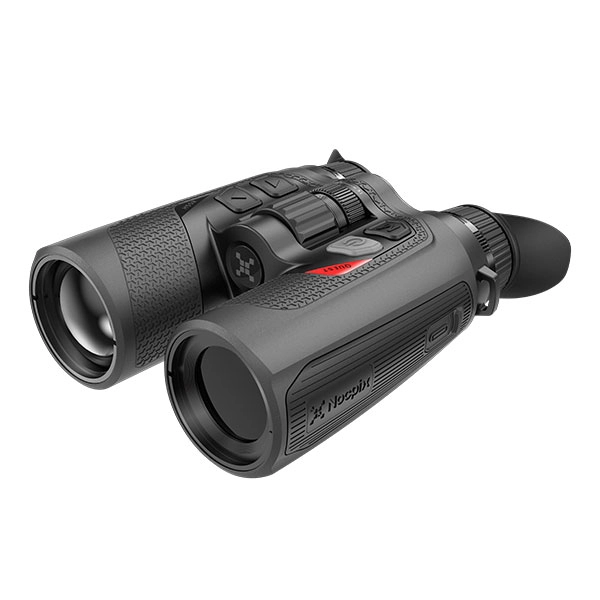
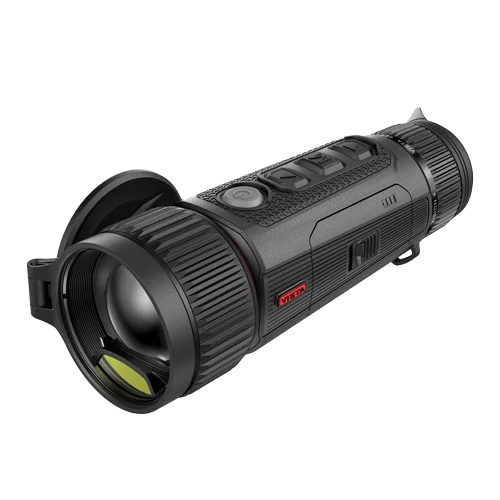
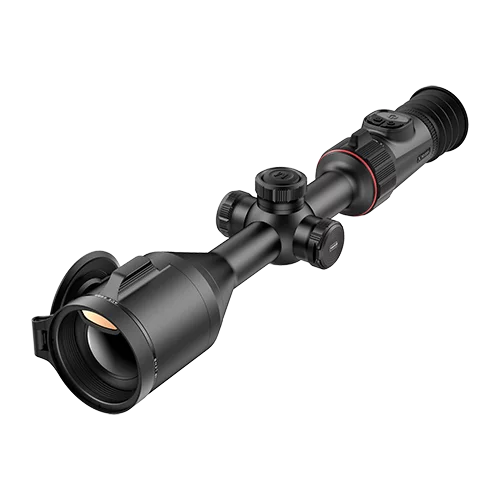
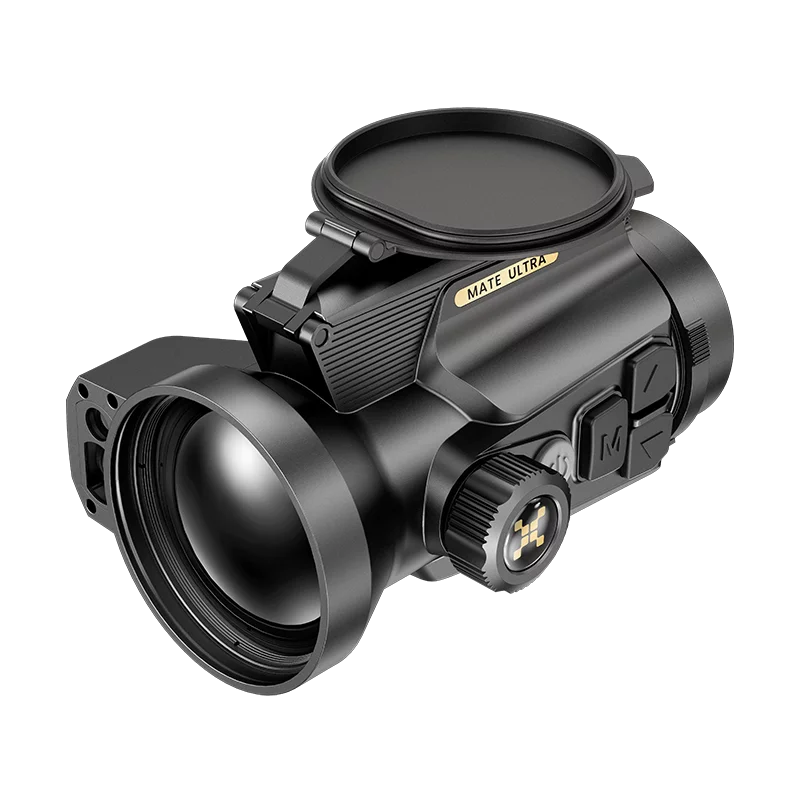


Steadier Images. Full-Zoom Stabilization. No Frame Drops.
Why Image Stability Matters
When you’re scanning distant terrain or tracking wildlife, even the smallest hand movements can make a difference.
Your breathing, heartbeat, muscle fatigue, or simply holding your binoculars for an extended period can introduce slight movements. At higher magnifications, those movements become much more noticeable, making it harder to keep your subject in view and pick out the details that matter.
That’s where Electronic Image Stabilization (EIS) comes in.
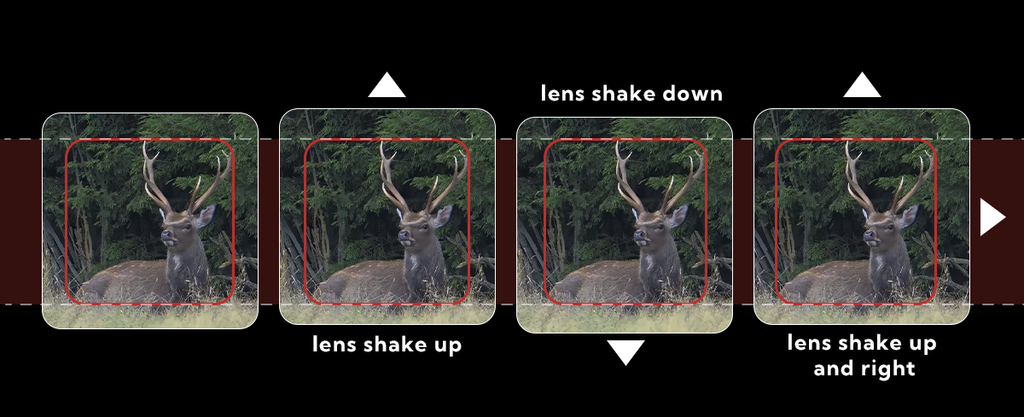
With EIS 2.0, we’ve completely reworked the stabilization algorithm, combining real-time image analysis with motion sensor data to deliver a smoother, steadier viewing experience.
The result? Steadier images, stabilization across the entire zoom range, and smooth motion without dropped frames.
Here’s what’s changed and what it means when you’re out in the field.
From EIS 1.0 to EIS 2.0: A Smarter Approach to Stabilization
EIS 1.0: Stabilization Through Motion Sensors
Our previous EIS system relied primarily on built-in motion sensors to detect movement and compensate for it.
As the binoculars moved, the sensors measured that movement, allowing the system to adjust the image and reduce visible shake.
This approach worked well in everyday use, but it had its limitations.
Because the system relied on sensor readings rather than analysing the image itself, certain movements could be harder to compensate for accurately. Under challenging conditions, this could occasionally result in less natural image corrections or visible distortion around the edges.
EIS 2.0: Combining Image Analysis with Motion Sensors
With EIS 2.0, stabilization goes beyond detecting how the binoculars move.
The upgraded algorithm now analyses the image itself, comparing visual features between frames to identify actual image movement. It then combines that information with data from the built-in motion sensors to calculate more accurate corrections.
Two sources of information, working together to keep your view steady.
Image analysis helps refine motion estimates based on what’s actually happening in the scene, while motion sensors provide additional information when visual details are harder to detect, such as in low-light conditions.
By bringing these two approaches together, EIS 2.0 can respond more effectively to different types of movement and changing viewing conditions.
So, what does this mean for your experience with OMNI?
Three Key Improvements with EIS 2.0
01 | Steadier Images, Even When You’re on the Move
Whether you’re scanning for extended periods, following a moving animal, or dealing with shaky hands in cold weather, keeping a steady view isn’t always easy.
EIS 2.0 uses both image analysis and motion sensor data to identify unwanted movement and make more precise corrections.
This significantly improves image stability, helping reduce the sudden shifts and unnatural corrections that could occasionally occur with the previous system.
The difference is especially noticeable in dynamic scenes, where the image moves more naturally as you scan or follow a subject.
And the improved stabilization works in IR night vision, too.
From daytime observation to low-light conditions, EIS 2.0 helps keep your view steadier so you can concentrate on what you’re looking at.
02 | Full-Zoom Stabilization. No Compromises.
The more you zoom in, the harder it becomes to keep the image steady.
A small movement that barely affects your view at low magnification can become much more noticeable when you’re zoomed in on a distant target.
With EIS 2.0, you don’t have to choose between magnification and stabilization.
The upgraded algorithm dynamically adjusts its stabilization parameters across the entire digital zoom range, maintaining consistent image stability as you zoom in or out.
Whether you’re scanning a wide area at low magnification or zooming in to examine details at a distance, EIS 2.0 provides stabilization throughout the full zoom range.
The same applies when switching between digital observation and IR night vision.
Whatever the magnification, the goal stays the same: a steady, comfortable view that lets you see the details clearly.
03 | Smooth Motion. No Frame Drops.
Stabilizing an image is one thing. Keeping it smooth and responsive while doing so is just as important.
EIS 2.0 doesn’t simply apply stronger corrections. We’ve also optimized the processing architecture to handle the additional calculations required by the new algorithm.
By improving how visual information and motion sensor data are processed together, the system keeps processing delays to a minimum while maintaining a continuous image feed without dropped frames.
No stuttering. No dropped frames. Just smooth, uninterrupted viewing.
When you’re following wildlife through dense brush or tracking movement across open ground, the image remains fluid and responsive, even as the stabilization system works in real time.
You can follow the action naturally, without the distracting interruptions that make it harder to keep a moving subject in sight.
Built for a Better Experience in the Field
EIS 2.0 is more than a routine software update. It’s a major step forward in how OMNI handles image stabilization.
By combining real-time image analysis with motion sensor data, we’ve made stabilization more precise, more responsive, and better suited to the challenges of real-world observation.
And it all comes down to three improvements that matter when you’re out in the field:
Steadier Images. More precise corrections for a more stable, natural viewing experience.
Full-Zoom Stabilization. Consistent stabilization from low-power scanning to high-magnification observation.
No Frame Drops. Smooth, continuous viewing that keeps up with the action.
Because when you’re out in the field, the last thing you want to think about is keeping your image steady.
You focus on what matters. We’ll keep improving the view.
Experience EIS 2.0 on Your OMNI
The EIS 2.0 firmware update is now available through the Nocpix App.
Update your OMNI to experience the latest stabilization improvements for yourself. You can also visit your local Nocpix dealer to try the updated OMNI in person.
We’re always working to make your equipment better, so you can get more out of every moment in the field.
Nocpix. One Step Ahead.