


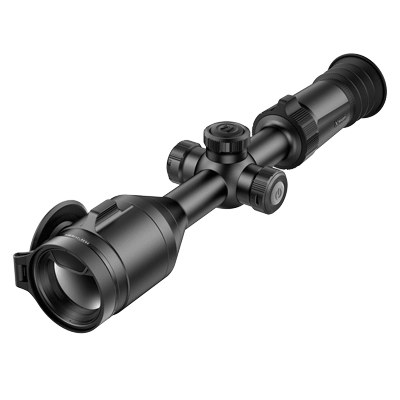
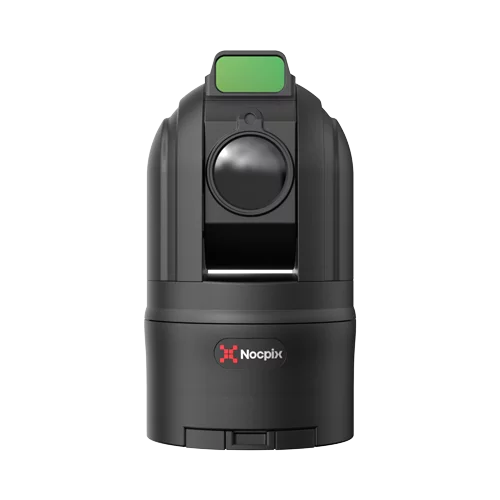


Yes, humidity can affect thermal scopes. Most of the time, it will not stop the scope from working, but it can lower contrast, soften detail, and shorten the distance where you can read a target with confidence. You will usually notice it first on longer shots or in warm, wet conditions.
In this guide, we’ll break down why that happens, what it looks like on screen, and how to judge real-world performance more realistically.
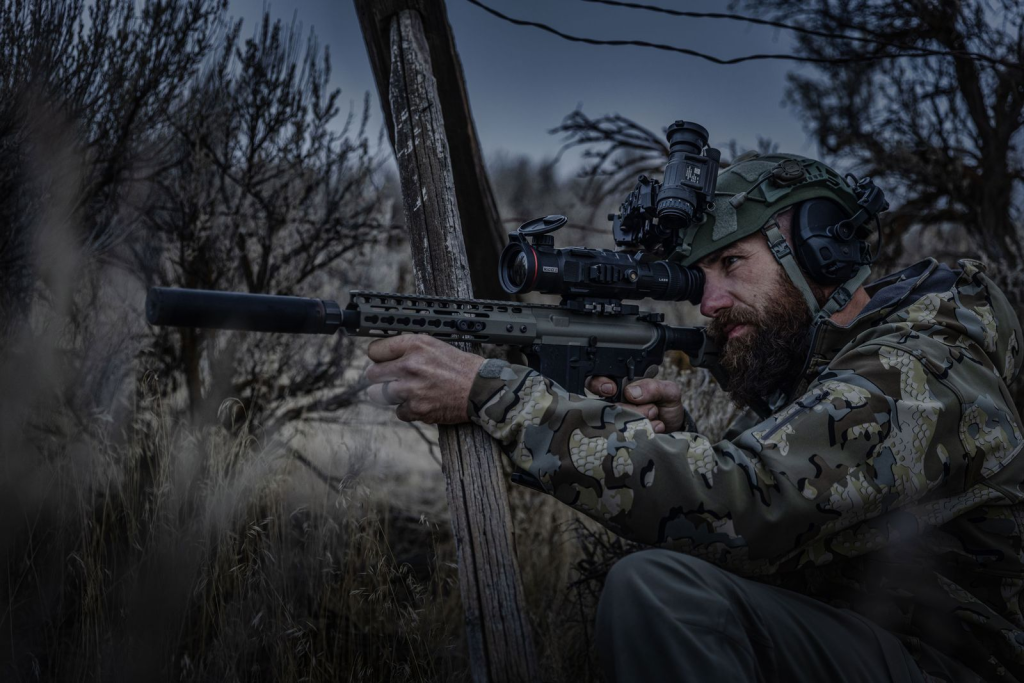
Does humidity affect thermal scopes?
The effect is usually gradual, not dramatic. In humid conditions, you can often still detect heat sources, but the image becomes less clear and less trustworthy when you try to read detail at distance.
Thermal scopes still work in humid weather
A humid night does not mean your thermal scope suddenly stops seeing. In many cases, you can still:
- Detect Heat Sources: You can still pick up animals, people, or vehicles in the dark.
- Track Movement: Motion usually remains easier to spot than fine shape detail.
- Use The Scope At Shorter Range: Close and mid-range viewing often holds up better than longer shots.
You may still spot a hog or coyote, but you may not read posture, body shape, or partial cover as easily as you could on a cool, dry night.
Performance loss is usually gradual, not sudden
Humidity usually hurts the image in stages, not all at once. Here’s what that often looks like:
- Contrast Drops First: The scene looks a little flatter.
- Small Details Fade Next: Edges, legs, ears, and body outline get harder to read.
- Confidence Drops Before The Target Disappears: You still see something, but you trust the image less.
Longer distances are often affected first
Longer shots usually show the problem first because the infrared signal has more moist air to move through. That is why a scope may feel ‘fine up close’ but disappoint once you try to read animals, terrain edges, or body posture farther away. If you use a thermal rifle scope for longer-range target reading, humid air can shorten the distance where the image still feels trustworthy.
Why does humidity affect thermal scope performance?
Humidity affects thermal scope performance because moist air weakens infrared energy over distance and makes small heat differences harder to separate. Since a thermal scope builds the image from heat contrast, both problems show up on screen pretty quickly.
Water vapor weakens infrared transmission
The first issue is the air itself. Infrared energy has to move through that air before the sensor can read it, and humid air makes that trip less clean.
When moisture levels rise, you usually get:
- More Signal Loss Over Distance: Longer shots suffer first.
- Less Efficient Energy Transfer: The sensor receives a weaker version of the scene.
- More Dependence On Conditions: Air quality becomes part of the imaging system, not just the background.
That is why thermal range is never only about magnification, sensor resolution, or advertised detection numbers.
High humidity lowers thermal contrast
The second issue is contrast. Thermal scopes work best when the target stands apart from the background in a clear thermal way. When the air is warm, the ground is damp, and nearby vegetation is holding moisture, the whole scene can bunch into a tighter temperature range.
You’ll usually notice that in scenes like these:
- Warm Summer Nights: The whole field holds more heat.
- Wet Ground After Rain: The background stops giving you clean separation.
- Moist Brush Or Vegetation: Nearby clutter starts blending with the target more than you expect.
When that happens, the target may still be visible, but it no longer pops.
Weak contrast makes targets harder to read
This is the part many users call “blur,” even when blur is not the best word for it. A lot of the time, the bigger problem is weak separation. You still see a heat signature, but you have to work harder to judge:
- Body Shape
- Direction Of Movement
- Partial Cover Or Background Clutter
So yes, the image can look softer. But more often, the real issue is that the target is no longer standing out clearly enough for confident reading.
What does humidity actually do to the image?
Humidity usually makes the image look flatter, softer, and less separated, not just blurry. That difference matters, because a thermal scope can still show a visible heat source while giving you much less confidence in what you are looking at.
Contrast between target and background drops
Lower contrast is usually the first thing you notice. The target no longer stands apart as cleanly, and the whole scene starts to bunch together.
That often shows up like this:
- A Target Pops Less Against The Background: The heat signature is there, but it is less obvious.
- Wet Ground Holds More Visual Clutter: The background starts competing with the target.
- Warm Brush Or Vegetation Blends More Easily: Edges stop separating the way they did on a dry night.
A hog over dry ground may look clear and easy to read. Put that same hog near wet brush after rain, and the image can look much less clean.
Edges and fine detail become less defined
Once contrast drops, detail usually fades next. You may still see the animal, but you stop getting the small cues that help you read it quickly.
In real use, that often means:
- Softer Body Outline
- Harder-To-Read Legs, Ears, Or Tail Position
- Less Confidence In Posture Or Movement
This is where people often expect too much from the optic. The target has not disappeared. You are just getting less usable detail back.
The image can look softer at distance
Distance makes all of this more obvious. At shorter range, the picture may still look good enough. Farther out, the image often starts feeling thin, flat, or less trustworthy in practical use.
That matters most when you are trying to move from simple detection to actual target reading. Seeing a heat source is one thing. Reading it well is another.
When is humidity most likely to hurt thermal scope performance?
Humidity hurts thermal scope performance most when the air is warm, the ground is wet, and the target already has weak separation from the background. That is why the same scope can feel solid one night and frustrating the next.
Warm, humid nights
Warm, humid nights are one of the most common trouble spots. The air holds more moisture, the whole scene keeps more heat, and the image usually loses some of the crisp contrast that helps you read a target fast.
Wetlands, forests, and coastal areas
Wetlands, forests, and coastal areas often make humidity feel worse because they combine moist air, wet surfaces, and busy backgrounds. Trees, brush, mud, and shoreline clutter give your scope more competing heat patterns to sort through.
After rain or near standing water
This is one of the most common field examples. You go out the night after rain, everything seems normal, and then the image looks flatter than it did the day before. That usually happens because moisture is hanging in the air and sitting on the ground, which makes the whole scene harder to separate.
Low target-to-background temperature separation
Humidity becomes more noticeable when the target and background are already close in temperature. If a hog, coyote, or person is not standing out strongly to begin with, humid air can push the image from “good enough” to “hard to trust” pretty fast.
How much range can humidity reduce in real use?
Humidity can shorten practical range, but there is no single fixed yard number that applies in every situation. In real use, the first thing you usually lose is not basic detection. You lose the distance where you can read the target with confidence.
Detection, recognition, and identification are not the same
A thermal scope can hold on to detection long after it starts losing useful detail. In humid conditions, these 3 levels separate faster:
- Detection: You know something is there.
- Recognition: You can judge what type of target it is.
- Identification: You can confirm exactly what it is with confidence.
That gap matters in the field. You may still see a heat source at distance, but lose the extra edge detail that tells you whether you are looking at a hog, a deer, brush, or part of the background.
Real-world range is often shorter than spec-sheet range
Published range claims are reference numbers, not promises for every night you hunt or observe. A scope that looks strong on a cool, dry night can feel much less impressive in warm, wet air because real range always depends on weather, target contrast, and how much detail you need back.
Recognition usually drops before detection does
This is the most useful way to judge range loss in humid weather. You may still detect an animal-shaped heat source, but the distance where you can read posture, species, or partial cover usually gets shorter first.
So if your scope still “sees something” but you trust it less at range, that is not unusual. Your visible range may still look acceptable, while your usable range has already dropped.
Is humidity worse than fog, rain, or lens condensation?
No. Humidity usually causes a gradual drop in contrast, while fog, rain, and lens condensation tend to hurt thermal performance faster and more obviously.
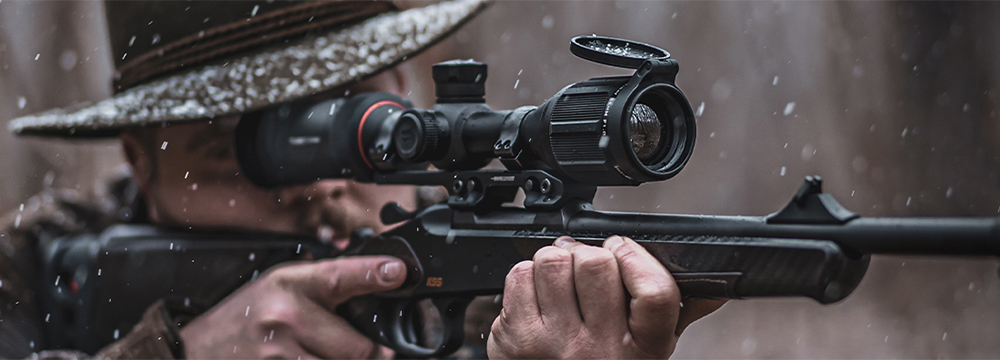
Humidity in the air
Humidity in the air usually softens the image step by step. The scope still works, but targets lose some separation from the background, especially at longer distance or in already-wet environments.
Fog and mist
Fog and mist are often worse than humidity alone because the droplets in the air interfere much more aggressively with the infrared signal. When fog rolls in, range can fall fast and fine detail becomes much harder to hold onto.
Rain
Rain is another bigger problem than simple humidity. Light rain may still be manageable for short viewing, but steady rain adds more atmospheric interference and makes the image look thinner, flatter, and less reliable.
Condensation on the lens
Lens condensation is different because it is not an air problem. It is a lens-surface problem. Even a good thermal scope can look terrible if moisture forms on the lens. If your image suddenly looks hazy after a temperature change, check the lens before blaming the weather.
Quick Comparison: Humidity vs Fog vs Rain vs Lens Condensation
| Condition | What It Does to the Image | How Fast It Hurts Performance | What Usually Suffers First | What You Should Check |
| Humidity | Lowers contrast and makes the image look flatter or softer | Gradual | Recognition and identification at longer distance | Compare real usable range, not just detection |
| Fog / Mist | Interferes with the infrared signal much more aggressively | Fast | Range and fine detail | Expect a sharper drop in image quality |
| Rain | Adds atmospheric interference and makes the image look thinner and less reliable | Moderate to fast depending on intensity | Longer-range clarity and target detail | Judge performance by stability and detail, not visibility alone |
| Lens Condensation | Obscures the image at the lens surface | Very fast | Overall image clarity, even at short range | Check the lens first before blaming the weather |
In simple terms, humidity usually causes a slower drop in image quality, while fog, rain, and lens condensation tend to create a more immediate and obvious problem. If your image suddenly turns hazy, the lens may be the first thing to inspect.
Can a better thermal scope handle humidity better?
Yes, to a point. A better thermal scope cannot beat the weather, but it can hold onto more usable detail when humidity starts hurting contrast. In real use, that usually means a cleaner image, steadier edges, and better recognition before the scene starts falling apart.
Better sensor sensitivity helps preserve weak detail
A stronger sensor helps most when the scene already has weak separation. Scopes with lower NETD can pick up smaller temperature differences, which gives you a better chance of holding onto body shape, edge detail, and partial cover when humid air starts flattening the image.
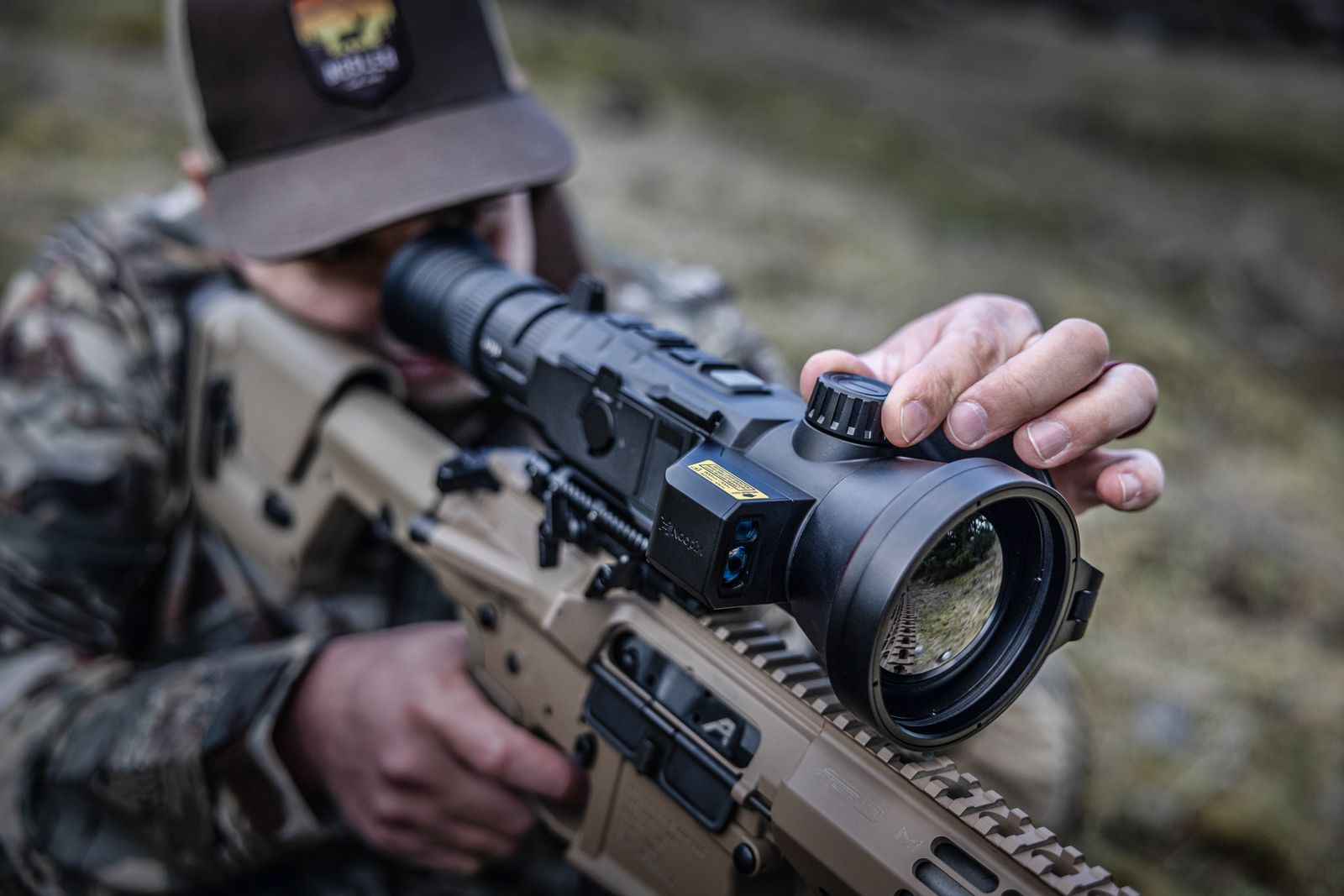
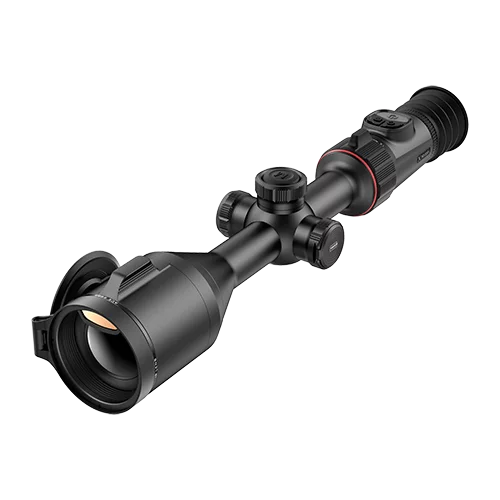
This is where a higher-performance scope can make a more noticeable difference. For example, the Nocpix RICO 2 is a better fit for users who care about holding onto weak target detail in humid, low-contrast conditions, especially when image confidence starts to drop at distance.
Stronger image processing improves usable contrast
Good processing can squeeze more usable detail out of a weak scene. If your scope handles contrast, brightness, and palette adjustment well, you can often keep the target readable longer instead of watching it melt into the background.
In this kind of low-contrast situation, the Nocpix ACE is easier to appreciate in real use, since it helps users hold onto a cleaner, more readable image when the scene starts losing contrast.
Higher lens quality supports a cleaner image
A better lens will not cancel out humidity, but it can help the system keep the image cleaner. That matters most when the weather is already working against you and every bit of detail counts.
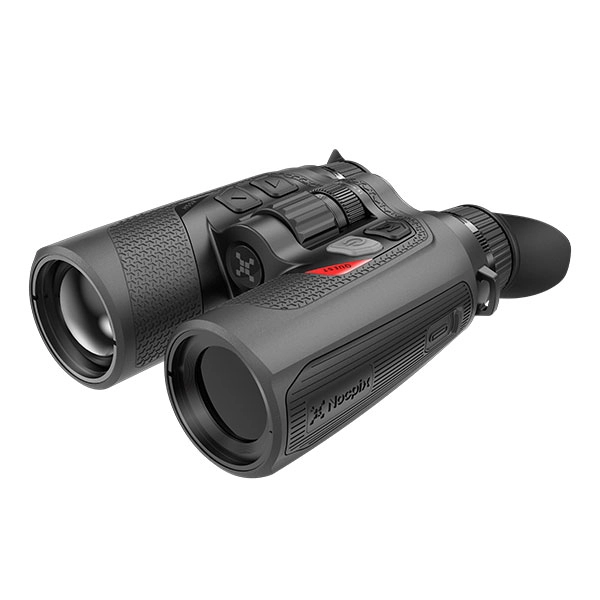
That added optical clarity becomes easier to appreciate once the weather starts working against the image. For users who spend a lot of time observing in damp, detail-poor conditions, the Nocpix QUEST thermal binoculars make more sense as a cleaner, more comfortable viewing option.
Good system tuning helps in changing conditions
Some scopes simply stay calmer when conditions shift. Better calibration, cleaner image tuning, and more stable auto-adjustment can keep the picture from swinging around as the air changes through the night.
How can users improve thermal scope performance in humid conditions?
You cannot fix humid air, but you can make better decisions in it. The biggest gains usually come from using realistic range expectations, cleaning up the image settings, checking the lens first, and testing your scope in the same weather you actually use it in.
Keep expectations realistic at longer distances
If you keep expecting dry-night performance in wet summer air, you will think your scope is failing when it is really just hitting weather limits. In humid conditions, recognition range usually drops before detection range does, so judge performance by what you can read clearly, not just by what you can still see.
Adjust contrast, brightness, and palette settings
Small setting changes can help more than people think. If the image looks flat, try working through:
- Contrast: Raise or lower it until the target stands out without blowing out the scene.
- Brightness: Avoid a washed-out image that hides weak detail.
- Palette: Some palettes make a weak target easier to read than others in damp conditions.
Check for lens condensation, not just bad air
This one gets missed all the time. If the image suddenly turns hazy after a temperature change, check the lens before blaming humidity in the air. A little moisture on the lens can wreck the picture fast.
Test in the field, not just on paper
Published range claims help, but they do not tell you how your scope will look over wet grass, near brush, or after rain. The best test is your own field use. Compare the same target area on a dry night and a humid night, then pay attention to:
- How Far You Can Detect A Heat Source
- How Far You Can Actually Recognize It
- How Stable The Image Feels As Conditions Change
Final Thoughts
Humidity can hurt thermal scope performance, but it usually does it in a gradual way. In most cases, the scope still works. What changes is your contrast, your target detail, and the distance where you can trust what you are seeing.
Before you blame the optic, compare it in dry and humid conditions, check the lens, and judge the image by real usable detail, not brochure numbers alone. If this topic is part of a buying decision, your next step should be comparing sensor sensitivity, image processing, and real-world testing notes before you choose a scope.
If you are ready to move from research to product comparison, explore Nocpix thermal scopes to see how different models fit your range needs, image preferences, and real-world hunting conditions.