






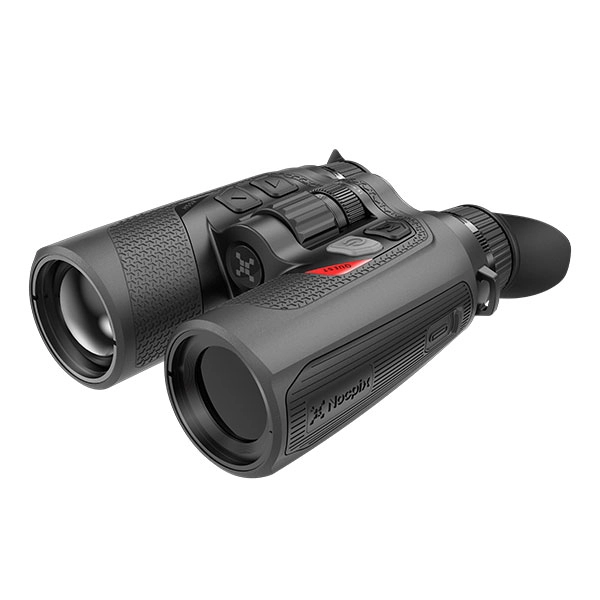
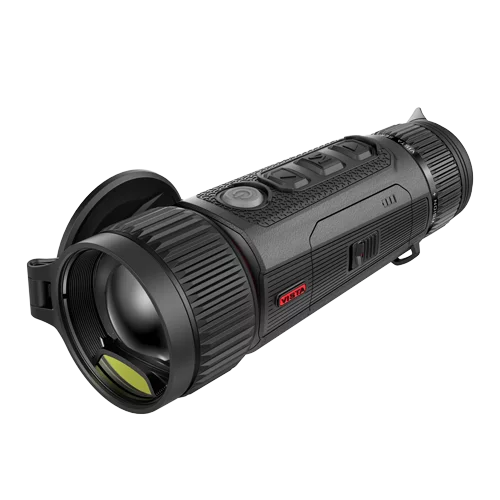
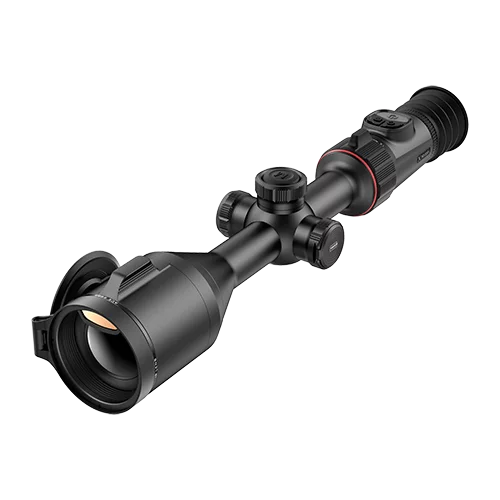
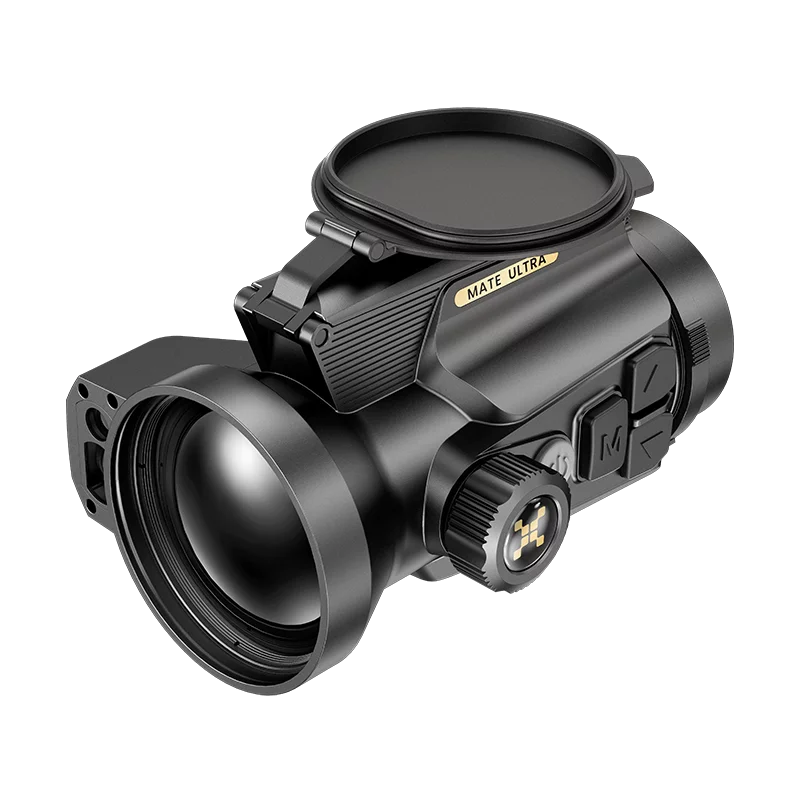
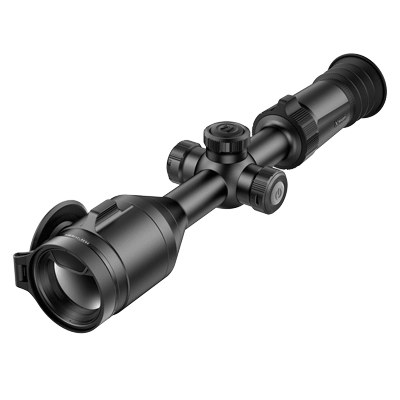
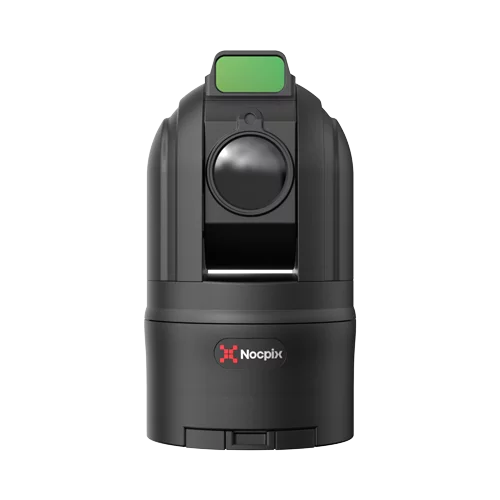
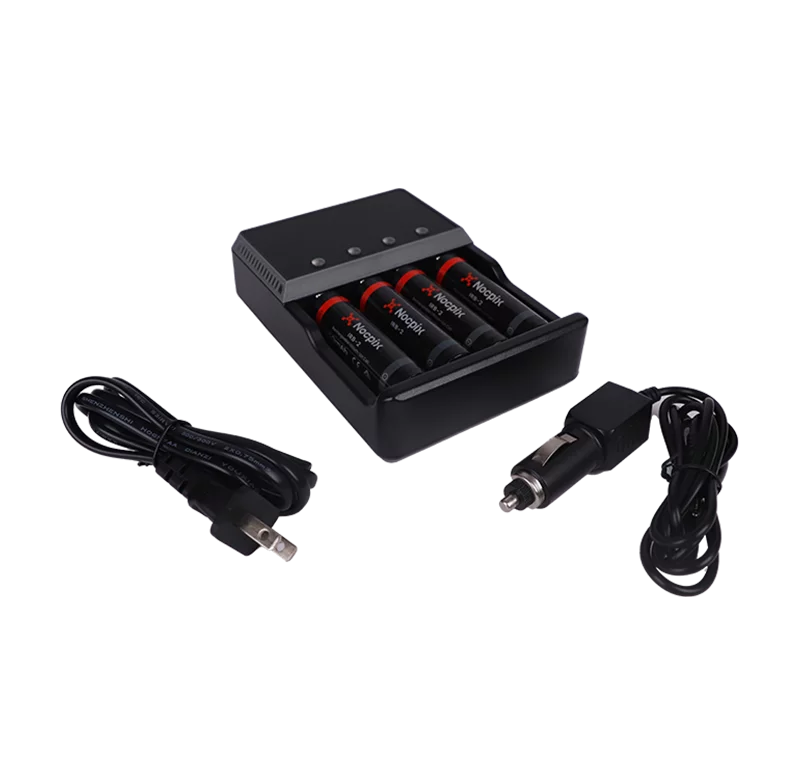


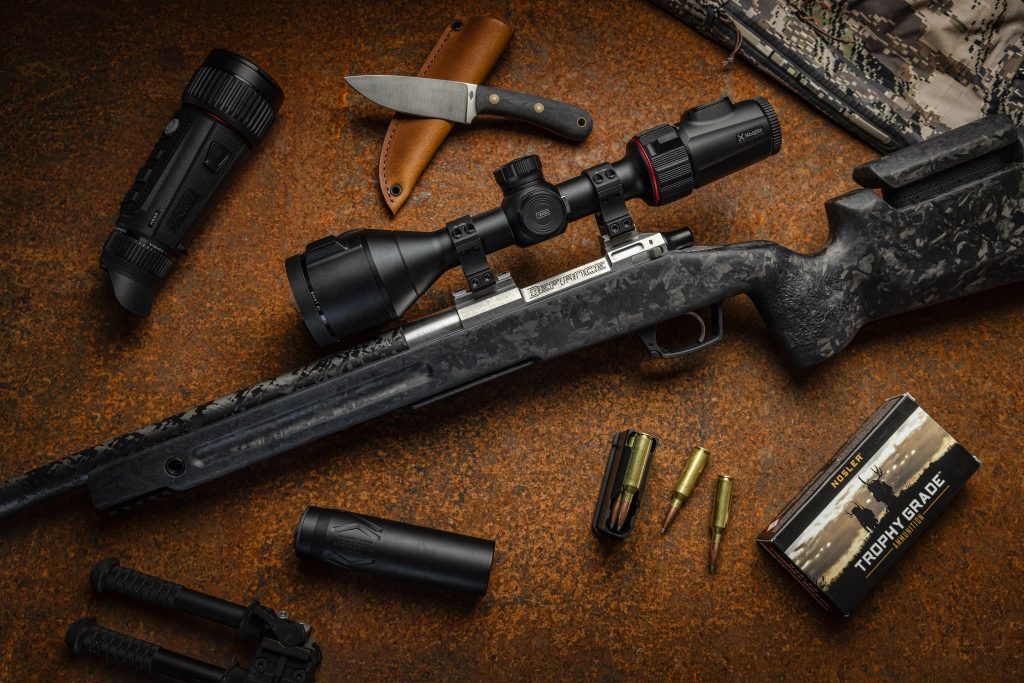
Warum sind Wärmebildgeräte so teuer? Kurz gesagt: Ein Wärmebildgerät ist nicht einfach nur ein optisches Gerät mit zusätzlichen Funktionen. Es ist ein Wärmeerkennungssystem, das spezielle Infrarotoptik, einen Wärmesensor, Bildverarbeitung, ein Display, ein rückstoßfestes Gehäuse und eine präzise Kalibrierung in einem Gerät vereint.
Der Preis mag im ersten Moment schockierend wirken, wenn man ein Wärmebildzielfernrohr mit einem herkömmlichen Jagdfernrohr vergleicht. Vielen Hobbyjägern erscheint das zu viel Geld für “nur ein weiteres Zielfernrohr”. Wärmebildgeräte funktionieren jedoch völlig anders, und genau dieser Unterschied erklärt den höheren Preis.
Wenn Sie noch nicht lange mit der Jagd mit Wärmebildgeräten beschäftigt sind, sollten Sie sich nicht nur fragen, warum Wärmebildgeräte so teuer sind, sondern ob der Mehraufwand Ihnen in der Praxis einen ausreichenden Nutzen für Ihre Jagdweise bietet.
Auf offenen Feldern, an Futterstellen, an Feldrändern und bei der nächtlichen Raubtier- oder Wildschweinjagd kann die Antwort „Ja“ lauten. In anderen Fällen ist ein handgeführtes Wärmebild- oder digitales Nachtsichtgerät möglicherweise der sinnvollere erste Schritt.
Inhaltsverzeichnis
Was unterscheidet ein Wärmebildzielfernrohr von einem normalen Zielfernrohr?
Ein Wärmebildgerät ist anders, weil es Wärme statt sichtbarem Licht misst und diese Wärmedaten in ein digitales Bild umwandelt.
Es detektiert Wärme anstelle von sichtbarem Licht.
Ein herkömmliches Zielfernrohr ist darauf angewiesen, was das Auge durch das Glas erkennen kann. Ein Wärmebildgerät hingegen funktioniert, indem es die Infrarotstrahlung warmer Objekte vor kühlerem Hintergrund erfasst. Nocpix erklärt dies anschaulich in seinen Leitfäden zur Wärmebildtechnik: Wärmebildgeräte erzeugen ein Bild aus dem Wärmekontrast, nicht aus dem Umgebungslicht.
Deshalb funktioniert Wärmebildtechnik auch in völliger Dunkelheit. Ein Wildschwein, das ein Feld überquert, ein Kojote an einer Baumgrenze oder eine Person, die sich in der Nähe eines Weidezauns bewegt, sind selbst dann noch erkennbar, wenn das bloße Auge fast nichts sieht.
Wärmebildkameras haben jedoch auch ihre Grenzen. Sie eignen sich hervorragend zur Ortung, aber nicht zur eindeutigen Identifizierung. Eine sichere Zielbestätigung ist weiterhin erforderlich, und Sie sollten sich vor dem Einsatz von Wärmebildgeräten im Gelände stets über die örtlichen Jagdgesetze informieren.
Optik, Sensor und Display funktionieren alle anders.
Ein Wärmebildgerät besteht eigentlich aus mehreren Systemen, die zusammenarbeiten. Es benötigt eine Infrarotlinse, einen Wärmesensor, eine integrierte Bildverarbeitung, ein digitales Display, ein Energiemanagementsystem und eine Software, die für ein stabiles und nutzbares Bild sorgt.
Das unterscheidet sich grundlegend von einem herkömmlichen Tageslichtfernrohr, das hauptsächlich auf optischem Glas, Vergütungen und mechanischer Justierung basiert. Ein Wärmebildgerät ähnelt eher einem kompakten Computer mit Spezialoptik als einem einfachen Tubus mit Absehen.
Warum sind Wärmebildgeräte so teuer? Sechs triftige Gründe erklärt
Wärmebildgeräte sind teuer, weil die Anforderungen an Kernmaterialien, Herstellung, Kalibrierung und Haltbarkeit höher sind, als die meisten Käufer erwarten.
- Thermische Linsen verwenden spezielle Infrarotmaterialien wie Germanium.
Wärmebildoptiken können nicht wie herkömmliche Zielfernrohre auf gewöhnliches Glas zurückgreifen. Langwellige Infrarotsysteme benötigen spezielle Materialien, die Wärmeenergie optimal übertragen. FLIR weist darauf hin, dass Germanium eine sehr gute Wärmeleitfähigkeit für Wärmebildanwendungen aufweist, jedoch relativ teuer ist.
Das ist wichtig, denn die Linse ist kein kleines Zubehörteil. Sie ist eines der Kernbauteile, das darüber entscheidet, wie viele Wärmeinformationen überhaupt den Sensor erreichen.
- Die Sensor- und Bildkalibrierung sind teuer.
Der Wärmesensor ist einer der größten Kostentreiber. Er muss kleinste Temperaturunterschiede in der Szene erfassen und diese dann in nutzbare Bilddaten umwandeln.
Die Kalibrierung verursacht zusätzliche Kosten. FLIRs Erklärung zur Nicht-Uniformitätskompensation (NUC) zeigt, dass Wärmebildkameras werkseitig kalibrierte Tabellen benötigen, um die Bildqualität in Echtzeit zu gewährleisten. Vereinfacht ausgedrückt: Das Gerät muss so eingestellt werden, dass der Sensor ein klares, konsistentes Bild liefert und kein verrauschtes.
- Prozessor, Display und integrierte Elektronik erhöhen die Kosten.
Ein Wärmebildgerät beschränkt sich nicht nur auf die Wärmeerfassung. Es muss diese Daten sofort verarbeiten, das Bild schärfen, Farbpaletten verwalten, bei vielen Modellen Videos aufzeichnen, Fadenkreuze ansteuern und das Display mit Strom versorgen.
Deshalb können günstigere Geräte auf dem Papier gut aussehen, sich aber in der Praxis langsam, verrauscht oder unpräzise anfühlen. Ein besserer Prozessor und ein besseres Display sorgen oft für ein schärferes Bild, wenn man Gebüschränder abtastet oder versucht, ein sich bewegendes Tier ruhig zu halten.
- Die Produktionsmengen sind deutlich geringer als bei herkömmlichen Optiken.
Herkömmliche Zielfernrohre verkaufen sich in großen Stückzahlen im Jagd-, Sportschieß- und allgemeinen Freizeitbereich. Wärmebildzielfernrohre bedienen einen kleineren Markt, weshalb die Hersteller die Entwicklungs- und Werkzeugkosten nicht so breit streuen können.
Das bedeutet in der Regel geringere Skaleneffekte. Die Folge ist einfach: Produkte mit geringeren Stückzahlen bleiben tendenziell länger teuer.
- Exportkontrollen und Compliance verursachen zusätzliche Kosten
Wärmebildgeräte unterliegen oft strengeren Verkaufs- und Versandbestimmungen als herkömmliche Optiken. Nocpix weist in seinen FAQs darauf hin, dass viele digitale und Wärmebildgeräte, insbesondere Zielfernrohre, speziellen Lizenzbestimmungen unterliegen und möglicherweise nicht frei zwischen Ländern transportiert werden dürfen.
Diese Art von Compliance-Aufwand macht einen Anwendungsbereich nicht automatisch besser, sondern erhöht die Kosten für die Herstellung, den Vertrieb und die Unterstützung eines solchen Bereichs.
- Rückstoß-, Wetter- und Qualitätsprüfungen sind strenger, als viele Käufer erwarten.
Ein Wärmebildzielfernrohr muss mehr leisten, als nur ein scharfes Bild zu liefern. Es muss auch Rückstoß standhalten, die Nullstellung beibehalten, widrigen Witterungsbedingungen im Freien trotzen und auch unter rauen Bedingungen zuverlässig funktionieren.
Was kostet ein Wärmebildgerät eigentlich?
Die meisten Wärmebildgeräte bewegen sich preislich irgendwo zwischen mehreren hundert und mehreren tausend Dollar, wobei der eigentliche Einstiegspreis für ein glaubwürdiges, auf einem Gewehr montiertes Gerät in der Regel bei niedrigen vierstelligen Beträgen liegt.
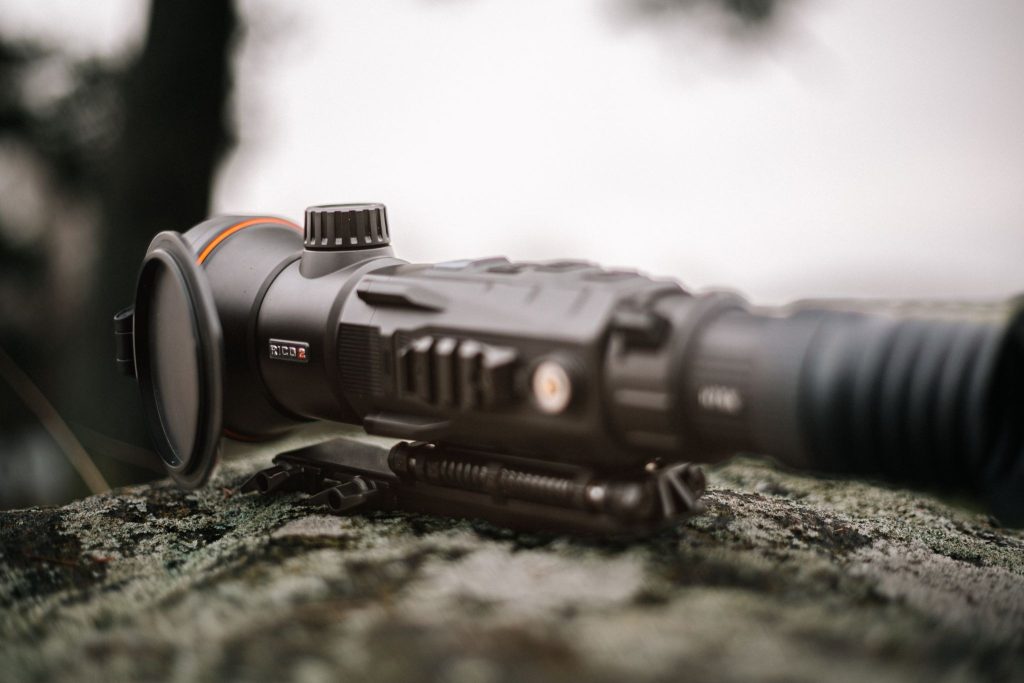
Budget, Mittelklasse und Premium: Was die einzelnen Stufen üblicherweise bieten
Eine präzisere Herangehensweise an den Markt ist folgende:
- Budget-Kategorie: Üblicherweise im unteren Bereich der Kategorie. Die Bilderkennung ist zwar brauchbar, aber Bilddetails, Zoomleistung und die Gesamtqualität sind oft eingeschränkt.
- Mittlere Preisklasse: Hier finden viele Jäger die beste Balance. Man erhält in der Regel eine höhere Bildqualität, bessere Empfindlichkeit, bessere Bedienbarkeit und eine zuverlässigere Leistung im Feld.
- Premium-Stufe: Sie bezahlen für sauberere Bilder, eine höhere Reichweite, bessere Displays, eine verbesserte Ergonomie und oft auch für Extras wie integrierte Lasersucher oder eine fortschrittlichere Bildabstimmung.
Aktuelle Marktprognosen von Händlern und Marken für 2026 legen nahe, dass der praktische Einstiegspunkt für ein ernstzunehmendes Jagd-Wärmebildgerät oft eher im oberen Bereich von $1000 liegt, wobei viele gute Modelle der Mittelklasse unterhalb oder um den Bereich von $3000 bis $5000 angesiedelt sind, während Premiummodelle deutlich darüber hinausgehen.
Warum zwei Zielfernrohre zum gleichen Preis sehr unterschiedliche Leistungen erbringen können
Der Preis allein sagt nicht alles. Ein Zielfernrohr investiert möglicherweise einen größeren Teil des Budgets in Sensor und Bildqualität. Ein anderes mag mit Funktionen aufwarten, die auf der Produktseite vielversprechend aussehen, aber in der Praxis bei der Jagd weniger Nutzen bringen.
Deshalb ist es hilfreich, den gesamten Anwendungsfall zu vergleichen, nicht nur den Preis. Ein Jäger, der auf unter 200 Meter Entfernung an Futterstellen jagt, hat ganz andere Bedürfnisse als jemand, der weite Felder nach Kojoten absucht.
Lohnt sich die Anschaffung eines Wärmebildgeräts?
Wärmebildgeräte sind ihr Geld wert, wenn die schnellere Ortung in der Dunkelheit die Jagdweise tatsächlich verändert.
Wann ein Wärmebildzielfernrohr sinnvoll ist, auch für Anfänger
Bei der nächtlichen Jagd auf Wildschweine, Raubtiere oder Schädlinge, sofern dies erlaubt ist, kann eine Wärmebildkamera die Zeit verkürzen, die man benötigt, um Bewegungen zu erkennen und Entscheidungen zu treffen. Anstatt Schatten zu deuten, kann man schnell einen Feldrand absuchen, Wärmequellen ausfindig machen und sicherer reagieren.
Für Anfänger kann das ein echter Vorteil sein. Es verringert die Frustration, bei schlechten Lichtverhältnissen nicht genug zu sehen, und hilft Ihnen, Ihre Umgebung schneller zu erfassen.
Wenn Sie bereits Modelle vergleichen, wäre ein Blick auf das Angebot von Nocpix ein guter nächster Schritt. Wärmebildkamera Stellen Sie sich das Lineup vor und lesen Sie dann die zugehörige Anleitung. Wie man ein Wärmebildgerät auswählt für Gelände, Entfernung und Spezifikationen.
Wann ist ein Nachtsichtgerät oder ein tragbares Wärmebildgerät die klügere erste Anschaffung?
Bei begrenztem Budget ist eine handliche Wärmebildkamera möglicherweise die bessere Wahl für den Anfang. Nocpix's thermischer monokularer Messbereich Passt gut zur Arbeitsweise vieler Jäger: zuerst scannen, dann in Bewegung setzen, dann mit einem anderen Zielfernrohr nachsehen.
Digitale Nachtsichtgeräte können auch dann sinnvoller sein, wenn Ihr Hauptanliegen darin besteht, Formen und Details auf kürzere Distanzen zu erkennen, anstatt Wärme schnell zu erfassen.
Eine einfache Regel: Erkennungsbedarf vs. Identifizierungsbedarf
Eine hilfreiche Regel lautet: Kaufen Sie Wärmebildkameras, wenn die Ortung Ihr Hauptproblem ist, und Nachtsichtgeräte, wenn die Identifizierung Ihr Hauptproblem ist.
Wärmebildkameras helfen dir, Tiere schnell zu finden. Nachtsichtgeräte ermöglichen es dir, Details besser zu erkennen. Viele Jäger nutzen schließlich beides, aber nicht jeder muss damit anfangen.
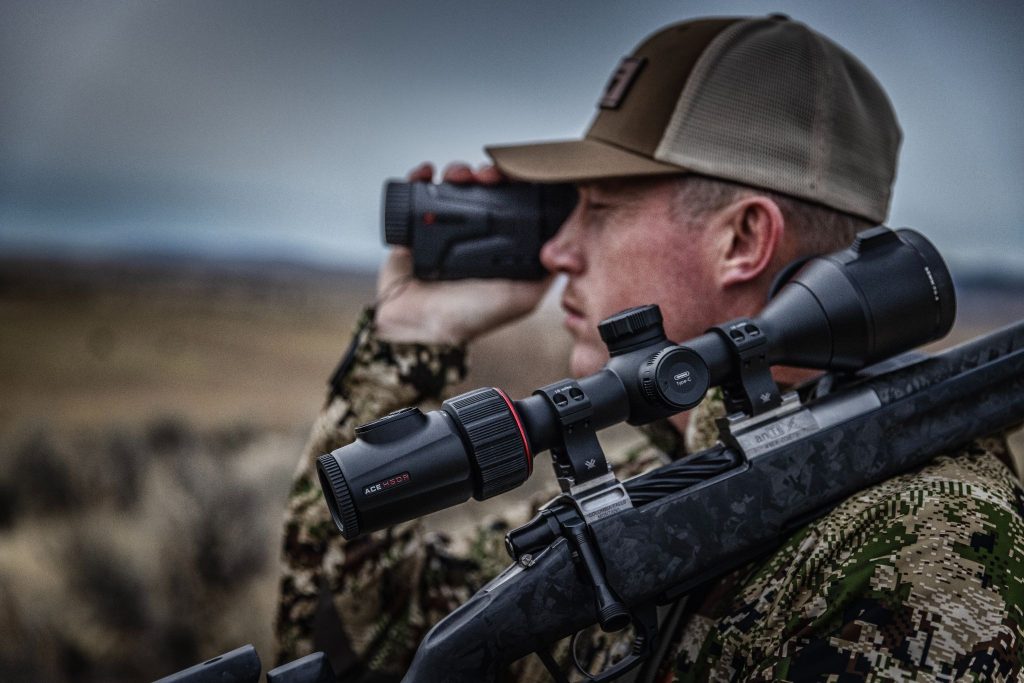
Woran erkennt man, ob ein Wärmebildgerät überteuert oder preiswert ist?
Ein Wärmebildgerät ist dann preislich angemessen, wenn seine tatsächliche Leistung seinem Sensor, seiner Linse, seiner Bildqualität, seiner Haltbarkeit und dem Supportniveau entspricht.
Technische Daten, die wichtiger sind als Marketing.
Konzentrieren Sie sich auf die Spezifikationen, die den tatsächlichen Einsatz im Feld beeinflussen:
- Sensorauflösung: Eine höhere Auflösung bedeutet in der Regel eine bessere Bilddetailgenauigkeit, insbesondere beim Zoomen.
- NETD-Sensitivität: Ein niedrigerer NETD-Wert kann dazu beitragen, dass das Bild bei hoher Luftfeuchtigkeit, geringem Kontrast oder unruhigem Hintergrund sauberer bleibt.
- Linsengröße und Basisvergrößerung: Diese Faktoren bestimmen das Sichtfeld und die effektive Reichweite.
- Bildverarbeitung: Eine gute Bildverarbeitung kann genauso wichtig sein wie die Rohauflösung.
- Rückstoßfestigkeit und Verarbeitungsqualität: Ein Zielfernrohr muss auch nach wiederholten Schüssen zuverlässig funktionieren.
Wenn Sie Beispiele für die Positionierung von Premium-Zielfernrohrplattformen sehen möchten, schauen Sie sich die von Nocpix an. ACE-Serie Und RICO 2-Serie zeigen, wie Marken höherwertige Modelle anhand von Klarheit, Reichweite, Komfort und Ausstattung voneinander unterscheiden.
Warnsignale bei sehr günstigen Wärmebildgeräten
Seien Sie vorsichtig, wenn ein Zielfernrohr viel günstiger ist als der Rest des Marktes, aber dennoch Premium-Ergebnisse verspricht.
Zu den häufigsten Warnzeichen gehören vage Sensorinformationen, unklare Angaben zum Rückstoß, überhöhte Erkennungszahlen ohne Kontext, schwacher Garantiesupport und eine zu starke Betonung des digitalen Zooms anstelle der eigentlichen Bildqualität.
Ein Wärmebildgerät muss nicht die teuerste Option sein, um gut zu sein, aber extrem billige Modelle sparen oft an Ecken und Enden, was Anfänger erst im praktischen Einsatz bemerken.
Werden Wärmebildgeräte in Zukunft günstiger?
Wärmebildgeräte werden mit der Zeit wahrscheinlich erschwinglicher werden, aber die besten Modelle könnten weiterhin teuer bleiben.
Was könnte die Preise senken?
Verbesserte Fertigungsprozesse, eine breitere Akzeptanz und mehr Wettbewerb tragen in der Regel dazu bei. Wir haben bereits erlebt, wie Wärmebildtechnologie von extrem hohen Preisen in erschwinglichere Jagdbudgets vorgedrungen ist.
Mit der Verbesserung von Sensoren, Prozessoren und Produktionsmethoden finden die heutigen Premium-Funktionen oft auch Eingang in Produkte der Mittelklasse.
Was wird die Preise voraussichtlich hoch halten?
Manche Kosten sind hartnäckig. Spezialisierte Infrarotoptiken, Bildkalibrierung, robuste Gehäuse und rückstoßfeste Konstruktion werden wohl nicht so schnell billig werden.
Ja, Wärmebildgeräte werden im Einsteiger- und Mittelklassebereich wahrscheinlich immer erschwinglicher. High-End-Zielfernrohre werden aber weiterhin Premiumpreise erzielen, da die beste Leistung in der Herstellung teuer ist.
Abschluss
Warum sind Wärmebildzielfernrohre so teuer? Weil ein Wärmebildzielfernrohr spezielle Infrarotmaterialien, teure Sensorhardware, Echtzeitverarbeitung, strenge Kalibrierung und rückstoßfeste Robustheit in einem Jagdoptikgerät vereint.
Lohnt sich die Anschaffung? Für Jäger, die regelmäßig auf schnelle Nachtsicht angewiesen sind, oft ja. Für den gelegentlichen Gebrauch ist ein tragbares Wärmebild- oder digitales Nachtsichtgerät möglicherweise die bessere Wahl. Am sinnvollsten ist es, das Gerät zu kaufen, das zu Ihrer tatsächlichen Jagdentfernung, dem Gelände und Ihrem Budget passt – nicht das mit den beeindruckendsten technischen Daten.
FAQS
1. Warum sind Wärmebildgeräte in der Regel teurer als Nachtsichtgeräte?
Da Wärmebildgeräte mit anderer Optik, anderen Sensoren und einer intensiveren Bildverarbeitung arbeiten, erfassen sie Wärme anstatt Licht zu verstärken, was die Hardware und Kalibrierung in der Regel aufwendiger macht.
2. Lohnt sich der Aufpreis für 640×512, wenn ich hauptsächlich auf Entfernungen unter 200 Metern jage?
Manchmal, aber nicht immer. Bei Aufnahmen mittlerer Schwierigkeit und einfachem Gelände reicht oft ein gutes Mittelklasse-Objektiv aus. Die Vorteile der Auflösung 640×512 zeigen sich vor allem dann, wenn Sie einen schärferen Zoom, mehr Bilddetails oder mehr Flexibilität bei unterschiedlichen Aufnahmebedingungen wünschen.
3. Warum können zwei Wärmebildgeräte mit der gleichen Auflösung sehr unterschiedliche Preise haben?
Denn die Auflösung ist nur ein Teil der Leistung. Objektivqualität, NETD, Bildverarbeitung, Displayqualität, Rückstoßdämpfung, Ergonomie und Support können selbst bei zwei Modellen mit gleicher Pixelanzahl einen großen Unterschied ausmachen.
4. Beeinflussen kalte oder feuchte Witterung die Akkulaufzeit und den realen Wert?
Kaltes Wetter kann die Akkulaufzeit verkürzen, und feuchte Bedingungen können den Bildkontrast im praktischen Einsatz verringern. Nocpix weist außerdem darauf hin, dass niedrige Temperaturen den Szenenkontrast reduzieren können, wodurch das Bild weniger detailliert wirkt, als Käufer es von professionellen Marketingaufnahmen erwarten.