







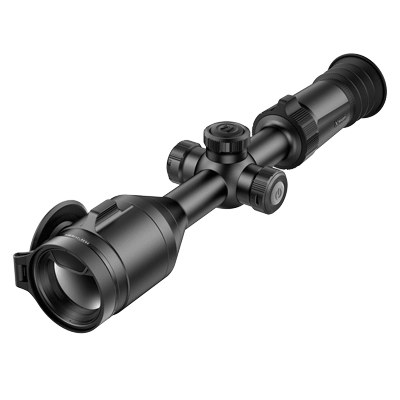
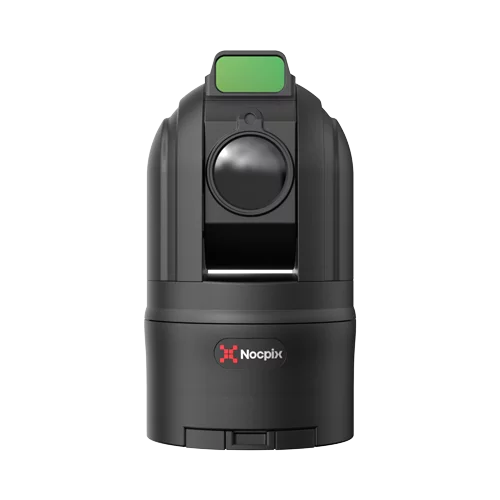


Att köpa ett termiskt kikarsikte är ett stort beslut. För- och nackdelarna med ett termiskt kikarsikte påverkar allt från hur du upptäcker vilt till hur länge du kan vistas i fält. Du jämför inte bara specifikationer – du bestämmer dig för om värmedetektering hör hemma på ditt gevär.
Vissa jägare behandlar termisk värme som en fuskkod. Andra köper en och blir besvikna eftersom ingen berättade för dem om batteritiden, glasproblemet eller hur en bild verkligen ser ut på avstånd. Den här guiden ger dig hela historien. Du kommer att lära dig vad termiska kikarsikten gör bra, var de inte räcker och exakt i vilka jaktsituationer ett termiskt kikarsikte är vettigt. Längs vägen kommer vi att hänvisa dig till Nocpix termiska kikarsikten som är byggda för verklig fältanvändning, inte för utställningslokaler.
Innehållsförteckning
Vad är ett termiskt kikarsikte?
Ett termiskt kikarsikte är en gevärsmonterad optik som visar värmesignaturer snarare än synligt ljus. Den behöver inte dagsljus. Den behöver inte månsken. Den läser av den infraröda energin som varje varmt objekt avger och omvandlar den informationen till en synlig bild som du siktar igenom.
Den detekterar värme istället för synligt ljus
En hjort avger värme. En gris avger värme. Även kall mark, trädbark och stenar har en temperatursignatur. Ett termiskt kikarsikte fångar upp dessa små skillnader och målar upp en bild där de varmaste sakerna i scenen framstår ljusast. Det är därför en prärievarg som står i högt gräs sticker ut även vid midnatt under tätt molntäcke. Kikarsiktet bryr sig inte om skuggor, solvinkel eller ljuskällor. Det bryr sig bara om temperaturkontrast. Traditionella glaskikarsikten ser reflekterat ljus. Nattkikare förstärker befintligt ljus. Termiskt kikarsikte läser helt enkelt av värme, vilket gör det till ett helt annat verktyg för jägare som arbetar i svagt och inget ljus.
Hur fungerar ett termiskt kikarsikte?
Sensorn inuti ett termiskt kikarsikte, kallad mikrobolometer, absorberar infraröd strålning över hela sitt pixlarnät. Varje pixel mäter en liten temperaturskillnad. Kikarsiktets processor omvandlar sedan dessa mätningar till en bild som du ser på en liten intern skärm. Du tittar genom okularet och ser skärmen, inte en bild från en optisk lins.
Värmekontrast skapar bilden
Du väljer en färgpalett – vit het, svart het eller ett högdagerläge – och teleskopet mappar temperaturdata till dessa färger. En varm gris visas vit i vit hett läge. Den kalla penseln bakom den förblir mörk. Teleskopet uppdaterar den här värmebaserade bilden dussintals gånger per sekund, vilket håller bilden jämn när du panorerar över ett fält. Nocpix termiska kikarsikten, snabba uppdateringsfrekvenser och förfinade bildalgoritmer hjälper dig att spåra rörliga djur utan märkbar fördröjning eller bildstavning. Det spelar roll när du bara har några sekunder på dig att upptäcka ett ekolod som korsar ett sädesfält i sista gryningen.
Vilka är fördelarna med ett termiskt kikarsikte?
Termiska kikarsikten gör fyra saker bättre än någon annan optik du kan sätta på ett gevär. De fungerar i noll ljus. De kämpar igenom dåligt väder. De ignorerar kamouflage och ljusskydd. Och de upptäcker värme på avstånd som skulle vara omöjliga med blotta ögat.
Fungerar i totalt mörker utan någon ljuskälla
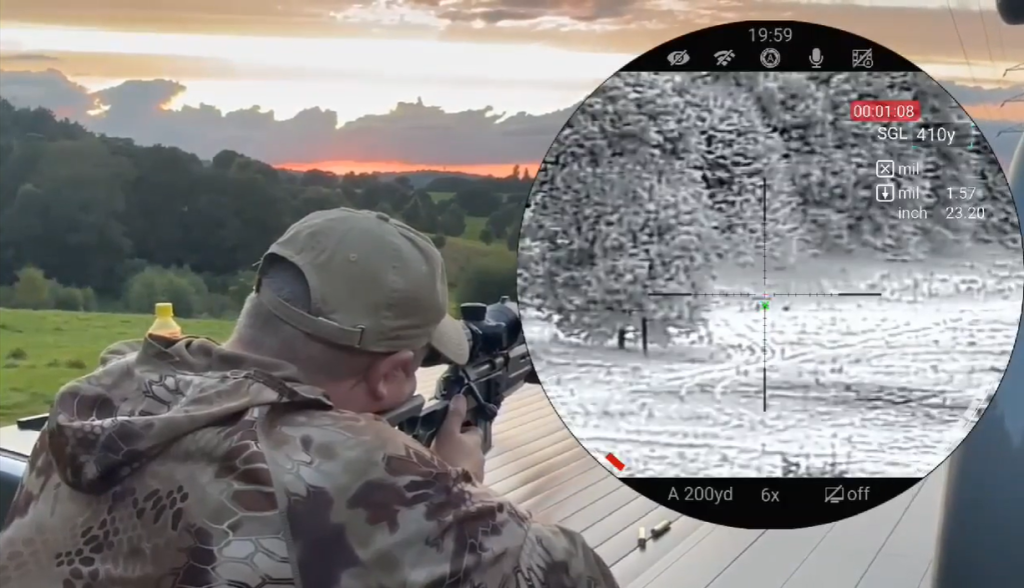
Detta är den främsta anledningen till att jägare investerar i termisk optik. 1. Ingen måne betyder ingenting för ett termiskt kikarsikte. Ingen IR-belysning behövs, vilket också betyder inget avslöjande ljus som kan skrämma pressade grisar. Du ställer dig upp vid en fältkant, slår på kikarsiktet och skannar. Värmesignaturer visas på samma sätt klockan 02:00 som i skymningen. Den tillförlitligheten efter mörkrets inbrott är anledningen till att grisjägare och rovdjursjägare fortsätter att sätta på termiska vapen på sina gevär år efter år. Om du precis lär dig att använda en termisk optik, kolla in vår guide om hur man konfigurerar och fokuserar ett termiskt oscilloskop innan du ger dig ut.
Överlägsen detektering i ogynnsamt väder
Dimma och lätt regn förstör traditionell optik. Ljuset sprids, djupet försvinner och du förlorar förmågan att se mer än några dussin meter. Men djurkroppsvärme tränger igenom dimma och dis tillräckligt bra för att en värmesensor ska kunna upptäcka det. Du kanske förlorar lite skärpa, men detektering är fortfarande möjlig under förhållanden där ett dagkikare eller mörkerkikare skulle göra dig blind. Det betyder fler nätter i fält när vädret inte är perfekt.
Kamouflage och vegetationspenetration
Djur har utvecklats för att gömma sig från ögon, inte från värmesensorer. En bock som ligger i tjockt CRP-gräs försvinner genom ett 3-9x-dagkikare. Genom ett termiskt kikare glöder hans kroppsvärme mot det svalare gräset. Gles vegetation som spridda löv eller tunna grenar blockerar inte helt infraröd energi. Du kommer ofta att upptäcka partiella värmesignaturer genom skydd som döljer djuret helt från synligt ljus. Detta ger dig ett detektionsfönster som ingen förstoringsgrad eller glasklarhet kan replikera.
Långdistansmåldetektering
Termiska kikarsikten kan upptäcka en värmesignatur på avstånd långt bortom vad du någonsin skulle skjuta. Att upptäcka något varmt på 1 200 eller till och med 1 450 meter är inte ovanligt i öppet landskap. Du kommer inte att identifiera djuret på det avståndet, men du kommer att veta att något varmt finns där ute. Den tidiga varningen ger dig tid att bestämma om du ska minska avståndet eller vänta. När du parar ihop ett kikarsikte med en handhållen monokulär från Nocpix LUMI- eller VISTA-serien, du skannar brett och övergår sedan till kikarsiktet endast när du har ett mål som är värt att undersöka vidare.
Vilka är nackdelarna med ett termiskt skop?
Inget verktyg är perfekt. Termiska kikarsikten har verkliga begränsningar som varje jägare bör förstå innan de spenderar pengar.
Hög initial kostnad
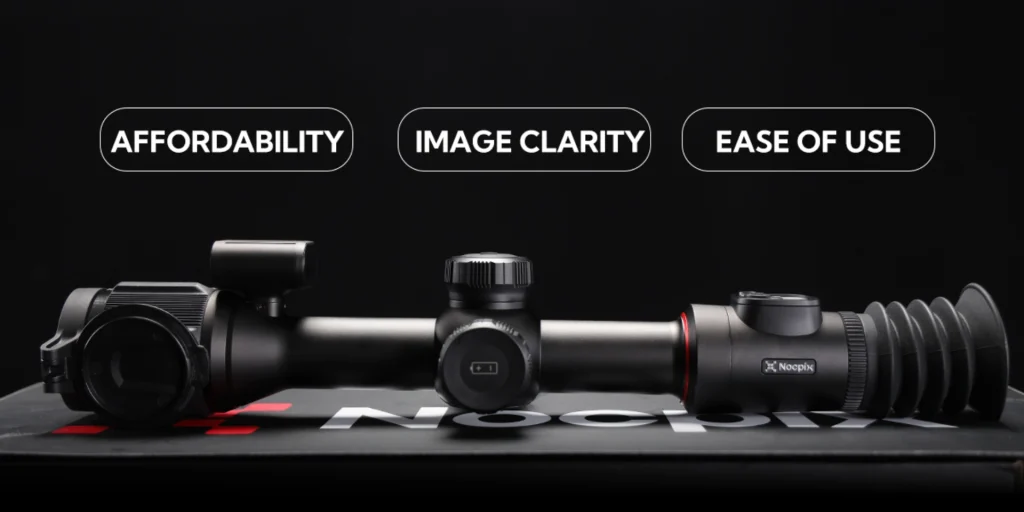
Ett bra termiskt kikarsikte kostar mer än ett premium dagkikarsikte och en mörkerkikare tillsammans. Sensorn, germaniumlinsen och den interna elektroniken är dyra att tillverka. Termiska kikarsikten på instegsnivå representerar fortfarande en betydande investering. Det priset gör termisk utrustning utom räckhåll för jägare som bara går ut ett par gånger om året efter solnedgången. För jägare som jagar grisar varje vecka eller kallar på prärievargar varje vinter börjar kostnaden bli mycket mer begriplig med tiden. Du kan bläddra bland olika prestandanivåer bland Nocpix termiska kikarsikten för att hitta en balans mellan sensorupplösning, linsstorlek och budget.
Lägre bildupplösning och detaljrikedom
En värmebild ser inte ut som ett fotografi. Även en 640×512-sensor, som anses ha hög upplösning i termiska kretsar, producerar betydligt färre fina detaljer än ett dagkikare av hög kvalitet vid samma förstoringsgrad. Du kommer att se en värmebild, men du kommer inte att räkna spetsar på 300 meter på samma sätt som du skulle göra genom glas. Denna begränsning tvingar dig att komma närmare innan du avfyrar ett skott eller att luta dig starkt mot signaler om målbeteende och kroppsform. Jägare som förväntar sig optisk skärpa under dagtid från ett värmekikare blir ofta besvikna. Tekniken utmärker sig vid detektering, inte vid att ge fin visuell bekräftelse.
Kan inte se genom glas
Glas reflekterar de infraröda våglängderna som värmesensorer avläser. Om du riktar ditt värmekikare mot ett fönster ser du en reflektion av din egen kroppsvärme eller värmen bakom dig – inte vad som finns på andra sidan. Detta omintetgör den termiska fördelen för alla som jagar från en sluten persienn med glasfönster. Du måste öppna fönstret eller gå ut. Samma regel gäller för vindrutor, byggnadsfönster och alla andra glasytor som du kanske vill skanna igenom.
Batteriberoende och begränsad driftstid
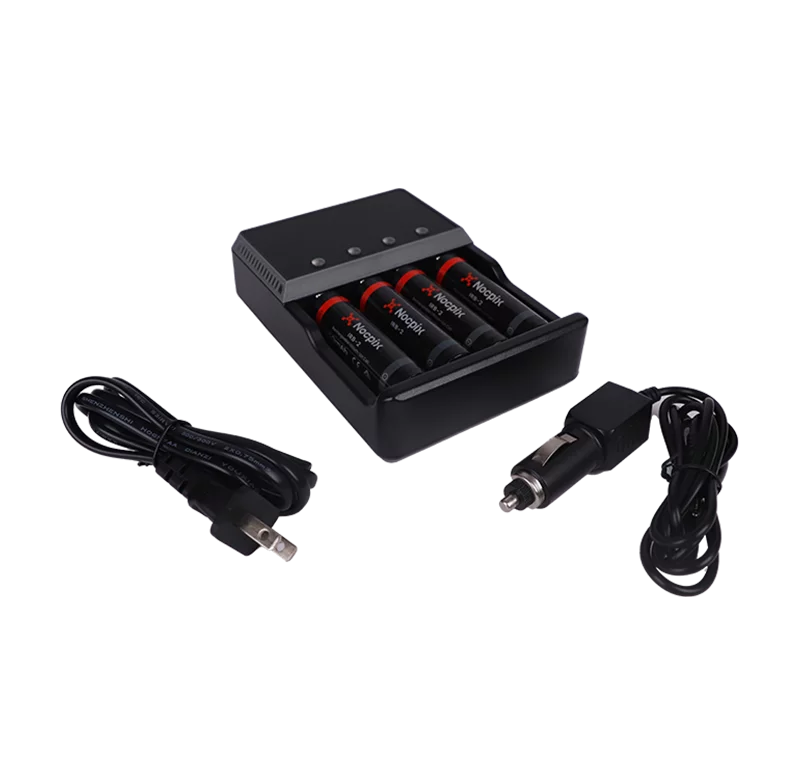
Ett traditionellt kikarsikte fungerar för alltid utan batterier. Ett termiskt kikarsikte dör i samma ögonblick som det interna batteriet eller den externa strömkällan tar slut. Verkliga körtider på en full laddning ligger vanligtvis mellan 4 och 8 timmar, och kallt väder drar ner dessa siffror snabbt. Ett långt prärievargsstativ i januari kan tömma ett batteri snabbare än du förväntar dig. Lösningen är enkel: ta med dig reservbatterier eller en extern USB-powerbank. Men du måste tänka på strömhantering på ett sätt som du aldrig skulle göra med en standardoptik. För mer information om att bibehålla bildkvaliteten under förändrade förhållanden, se vår guide om förbättrar prestandan för termisk oscilloskop täcker inställningar och strömvanor som hjälper.
Prestandasänkningar i extremt väder och miljöer
Termiska kikarsikten behöver en temperaturskillnad mellan målet och bakgrunden. Kraftigt, ihållande regn kyler allt till ungefär samma temperatur, vilket plattar ut bilden. Varma eftermiddagar värmer upp stenar och jord till nära djurets kroppstemperatur, och kontrasten avtar. Nätter under noll grader fungerar bra för sensorn, men kylan förkortar batteriets livslängd märkbart. Du kan fortfarande jaga under dessa förhållanden, men du måste justera dina förväntningar. Nattetid i svalt, torrt väder är där termiska kikarsikten presterar bäst.
I vilka jaktsituationer hjälper ett termiskt kikarsikte mest – och var är det till brister?
Verkliga jaktförhållanden matchar aldrig bilderna i broschyren. Så här fungerar ett termiskt kikarsikte i de situationer som faktiskt spelar roll.
Nattjakt i öppna fält: Snabb detektering men mindre bilddetaljer
Öppna fält efter solnedgången är termokikarens hemmaplan. Du kan skanna hundratals tunnland på några minuter, uppfatta värmesignaturer nära avlägsna trädgränser och avgöra vilka som är värda att besöka. Nackdelen är detaljerna. En termisk signatur på 400 meter visar att något är varmt och rör sig. Den säger inte om formen är ett vildsvin, en hind eller grannens hund. En handhållen termisk monokulär för skanning hjälper till att reda ut dessa frågor innan du monterar geväret.
Tjocka buskar och trädgränser: Bättre värmeupptagning men inte perfekt målidentifiering
Termiska kikarsikten ser igenom ljuspensel bättre än någon optik för synligt ljus någonsin kommer att göra. Men det tjocka, träiga skyddet blockerar fortfarande värme. Du kanske bara ser en delvis glöd där en gris axel eller huvud är exponerad. Det gör det svårare att bedöma ett rent skottplacering. Detta är ytterligare en anledning till att många termiska jägare bär med sig en handhållen skanner från fabriken. Nocpix LUMI- eller VISTA-linje. En snabbskanning ger dig bredare situationsmedvetenhet innan du bestämmer dig för geväret.
Spårning och återhämtning efter skottet: Användbart för värmesignaturer men begränsat av terräng och tid
Ett skadat djur som avger kroppsvärme lämnar ett termiskt spår – åtminstone under en kort tidsperiod. Om du kommer till området snabbt kan ett termiskt kikarsikte hjälpa dig att upptäcka värmesignaturen i högt gräs eller lätt täcke. Men när djuret väl ligger nere och dess kroppstemperatur sjunker försvinner signaturen. Tät terräng, stenig mark och lövskräp komplicerar alla termisk spårning. Kikarsiktet hjälper, men det kommer aldrig att ersätta en stark ficklampa och förmågan att läsa ett blodspår.
Långa jakter i hårt väder: Stark prestanda i svagt ljus men mer kraft och väderbegränsningar
Långa nätter i kyligt duggregn sätter både utrustning och batterier under press. Kikarsiktet detekterar fortfarande värme, men man måste hantera batterierna, torka bort kondens från linsen och acceptera att kraftigt regn minskar kontrasten. Fördelen med att se i mörker är verklig, men det är även den extra vikten av reservbatteri och det långsammare tempo som krävs för att hålla optiken funktionell. Förberedelse är allt.
Vilket Nocpix termiskt kikarsikte passar din jakt?
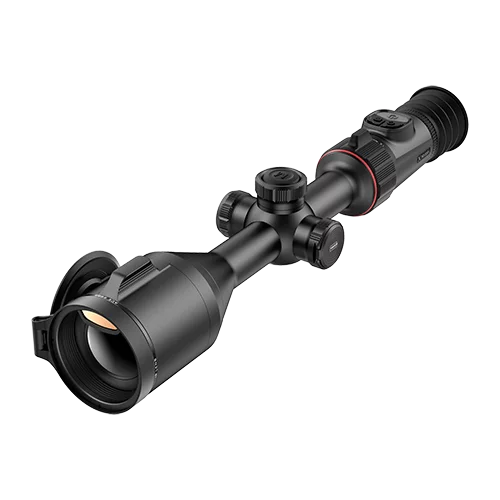
Nocpix bygger termisk optik kring idén "Steg före" – tydlig värmeavbildning, enkla kontroller och utrustning som klarar verklig fälttäkt. Nocpix termiska kikarsikten innehåller flera serier anpassade till olika jaktstilar. ACE-serien levererar högupplöst bildåtergivning med smidig spårning för jägare som vill ha maximal detaljrikedom. ACE RM har en integrerad laseravståndsmätare för omedelbara avståndsmätningar på natten. BOLT-serien kombinerar termisk detektering med en inbyggd avståndsmätare och ballistiska verktyg i ett kompakt, nybörjarvänligt paket. RICO 2-serien använder ett spakbaserat zoomsystem som känns mer som ett traditionellt kikarsikte, vilket hjälper vid snabba målövergångar. SLIM-serien håller vikten till ett minimum för spot-and-pyrsch-jägare som tillryggalägger kilometer till fots.
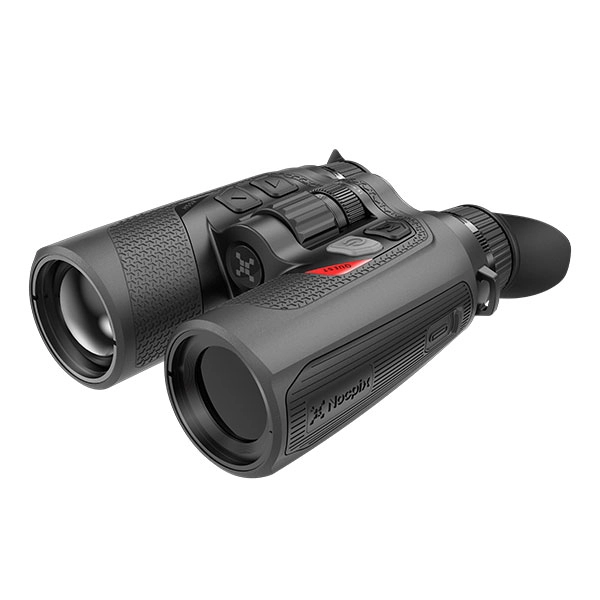
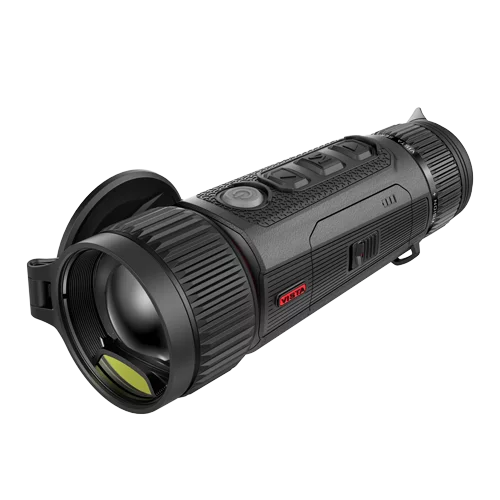
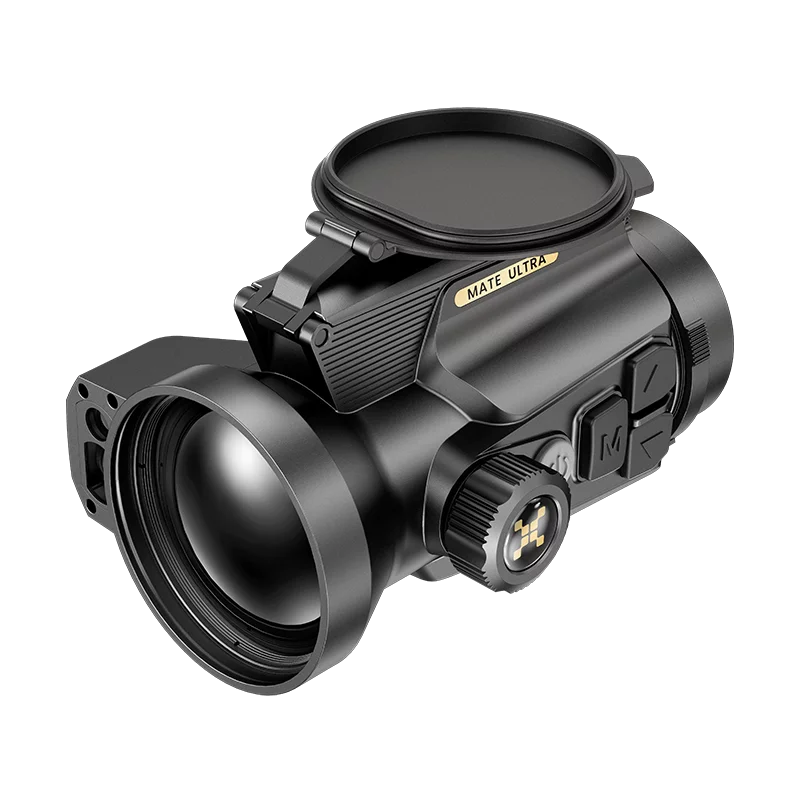
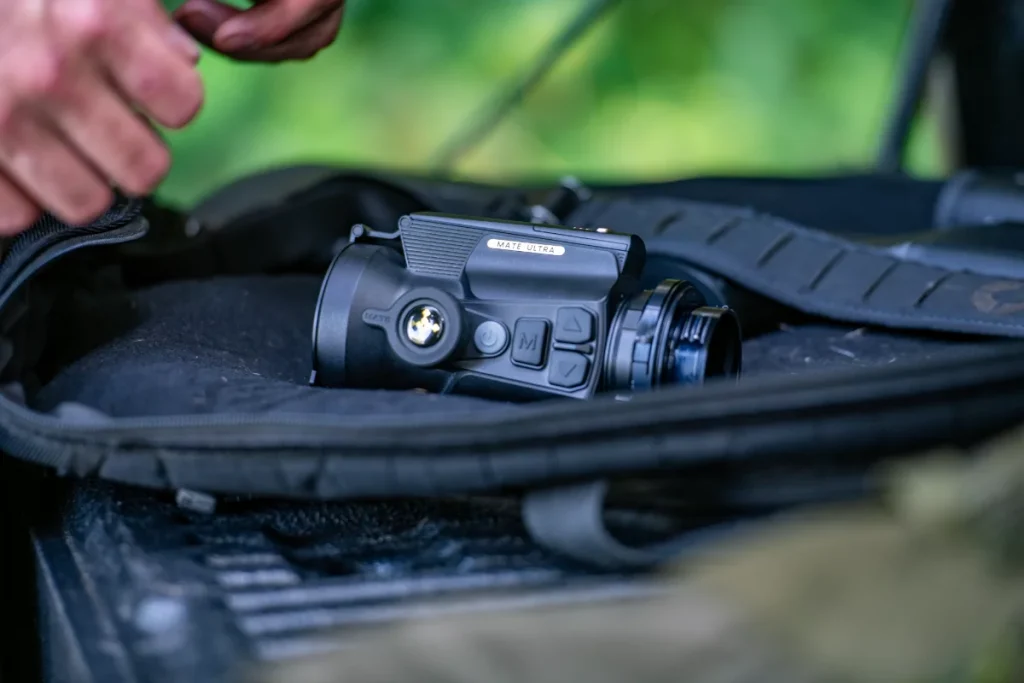
För skanning utan gevär erbjuder LUMI- och VISTA-monokulärkikare enhandsmanövrering. VISTA-modellerna har en inbyggd laseravståndsmätare. Om du föredrar att använda två ögon under långa sittningar är Nocpix QUEST termisk kikare minskar ögonansträngning under längre sessioner. Och om du redan har ett dagkikare som du litar på, MATE termiskt klämfäste monteras framför din befintliga optik för att lägga till värmedetektering utan att byta ut din installation.
Sluttanke
Ett termiskt kikarsikte öppnar upp för nattjakt på sätt som ingen traditionell optik kan matcha. Det ser värme där inget annat ser någonting. Men det kostar också mer, visar mindre detaljer, förbrukar batterier och kan inte se genom glas. För- och nackdelarna med ett termiskt kikarsikte kan sammanfattas med en enda fråga: stämmer styrkorna överens med hur du faktiskt jagar?
Om du tillbringar verklig tid i mörkret och jagar grisar, rovdjur eller andra nattaktiva vilda djur, är termisk skanner en av de bästa investeringarna du kan göra. Om din jakt sker mestadels i dagsljus kan en handhållen termisk skanner vara det smartare första steget. Utforska Nocpix termiska kikarsikten-kollektion och jämför modeller mot din hemmaterräng, målavstånd och budget. Det är så du kommer steget före i fält.
Vanliga frågor om termiska skop
Är termiska oscilloskop värda pengarna?
Termiska kikarsikten är värda pengarna om du jagar regelbundet i svagt ljus eller efter mörkrets inbrott. En jägare som ger sig ut två gånger om året kommer förmodligen inte att se värdet. En grisjägare som arbetar på fälten varje helg kommer sannolikt att anse att investeringen är värd att betala inom en säsong eller två.
Kan man använda ett termoskop under dagen?
Ja. Termiska kikarsikten detekterar värme, inte ljus, så dagsljus skadar dem inte. Användning på dagtid hjälper till att upptäcka djur i djup skugga eller tätt skydd. På mycket varma eftermiddagar minskar detekteringsräckvidden eftersom bakgrundstemperaturerna närmar sig djurens kroppsvärme.
Hur länge håller batterier i termoskopier?
De flesta termiska kikarsikten håller i 4 till 8 timmar på en full laddning. Kallt väder tar bort tiden. Funktioner som Wi-Fi och inspelning tömmer batterierna snabbare. Att ha med sig reservbatterier eller en USB-powerbank är standard för seriösa nattjägare.
Vad är det effektiva räckvidden för ett termiskt oscilloskop?
Detekteringsräckvidden kan sträcka sig över tusen meter för större djur i öppen terräng. Igenkänningsräckvidden – där du kan avgöra vilken typ av djur du tittar på – är mycket kortare. Identifieringsräckvidden, där du bekräftar specifika egenskaper, är ännu kortare. Vår guide om hur långt termiska tecken kan se bryter ner skillnaden.