


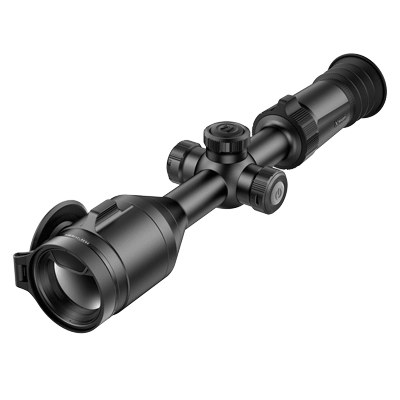
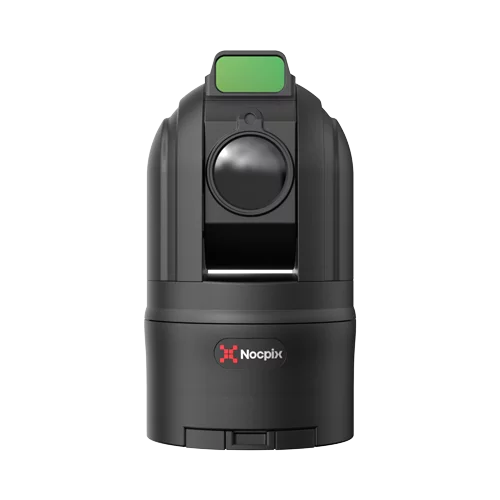


Choosing a thermal scope can feel confusing because spec sheets are filled with numbers like resolution, NETD, magnification, and detection range. These numbers matter, but they do not always explain how a scope will actually perform in real hunting or monitoring situations.
The truth is that the best thermal scope depends on how and where you plan to use it. Hunting in dense woods requires different features than scanning open fields or monitoring property at night. Things like field of view, magnification, sensor quality, and battery life can all affect how useful the scope feels in real situations.
In this guide, we will walk through the most important factors step by step. You will learn which specs matter, which features are worth paying for, and how to choose a thermal scope that fits your terrain, distance, and experience level.
What Will You Actually Use a Thermal Scope For?
Start by thinking about where and how you will actually use a thermal scope. The terrain, shooting distance, and type of use all affect which magnification, field of view, and features make the most sense.
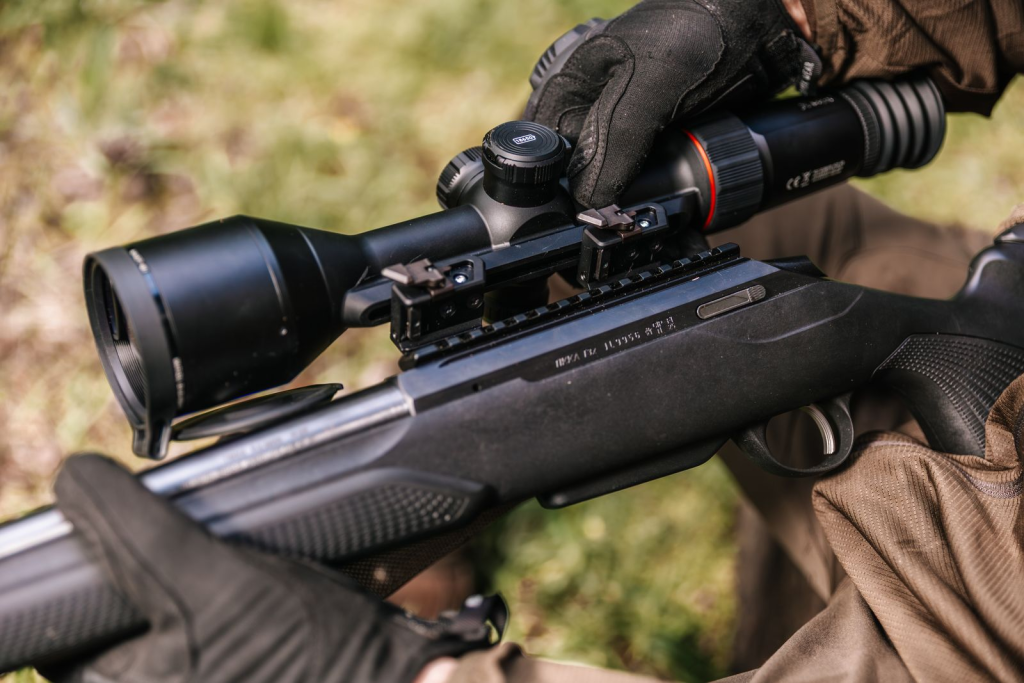
For Dense Woods And Shorter Shots
Dense woods usually mean shorter shooting distances and limited visibility. In these environments, a lower base magnification and wider field of view help you detect movement quickly and track animals moving between trees or brush. Scopes in the 1× to 2× base magnification range often work well for these situations because they allow faster scanning.
For Open Fields And Longer Distances
Open terrain allows you to see much farther, which changes what you need from a thermal optic. Higher base magnification can help you recognize targets at distance and observe more detail. However, you still need enough field of view to scan the landscape effectively.
For General All-Around Use
Many users want one thermal scope that works in different environments. In that case, a moderate base magnification with a balanced field of view often provides the best compromise. These scopes allow reasonable scanning capability while still giving enough detail for mid-range identification.
For Farm Or Property Use
Thermal scopes are also widely used for property monitoring, livestock protection, and pest control. In these situations, reliability and battery life often matter more than extreme range. A scope that powers on quickly, runs for several hours, and offers clear image contrast can be more valuable than one designed for long-range detection.
Which Thermal Scope Specs Matter Most?
Several specifications appear on every thermal scope spec sheet, but a few matter far more than the others.
Key Thermal Scope Specifications Explained
| Specifikation | What It Affects | Why It Matters |
| Sensorupplösning | Image detail | Higher resolution provides clearer shapes and better target recognition |
| NETTO (Thermal Sensitivity) | Heat contrast | Lower NETD helps separate heat signatures in poor conditions |
| Base Magnification | Target detail | Higher magnification shows more detail but reduces field of view |
| Synfält | Scanning area | Wider field of view makes it easier to detect movement |
| Detection/Recognition Distance | Target visibility | Recognition and identification distances matter more than detection alone |
| Battery Life | Operating time | Longer battery life supports extended hunts or monitoring sessions |
Sensorupplösning
Sensor resolution determines how much detail the thermal image can show. Higher resolutions capture more thermal data, which helps you recognize shapes and movement more clearly. For example, a 640×512 sensor typically provides noticeably more detail than a 384×288 sensor, especially at longer distances.
NETD Or Thermal Sensitivity
NETD measures how sensitive the sensor is to small temperature differences. A lower NETD value means the scope can separate heat signatures more easily when contrast is poor, such as during humid nights or early morning conditions.
Base Magnification
Base magnification controls how zoomed-in the image appears before any digital zoom is applied. Lower magnification gives a wider field of view for scanning, while higher magnification provides more detail for distant targets.
Field Of View
Field of view determines how much area you can see at once. A wider field of view makes scanning easier and helps you detect movement quickly, while a narrower field focuses more on distant objects.
Detection And Recognition Performance
Manufacturers often list detection distances, but recognition and identification distances matter more in practice. Detecting heat simply means something is there, while recognition helps you understand what it is.
Battery Life And Durability
Thermal scopes use significant power, especially during long hunts or property monitoring sessions. Reliable battery life, weather resistance, and durable construction all contribute to a more dependable optic in real-world conditions.
Understanding these specifications helps you choose a termiskt kikarsikte that performs well in real hunting conditions. Once you understand these specs, learning how to use a thermal scope becomes much easier in real hunting conditions.
How Do Magnification and Field of View Affect Your Choice?
Magnification and field of view determine how much terrain you can scan and how clearly you can recognize targets. The right balance depends on the distances you expect to observe or shoot.
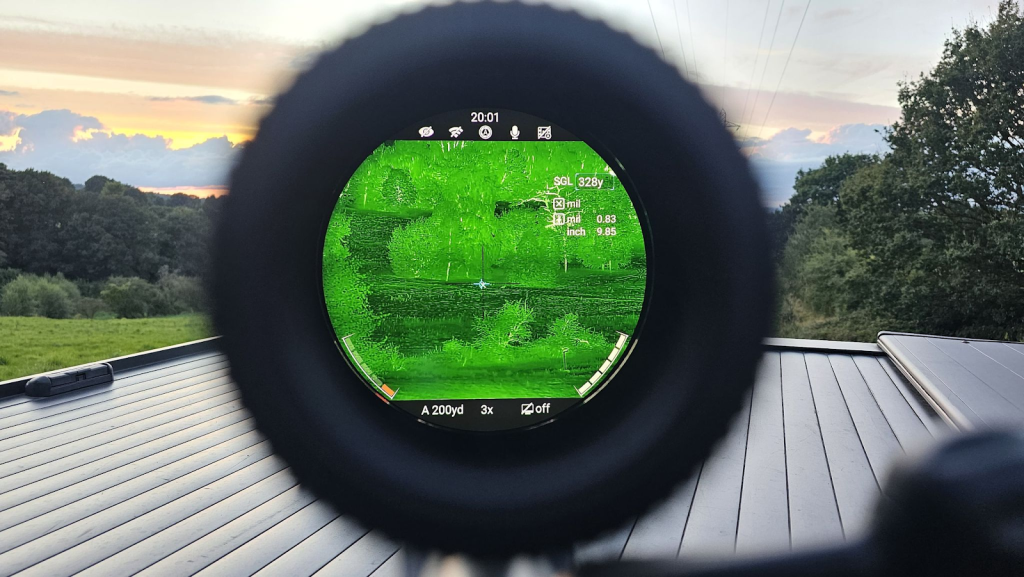
Lower Base Magnification Gives You More Field Of View
Lower magnification allows you to scan larger areas more quickly and detect movement sooner. In dense terrain such as woods or brush, this wider view makes it easier to notice animals moving between obstacles.
Higher Base Magnification Gives You More Native Detail
Higher magnification reveals more detail without relying on digital zoom. This can help when observing animals at longer distances, though it reduces the total viewing area.
Digital Zoom Does Not Replace Native Optical Detail
Digital zoom enlarges pixels rather than capturing additional thermal information. While it can help with closer inspection, excessive zoom often reduces image clarity.
Choose Magnification Based on Realistic Distance
Most users prefer moderate base magnification because it balances scanning ability with target detail. The best choice depends on your terrain and typical observation distance.
Why Should You Not Choose a Thermal Scope by Detection Range Alone?
Detection range often appears as the biggest number on a thermal scope spec sheet. For scanning large areas before switching to a rifle optic, many users also rely on termisk avbildningsmonokulär.
Detection Only Means Something Is There
At long distances, a thermal scope may show nothing more than a small heat spot on the display. You can detect a heat source, but the image may not provide enough detail to understand what the target actually is.
Recognition And Identification Matter More For Real Decisions
Recognition distance indicates how far you can begin to understand the shape or movement of a target, while identification distance allows you to determine exactly what it is. In real hunting or monitoring situations, these distances matter far more than simple detection.
Real Use Happens Closer Than Marketing Claims Suggest
Many product pages emphasize detection ranges of over a kilometer. In practice, most observations and shots occur at much shorter distances. Balanced image quality, magnification, and field of view usually matter far more than chasing the longest detection number.
How Do Sensor Resolution and NETD Change Real-World Performance?
Sensor resolution and NETD work together to determine how clear and usable a thermal image looks. These two specs influence how much detail you can see and how well the scope separates heat from the surrounding environment.
Resolution Helps You See More Detail
Sensor resolution determines how many thermal pixels capture heat information. A higher resolution sensor collects more thermal data, which allows the scope to display clearer shapes and edges. This extra detail helps when you need to recognize animals, observe movement patterns, or separate a target from background objects.
Higher resolution also helps when using digital zoom. Because the image starts with more pixel information, zooming in usually produces a cleaner picture.
Lower NETD Helps in Poor Contrast Conditions
NETD measures how sensitive the sensor is to small temperature differences. A lower NETD value means the sensor can detect smaller heat variations. This becomes especially useful when environmental conditions reduce contrast, such as humid nights, warm ground temperatures, or early morning fog.
In those situations, a more sensitive sensor helps the scope maintain clearer separation between the target and the background.
Do Not Chase Premium Specs Blindly
While higher resolution and lower NETD often improve image quality, the highest specifications are not always necessary for every user. Terrain, typical distance, and budget should guide your decision. Many mid-range thermal scopes already provide excellent performance for common hunting and property monitoring situations.
Which Thermal Scope Features Are Actually Worth Paying For?
Modern thermal scopes include many extra features, but not all of them provide the same practical value. Focus on features that improve usability, accuracy, and reliability in the field.
Built-In Laser Rangefinder
A laser rangefinder helps estimate the distance to a target quickly and accurately. This feature is especially useful in open terrain where judging distance by eye can be difficult.
Ballistic Tools
Some thermal scopes include ballistic calculators or profiles that help adjust for bullet drop at different distances. These tools are most helpful for users who regularly shoot at longer ranges.
Accurate shooting also depends on proper zeroing, which is why many users follow a guide on how to sight in a thermal scope before heading into the field.
Onboard Recording
Video recording allows you to capture hunts or observations directly from the scope. While it does not affect shooting performance, many users enjoy reviewing footage later.
Battery System
Battery design determines how long the scope can operate and how easily power can be replaced. Scopes with replaceable batteries or extended battery packs are often more practical for long nights in the field.
Comfort and Durability
Comfortable eye relief, stable mounting, and strong weather resistance make the scope easier to use in harsh outdoor conditions.
Not every user needs all of these features, but choosing the right combination can significantly improve real-world usability and shooting confidence.
How Do You Choose the Right Thermal Scope for Your Budget and Experience Level?
The best thermal scope is not always the most expensive one. Your experience level and typical use case should guide how much you invest and which features matter most.
What Beginners Should Prioritize
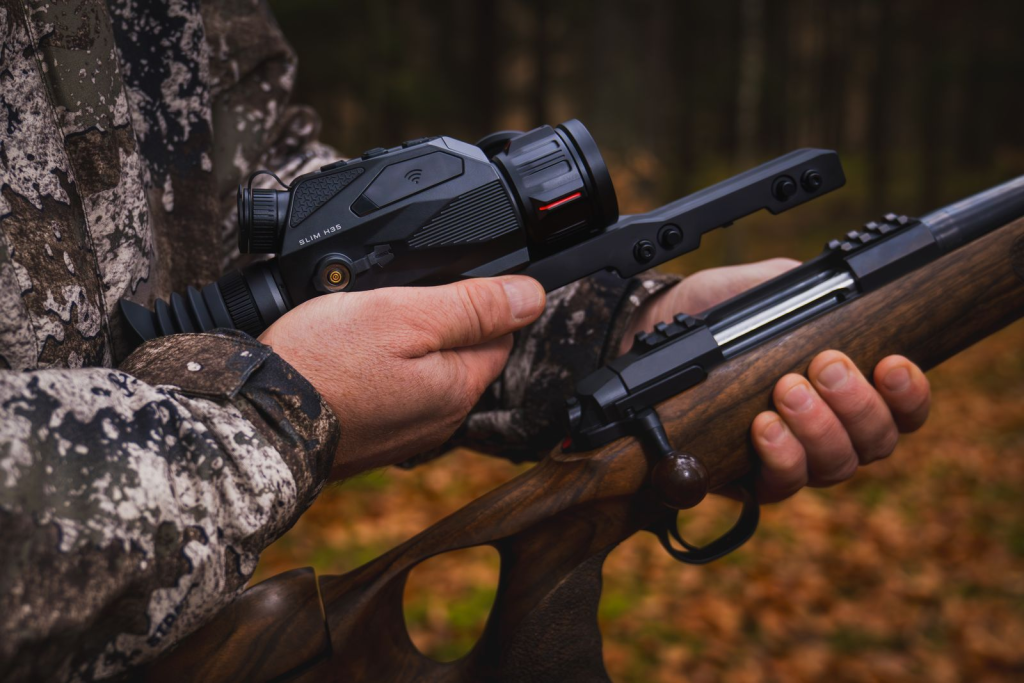
Beginners should focus on clear image quality, simple controls, and reliable battery life. A mid-level sensor resolution, moderate base magnification, and a user-friendly menu usually provide everything needed to learn thermal imaging. A wider field of view can also make scanning and detecting movement much easier for new users.
What Mid-Level Buyers Should Upgrade First
Once you gain experience, upgrading sensor resolution or thermal sensitivity often provides the biggest improvement. Better image detail helps you recognize targets faster and interpret thermal images more confidently. Many users at this level also appreciate longer battery life and improved image processing.
What Long-Range Or Demanding Users Should Pay For
Users who regularly observe or shoot at longer distances may benefit from higher sensor resolution, improved optics, and tools like a built-in laser rangefinder. These upgrades help with distance estimation and target recognition in challenging environments.
Spend More Only When the Use Case Demands It
Higher specifications and additional features increase cost quickly. The most practical approach is to choose a scope that fits your terrain, expected distance, and level of experience. Spending more only makes sense when the feature provides a clear benefit for how you actually plan to use the scope.
What Mistakes Should You Avoid When Choosing a Thermal Scope?
Many buyers focus on the wrong specifications when comparing thermal scopes. Avoiding a few common mistakes can help you choose an optic that actually performs well in the field.
- Do Not Buy by Detection Range Alone
Detection distance only shows how far the sensor can detect heat. Recognition and identification distances are far more important for real hunting or observation decisions. - Do Not Assume More Zoom Always Means Better
Higher magnification reduces field of view and can make scanning slower. Too much zoom can actually make it harder to detect movement in dense terrain. - Do Not Ignore Field Of View
A narrow field of view limits how much terrain you can scan at once. In many environments, especially woods or brush, a wider view helps you detect animals faster. - Do Not Overpay for Features You Will Not Use
Features like advanced ballistic tools or recording functions can increase the price without improving your actual use experience. - Do Not Underestimate Battery Life And Comfort
Thermal scopes consume significant power, and poor battery performance can shorten your time in the field. Comfortable eye relief and balanced mounting also matter during long sessions. - Do Not Choose Without Thinking About Terrain And Distance
The right thermal scope depends heavily on where you plan to use it. Woods, open fields, and property monitoring each benefit from different magnification and field-of-view combinations.
Slutsats
Choosing a thermal scope becomes much easier once you focus on how you actually plan to use it. Terrain, distance, image quality, and field of view all matter more than chasing the biggest marketing numbers. By understanding key specs like resolution, NETD, and magnification, you can select an optic that performs reliably in real-world conditions.
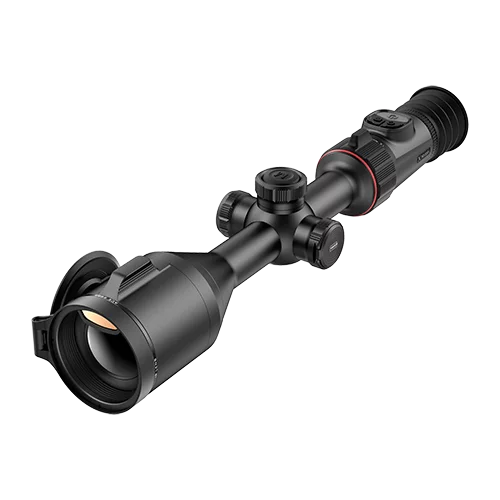
If you are exploring high-performance thermal optics designed for hunting and outdoor use, the Nocpix thermal scope lineup offers clear imaging, practical features, and durable construction built for demanding environments.
Vanliga frågor
Can one thermal scope work for both woods and open fields?
Yes. Many users choose a thermal scope with moderate base magnification because it balances field of view and target detail. This setup allows comfortable scanning in woods while still providing enough magnification to observe targets in more open terrain.
Is a thermal scope better than digital night vision?
Thermal scopes detect heat rather than visible light, which allows them to work in complete darkness and through light fog or smoke. Digital night vision depends on ambient light or infrared illumination, so performance can drop when lighting conditions are poor.
How much magnification is too much on a thermal scope?
Excessively high base magnification can narrow the field of view and make scanning slower, especially in dense terrain. Many users prefer moderate magnification because it balances detection ability with image detail.
How far can a thermal scope see?
The distance a thermal scope can detect heat depends on the sensor resolution, lens size, and environmental conditions. Many modern thermal scopes can detect large heat sources from several hundred yards to well over a thousand yards, depending on recognition and identification distances are usually much shorter. Terrain, weather, and target size can all affect real-world performance.