


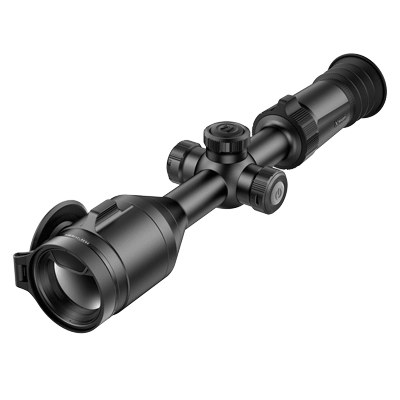
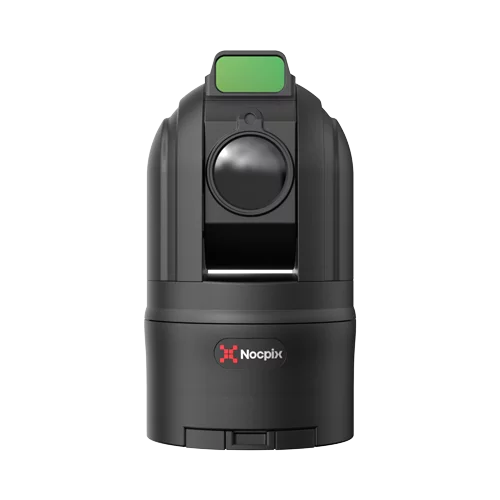


Thermal imaging works by detecting heat energy emitted by objects and converting those temperature differences into a visible image. Unlike traditional optics that depend on light, thermal devices read infrared radiation produced by everything around us.
That’s why a thermal scope can detect a deer in complete darkness, locate a missing person in dense brush, or reveal overheating machinery inside a factory. The technology works day or night because it measures heat instead of reflected light.
In this guide, we explain how thermal imaging works—from infrared radiation and sensor technology to image processing and display modes. You’ll also learn why warm-blooded animals stand out so clearly and how thermal devices differ from night vision systems.
Innehållsförteckning
What Is Thermal Imaging and How Does It Work?
Thermal imaging works by detecting infrared radiation emitted by objects and converting temperature differences into a visible image.
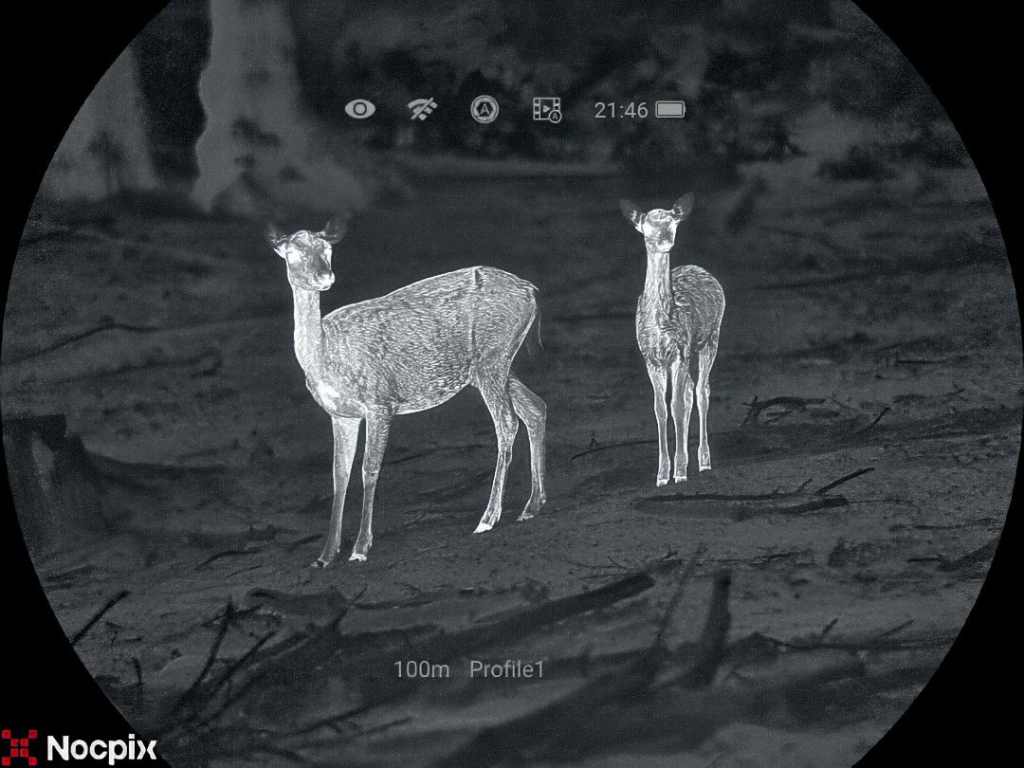
Every object with a temperature above absolute zero (−273.15°C) continuously releases infrared energy. Thermal cameras capture this radiation using specialized infrared sensors and translate the heat patterns into electronic signals.
A processor then converts those signals into an image where warmer and cooler areas appear with different levels of brightness or color.
Unlike traditional cameras, thermal devices do not depend on reflected light. They measure heat contrast between objects and their surroundings. This allows thermal optics to operate in total darkness, smoke, or low-visibility environments where normal cameras struggle.
If you want to explore real-world applications such as hunting, wildlife observation, and outdoor navigation, see our practical guide to thermal imaging for a broader explanation of how this technology is used in the field.
In simple terms, thermal imaging works through four stages:
- Objects Emit Infrared Radiation
- A Thermal Sensor Detects Heat Differences
- The Device Converts Heat Into Electrical Signals
- The Processor Generates a Visible Image
This process happens continuously—often 30 to 60 times per second—which allows thermal devices to display real-time heat patterns.
Thermal Imaging vs Night Vision: What’s the Difference?
Thermal imaging detects heat energy, while night vision amplifies existing light.
Night vision devices, including a digitalt mörkerkikare, work by collecting small amounts of visible or near-infrared light and intensifying it through electronic amplification. This allows users to see in low-light environments such as moonlit nights.
Thermal imaging works very differently. Instead of amplifying light, thermal devices detect heat signatures emitted by objects. Because every object emits infrared radiation, thermal systems can locate targets even in complete darkness.
In practical use, the two technologies serve different purposes.
For example, hunters often use thermal imaging to detect animals at night when using a termiskt kikarsikte, while night vision is commonly used to identify targets more clearly.
- Thermal imaging is best for detecting targets at long distances
- Night vision is better for identifying details and navigation
Hunters often use thermal optics for detection and night vision for confirmation.
Principle Comparison Table
| Särdrag | Termografi | Nattseende |
| Energy Source | Infrared radiation (heat emitted by objects) | Reflected visible or near-infrared light |
| Light Requirement | None | Requires ambient light or IR illumination |
| Primary Function | Detect temperature differences | Amplify available light |
| Performance in Total Darkness | Fully functional | Requires IR assist |
| Target Visibility | Based on heat contrast | Based on reflected light contrast |
| Best Use Case | Upptäckt | Identifiering |
How Do Thermal Imaging Sensors Detect Heat?
Thermal imaging sensors detect heat by measuring infrared radiation emitted by objects and converting those temperature differences into electrical signals.
At the center of every thermal device is an infrared sensor array. Instead of capturing visible light like a traditional camera, this sensor measures tiny variations in heat across the environment. These differences form a thermal pattern that the device processes into an image.
Modern thermal devices detect extremely small temperature changes, which allows them to reveal animals, people, or machinery even in complete darkness or low-visibility conditions.
Uncooled vs Cooled Thermal Sensors
Thermal imaging systems generally use either uncooled or cooled infrared sensors.
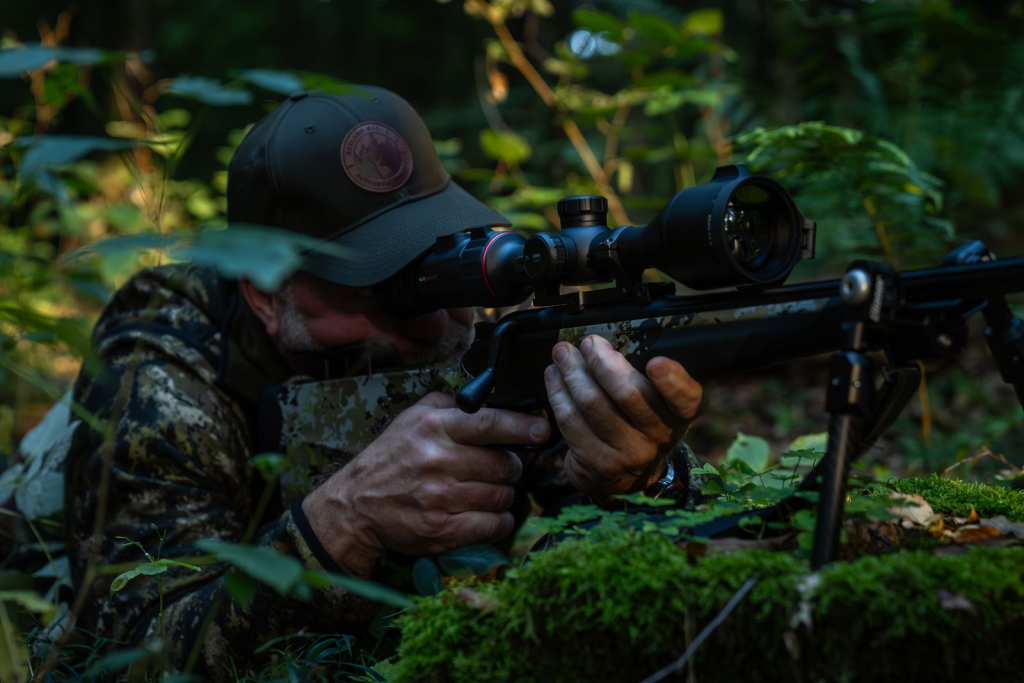
Most commercial thermal optics rely on uncooled sensors. These sensors operate at ambient temperatures and require no complex cooling system, which makes devices smaller, lighter, and more durable in field conditions. Because of these advantages, uncooled sensors are widely used in handheld termiska monokularer and other portable thermal optics designed for outdoor detection.
Cooled sensors, on the other hand, use cryogenic cooling to reduce electronic noise inside the detector. This improves sensitivity and allows the system to detect extremely small temperature differences at long distances. These sensors are typically used in military surveillance systems, aerospace applications, and high-end scientific equipment.
What Is a Microbolometer?
A microbolometer is the most common sensor used in modern uncooled thermal imaging devices.
It consists of thousands of tiny heat-sensitive elements arranged in a grid. Each element absorbs infrared radiation and changes electrical resistance as its temperature rises. The device electronics measure these resistance changes and convert them into signals that represent heat across the scene.
These signals are then processed into a thermal image where warmer and cooler areas appear with different brightness levels or colors.
Microbolometers are compact, reliable, and energy-efficient, which is why they are widely used in portable thermal optics.
Why Living Targets Stand Out in Thermal Imaging?
Living targets stand out in thermal imaging because their body temperature usually differs from the surrounding environment.
Humans maintain an average body temperature of about 37°C (98.6°F). Many animals maintain similar internal temperatures. When the surrounding terrain cools after sunset, warm-blooded animals appear as strong heat signatures against cooler backgrounds.
Thermal devices detect this temperature contrast rather than visible details. Even if an animal blends into the environment visually, its heat signature remains visible.
Hunters and wildlife observers often scan large areas using termisk kikare, which provide a wider field of view for detecting animals at longer distances.
This is why thermal imaging works well for:
- Wildlife detection
- Hunting and animal tracking
- Farm patrol and livestock protection
In open terrain at night, animals often appear as bright silhouettes against cooler ground or vegetation.
How Thermal Images Are Created and Displayed?
Thermal images are created by converting infrared radiation into electrical signals and translating those signals into visual contrast.
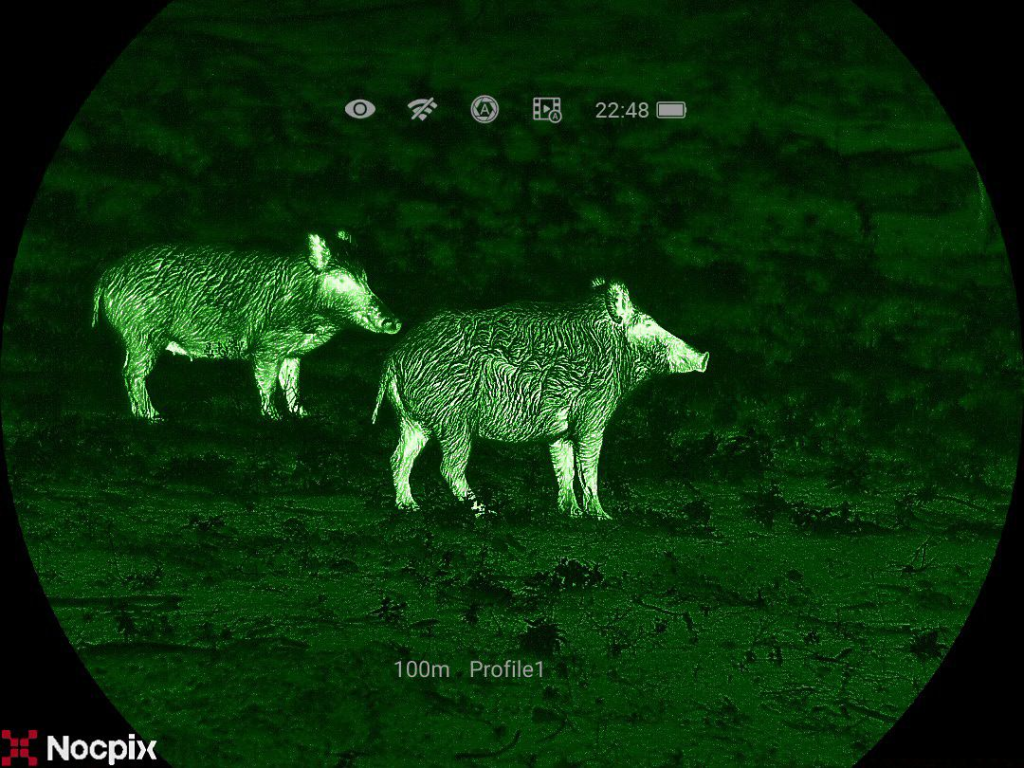
The process involves several stages inside the device.
Thermal Signal → Electrical Signal
Infrared radiation first passes through a germanium thermal lens, which focuses heat energy onto the sensor array. The microbolometer measures temperature changes across the scene and converts them into electrical signals.
Signal Processing → Image Creation
A digital processor analyzes the signals from thousands of sensor pixels. It calculates temperature differences and generates a thermal map of the environment.
Image Display
The processor assigns brightness or colors to different temperature ranges. Warmer objects may appear brighter or darker depending on the selected display mode.
Modern thermal devices refresh these images many times per second, creating smooth motion when scanning an environment.
Common Misconceptions About Thermal Imaging
Many misunderstandings arise from confusing thermal imaging with other optical technologies.
“Can Thermal Imaging See Through Walls?”
No, thermal imaging cannot see through walls. Thermal cameras only detect surface temperature differences. If heat transfers through a wall, the camera may detect warm spots on the surface, but it cannot see objects inside the structure.
“Does Thermal Imaging Require Light?”
No, thermal imaging does not require visible light. Thermal cameras detect infrared radiation emitted by objects, which means they continue working in complete darkness. This is one of the main reasons thermal devices perform well at night or in low-visibility environments.
“Do Hot Objects Always Appear Bright?”
Not always. Thermal devices display temperature differences using specific viewing modes such as white-hot or black-hot. In some display modes, warmer objects appear brighter, while in others they appear darker.
Slutliga tankar
Thermal imaging works by detecting infrared radiation and converting temperature differences into a visible image. This ability to measure heat rather than light allows thermal devices to reveal animals, people, and other heat sources even in complete darkness.
From microbolometer sensors to false-color display modes, modern thermal technology makes nighttime detection easier and more reliable in outdoor environments.
If you’re exploring thermal optics for hunting, wildlife observation, or farm patrol, understanding how thermal imaging works will help you choose the right device for your needs.
You can explore the latest thermal optics from Nocpix to see how these technologies perform in real-world conditions.
Vanliga frågor
Why Does Thermal Imaging Work Better in Fog Than Night Vision?
Thermal imaging performs better in fog because it detects heat signatures rather than visible light. Fog scatters visible light, which reduces the effectiveness of traditional optics and night vision devices.
What Is the Difference Between Uncooled and Cooled Thermal Sensors?
Uncooled sensors operate at ambient temperature and are used in most commercial thermal devices because they are compact, durable, and energy efficient. Cooled sensors use cryogenic cooling to reduce sensor noise and detect much smaller temperature differences. This makes them more sensitive but also larger and more expensive, so they are mostly used in military or scientific systems.
How Far Can Thermal Imaging Detect Animals?
Detection distance depends on sensor resolution, lens size, and target size. High-resolution sensors paired with longer lenses can detect deer-sized animals at distances of 800–1,500 meters under ideal conditions. However, detecting a heat source does not always mean identifying it. Clear identification usually requires the animal to be much closer.
Can Thermal Imaging See Through Fog, Rain, or Vegetation?
Thermal imaging cannot see through solid objects, but it can often detect heat signatures through light fog, smoke, or thin vegetation. Because thermal sensors measure infrared radiation rather than visible light, they are less affected by visual obstruction. Heavy rain, thick foliage, or dense fog can still reduce thermal contrast and detection distance.
Why Do Thermal Images Appear in False Colors?
Thermal radiation is invisible to the human eye, so thermal devices convert temperature data into visible colors or brightness levels. These display palettes—such as white-hot, black-hot, or rainbow—help users interpret temperature differences more easily. The colors do not represent the real color of objects but simply show relative heat levels.
Can Thermal Imaging Detect Recently Dead Animals?
Yes, thermal imaging can detect recently dead animals for a short time. After death, a body still retains heat and gradually cools until it matches the surrounding environment. Depending on temperature, wind, and body size, the heat signature may remain visible for several minutes or longer before disappearing.