


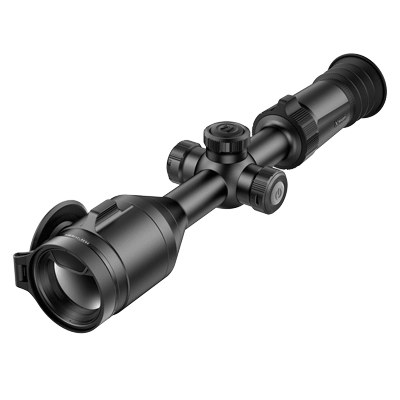


Thermal scopes can detect heat much farther than they can help you recognize or identify a target. That is why one large range claim can look impressive on a spec sheet and still leave you short on usable detail in the field.
In this guide, we’ll explain what “work” actually means in thermal terms. We’ll also answer a common question many users ask: how far can thermal scopes see. Then we’ll show why detection, recognition, and identification are three very different range numbers—and why the difference matters so much when comparing scopes.
Innehållsförteckning
What does “work” mean in a thermal scope?
In a thermal scope, “work” usually means detection, recognition, or identification. These three range terms describe three levels of usable detail, not one single distance.
Detektionsområde
Detection range is the farthest distance where you can see that a warm object is present.
Here is what detection range usually tells you:
- You Can See A Heat Signature: The scope shows that something warm is out there.
- You Cannot Confirm The Target: You are not getting enough detail to say what it is.
- You Can Scan Large Areas: This is useful for fields, tree lines, and open ground.
Recognition Range
Recognition range is the distance where you can tell what kind of target you are seeing.
In real use, recognition range gives you more useful details.
- You Can Judge Shape And Size: The target starts to look more like an animal, person, or other object.
- You Can Sort Target Types: You may be able to tell deer from hogs or coyotes in cleaner conditions.
- You Get A Better Buying Reference: This number usually helps buyers more than a headline detection claim.
Identification Range
Identification range is the distance at which you can confirm exactly what the target is.
This is the hardest range to hold because it needs the cleanest image:
- You Need More Visible Features: A rough heat blob is no longer enough.
- You Need Better Separation From The Background: The target has to stand out clearly.
- You Rely On This Range For A Confident Decision: This is the point where guessing is no longer good enough.
How far can thermal scopes detect, recognize, and identify a target?
Thermal scopes detect farther, recognize at a shorter distance, and identify at the shortest distance. If you want a range number that helps you buy better, recognition range usually tells you more than a maximum detection claim.
Detection Is Always The Longest Range
Detection is always the longest range because the scope only needs enough thermal contrast to show that a warm object is present.
That usually means:
- You May Only See A Small Heat Spot: The target may appear with little or no readable outline.
- You Can Notice Movement Early: This is why thermal scopes are strong for scanning.
- You Still Lack Decision-Level Detail: Detection alone does not tell you what the target is.
Recognition Requires More Detail
Recognition range drops because you need enough image detail to classify the target.
At this stage:
- Shape Starts To Matter: A deer, hog, and coyote do not read the same at distance.
- Size And Movement Matter More: The target has to hold enough detail to sort it correctly.
- Better Optics Help: Higher resolution and a better lens usually hold recognition farther out.
Identification Needs The Cleanest Image
The identification range is shorter because you need a cleaner outline and more visible target features.
This range can shrink fast when:
- The Image Softens: Fine detail fades first.
- The Background Warms Up: Targets blend in more when the scene holds similar heat.
- Cover Blocks The Target: Grass, brush, and terrain cut usable detail even when heat is still visible
These range numbers spread out because each step asks more from the image. Detection only asks for visible heat. Recognition asks for enough detail to sort the target. Identification asks for enough clarity to confirm it without guessing.
What range numbers are realistic for entry-level, mid-range, and high-end thermal scopes?
Realistic thermal scope range depends on scope tier, target size, sensor quality, lens choice, and field conditions. In most cases, entry-level models suit shorter practical distances, mid-range models cover general use well, and high-end models hold usable detail farther out.
Treat the numbers below as working expectations in decent conditions, not guaranteed results every time you head into the field.
| Scope Tier | Detektionsområde | Recognition Rang | Identification Range | Best Fit |
| Entry-Level | About 600–1,200 yards | About 200–400 yards | About 100–250 yards | yards Shorter-range hunting, scanning nearby ground, tighter budgets |
| Mid-Range | About 1,000–1,800 yards | About 300–700 yards | About 150–400 yards | Mixed terrain, general hunting, better all-around use |
| High-End | About 1,500–2,500+ yards | About 600–1,000 yards | About 300–600+ yards | Large properties, open fields, longer-range target decisions |
Entry-level thermal scopes usually make the most sense when you mainly need closer detection and practical use at shorter distances. They are often a better fit for tighter terrain, nearby scanning, and buyers who want to keep cost under control.
Mid-range thermal scopes are often the best balance for most buyers. They usually offer more dependable recognition distance and adapt better to mixed terrain, which is why this tier often feels the easiest to trust in general use.
High-end thermal scopes stand out when you need to hold useful detail farther out, not just detect heat at a longer range on paper. They usually make the most sense for open ground, larger properties, and situations where earlier recognition matters more.
What affects how far a thermal scope works in real use?
Real thermal scope range depends on more than one spec. Sensor resolution, lens size, magnification, image quality, target size, and field conditions all affect how much usable detail stays on the target as distance increases. The main thing to remember is that detection is easier than recognition, and recognition is easier than identification. That is why a scope may still show heat far away while giving you much less confidence about what the target actually is.
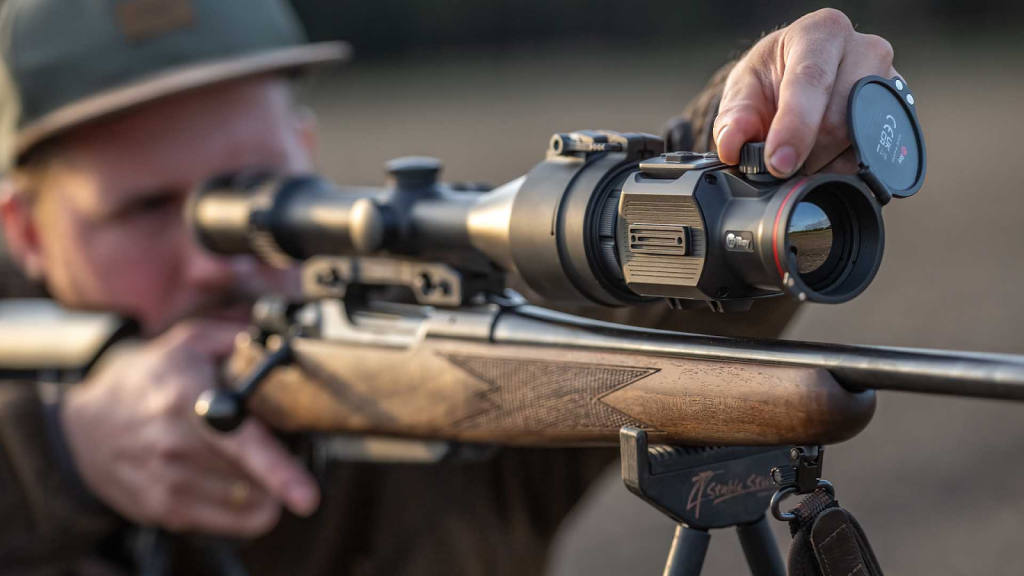
On the hardware side, sensorupplösning helps keep the target outline cleaner at distance, which matters most for recognition and identification. Lens size and focal length affect reach, while base magnification changes how much detail you start with before zooming. A longer-reaching setup can help in open ground, but a wider field of view often feels more useful in woods or mixed terrain. Image quality and thermal contrast also matter because a target that stands out clearly from the background will stay readable longer. Target size plays a role, too, since larger animals or human-sized figures usually hold usable detail farther out than smaller targets. Digital zoom can make the image look bigger, but it does not add real detail.
Field conditions can shorten range just as much as the hardware. Open ground usually helps, while brush, tall grass, and uneven terrain often hide part of the target and reduce usable distance. Warm backgrounds, humidity, fog, and rain can also weaken contrast and make recognition drop sooner. In real use, the best way to judge a scope is to start with the recognition distance you need, then check whether the sensor, lens, and field conditions support that goal.
What thermal scope range is enough for your use case?
The right thermal scope range depends on the distance where you need clear recognition, not the farthest distance where you might spot heat. Most people do not need the biggest number on the page. They need enough usable detail for the way they actually hunt, scan, or watch property.
Woods And Shorter Shots
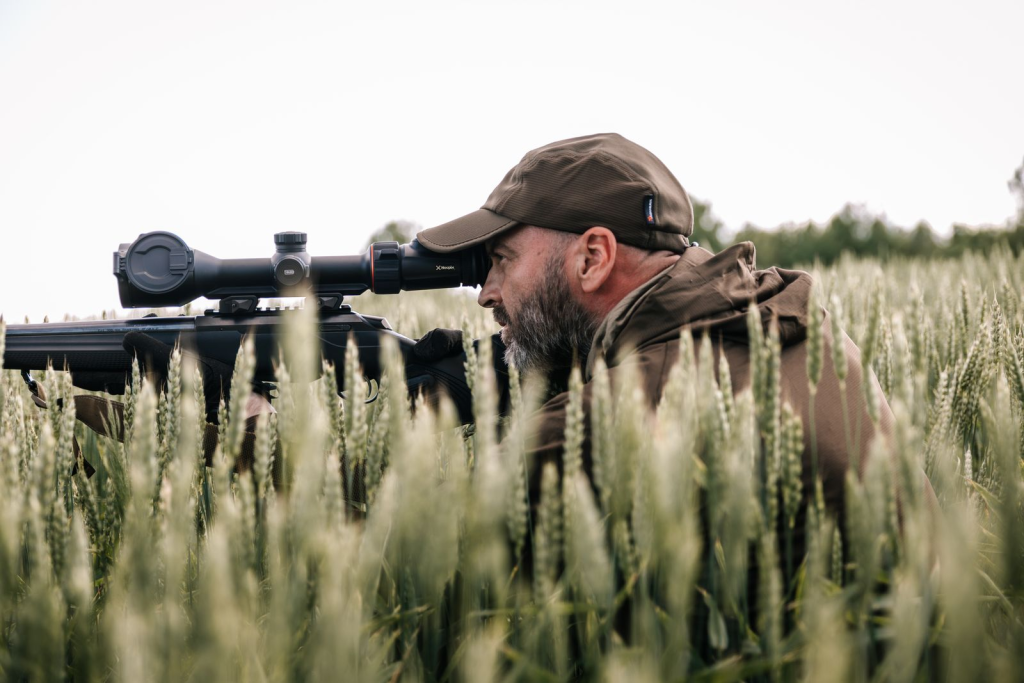
If you hunt in woods, brush, or tighter lanes, faster target pickup usually matters more than maximum reach. A wider field of view and dependable mid-range detail often feel more useful here because animals do not stay cleanly exposed for long. In this kind of setup, a scope built for practical recognition at a closer distance usually makes more sense than one built mainly for long-range bragging rights.
Open Fields And Longer Night Hunting
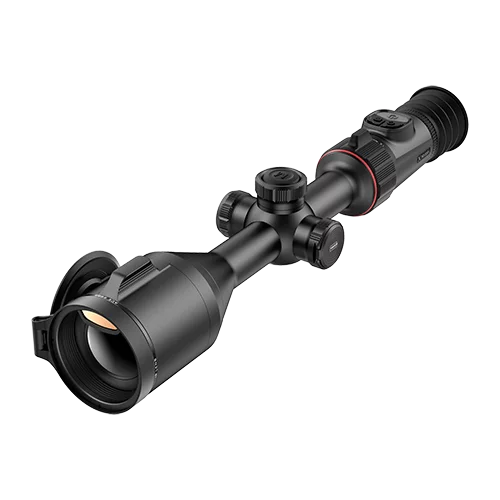
Open ground usually rewards more recognition distance. If you hunt across fields, edges, or larger clearings, it helps to hold target detail farther out before you need to move closer. That is where a stronger sensor and a longer-reaching lens begin to pay off more clearly. In this kind of setup, a longer-range termiskt kikarsikte often makes more sense than a model built mainly for closer scanning. You are trying to read it sooner and with more confidence.
Animal Location
Animal location often puts detection first, but recognition still matters. If your main goal is to notice movement, locate animals, or check open ground at night, you may not need the same level of identification range as someone making a more exact target decision. In many cases, a scope with strong detection and solid mid-range recognition will already cover the job well.
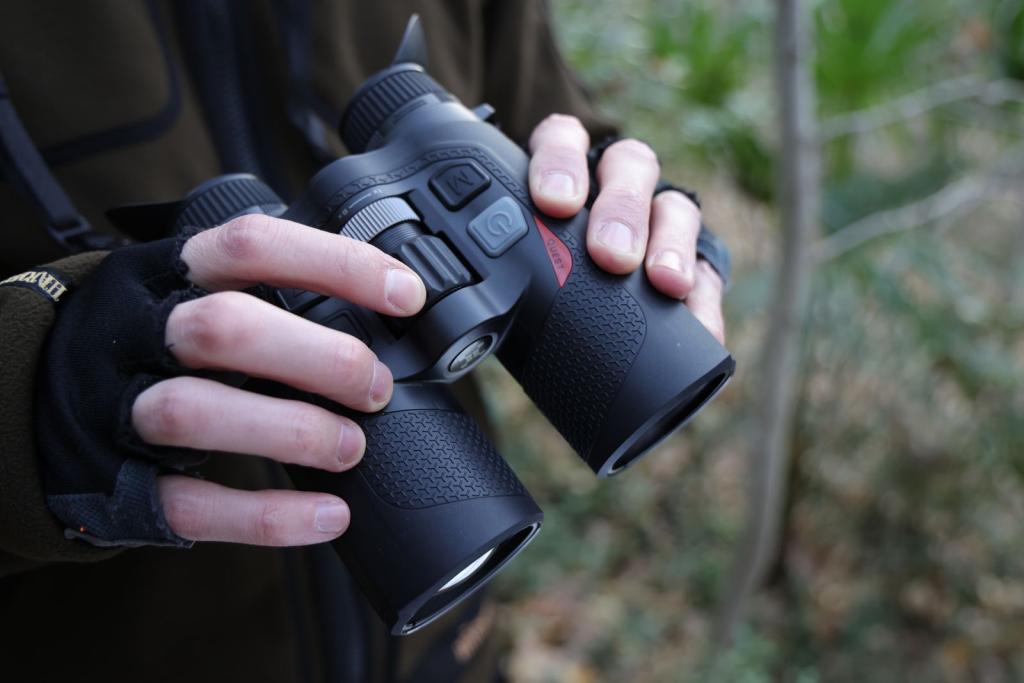
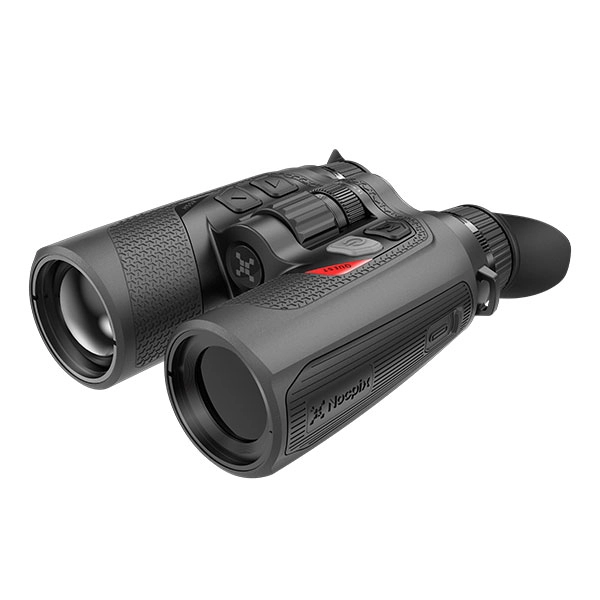
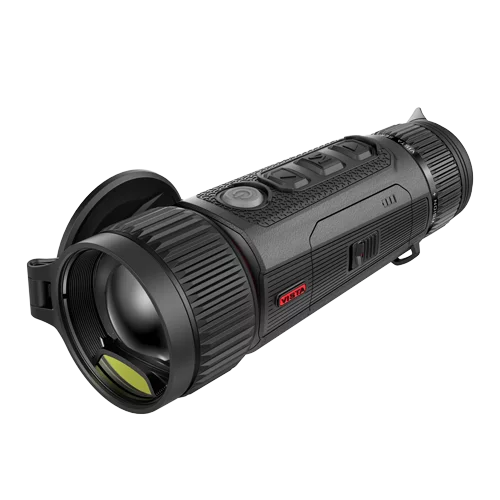
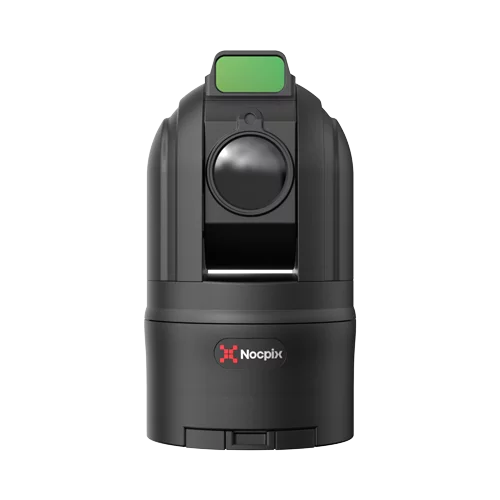
If that sounds like your use case, scanning-focused devices often make more sense than jumping straight to a riflescope. In the Nocpix lineup, QUEST termisk kikare suit longer observation with up to 2600m detection and a built-in 1000m laser rangefinder, while Nocpix LUMI and LUMI LRF monoculars give you a lighter, pocket-size option when fast carrying and quick spotting matter more.
Sluttanke
Thermal scopes can reach impressive distances, but the number that helps you most is not always the biggest one on the spec sheet. Detection tells you something is there. Recognition tells you what kind of target you are looking at. Identification tells you whether you can act with confidence. Once you keep those three ideas separate, thermal scope range starts to make a lot more sense.
That is also the better way to choose a scope. Start with the distance where you need clean recognition, then work backward from there. Look at the sensor, lens, field of view, terrain, and target size together instead of chasing the farthest possible detection claim.
If you are comparing models now, start by narrowing them down based on your real terrain, target size, and recognition distance. Nocpix organizes its lineup across riflescopes, binoculars, monoculars, attachments, and digital night vision, so readers can move from this guide into the device type that best fits how they actually hunt or scan.